





With an early fall and winter being predicted by more than one weather service, heavy-duty vehicle lift manufacturer Stertil-Koni recommends 10 tips to improve safety for fleet technicians on the shop floor. These tips from the company offer insight into improving the operation of vehicle lifts during the winter months.
10 Tips to Improve HD Vehicle Lift Safety
With an early fall and winter predicted by more than one weather service, one heavy-duty-vehicle lift manufacturer recommends 10 tips to improve safety for fleet technicians on the shop floor.
October 22, 2018
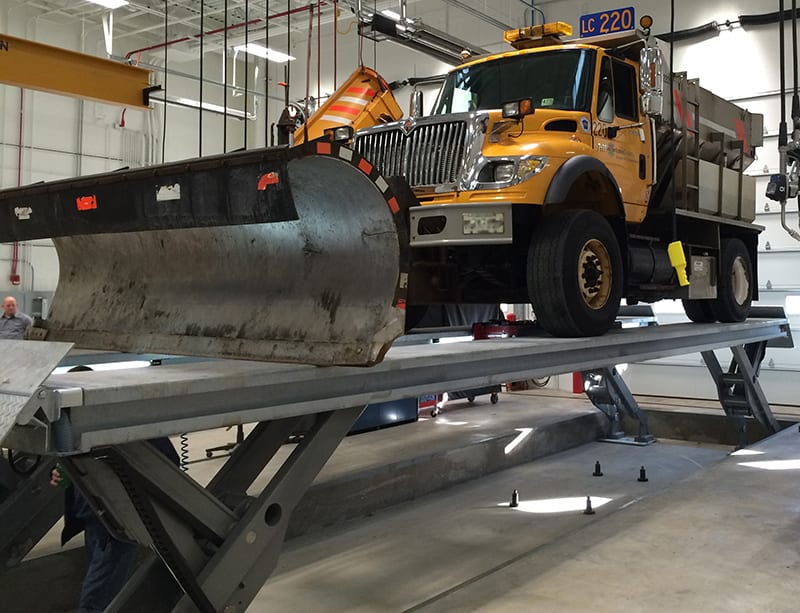
Know in advance the weight of the heaviest vehicle to be lifted and make certain that the lift selected is certified to meet or exceed that capacity.
Photo courtesy Stertil-Koni
3 min to read
1. Certification is Significant: Consider purchasing lifts certified by the American Lift Institute. The ANSI/ALI ALCTV (current edition) is the standard for automotive lifts. This lift certification program makes it easy for buyers to choose lifts that meet all safety requirements for construction, testing and validation. The ALI gold label is the only guarantee that a lift has been independently proven to meet stringent industry standards.
2. Lift Choice and Capacity: Know in advance the weight of the heaviest vehicle to be lifted and make certain that the lift selected is certified to meet or exceed that capacity. Also, confirm the height of the vehicle is appropriate for your shop’s ceiling height.
3. Learn the Lift: Well-trained lift operators should know the lift’s use and abilities, prior to powering up. Proper training ensures safe and efficient operation and prepares the user for an emergency situation. Keep a copy of the manufacturer’s lift manual nearby at all times.
4. Safety First: During lift set up check the perimeter of the lift to confirm that nothing is obstructing its path and there are no hazards in the lifting area. Lift the vehicle no more than 12 inches off the ground, pause, and do another sweep of the area to further check that there are no impediments.
5. Stability is Key: Always place lifts on a firm foundation and on level ground. This is especially important with mobile column lifts, which can be relocated for operation both inside and outside of the maintenance shop. When outside, check for wind loads. Further, select a lift with an “electronic synchronization” system. As the lift goes into motion and continues through the full-range up to its maximum height, vehicles should rise smoothly, even those with unequal weight distribution, such as fire trucks and pumpers. Assure that the lifted vehicle itself is level.
6. Adhere to Proper Lifting Points: At all times use designated lifting points on the vehicle. For inground lifts, operators should check that the contact points are properly positioned.
7. Technician Protection: Lift vehicles to a proper height so technicians can move about freely, safely and comfortably underneath the vehicle. Verify lifts are locked in position before standing under the vehicle.
8. Maintain a Lift Maintenance Schedule: Make sure lifts receive annual inspections by a certified ALI lift inspector. Also, use factory or manufacturer-authorized technicians to service and repair your lifts.
9. Create a Culture of Safety: Publicly and prominently post service bulletins, safety messages, and continuously update the skills of all technicians. This is vital to a smooth-running maintenance facility.
10. Accessorize your Lift: Use lift accessories specifically designed to help ensure fleet maintenance operator safety and proper ergonomics. One example is a high lift wheel dolly, which allows wheel removal and adequate alignment of dual tire assemblies and brake drums to be completed efficiently and accurately, without back strain.
“Safety is always mission No. 1 in the service bay,” says Jean DellAmore, Stertil-Koni USA president. “That is precisely why we suggest using a well-planned, safety-first approach so that shop technicians can perform their duties efficiently, ergonomically and with complete confidence. It also creates a positive workplace atmosphere, helps improve worker retention, and contributes to greater longevity of the vehicles being serviced and the maintenance equipment the techs operate.”
Subscribe to Our Newsletter
More Maintenance
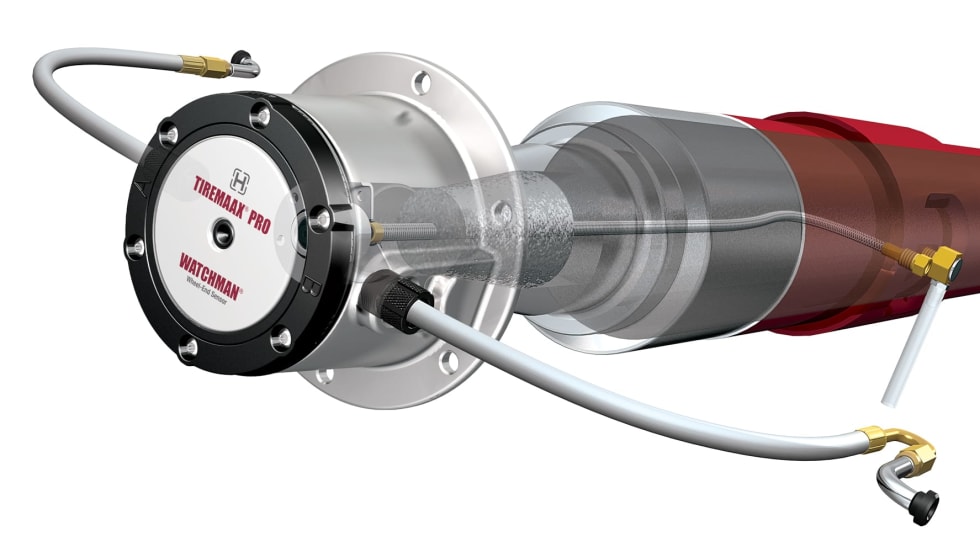
Hendrickson Unveils Watchman Smart Wheel-End System at TMC
Hendrickson’s new sensor platform integrates with its TireMaax system to deliver real-time tire and wheel-end insights, targeting uptime and cost savings.
Read More →
Over-the-Air Updates and the Modern Powertrain Explained
Over-the-air updates are moving beyond recalls, and expanding how fleets manage performance, compliance, and uptime.
Read More →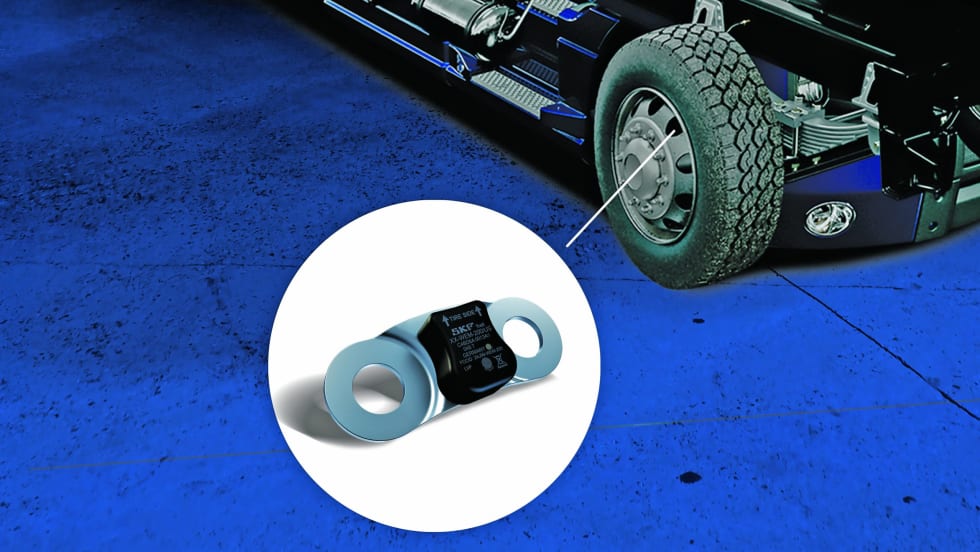
SKF, TMC Expand Hands-On Training to Boost Technician Skills at Annual Meeting
A new partnership between SFK and TMC brings certified, on-site instruction focused on wheel-end reliability and maintenance best practices.
Read More →
Why Higher Pay Isn’t Fixing the Heavy-Duty Technician Shortage
Hiring heavy-duty truck technicians has become a bidding war, but shops that focus on culture, training, and career paths are gaining an edge. That's the takeaway from a TMC panel discussion.
Read More →
Technology & Maintenance Council 2026 Annual Meeting [Photos]
Couldn't make it to Nashville for TMC's 2026 annual meeting? Check out these images.
Read More →
Fullbay Report: Heavy-Duty Shop Revenue Up, Rates Rising, but Shops Still Short on Techs
Strong growth across the heavy-duty repair sector is being tempered by workforce shortages and an aging technician pipeline.
Read More →
How Mack Sees the Next Era of Fleet Intelligence
Telematics has evolved from simple vehicle tracking into a connected service platform that can help fleets boost uptime, improve specifications, and move toward predictive maintenance. Mack executives say AI is now giving fleets a way to turn all that vehicle data into faster, smarter decisions.
Read More →
Clarios Expands Battery Monitoring Into Subscription Service with Battery Manager Pro
A new battery-monitoring-as-a-service program from Clarios Connected Services uses predictive analytics and automatic replacement to reduce downtime and smooth fleet maintenance costs.
Read More →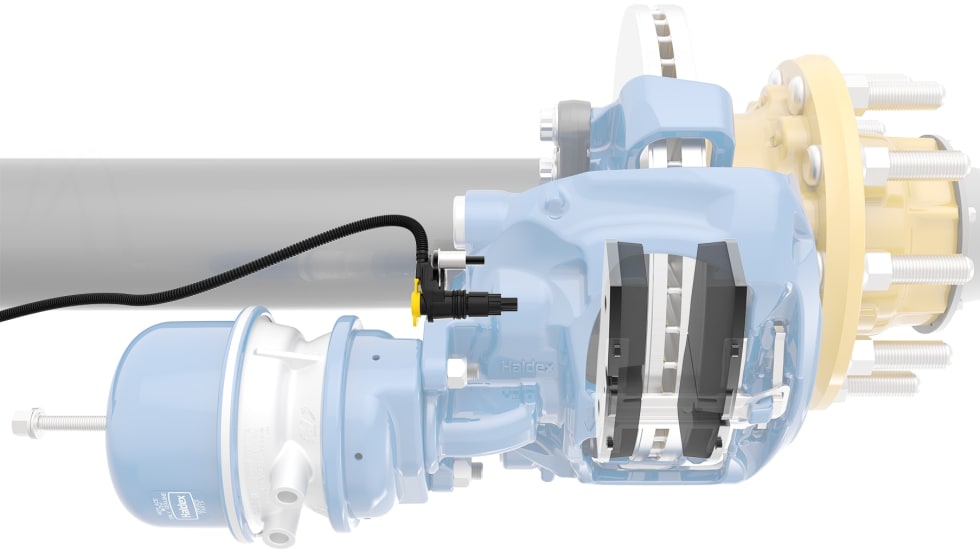
SAF-Holland’s BrakeSight Aims to Take the Guesswork Out of Air Disc Brake Maintenance
New Haldex sensor technology from SAF-Holland integrates with telematics systems to give fleets continuous insight into air disc brake condition.
Read More →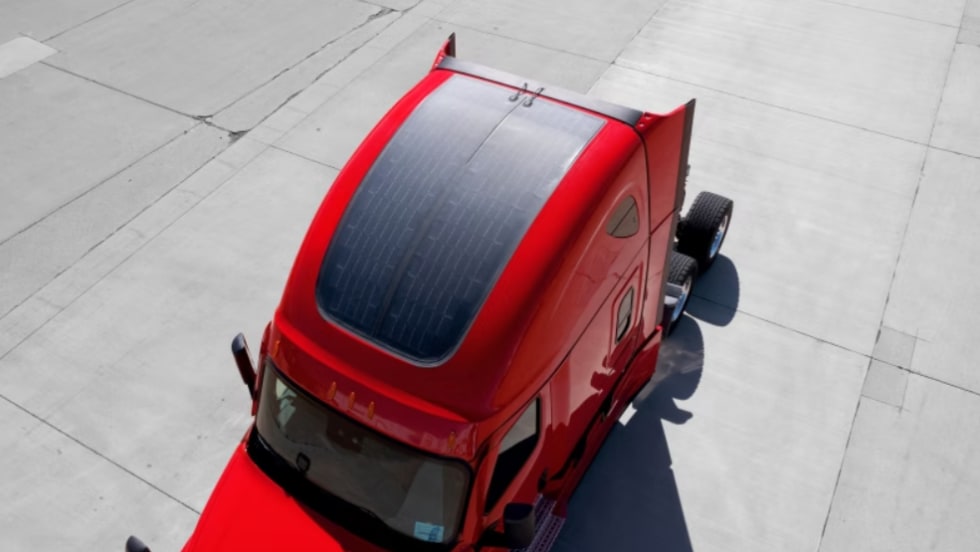
Vanair Introduces Solar, Battery Power Ecosystem for Class 8 Trucks
The company’s expanded EPEQ ecosystem includes flexible solar panels, lithium batteries, hydraulic power systems, and a portable fast charger for electric trucks.
Read More →