




As the economy rises out of the recession and more goods must be transported domestically, many fleet operators will be hard-pressed to meet the coming demand -- but technology can help.
4 Ways Technology Can Improve Margins and Build a Leaner Operation
As the economy rises out of the recession and more goods must be transported domestically, many fleet operators will be hard-pressed to meet the coming demand -- but technology can help
by Michael Koploy, Contributor
September 4, 2012
4 min to read
Difficult times caused many operations to layoff drivers and sideline trucks, so operating at peak efficiency, as well as building capital to reinvest in trucks and drivers, is at the forefront of many fleet managers' minds.
There are four types of technology that trucking companies can deploy to improve margins and build a more lean operation:
Activity-Based Costing Software
Activity-based costing, or ABC, is one way fleet owners can gain a better understanding of the true costs of its services. By attaching a timestamp to each step of the shipping process, from acceptance and loading to final delivery, fleet management can analyze shipments to find inefficient operations and identify areas to improve.
ABC software can help analyze a fleet's operations at the level of driver, route, customer or geography. According to Ken Manning, president of the Transportation Costing Group, ABC software enables trucking companies to find and build its business around the most profitable freight.
For example, ABC software can be used to help direct customer acquisition strategy, as well as finding the ideal rates/prices to quote new and existing customers.
Electronic Onboard Recorders (with Reliable Vendor Support)
One way for a fleet to gain more control over its trucks and get greater visibility into its fleets is to deploy electronic onboard recorders, or EOBRs. These devices can help make logging easier for the driver, eliminate paper documents, reduce the chance that drivers will disregard compliance, improve fuel consumption and provide a real-time picture of vehicle locations.
When evaluating EOBR vendors, their ability to execute on the benefits above is important. But just as important is a more hard-to-measure aspect: reliability.
A vendor's ability to provide support to drivers and keep downtime to a minimum is incredibly important to adoption, according to Mark Stein, director of operations services at Central Freight Lines.
"It seems simplistic, but without support, problems eventually translate to the system not being used," says Stein.
Contract Management and Fuel Solutions
Using technology to automate contract signing and creation and fuel management is one way that fleet managers can reduce the size of operations staff while improving organization. These solutions can not only speed up transactions, but also improve traceability, helping the business gain greater insights into operations.
There's a new option to consider for many fleet managers: radio-frequency identification (RFID)-powered fuel management. Vendors such as Trak Engineering and QuikQ provide technology that ensures that only verified truck drivers can fill up at the pump, greatly reducing concerns of fuel theft commonly held by many fleet owners. In addition, fleet managers can gain visibility into total fuel investment costs through an online portal, increasing the chance that discrepancies are discovered sooner rather than later.
Another option is to use electronic contract signage solutions, or e-signing technology. By turning to electronic solutions, documents can be stored and pulled from one central online database, reducing the chance that an important contract is misplaced or left unsigned. One case study from e-signing vendor EchoSign found that the average days to obtain a signed contract was successfully reduced from 20 days to only five after its solution was deployed.
Electronic Data Interchange
This technology describes the transmission of data in a structured format from one computer system to another. With an ever-increasing amount of systems that need to communicate and various data formats to send information in, EDI is a crucial piece of translation technology that allows these systems -- and their users -- to work together.
While EDI technology is by no means new, it can be used in a number of innovative ways to automate repetitive, time-consuming tasks often given to office staff or dispatch operators. For example, EDI can be used to regularly check the insurance records of drivers to look for unreported or incorrect accidents. In addition, fleet managers can use EDI to obtain freight-factoring quotes more quickly.
Michael Koploy is an ERP Analyst at Software Advice, a consultancy that reviews transportation management systems. You can read more about this and other IT topics on the Software Advice blog.
Subscribe to Our Newsletter
More Fleet Management

'Beyond Compliance,' Regulations, Driver Coaching on ATRI’s 2026 Research List
The American Transportation Research Institute will examine driver coaching, regulatory impacts — including the "Beyond Compliance" concept —and weather disruptions that shape trucking operations.
Read More →
Fleet Advantage's Brian Antonellis on the Growing Need to Replace Old Trucks
Fleet Advantage's Brian Antonellis says it's time for fleets to get back to the fundamentals of good maintenance practices. And that includes replacing older, inefficient equipment.
Read More →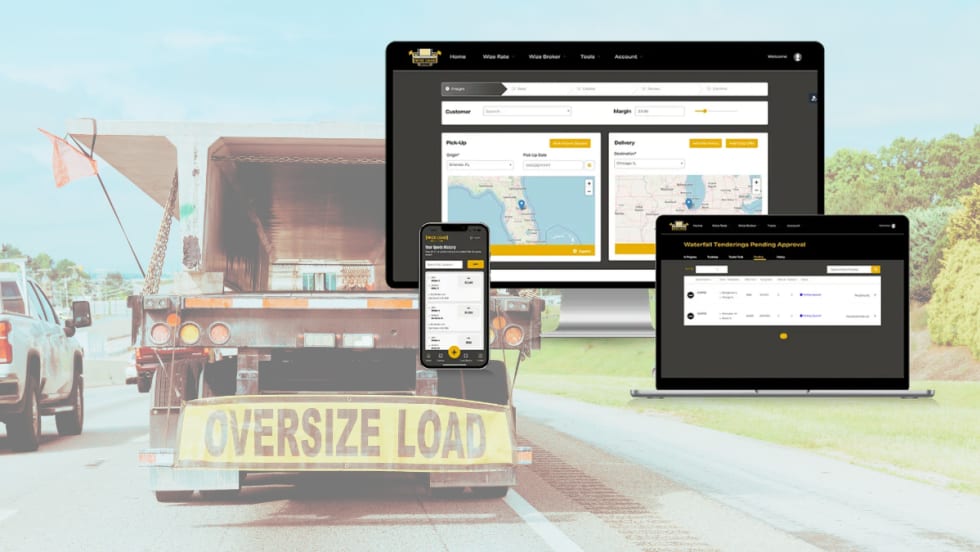
Truckstop.com Adding to Open Deck, Heavy Haul Offerings
Load matching for flatbed, lowbed, oversize and overweight loads can't be automated like basic van freight, but Truckstop.com is adding more high-tech tools to help.
Read More →
Trucker Path, Truckstop.com Expand Load Access Partnership
An expanded Trucker Path and Truckstop.com integration brings more freight opportunities into the TruckLoads app while emphasizing security and network quality.
Read More →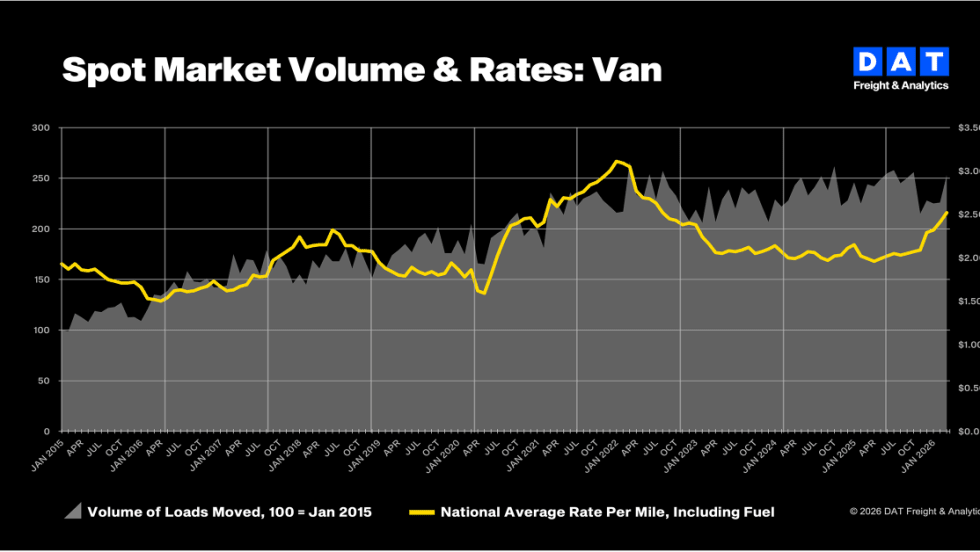
Truckload Rates Hit Two-Year Highs as Diesel Costs Surge, DAT Says
Strong March freight demand combined with a spike in fuel costs pushed both spot and contract truckload rates to their highest levels in more than two years.
Read More →
The AI Conversation You Need to Have with Your TMS Provider
Everyone’s talking about AI — but is your transportation management system actually built for it?
Read More →
Kriska Buys Fellow Canadian Carrier Sharp Transportation Systems
Being part of KTG will allow Sharp to expand and improve its services.
Read More →
Bill in House Would Raise Minimum Insurance for Motor Carriers to $5 Million
The Fair Compensation for Truck Crash Victims Act would increase insurance requirements for interstate motor carriers by nearly seven times.
Read More →
FTR Trucking Conditions Index Hits Four-Year High in February
Strong freight rates push TCI to 10.2, but FTR expects fuel-price volatility to skew March results.
Read More →
C.H. Robinson Offers Carriers Relief as Diesel Prices Surge
C.H. Robinson is waiving fees on fuel cards and cash advances for April and May, aiming to help carriers offset rising diesel costs tied to geopolitical instability.
Read More →