




A fatal accident caused by a truck driver starts a chain of events that are disruptive, dispiriting and hugely expensive.
But it doesn't have to be that way.
When attorney Jim Golden was working at Covenant Transportation Group, he found that the costs of settlements and legal fees in such accidents could add up to a substantial portion of the company's expenses, but just as bad was the process of dealing with them. The traditional "deny, delay and defend" approach could drain the life out of the legal department, steal irreplaceable time from key executives and threaten the reputation of the company.
He spent his time putting out fires rather than taking the initiative. "I was doing the urgent instead of the truly important," he wrote in a recent article.
"Meanwhile, the lack of contact with grieving families of people killed in accidents frustrated me," he wrote. "In litigation involving other companies, I saw families whose breadwinners had been seriously injured or killed suffer secondary harms while waiting years for the litigation to come to a conclusion. I did not want that to happen on my watch."
He had noticed that companies such as Schneider National were taking a more empathetic approach to meritorious claims. "Schneider was working with families and their counsel to work out a reasonable agreement as opposed to simply litigating regardless of merit," he said in an interview.
So he went to the senior team at Covenant and asked if he could do things in a different way.
"I wanted to go out and meet with families and their counsel early on. As I began to do that, I learned that the appropriate and the right thing to do was to express genuine and not feigned condolences, to treat the accident, which had brought a great tragedy to a family, with the dignity that such an event deserves."
In cases where the company is clearly at fault, the right approach often is to simply say so up front, Golden said. Tell the family that you are sorry for their loss and then see if there's some way to help immediately. The help could take the form of some financial assistance if the family is without means.
"Just do it and help them with their immediate needs so that those are not stacked on top of the grief they are struggling with."
Investigation Key
The first key here is the investigation. The trucking company needs the facts of an accident as quickly as they can possibly be gathered. Most trucking accidents do not involve liability for the truck, but some do and it is important to know what happened.
To get feet on the ground at the scene of an accident, the team at Covenant created an incident response center that is staffed around the clock, and established connections with attorneys and accident investigators who can get to the scene anywhere in the country at a moment's notice.
An early and in-depth evaluation of the accident, based on a thorough and prompt investigation, is critical. "I call it front-loading the investigation," Golden said. "I believe that is critical. There are too many times when companies make judgments based on an incomplete set of data based on speculation and group think - the 'police didn't issue a citation so it can't be our fault' kind of thinking."
A Negotiation Scenario
In an article published in the Harvard Negotiation Law Review, Golden described how negotiations might unfold following an investigation that discovers the truck driver was at fault in a fatal accident.
He said it is important for the company to have a two-track approach to claims. On the first track, the counsel directs the investigation, advises the company about the law and if negotiations fail, tries the case.
On the second track, the company can use its own attorney or hire a "negotiation counsel" to look for a reasonable settlement of the claim. This person contacts the funeral director to say that it is the company's practice to send a representative to the funeral to pay respects, if the family wishes. In the next step, the negotiation counsel contacts the family's attorney and offers a personal visit to apologize and offer no-strings financial assistance.
It is important for the counsel to understand the industry and be a skilled negotiator, but also to have the quality of empathy.
"Negotiation counsel asks the family if they want to convey anything to the company or simply describe how their lives have changed as a result of the accident, and thereafter he simply listens as the family speaks," Golden wrote.
The counsel gives the family a binder containing relevant information: the driver's file, maintenance records on the equipment, details about the accident. He explains that the company wishes to take financial responsibility for the accident and that it will agree to a reasonable financial settlement without unnecessary denials and delays.
Golden describes a variety of scenarios that could lead the discussions astray, but indicates that if the trucking company is sincere and committed to the process, chances are the negotiations will lead to successful mediation in a relatively short time.
In his example, he has the negotiation counsel devising a settlement offer, based on his understanding of the family and its needs, that includes a lump sum payment, a combination of tax advantaged annuities for education and retirement, and a memorial scholarship fund. The cost to his company is lower than it might be after a trial and the time, start to finish, is five months - compared to an average of 27 months to settlement under the old way of doing business.
If the negotiation counsel has done his job well, the family is less hostile than it might be after a confrontational approach. The settlements from such a process usually come at a lower cost to everyone, he says.
For Smaller Carriers
It is one thing for Covenant, which ranks among the 40 largest carriers in the country, to set up a 24-hour response center, and quite another for a mid-sized or small fleet. But Golden said smaller companies do have options.
"It is important to be proactive instead of reactive, to be ready for the storm before it hits," he said.
Start by finding good defense counsel and a separate negotiation counsel - before there's an accident, Golden advised. In the event of an accident, allow the defense counsel to do an in-depth and early evaluation and then to treat those findings very objectively, he said. If the company has someone who is trained and suited to negotiations of this type, then he should handle the role. If it doesn't, it can hire outside counsel who has authentic concern for the grieving family and the experience to negotiate a quick, reasonable settlement.
"And find an insurance company that gets it, that is not locked into the old 'deny, delay, defend' mode but is taking the approach that we really want to distinguish between meritorious claims and non-meritorious claims. Treat them differently, shorten the cycle times, do what's right and reap the discounts associated with early resolution."
Some insurance companies understand this process and do it well, Golden said. Others get it at the top level but do not execute well. And there's a third group that remains in the mode of 'deny, delay and defend' - "and end up wasting a great deal of time and money."
In his experience, Golden said, most businesses - not just trucking companies - still use the old approach. "Asked why, many say, 'We do it that way because we don't know how to do it any other way.' No one ever mentioned the possibility of a new way."
The Coming Thing
Golden, who is now with the transportation law firm of Scopelitis, Garvin, Light, Hanson & Feary, where he acts as negotiation counsel for many companies, said that the 'deny, delay and defend' approach should be a thing of the past. "It doesn't make any sense from a human or an economic stan
A Different Approach To Accident Litigation
A fatal accident caused by a truck driver starts a chain of events that are disruptive, dispiriting and hugely expensive

More Safety & Compliance

'Beyond Compliance,' Regulations, Driver Coaching on ATRI’s 2026 Research List
The American Transportation Research Institute will examine driver coaching, regulatory impacts — including the "Beyond Compliance" concept —and weather disruptions that shape trucking operations.
Read More →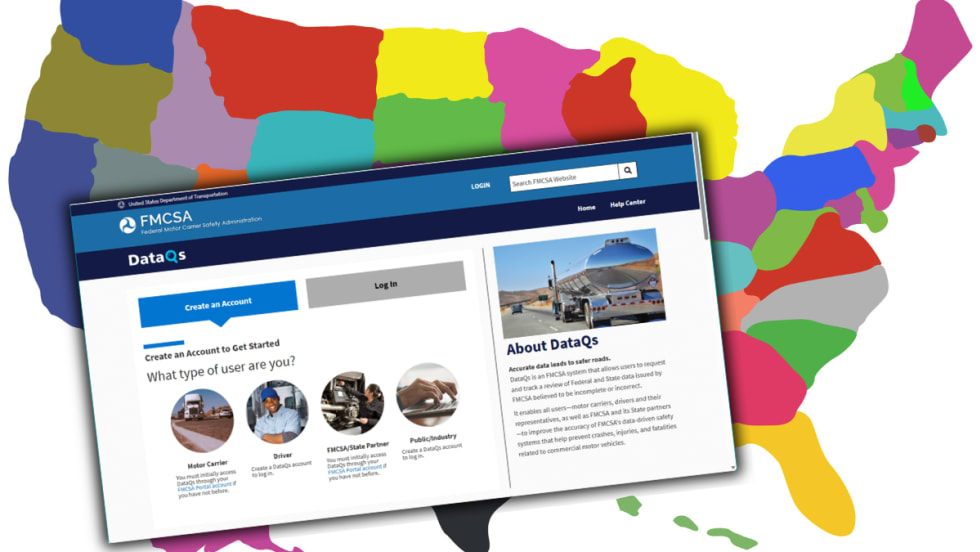
FMCSA Revamps DataQs to Improve Fairness, Speed of Reviews
New requirements add firm deadlines and independent review steps, addressing long-standing complaints about inconsistent rulings and slow response times.
Read More →
FMCSA Extends Paper Medical Card Exemption … Again
Five states still aren't ready to accept commercial driver medical exam information directly from the medical examiner's registry.
Read More →
HDT Honors the Best New Products of 2025 at TMC [Photos]
Heavy Duty Trucking's Top 20 Products awards recognize the best new products and technologies. Check out the award presentations at the 2026 Technology & Maintenance Council annual meeting.
Read More →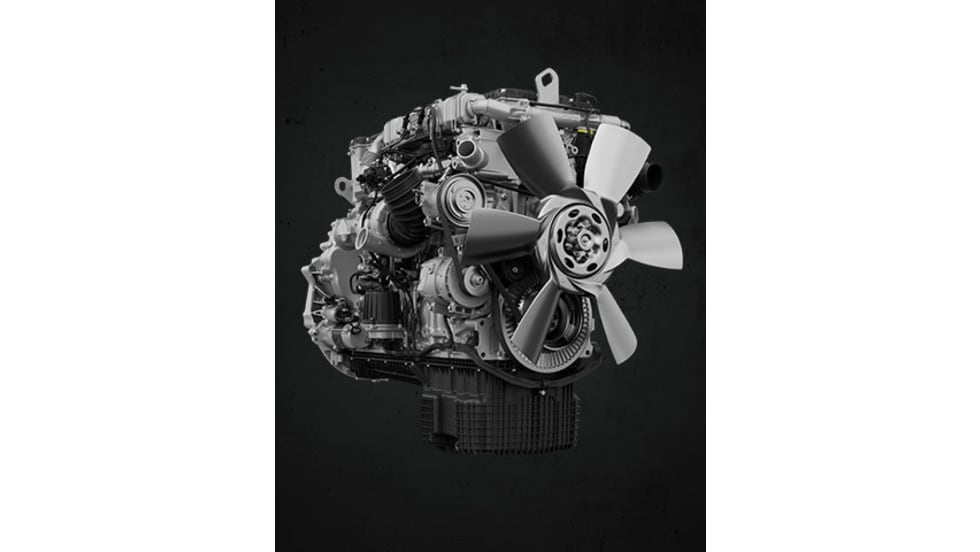
Detroit Engines: Trusted Performance, Built for What's Next
The Detroit® Gen 6 engine platform proves that real progress doesn’t require a complete redesign. Built on 20 years of trusted technology, these engines are designed for efficiency, stronger performance, and greater reliability than before. And they do it all while complying with 2027 EPA standards on every mile.
Read More →
Aperia Expands Halo Platform with Steer-Tire Inflation System, Fifth-Wheel Integration
Aperia Technologies introduced a new automatic tire inflation system for steer axles and a partnership with Fontaine Fifth Wheel to integrate coupling status into its Halo Connect platform.
Read More →
Fleetworthy and HAAS Alert Expand Partnership Stopped Truck Protection Alerts
Fleetworthy and HAAS Alert expanded their partnership to deliver real-time digital alerts that warn motorists when commercial trucks are stopped roadside and notify truck drivers when approaching emergency responders.
Read More →
New Entrants, Chameleon Carriers, and Safety: Is It Too Easy to Start a Trucking Company?
More than 100,000 new trucking companies enter the industry each year, but regulators manage to audit only a fraction of them. That churn creates opportunities for inexperienced startups — and for “chameleon carriers” that shut down after safety violations and reappear under new identities. Read more from Deborah Lockridge in this commentary.
Read More →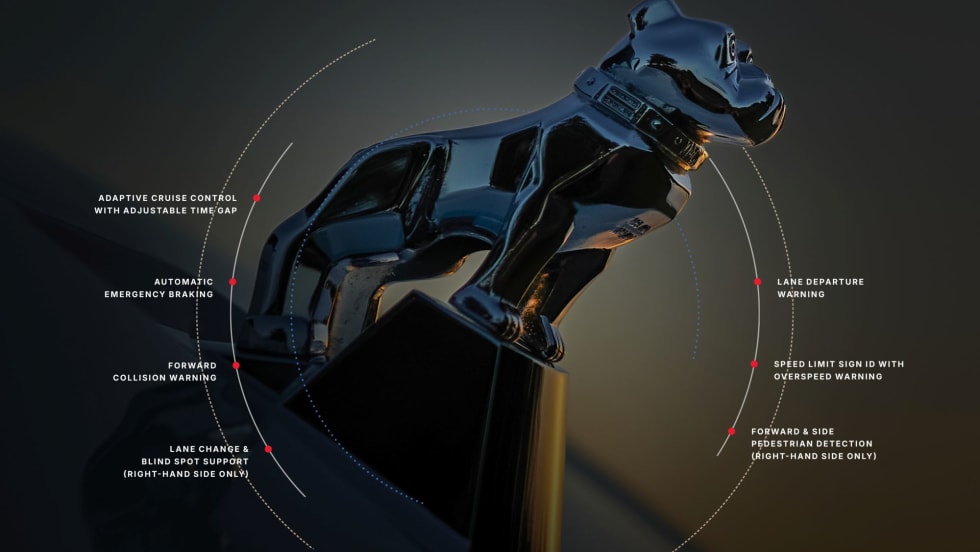
Mack Introduces Mack Protect Collision Mitigation System for MD Series
Mack Trucks has expanded its proprietary Mack Protect collision mitigation platform to the Mack MD Series, bringing heavy-duty safety technology to medium-duty trucks operating in urban and regional environments.
Read More →
Bison Transport, Mill Creek Motor Freight Win TCA Fleet Safety Awards Grand Prize
Two Canadian fleets earned the Grand Prize in the Truckload Carriers Association’s 2025 Fleet Safety Awards, recognizing the industry’s top safety performance based on accident frequency and safety programs.
Read More →