



A strategically timed front page feature in the Dec. 3 edition of the New York Times pointed a finger at the trucking industry, the Bush administration and the Republican-controlled Congress for causing unnecessary deaths on our highways.
 MENU
MENU SEARCH
Is the New York Times this prejudicial, or is it just naïve?

A strategically timed front page feature in the Dec. 3 edition of the New York Times pointed a finger at the trucking industry, the Bush administration and the Republican-controlled Congress for causing unnecessary deaths on our highways.
To say this piece is slanted would be an understatement. It could have been ghost-written by Joan Claybrook, head of Public Citizen. Both, as most people know, are harsh critics of the industry.
The story followed the standard truck-bashing formula: Start with a tragic truck-at-fault crash (this one involved the death of a 62-year-old woman and a rookie truck driver). Bring in the contention that it might not have happened if safety regulations were stronger. Then blame someone (guess who?) for not making them stronger.
In this case, the reporter said regulators have rejected stricter truck driver hours rules "after intense lobbying" by trucking, that the Bush administration has loosened safety standards, and that its actions have gone unchecked by Congress.
The reporter described trucking as "America's most treacherous industry, as measured by overall deaths and injuries from truck accidents." But he failed to present supporting data.
Adding insult to injury, the Times followed up a few days later with an editorial attacking trucks entitled "Making the Highways Less Safe."
Several trucking groups and individuals wrote the Times in rebuttal. American Trucking Associations President Bill Graves said: "The Times' fundamental premise that trucking rules have been 'eased' is wrong. The safety rules governing trucking were toughened and strengthened under the Bush administration, as they have been under Republicans and Democrats alike since economic deregulation in 1980."
ATA officials supplied the Times reporter, Stephen Labaton, with its safety agenda and goals, but none of them appeared in the story. Instead, Labaton wrote of ATA's power in the White House, insinuating that it has a chokehold on safety progress.
The paper also drew the ire of the Department of Transportation. "In their frenzy to find fault, the New York Times has cherry-picked data, rewritten history, and incorrectly reported the most basic facts," wrote Brian Turmail, DOT director of communications. "The New York Times needs to admit its errors and set the record straight."
We agree, but as of this writing, it hasn't. Don't hold your breath.
The story and editorial ran just as the courts were due to review truck driver hours of service rules. Considering that timing, and the writer's generous use of materials and claims from the anti-truck crowd, we wonder if this has become an agenda for the esteemed Times. Or maybe it was just a lousy job by a naïve reporter.
We truly hope it was the latter. The Times should be above publishing diatribes that facts don't support.
Item of interest: Late last month, Canada introduced its new hours of service rules. They are nearly identical to ours, and in the few instances where different, are less restrictive.
Do you suppose the Times will blame Bush, ATA and Republicans everywhere for that, too.
E-mail Deb Whistler at dwhistler@truckinginfo.com

The American Transportation Research Institute will examine driver coaching, regulatory impacts — including the "Beyond Compliance" concept —and weather disruptions that shape trucking operations.
Read More →
Fleet Advantage's Brian Antonellis says it's time for fleets to get back to the fundamentals of good maintenance practices. And that includes replacing older, inefficient equipment.
Read More →
Load matching for flatbed, lowbed, oversize and overweight loads can't be automated like basic van freight, but Truckstop.com is adding more high-tech tools to help.
Read More →
An expanded Trucker Path and Truckstop.com integration brings more freight opportunities into the TruckLoads app while emphasizing security and network quality.
Read More →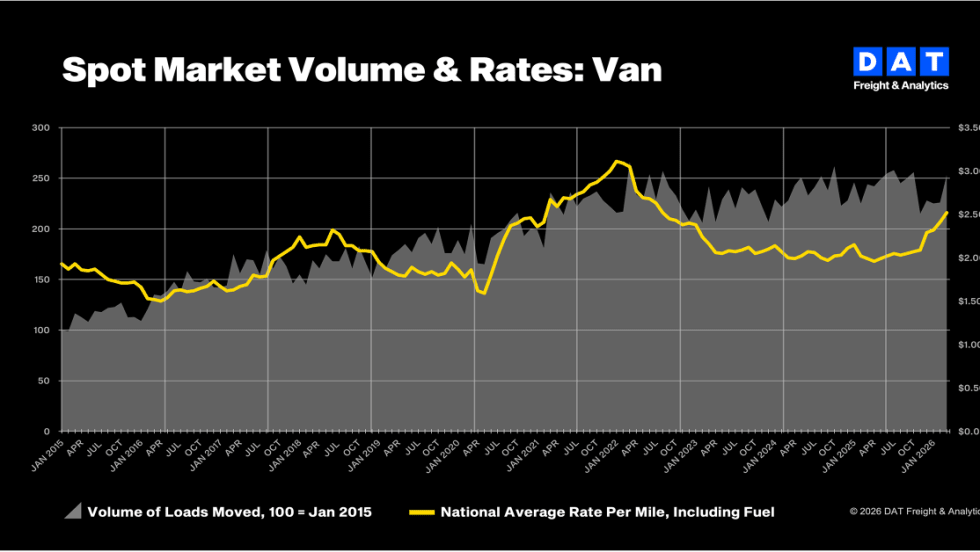
Strong March freight demand combined with a spike in fuel costs pushed both spot and contract truckload rates to their highest levels in more than two years.
Read More →
Everyone’s talking about AI — but is your transportation management system actually built for it?
Read More →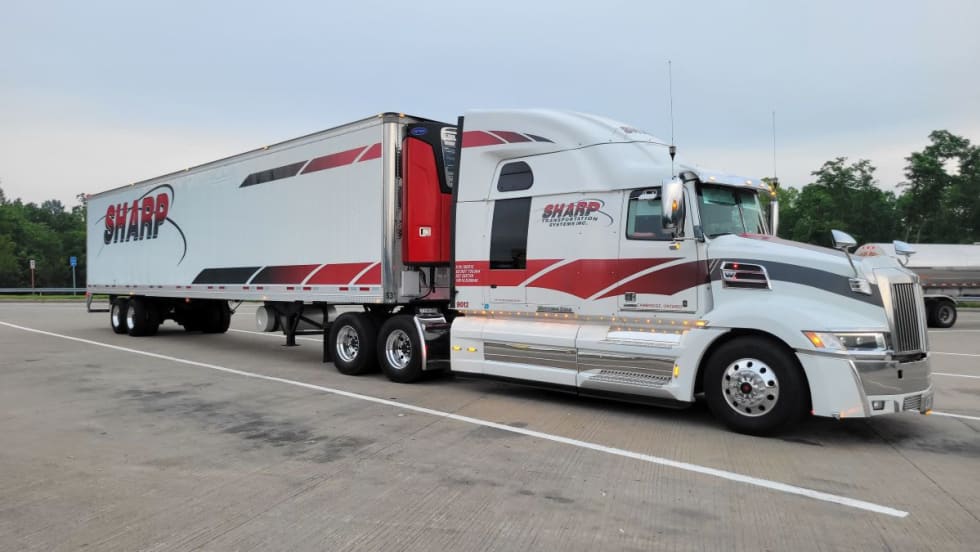
Being part of KTG will allow Sharp to expand and improve its services.
Read More →
The Fair Compensation for Truck Crash Victims Act would increase insurance requirements for interstate motor carriers by nearly seven times.
Read More →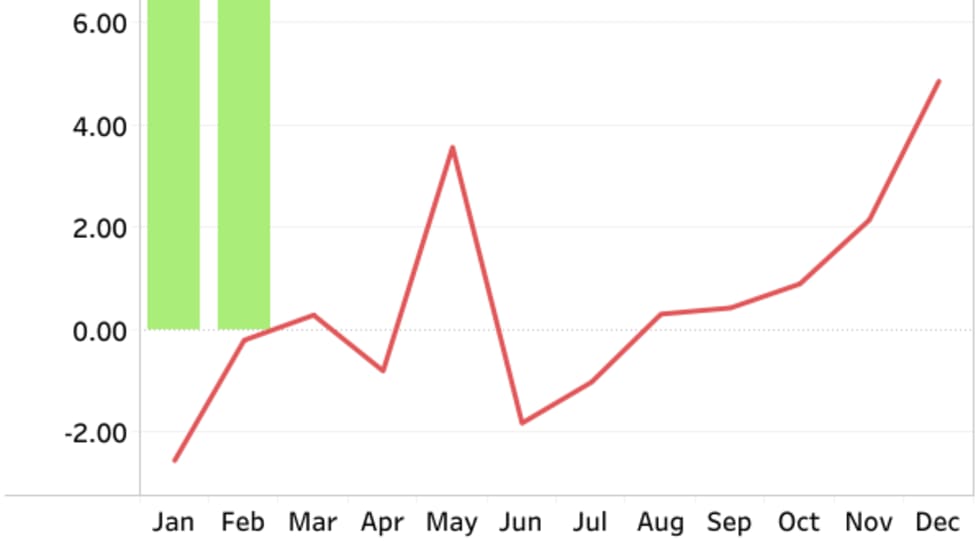
Strong freight rates push TCI to 10.2, but FTR expects fuel-price volatility to skew March results.
Read More →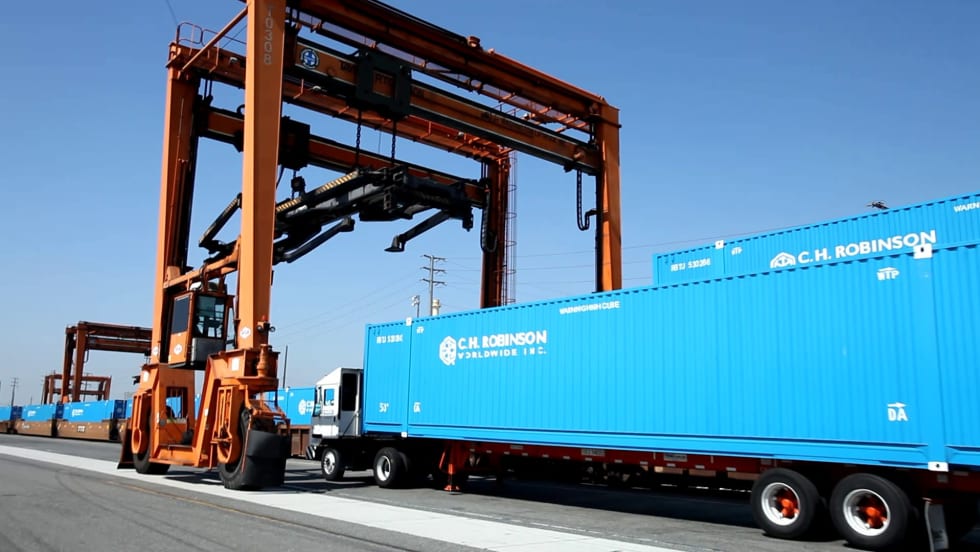
C.H. Robinson is waiving fees on fuel cards and cash advances for April and May, aiming to help carriers offset rising diesel costs tied to geopolitical instability.
Read More →