




To prepare for the Commercial Vehicle Safety Alliance's Brake Safety Week Sept. 9-15, Bendix Commercial Vehicle Systems recommends making sure you're familiar with CVSA inspection requirements and procedures.
Brake Safety Tips for Brake Safety Week
To prepare for the Commercial Vehicle Safety Alliance's Brake Safety Week Sept. 9-15, Bendix Commercial Vehicle Systems recommends making sure you're familiar with CVSA inspection requirements and procedures
by Staff
September 6, 2012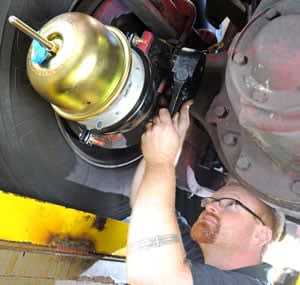
2 min to read
Brake Safety Week, also known as Operation Air Brake, targets six items for inspection:
1. driver's license
2. registration
3. low air warning device
4. pushrod travel (chamber stroke)
5. brake linings/drums, leaks/air loss rate, and tractor protection system.
"For Operation Air Brake, pre-trip brake inspections take on added importance," said Gary Ganaway, director of marketing and global customer solutions for Bendix Spicer Foundation Brake.
"We suggest that drivers test for leaks, examine brake shoes, and measure chamber stroke in accordance with Technology & Maintenance Council and industry standard practices."
To check for leaks, Bendix suggests a 90 to 100 psi brake application, followed by a walk-around inspection of the vehicle, while listening for audible leaks. The CVSA inspection will also test the vehicle's low air pressure warning device, and, if a leak is detected, measure the air loss rate.
Brake shoes should be examined for cracks and checked to ensure they meet the minimum lining thickness standards.
To measure the chamber stroke on each wheel-end, Bendix typically recommends checking the distance from the chamber to the pin with the brakes released, and again after a fully charged brake application. Drivers can incur fines if the difference between the two measurements - the chamber stroke - is outside allowable limits on 25% of a truck's wheel-ends.
For foundation drum brakes, fleets should follow the manufacturer's instructions regarding the adjustment of slack adjusters.
In conducting general wheel-end inspections, Bendix emphasizes close attention to the rubber boots on brakes, where cracks or tears could allow moisture to get inside.
As safety requirements evolve and commercial vehicles continue to advance technologically, regularly scheduled preventive maintenance, along with continued driver and technician training, will become even more vital to the industry.
"Proper brake adjustment and maintenance are more important than ever to commercial vehicle and roadway safety - especially with the first phase of new Reduced Stopping Distance requirements implemented in 2011, and the second phase set to take effect in 2013," Ganaway said.
Subscribe to Our Newsletter
More Safety & Compliance

'Beyond Compliance,' Regulations, Driver Coaching on ATRI’s 2026 Research List
The American Transportation Research Institute will examine driver coaching, regulatory impacts — including the "Beyond Compliance" concept —and weather disruptions that shape trucking operations.
Read More →
FMCSA Revamps DataQs to Improve Fairness, Speed of Reviews
New requirements add firm deadlines and independent review steps, addressing long-standing complaints about inconsistent rulings and slow response times.
Read More →
FMCSA Extends Paper Medical Card Exemption … Again
Five states still aren't ready to accept commercial driver medical exam information directly from the medical examiner's registry.
Read More →
HDT Honors the Best New Products of 2025 at TMC [Photos]
Heavy Duty Trucking's Top 20 Products awards recognize the best new products and technologies. Check out the award presentations at the 2026 Technology & Maintenance Council annual meeting.
Read More →
Sponsored•March 31, 2026
Detroit Engines: Trusted Performance, Built for What's Next
The Detroit® Gen 6 engine platform proves that real progress doesn’t require a complete redesign. Built on 20 years of trusted technology, these engines are designed for efficiency, stronger performance, and greater reliability than before. And they do it all while complying with 2027 EPA standards on every mile.
Read More →
Aperia Expands Halo Platform with Steer-Tire Inflation System, Fifth-Wheel Integration
Aperia Technologies introduced a new automatic tire inflation system for steer axles and a partnership with Fontaine Fifth Wheel to integrate coupling status into its Halo Connect platform.
Read More →
Fleetworthy and HAAS Alert Expand Partnership Stopped Truck Protection Alerts
Fleetworthy and HAAS Alert expanded their partnership to deliver real-time digital alerts that warn motorists when commercial trucks are stopped roadside and notify truck drivers when approaching emergency responders.
Read More →
New Entrants, Chameleon Carriers, and Safety: Is It Too Easy to Start a Trucking Company?
More than 100,000 new trucking companies enter the industry each year, but regulators manage to audit only a fraction of them. That churn creates opportunities for inexperienced startups — and for “chameleon carriers” that shut down after safety violations and reappear under new identities. Read more from Deborah Lockridge in this commentary.
Read More →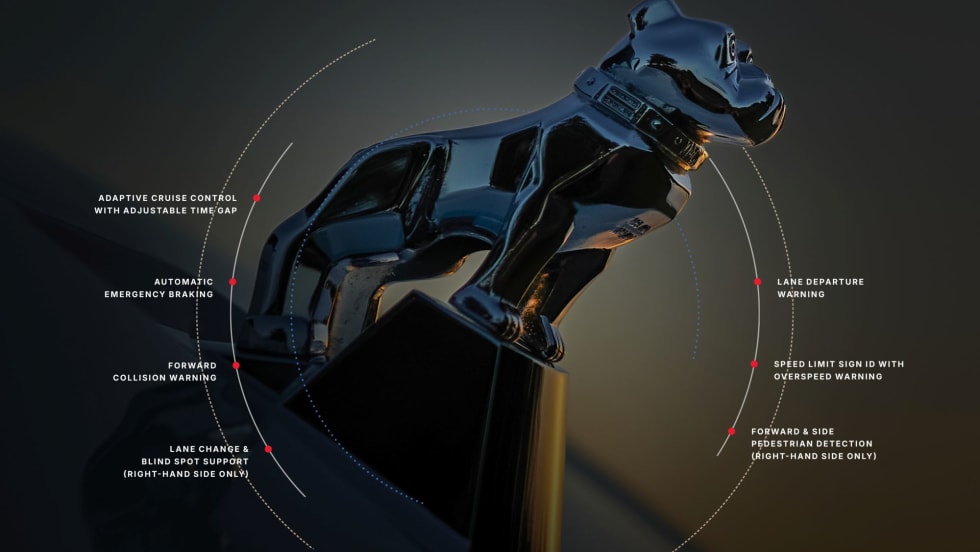
Mack Introduces Mack Protect Collision Mitigation System for MD Series
Mack Trucks has expanded its proprietary Mack Protect collision mitigation platform to the Mack MD Series, bringing heavy-duty safety technology to medium-duty trucks operating in urban and regional environments.
Read More →
Bison Transport, Mill Creek Motor Freight Win TCA Fleet Safety Awards Grand Prize
Two Canadian fleets earned the Grand Prize in the Truckload Carriers Association’s 2025 Fleet Safety Awards, recognizing the industry’s top safety performance based on accident frequency and safety programs.
Read More →