




When a truck has battery issues, fleets normally replace all the batteries so that truck can get back on the road.
Once the batteries are replaced and the charging and cranking systems tested, the vehicle can get back on the road and, most importantly, continue to generate revenue.
But what happens to the removed batteries? Generally only one of the batteries in the pack is bad; the rest are likely discharged due to the bad battery. Recharging these batteries and putting them back into service is a huge savings to fleets as it helps them maximize their return on investment in these batteries.
A critical part of a successful battery program involves setting up a "battery room." Below are some of the important elements to the battery room:
- Staging area: All removed batteries are placed on a pallet that is marked "To be Charged."
- Battery charging area: An area that is designed to be safe and operated by a single technician. This area is equipped with smart chargers that do not require constant labor.
- Battery test area: This should be close to the test area to maximize efficiency.
- Extended wait area: Once the batteries are tested they should sit an additional two days then be re-tested to ensure they are good enough to be put back into service.
- Clearly marked pallets so the batteries can be segregated once they have completed the testing process: Good batteries, ready to be put back into service; Cores/Scrap batteries that are out of warranty; Dead batteries that are within the warranty period that should be returned for warranty credit.
Information courtesy Purkeys Fleet Electric, which offers electrical system audits.
Building a Successful Battery Re-charging Program
When a truck has battery issues, fleets normally replace all the batteries so that truck can get back on the road
More Maintenance
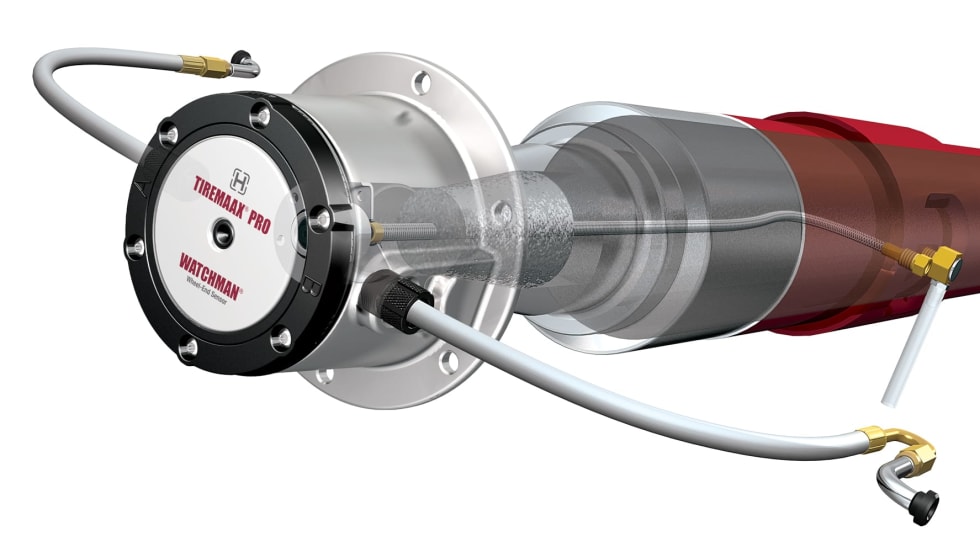
Hendrickson Unveils Watchman Smart Wheel-End System at TMC
Hendrickson’s new sensor platform integrates with its TireMaax system to deliver real-time tire and wheel-end insights, targeting uptime and cost savings.
Read More →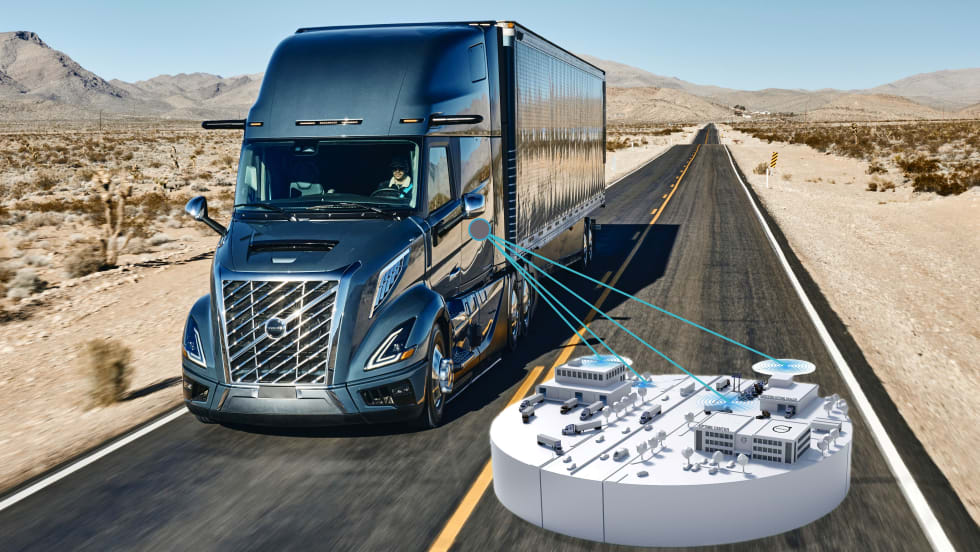
Over-the-Air Updates and the Modern Powertrain Explained
Over-the-air updates are moving beyond recalls, and expanding how fleets manage performance, compliance, and uptime.
Read More →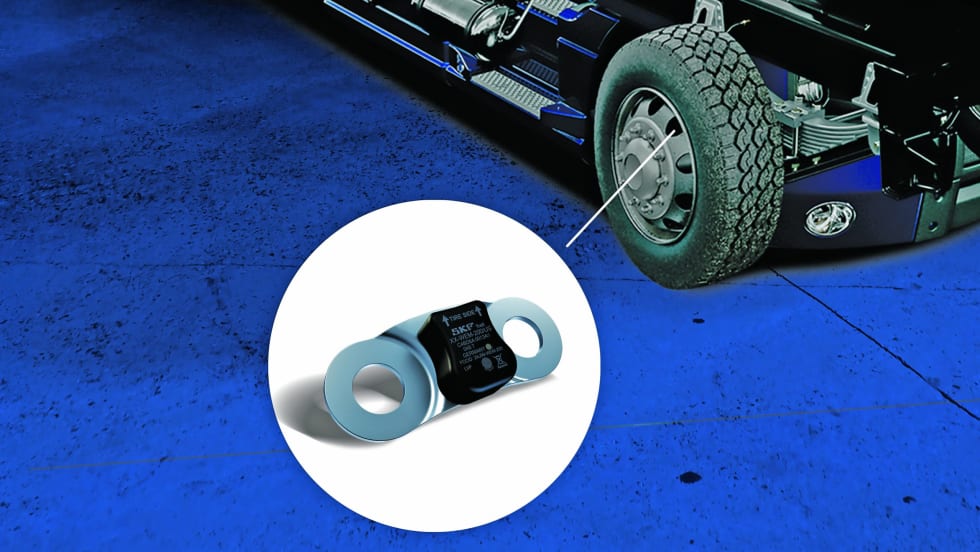
SKF, TMC Expand Hands-On Training to Boost Technician Skills at Annual Meeting
A new partnership between SFK and TMC brings certified, on-site instruction focused on wheel-end reliability and maintenance best practices.
Read More →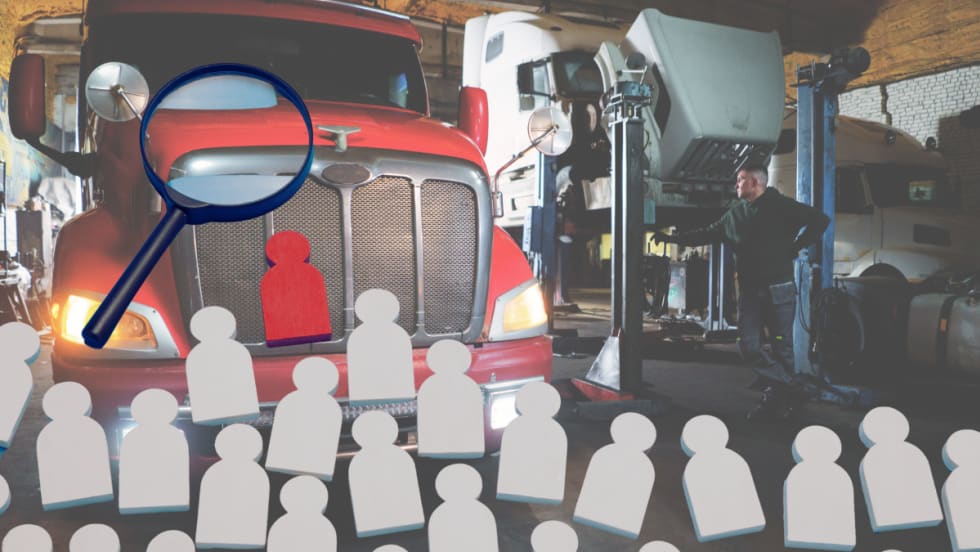
Why Higher Pay Isn’t Fixing the Heavy-Duty Technician Shortage
Hiring heavy-duty truck technicians has become a bidding war, but shops that focus on culture, training, and career paths are gaining an edge. That's the takeaway from a TMC panel discussion.
Read More →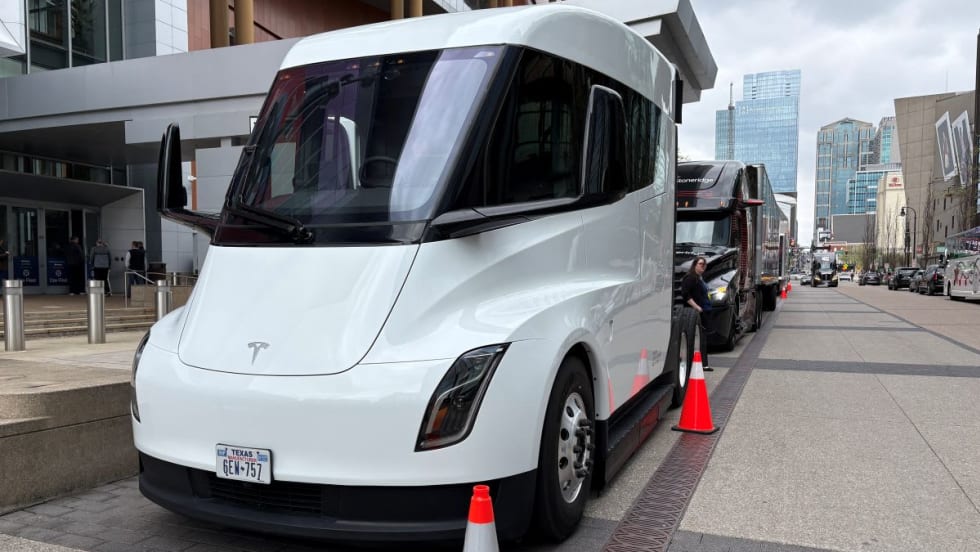
Technology & Maintenance Council 2026 Annual Meeting [Photos]
Couldn't make it to Nashville for TMC's 2026 annual meeting? Check out these images.
Read More →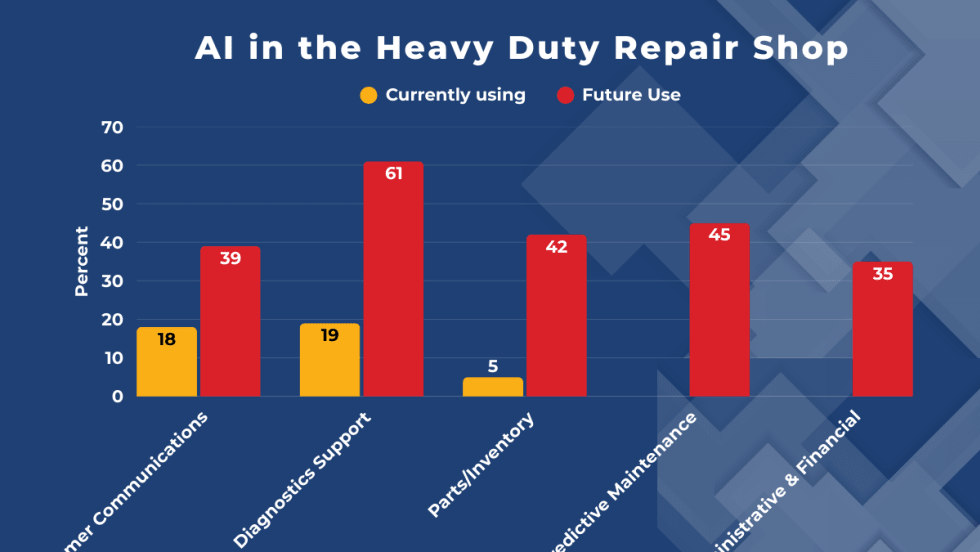
Fullbay Report: Heavy-Duty Shop Revenue Up, Rates Rising, but Shops Still Short on Techs
Strong growth across the heavy-duty repair sector is being tempered by workforce shortages and an aging technician pipeline.
Read More →
How Mack Sees the Next Era of Fleet Intelligence
Telematics has evolved from simple vehicle tracking into a connected service platform that can help fleets boost uptime, improve specifications, and move toward predictive maintenance. Mack executives say AI is now giving fleets a way to turn all that vehicle data into faster, smarter decisions.
Read More →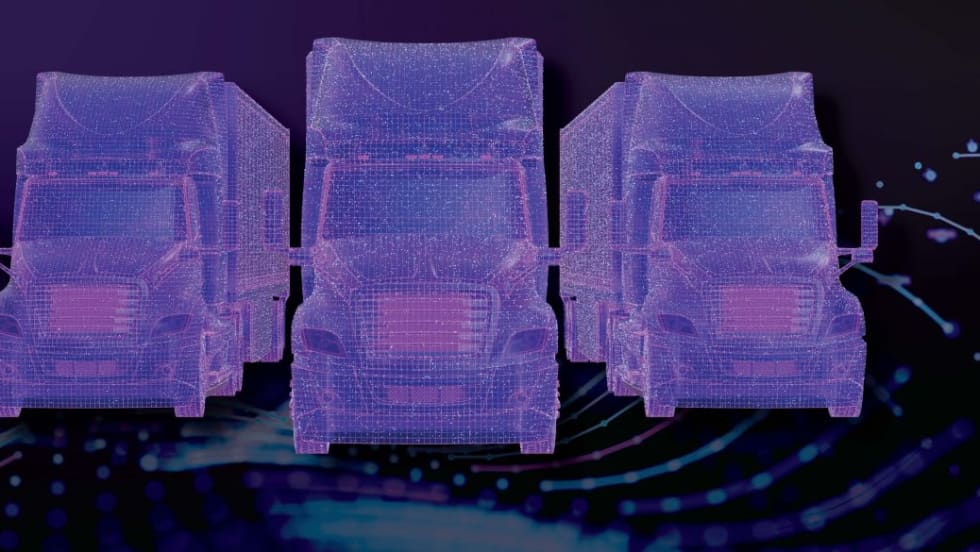
Clarios Expands Battery Monitoring Into Subscription Service with Battery Manager Pro
A new battery-monitoring-as-a-service program from Clarios Connected Services uses predictive analytics and automatic replacement to reduce downtime and smooth fleet maintenance costs.
Read More →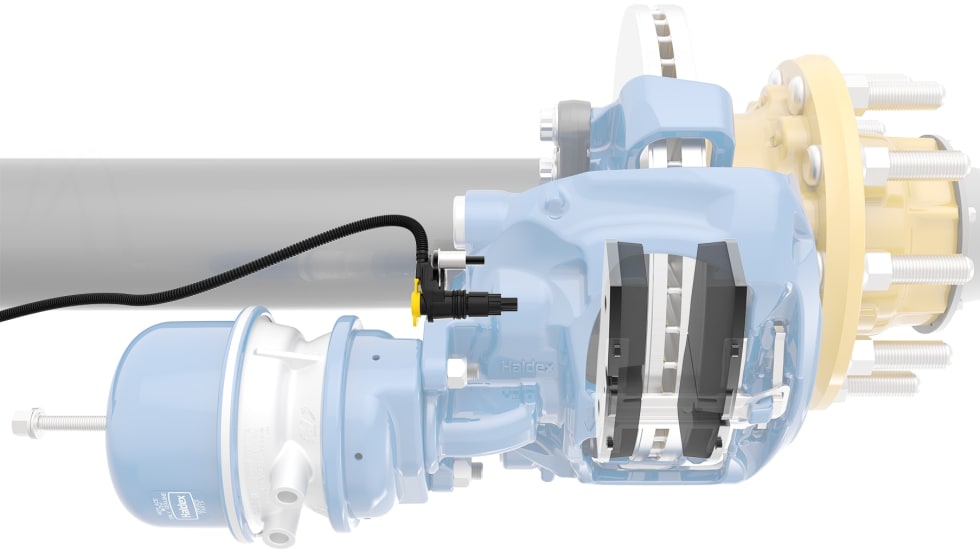
SAF-Holland’s BrakeSight Aims to Take the Guesswork Out of Air Disc Brake Maintenance
New Haldex sensor technology from SAF-Holland integrates with telematics systems to give fleets continuous insight into air disc brake condition.
Read More →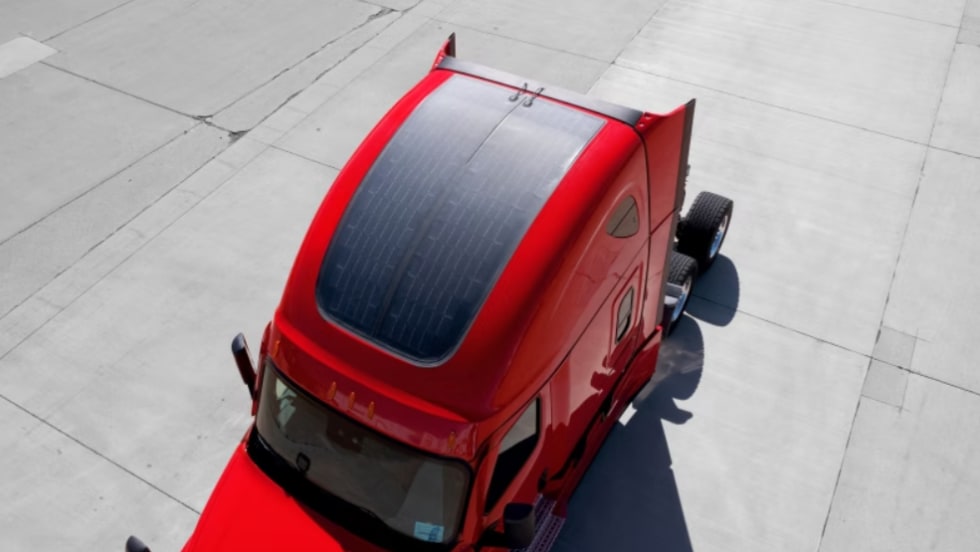
Vanair Introduces Solar, Battery Power Ecosystem for Class 8 Trucks
The company’s expanded EPEQ ecosystem includes flexible solar panels, lithium batteries, hydraulic power systems, and a portable fast charger for electric trucks.
Read More →