




Combine a truck crash, a celebrity, and an election year, and what do you get? An hours-of-service rules feeding frenzy on Capitol Hill and in the media.
 MENU
MENU SEARCH
Combine a truck crash, a celebrity, and an election year, and what do you get? An HOS rules feeding frenzy on Capitol Hill and in the media.

Combine a truck crash, a celebrity, and an election year, and what do you get? An hours-of-service rules feeding frenzy on Capitol Hill and in the media.
Our celebrity-driven culture means that the tragic accident that critically injured comedian Tracy Morgan has resulted in a sharp spotlight on trucking safety, with all sorts of people who don’t understand a thing about our industry, or the rules that govern it, chiming in.
The Saturday Night Live and 30 Rock veteran was critically injured, and a fellow comedian was killed, when Kevin Roper, a truck driver for Walmart, crashed his rig into their Mercedes-Benz limousine, triggering a six-car pileup on the New Jersey Turnpike. Although he swerved at the last minute, there were no skid marks, and he was traveling above the speed limit.
According to a criminal complaint, Roper had not slept in more than 24 hours.
In a case of really unfortunate timing, the week before the crash, the Senate Appropriations Committee had voted to suspend the current 34-hour restart provision of the HOS rules while the Federal Motor Carrier Safety Administration studies the impact of the rule.
Editorials characterized the move as a “gutting” of safety regulations, a “rollback,” and “undermining” federal regulations requiring drivers to rest. Some articles made it sound as if the move would completely remove ANY hours of service regulations.
Sen. Charles Schumer, D-NY, urged the federal Department of Transportation to force commercial drivers to use electronic logging devices to more accurately track the number of hours they are on the road.
Yet Roper had electronic logs!
Anne Ferro, FMCSA Administrator, hasn’t helped the misconceptions. In an article posted on the DOT website, “Congress Shouldn’t Roll Back Safety; the Steps We’ve Taken Keep Tired Truckers off the Road,” she uses the term, “suspending the current Hours-of-Service safety rules,” and cites numerous tragic accidents without any proof that the newest version of the rules would have actually changed anything.
Overlooked in all this is whether the HOS rules actually had anything to do with the crash.
We don’t have a lot of details about what the police found to indicate the driver was awake for 24 hours before the crash, but at this point, it appears that he was technically within the rules.
Walmart said after the crash it believed Roper was within the HOS regulations, and, in fact, the National Transportation Safety Board’s initial report said the driver’s electronic logs appeared to confirm that, although he was about 30 minutes from the end of his allowed 14-hour day.
That’s right. Roper may actually have been operating within those new regulations that everyone is complaining about being potentially “rolled back.”
The HOS rules, whether you’re talking the current rules, the previous rules, or the rules the American Trucking Associations has been trying to get adopted, can only limit driving and on-duty time and require that between work periods drivers take a minimum number of hours off-duty. But they do not, and cannot, control what drivers do during that off-duty period.
At this writing, we don’t know the details. Maybe Roper had insomnia and couldn’t sleep during his required rest period. It’s been said he had a long commute to actually get to work. Or maybe he was up all night dealing with some crisis at home.
We just don’t know at this point. Neither does attorney Joan Claybrook, the USA Today editorial board, or the many pundits who have weighed in.
One thing is for certain: Those in the industry pushing for some relief from the new 34-hour restart rules are going to have a lot harder time making any headway on Capitol Hill.

The American Transportation Research Institute will examine driver coaching, regulatory impacts — including the "Beyond Compliance" concept —and weather disruptions that shape trucking operations.
Read More →
Fleet Advantage's Brian Antonellis says it's time for fleets to get back to the fundamentals of good maintenance practices. And that includes replacing older, inefficient equipment.
Read More →
Load matching for flatbed, lowbed, oversize and overweight loads can't be automated like basic van freight, but Truckstop.com is adding more high-tech tools to help.
Read More →
An expanded Trucker Path and Truckstop.com integration brings more freight opportunities into the TruckLoads app while emphasizing security and network quality.
Read More →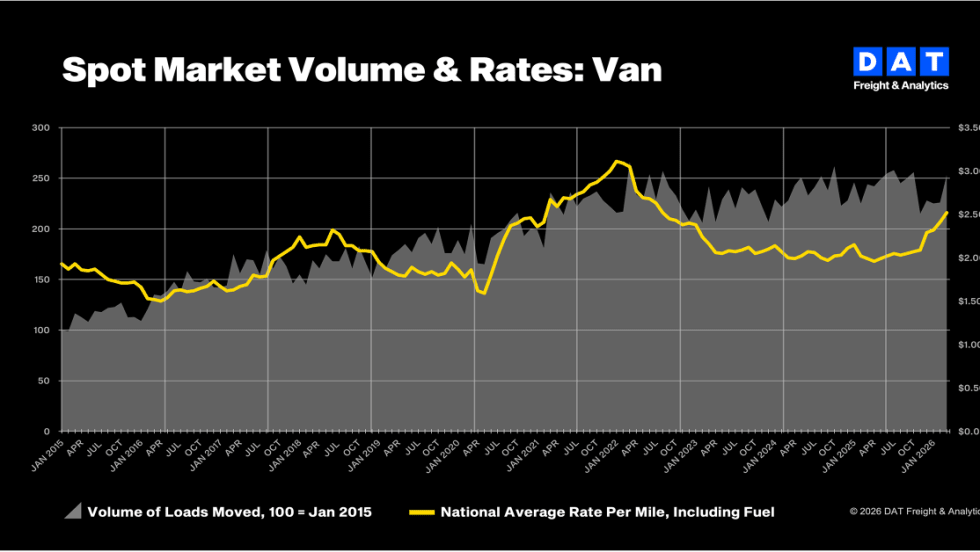
Strong March freight demand combined with a spike in fuel costs pushed both spot and contract truckload rates to their highest levels in more than two years.
Read More →
Everyone’s talking about AI — but is your transportation management system actually built for it?
Read More →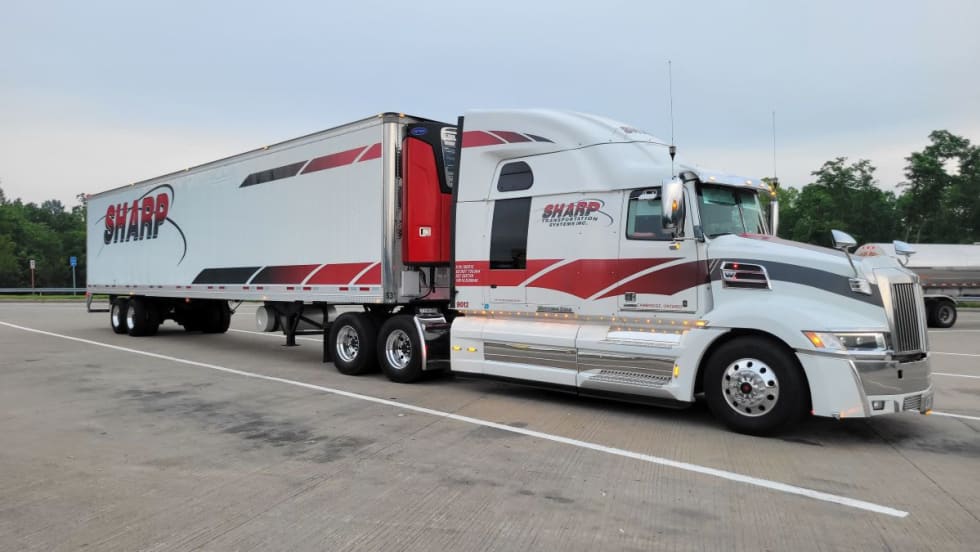
Being part of KTG will allow Sharp to expand and improve its services.
Read More →
The Fair Compensation for Truck Crash Victims Act would increase insurance requirements for interstate motor carriers by nearly seven times.
Read More →
Strong freight rates push TCI to 10.2, but FTR expects fuel-price volatility to skew March results.
Read More →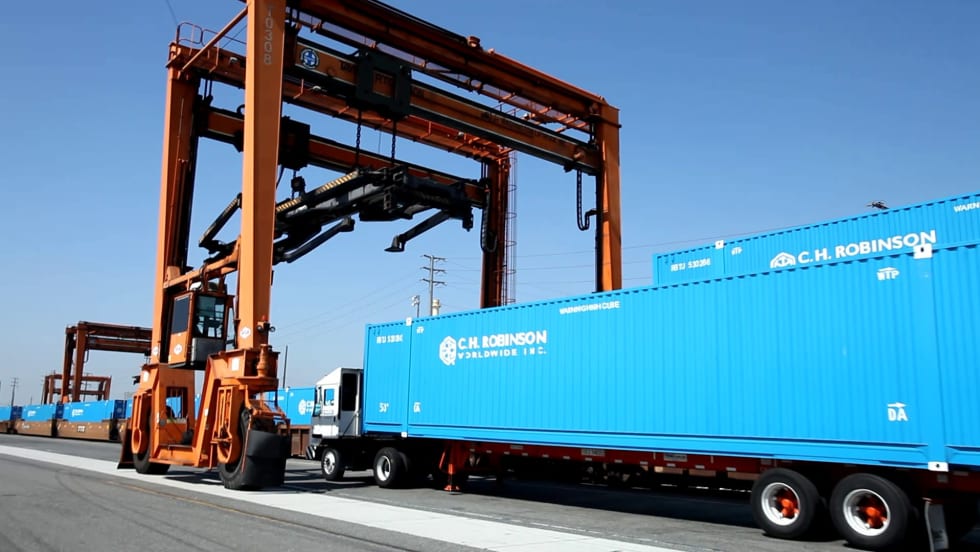
C.H. Robinson is waiving fees on fuel cards and cash advances for April and May, aiming to help carriers offset rising diesel costs tied to geopolitical instability.
Read More →