




Heavy Duty Trucking Logo
MenuMENU
SearchSEARCH

Commentary: Promising Waste-Recovery Tech from Formula One

The pinnacle of automotive engineering, and easily its most expensive pursuit, is to be seen in the sometimes crazy world of Formula One racing. Rolf Lockwood says the most interesting thing about the new engine formula is waste-energy recovery.

by Rolf Lockwood, Executive Contributing Editor
December 4, 2014
Commentary: Promising Waste-Recovery Tech from Formula One

Photo: Mercedes-Benz

3 min to read


Photo: Mercedes-Benz

The pinnacle of automotive engineering, and easily its most expensive pursuit, is to be seen in the sometimes crazy world of Formula One racing. The 2014 season just concluded, and it was no exception to that "crazy" rule. Mercedes-Benz took the title, its drivers finishing one-two, winning 15 of the year's 18 races. Total dominance like never before.

In most eyes, the other newsworthy aspect of the season was the rigidly regulated engine formula, which left the previous 2.4-liter V-8 behind in favor of a tiny 1.6-liter V-6. Gone was the screaming of 18,000 rpm, in came the oddly low rumble of 12,000 rpm. Fans -- and many drivers -- hated it. Too quiet, they said.

Yet the new engine is a technological marvel, a turbocharged gas/electric hybrid that will be used again in 2015. F1 engines have actually been hybrids of a sort since 2009 when they added the KERS system -- 'kinetic energy recovery system' -- that harvested braking energy, stored it in batteries, and gave some 82 hp back to the driver at the touch of a button. But only for 6.6 seconds per lap. The new engine essentially doubles that gift of power and makes it available for five times longer.

With 160 horses added to the 600 already made by the little V-6, today's F1 cars easily hit speeds of 300 km/h. Yet they use just over half as much fuel as they did last year. Remarkable by any standard.

THE MOST INTERESTING THING about these new engines is that there are now two points of waste-energy recovery by way of two "motor generator units" (MGU). There's the MGU-K, which recovers energy from braking, and the MGU-H that recovers energy from the exhaust via the turbo.

Specifically, the MGU-H grabs power from the turbocharger’s spinning shaft, turning it into a generator and converting heat from the exhaust gases into power that's either used immediately to propel the car or it’s stored for future use. Essentially it replaces a wastegate, which would dump excess exhaust.

Remarkably, the MGU-H also runs in reverse and thus controls and boosts the speed of the turbocharger, which compensates for turbo lag. There's no waiting for the turbo to spool up. In essence, the turbo turns itself into a supercharger for a very brief moment until the exhaust power takes charge again.

And the coolest thing about this is that we're bound to see it in cars and hopefully trucks before long, because it does what hybrids haven't yet been able to do -- recover waste energy while cruising. No longer dependent solely on braking as a power source, the hybrid package becomes far more useful. And promising.


Ad Loading...

Rolf Lockwood is vice president of editorial and editor in chief for the award-winning Canadian trucking magazine Today's Trucking. This is excerpted from his biweekly e-mail newsletter, "The Lockwood Report." You can subscribe here.

Subscribe to Our Newsletter

More Fuel Smarts

Range Energy eTrailer.
Fuel Smartsby News/Media ReleaseApril 17, 2026

Range Energy Confirms eTrailer Performance in Winter Testing as Commercial Rollout Nears

Range Energy said its production-ready eTrailer system proved it can boost stability, safety, and efficiency in sub-zero winter conditions as the company moves toward scaled deployment.

Read More →
Circles with trucks demonstrating sustainable features and Top Green Fleets logo
Fuel Smartsby Deborah LockridgeApril 16, 2026

Top Green Fleets of 2026: Nomination Deadline Extended

Is your company a leader in sustainability efforts among trucking fleets? If so, Heavy Duty Trucking's editors want to hear from you.

Read More →
Youtube thumbnail featuring man in Big-Lebowski-inspired sweater
Equipmentby Deborah LockridgeApril 13, 2026

New Lightweight Wheel Cover Targets Simpler Aero Gains [Watch]

Watch to learn how Deflecktor's new wheel cover design is taking a simpler approach to aerodynamics, with an eye toward making it more practical for both trucks and trailers.

Read More →
Ad Loading...
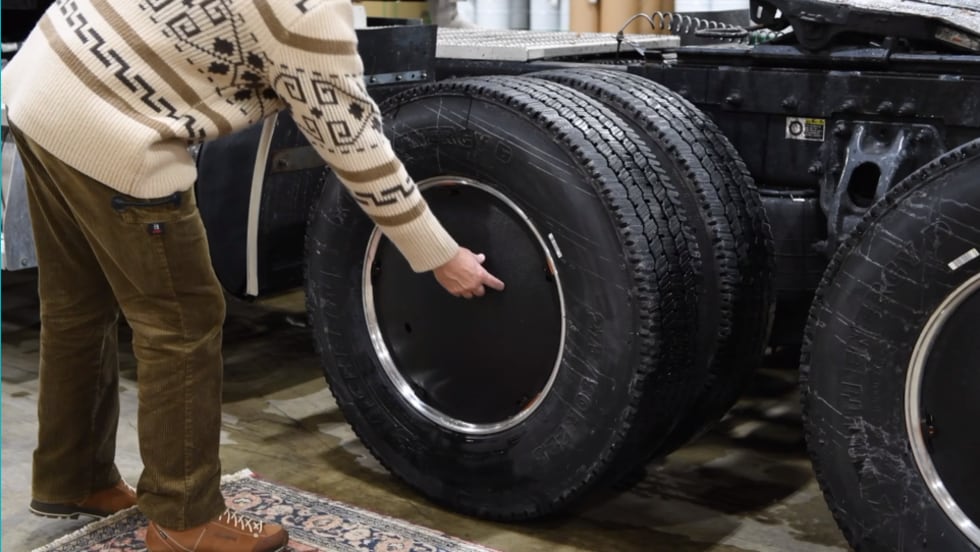
Dual truck tires with black aerodynamic wheel cover and a man bending down getting ready to take one off
Fuel Smartsby Deborah LockridgeApril 10, 2026

Deflecktor: Hubbub Aerodynamic Wheel Cover Cost-Effective Even for Trailers

Aerodynamic wheel covers can deliver small but meaningful fuel-economy gains for fleets, and Deflecktor says its latest design aims to make the technology easier and more affordable to deploy.

Read More →
Podcast thumbnail saying "How to Save on Fuel Costs" with diesel pump in the background and photo of the woman guest
Fuel SmartsApril 9, 2026

Cutting Fleet Fuel Costs in a Volatile Market [Listen]

When diesel prices are as volatile as they've been in 2026, it makes it tough for trucking fleets to plan and control costs. Breakthrough Fuel's Jenny Vander Zanden has insights on near-term savings strategies.

Read More →
YouTube thumbnail saying "How to Save on Fuel Costs" with woman's photo and a photo of a diesel price pump
Fuel Smartsby Deborah LockridgeApril 9, 2026

Diesel Price Swings Aren’t Over. What Can Your Fleet Do?

Practical steps fleets can take to manage fuel costs, from purchasing strategies to driver behavior.

Read More →
Ad Loading...
Illustration with oil wells, dollar bills, and a diesel fuel pump
Fuel Smartsby Deborah LockridgeApril 7, 2026

Diesel Prices Surge Toward Record Highs as Oil Price Volatility Intensifies

Prices jumped another 24 cents in a week, with California topping $7.50 and new data showing fleet fuel costs may already be at record levels.

Read More →
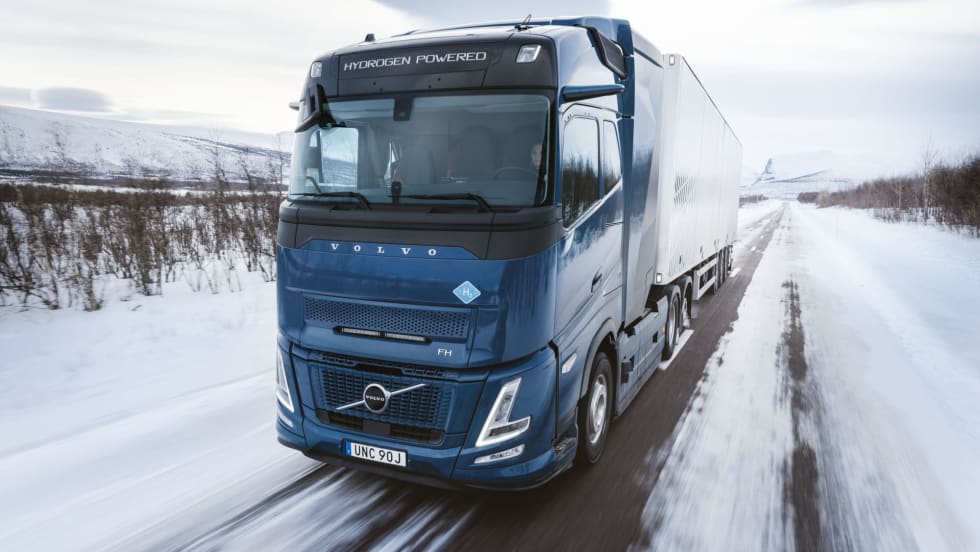
Blue Volvo European cabover truck on snowy road
Fuel Smartsby News/Media ReleaseApril 1, 2026

Volvo Testing Hydrogen-Fueled Internal Combustion Engines on Trucks in Europe

Hydrogen combustion engine trucks will be especially suitable over longer distances and in regions where there is limited charging infrastructure or time for recharging of battery-electric trucks, according to the company.

Read More →
Three CEOs pose displaying binders with memorandum of understanding
Fuel Smartsby Deborah LockridgeApril 1, 2026

Toyota’s Entry Into Cellcentric Signals Push to Accelerate Hydrogen Truck Adoption

By joining Daimler Truck and Volvo, Toyota brings fuel cell expertise to a joint effort aimed at making hydrogen viable for heavy-duty transport.

Read More →
Ad Loading...
Illustration with oil wells, dollar bills, and a diesel fuel pump
Fuel Smartsby Deborah LockridgeMarch 31, 2026

U.S. Diesel Prices Hit $5.40, Top $7 in California

Trucking operators are slowing speeds, cutting empty miles, and declining unprofitable freight as diesel costs continue to rise due to conflict in the Middle East.

Read More →