





Did you know that when you’re doing an engine overhaul, you also should take the time to tune up the engine brake?
Don’t Overlook Engine Brake Maintenance
Did you know that when you’re doing an engine overhaul, you also should take the time to tune up the engine brake?
July 6, 2022
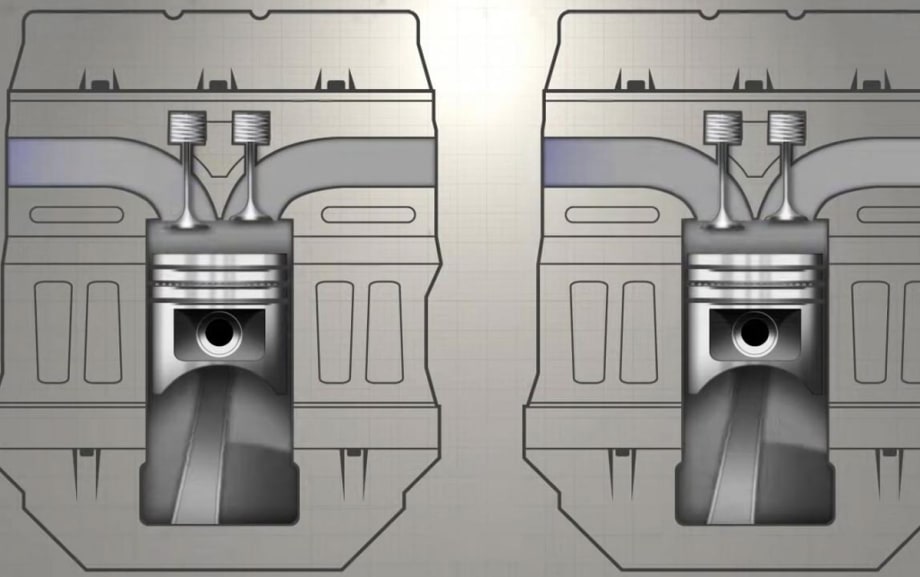
Replacing internal engine brake components, such as springs and seals, can return performance to original levels, says Kyle Lazzaro, business manager of Jacobs Vehicle Systems.
Graphic: Jacobs Vehicle Systems
3 min to read
Too often, the fleet or repair shop gets wrapped up in the engine overhaul and does not think about the engine brake. However, according to Kyle Lazzaro, business manager of Jacobs Vehicle Systems, the engine brake is a wearable item.
“Engine brake performance can degrade over time,” Lazzaro says. “Therefore, replacing internal engine brake components, such as springs and seals, can return performance to original levels.”
Failure to tune up the engine brake ultimately is going to affect its performance.
“An engine brake tune-up will improve the overall drivability of the vehicle,” says Dave Pearman, Jacobs service accounts manager.
By increasing the performance of the engine brake, you will extend the life of the service brakes, Lazzaro says.
“The tune-up also could improve the reaction time or turn-on time of the engine brake,” he says.
When you replace the seals for the solenoid or improve some of the linkage within the unit, he explains, it speeds up the engine brake’s turn on-time. The faster the engine brake turns on, the quicker it can begin to slow the engine.
An engine brake tune-up typically can be completed in two hours. Jacobs recommends it be done very 300,000 to 500,000 miles or when an engine is being overhauled.
These suggested intervals are a guide for routine engine brake inspections and maintenance and are set in conjunction with regularly scheduled engine maintenance. The engine brake should also be inspected when the first engine valve adjustment occurs. Of course, as is true with other maintenance service, driving conditions and duty cycle may dictate that maintenance be performed more frequently. This is especially true with engines exposed to severe applications and operating environments.
“Preventive maintenance for an engine brake should be taken just as seriously as any other wearable component on a commercial vehicle,” Pearman says. “Of course, components asked to work harder will need more attention than those asked to function under normal, day-to-day operation.”

Denise Rondini
The tune-up process includes pulling the housing off the engine, disassembling the pistons, and putting in new springs and control valves. The solenoid often needs to be removed and inspected to make sure it is in good operating condition. If it is, replacing the solenoid seals is recommended. Technicians should thoroughly inspect all the components and replace parts as needed.
Depending on make and model of the engine, Pearman says, more than 20 engine brake components may need to be inspected, adjusted or replaced.
“All tune-up kits have control valves and seals. Most of them have springs, and some have additional parts,” he says. All of the engine OEMs and local repair facilities offer engine brake tune-up kits, which are fully warranted with detailed installation instructions.
Advantages of the kits and routine servicing include targeting and fixing known wear parts, restoring the brakes to their original performance levels, and minimizing additional labor costs in the future.
To increase safety, provide greater speed control and extend brake life, make sure to tune up your vehicle’s engine brake. Failure to tune up the engine brake could impact the unit’s operating efficiency.
This commentary originally appeared in the July 2022 issue of Heavy Duty Trucking.
Subscribe to Our Newsletter
More Maintenance
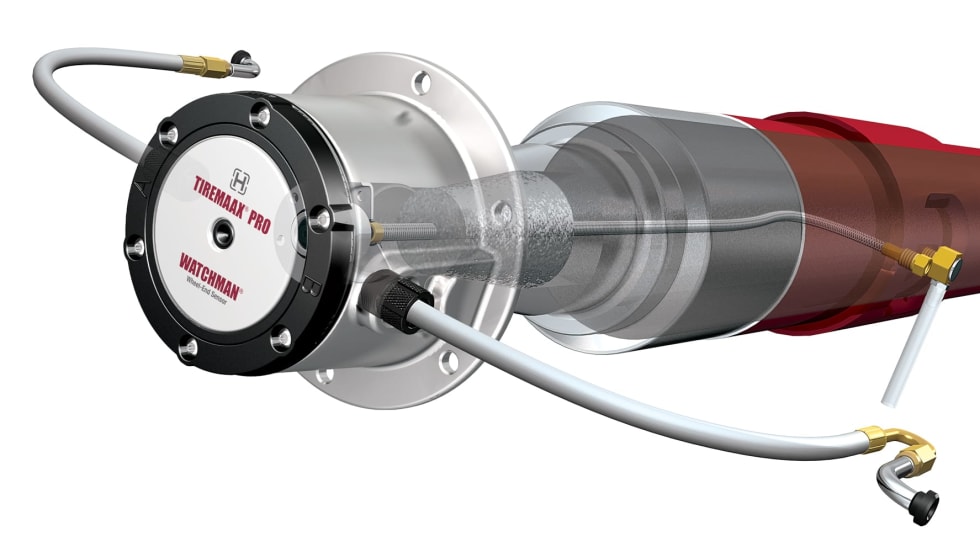
Hendrickson Unveils Watchman Smart Wheel-End System at TMC
Hendrickson’s new sensor platform integrates with its TireMaax system to deliver real-time tire and wheel-end insights, targeting uptime and cost savings.
Read More →
Over-the-Air Updates and the Modern Powertrain Explained
Over-the-air updates are moving beyond recalls, and expanding how fleets manage performance, compliance, and uptime.
Read More →
SKF, TMC Expand Hands-On Training to Boost Technician Skills at Annual Meeting
A new partnership between SFK and TMC brings certified, on-site instruction focused on wheel-end reliability and maintenance best practices.
Read More →
Why Higher Pay Isn’t Fixing the Heavy-Duty Technician Shortage
Hiring heavy-duty truck technicians has become a bidding war, but shops that focus on culture, training, and career paths are gaining an edge. That's the takeaway from a TMC panel discussion.
Read More →
Technology & Maintenance Council 2026 Annual Meeting [Photos]
Couldn't make it to Nashville for TMC's 2026 annual meeting? Check out these images.
Read More →
Fullbay Report: Heavy-Duty Shop Revenue Up, Rates Rising, but Shops Still Short on Techs
Strong growth across the heavy-duty repair sector is being tempered by workforce shortages and an aging technician pipeline.
Read More →
How Mack Sees the Next Era of Fleet Intelligence
Telematics has evolved from simple vehicle tracking into a connected service platform that can help fleets boost uptime, improve specifications, and move toward predictive maintenance. Mack executives say AI is now giving fleets a way to turn all that vehicle data into faster, smarter decisions.
Read More →
Clarios Expands Battery Monitoring Into Subscription Service with Battery Manager Pro
A new battery-monitoring-as-a-service program from Clarios Connected Services uses predictive analytics and automatic replacement to reduce downtime and smooth fleet maintenance costs.
Read More →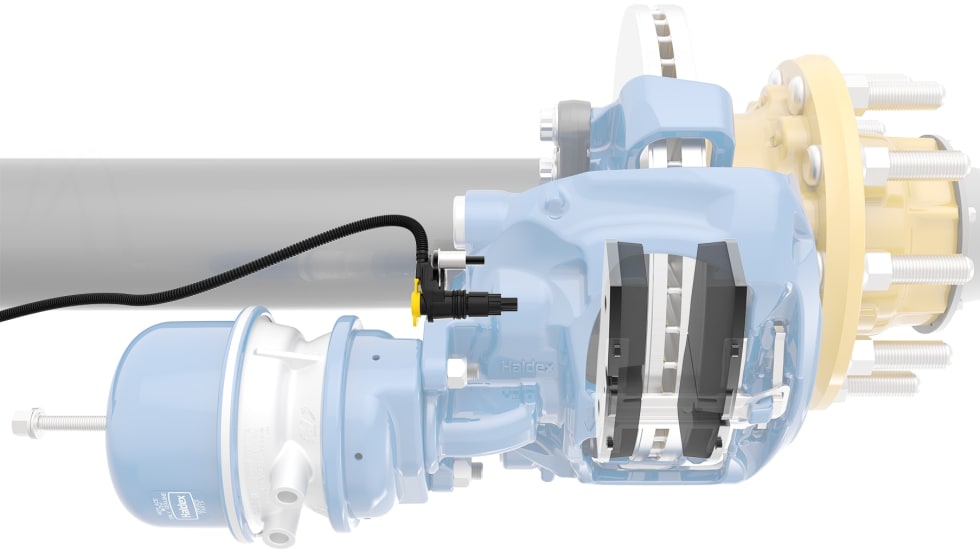
SAF-Holland’s BrakeSight Aims to Take the Guesswork Out of Air Disc Brake Maintenance
New Haldex sensor technology from SAF-Holland integrates with telematics systems to give fleets continuous insight into air disc brake condition.
Read More →
Vanair Introduces Solar, Battery Power Ecosystem for Class 8 Trucks
The company’s expanded EPEQ ecosystem includes flexible solar panels, lithium batteries, hydraulic power systems, and a portable fast charger for electric trucks.
Read More →