




Cummins is well on the way with its engines for 2007 and has some 80 units involved in on-highway testing programs. These engines are in field tests in fleet environments as diverse as garbage collection, long-haul truckload, mixer and LTL operations. Cummins also has a smaller fleet of Reliability, Assurance and Problem Identification (RAPId) test trucks. These are for validating updates a step or two ahead of the field test units.
Drive Test: Cummins '07 ISX & ISM
Cummins has a smaller fleet of Reliability, Assurance and Problem Identification (RAPId) test trucks for validating updates a step or two ahead of the field test units.
by Steve Sturgess, Executive Editor
April 1, 20065 min to read
Two of these test trucks were made available to us for a drive around a special test route designed to load up the diesel particulate filter and force the units into more frequent active regeneration than they would likely see in general applications.
The intent is to push the particulate filters by using a mixture of suburban two-lane and country highways where load factors are relatively low. In addition, the trucks are left to idle for around 52 hours each weekend.
In our evaluation of Cummins' '07s, we drove two of these RAPId units around the 100-mile route. One was an older T2000 repowered with a 500/1850 ISX backed up by an early Eaton UltraShift 10-speed. The other was a production line-built T600 with a 410/1550 ISM, this time with a 10-speed AutoShift.
Gearing on the two was close, with the bigger ISX pulling 3.55 gears giving 493 wheel revs per mile and the 3.90 of the ISM T600 giving 508 revs per mile. The ISX was grossed to 73,960 pounds, the ISM to a lower 58,960 pounds, which was more appropriate to the mid-bore engine's applications. As may be expected – despite the extra weight – the ISX pulled the short but aggressive grades on the route better than did the ISM. But because of the match of ISM to the much later model transmission, it was sweeter to drive.
IMPROVED DRIVEABILITY
Because both engines were driving through automated transmissions, it was not really possible to pick up on the improved transient response and drivability. The new engines promise improved handling through the new electronic control of the Holset variable geometry turbocharger. Previously, VGT control on the Cummins was pneumatic, without the physical closed loop that electronic control allows.
According to Cummins, this change gives better matching of demand and air supply, improving the engines' response. This was not really noticeable on the ISX, because certain shortcomings of the repower masked any sense of improved response. But it was certainly obvious in the ISM.
Reports back from the field have drivers clamoring to drive '07 ISX engines in fleet tests because of their improved response and drivability.
To recap, the ISX is basically the '02 engine with aftertreatment. I learned there is also a minor block/cooling change that flows more coolant across the EGR cooler. While relatively insignificant, it's a contribution to improved durability.
The ISM also has minor changes to address reliability. Both feature the new electronically controlled VGT and both also have the EGR valve relocated from the hot side of the engine to the cool side, also in the name of reliability and durability. The other external difference is the closed crankcase ventilation.
ACTIVE REGENERATION
The object of the short test route is to run the engines in the sort of conditions that would tend to load the particulate filters and encourage active regeneration. The intent is to force more frequent regeneration to see how the aftertreatment devices hold up. There is the added bonus of seeing whether drivers are aware of the regeneration processes.
In general driving, the particulate filter passively regenerates when the exhaust is hot enough – under medium to heavy load. If the load factors or ambient temperatures are low, regeneration has to be initiated with an injection of raw fuel downstream of the turbo. The fuel makes contact with an oxygen catalyst, heats the exhaust (through a chemical reaction, not a flame) and the regeneration is initiated. The object is to complete this process without the driver even knowing it's happening.
Reports from the field and my experience confirm that regeneration events occur without the driver being the least aware. The sensors in the diesel particulate filter work with the engine ECU to initiate the active event whenever back pressure dictates.
Interestingly, the DPF and the engine are a treatment system. Engine calibrations ensure that particulates are minimized and also that exhaust is at optimum temperatures to get passive regeneration as much as possible.
We had no opportunity to test fuel consumption, nor would they make any sense over this test route. But the optimization of the engine-out emissions, exhaust "conditioning" and the mainly passive regeneration combine to give the new engines comparable fuel efficiency to the best post-'02s, said the ride-along engineers on this evaluation.
DRIVER BENEFITS
There are driver benefits, as well, at least judging from the ISM. Even with the AutoShift providing its snappy downshifts, the ISM proved extremely responsive. On the hills, the considerable torque difference between the ISM and the ISX was largely masked. True, downshifts came a lot more frequently and earlier in the grades, but the engine held in well on the first downshift before snapping down a second gear, where the ISX grunted up and over the hills.
The weather was terrible, with torrential rain soaking the highway and splashing up under the truck. If ever there were ideal conditions for active regeneration, we had them here. But we noted no events.
There is a suggestion that drivers should have a dash light and even a regeneration start/stop switch, but I can see no need for it. The process is an entirely seamless event that is part and parcel of the new engine/emissions system.
We plan to return to test the Cummins 2007s later in the year, next time with manual transmissions to really get an assessment of the improved throttle response. Meanwhile, read about the experiences of Contributor Jim Park, driving a prototype International ProStar with ISX on page 114 of this issue.
Subscribe to Our Newsletter
More Fleet Management

'Beyond Compliance,' Regulations, Driver Coaching on ATRI’s 2026 Research List
The American Transportation Research Institute will examine driver coaching, regulatory impacts — including the "Beyond Compliance" concept —and weather disruptions that shape trucking operations.
Read More →
Fleet Advantage's Brian Antonellis on the Growing Need to Replace Old Trucks
Fleet Advantage's Brian Antonellis says it's time for fleets to get back to the fundamentals of good maintenance practices. And that includes replacing older, inefficient equipment.
Read More →
Truckstop.com Adding to Open Deck, Heavy Haul Offerings
Load matching for flatbed, lowbed, oversize and overweight loads can't be automated like basic van freight, but Truckstop.com is adding more high-tech tools to help.
Read More →
Trucker Path, Truckstop.com Expand Load Access Partnership
An expanded Trucker Path and Truckstop.com integration brings more freight opportunities into the TruckLoads app while emphasizing security and network quality.
Read More →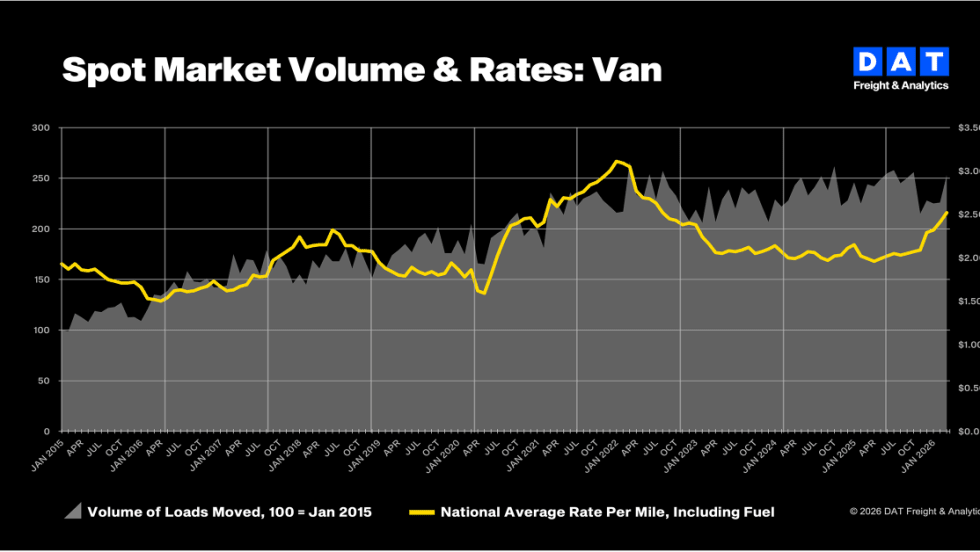
Truckload Rates Hit Two-Year Highs as Diesel Costs Surge, DAT Says
Strong March freight demand combined with a spike in fuel costs pushed both spot and contract truckload rates to their highest levels in more than two years.
Read More →
The AI Conversation You Need to Have with Your TMS Provider
Everyone’s talking about AI — but is your transportation management system actually built for it?
Read More →
Kriska Buys Fellow Canadian Carrier Sharp Transportation Systems
Being part of KTG will allow Sharp to expand and improve its services.
Read More →
Bill in House Would Raise Minimum Insurance for Motor Carriers to $5 Million
The Fair Compensation for Truck Crash Victims Act would increase insurance requirements for interstate motor carriers by nearly seven times.
Read More →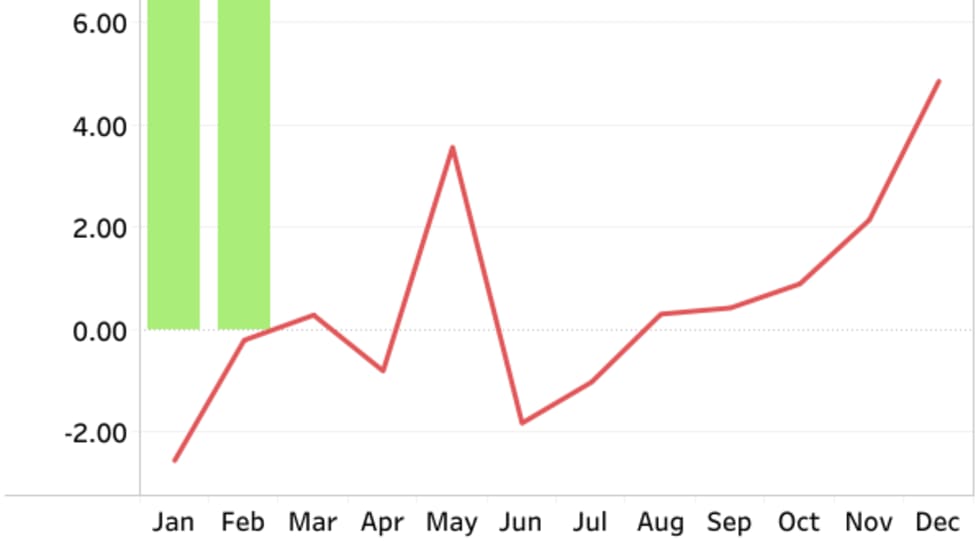
FTR Trucking Conditions Index Hits Four-Year High in February
Strong freight rates push TCI to 10.2, but FTR expects fuel-price volatility to skew March results.
Read More →
C.H. Robinson Offers Carriers Relief as Diesel Prices Surge
C.H. Robinson is waiving fees on fuel cards and cash advances for April and May, aiming to help carriers offset rising diesel costs tied to geopolitical instability.
Read More →