




In my seven years with Strategic Programs Inc., I have yet to come across a transportation organization that does not have an orientation for their newly hired Professional Drivers.
Driver Orientation: How Much is Retained?
In my seven years with Strategic Programs Inc., I have yet to come across a transportation organization that does not have an orientation for their newly hired Professional Drivers
by Guest Commentary Megan Younkin, Contributor
October 23, 2012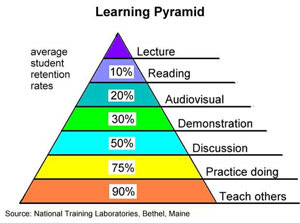
3 min to read
The length of orientation varies from company to company, but the general idea is the same: classroom-style learning on a variety of subjects, usually taught by employees from different departments such as maintenance, benefits, settlements, etc.
Throughout the orientation process, your new drivers are being pummeled with information: how to enroll in the benefits program, how to get paid, who to contact for what, how to run the EOBR, etc. All this important information is critical for drivers to know at some point during their career. How much of this orientation training, however, are your Drivers retaining? Furthermore, what kind of impact could it have on their engagement if a driver can't remember what to do or how to do it when they're on the road?
The National Training Laboratories' Learning Pyramid shows us the average student retention rates for different types of teaching methodologies:
Where does the majority of your orientation fall on this pyramid? How much of the important information are your new Drivers retaining?
Some of our clients administer a post-orientation survey, which usually asks drivers which parts they liked about orientation, which parts were most helpful, and what could be done differently. One change I suggest in order to quantify and improve information retention is to give your new drivers a different, more specific post-orientation survey. It might resemble a quiz, with questions like "Who should you go to if you have a question about your settlement sheet?", or "List three ways you can make the most of your fuel." Questions should be unique to your company and should target specific items that you would expect drivers to know when they walk out of orientation.
Communication around this survey is imperative - drivers must know that they're not being graded and that this survey has no impact on their employment with the company (and you've got to mean it). Let people know that this is just one more part of the orientation process in order to make sure orientation is set up in the best way for the success of the drivers.
If you have the manpower, have someone follow up with drivers individually on questions they missed to ensure everyone has the proper information, or knows where to get it. If you don't have the manpower for individual follow up, you can at least make adjustments to your orientation process based on the results of the surveys.
Once you have data on what information is or is not being retained, here are some suggestions to assist with information retention:
- Based on survey results, find out what information drivers need most often and give that to them on a cheat sheet; tell them where to put it so that it's easily accessible.
- Have the students teach a concept back to the trainer. Einstein said, "If you can't explain it simply, you don't understand it well enough." Find out if your drivers understand something well enough by having them explain or teach it back to you.
-Have some real-life scenarios on hand that drivers will face on the road. Practice by role-playing or trying some other hands-on learning techniques.
Strategic Programs has found that how well a driver feels set up for success can have a tremendous impact on their engagement and likelihood to stay with a company. Using all of the tools you can to make orientation successful and beneficial can have a direct impact on your company's bottom line.
Megan Younkin is a consultant for Strategic Programs Inc., which designs client-specific assessments to help companies understand how employees feel about the company and what fleets can do to improve recruiting and retention. http://truckdriverretention.com.
Subscribe to Our Newsletter
More Fleet Management

'Beyond Compliance,' Regulations, Driver Coaching on ATRI’s 2026 Research List
The American Transportation Research Institute will examine driver coaching, regulatory impacts — including the "Beyond Compliance" concept —and weather disruptions that shape trucking operations.
Read More →
Fleet Advantage's Brian Antonellis on the Growing Need to Replace Old Trucks
Fleet Advantage's Brian Antonellis says it's time for fleets to get back to the fundamentals of good maintenance practices. And that includes replacing older, inefficient equipment.
Read More →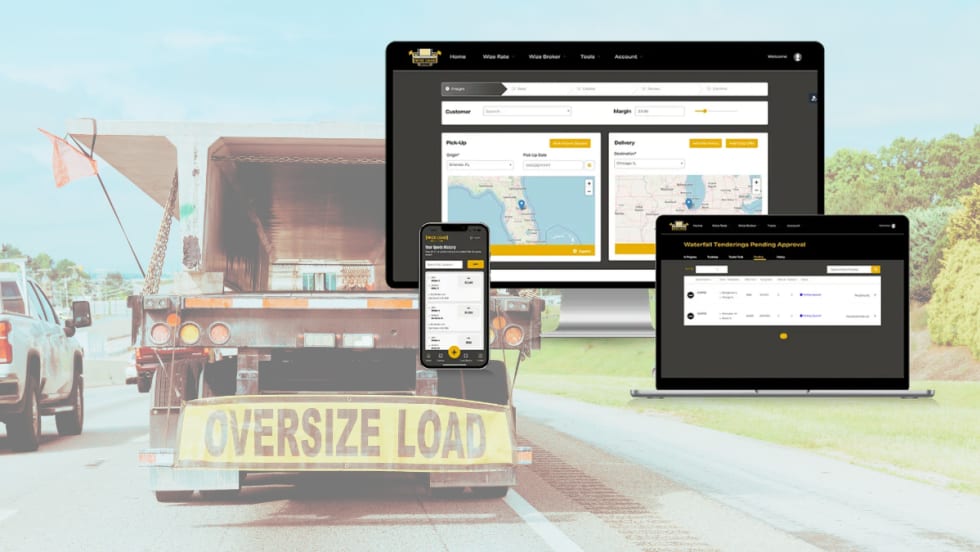
Truckstop.com Adding to Open Deck, Heavy Haul Offerings
Load matching for flatbed, lowbed, oversize and overweight loads can't be automated like basic van freight, but Truckstop.com is adding more high-tech tools to help.
Read More →
Trucker Path, Truckstop.com Expand Load Access Partnership
An expanded Trucker Path and Truckstop.com integration brings more freight opportunities into the TruckLoads app while emphasizing security and network quality.
Read More →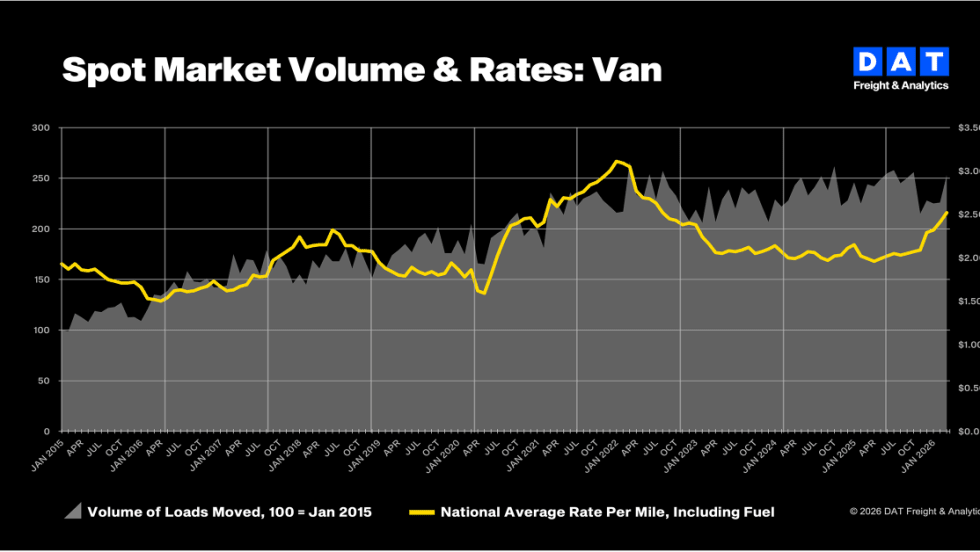
Truckload Rates Hit Two-Year Highs as Diesel Costs Surge, DAT Says
Strong March freight demand combined with a spike in fuel costs pushed both spot and contract truckload rates to their highest levels in more than two years.
Read More →
The AI Conversation You Need to Have with Your TMS Provider
Everyone’s talking about AI — but is your transportation management system actually built for it?
Read More →
Kriska Buys Fellow Canadian Carrier Sharp Transportation Systems
Being part of KTG will allow Sharp to expand and improve its services.
Read More →
Bill in House Would Raise Minimum Insurance for Motor Carriers to $5 Million
The Fair Compensation for Truck Crash Victims Act would increase insurance requirements for interstate motor carriers by nearly seven times.
Read More →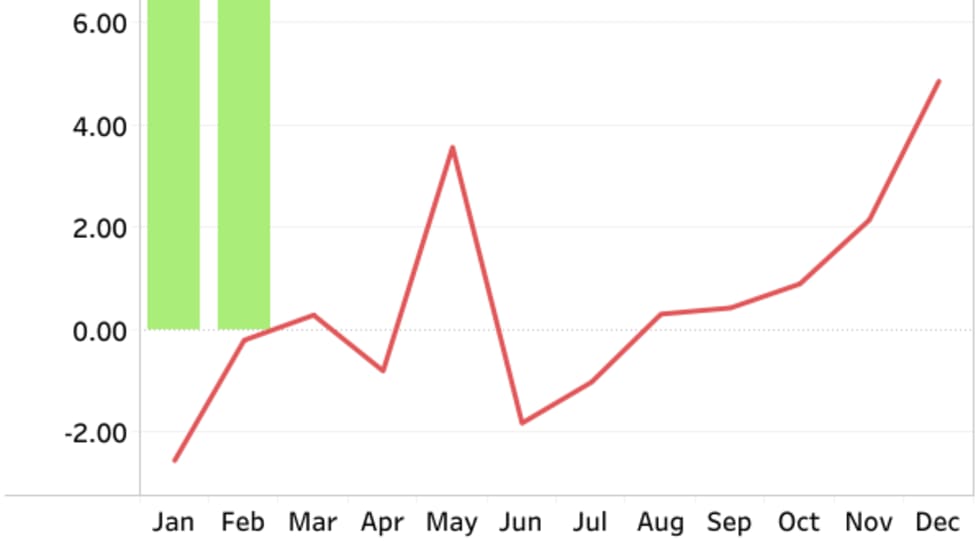
FTR Trucking Conditions Index Hits Four-Year High in February
Strong freight rates push TCI to 10.2, but FTR expects fuel-price volatility to skew March results.
Read More →
C.H. Robinson Offers Carriers Relief as Diesel Prices Surge
C.H. Robinson is waiving fees on fuel cards and cash advances for April and May, aiming to help carriers offset rising diesel costs tied to geopolitical instability.
Read More →