





In 2003 and again in 2004, the Commercial Vehicle Safety Alliance conducted continent-wide surveys of drivers' brake system knowledge. The results were shocking.
As part of Operation Air Brake 2003, CVSA polled 4,055 commercial drivers across 60 jurisdictions. Of those drivers, only 15 (0.0037%) provided the correct response to all questions involving knowledge of brake deficiencies and adjustment.
In 2004, CVSA tried again. Using a true and false format, the questionnaire, among other things, asked drivers to identify all four of the conditions required to properly inspect brake adjustment. Only 192 of more than 4,000 drivers surveyed correctly identified all four.
For example, almost three-quarters of the respondents indicated that the service brakes needed to be released or only partially applied when checking brake stroke. In fact, 62% of drivers indicated they used incorrect and unreliable methods of determining brake adjustment, including the "feel" of the brakes and the pressure drop during an application.
Drivers didn't do any better in their knowledge of compliance issues or their understanding of automatic brake adjusters.
"The results of surveys continue to indicate that drivers are not as familiar with their brake systems as we would have expected," says CVSA'sWilliam Schaefer, director of vehicle programs. "I don't think there has been a significant improvement in those statistics since 2003 and 2004."
He says that while drivers are not mechanics or brake technicians, they should be able detect some basic brake system deficiencies.
"For the purposes of a pre-trip inspection and in the handling of the vehicle, they should be able to notice loose components, poor adjustment, greased linings, etc.," he says.
"While I think their understanding of the basic brake system is inadequate, I also think we - enforcement, industry, advocacy groups, etc. - need to give them better tools to help them determine when their brake systems are deficient and when the vehicle should not be driven."
Do you rely on driver reports concerning brake system function and compliance? If so, you might want to ask how much your drivers really know about their brake systems, and how thorough a job they do in inspecting those systems.
From the September 2012 issue of HDT
Drivers and Brakes
In 2003 and again in 2004, the Commercial Vehicle Safety Alliance conducted continent-wide surveys of drivers' brake system knowledge. The results were shocking
More Fleet Management

'Beyond Compliance,' Regulations, Driver Coaching on ATRI’s 2026 Research List
The American Transportation Research Institute will examine driver coaching, regulatory impacts — including the "Beyond Compliance" concept —and weather disruptions that shape trucking operations.
Read More →
Fleet Advantage's Brian Antonellis on the Growing Need to Replace Old Trucks
Fleet Advantage's Brian Antonellis says it's time for fleets to get back to the fundamentals of good maintenance practices. And that includes replacing older, inefficient equipment.
Read More →
Truckstop.com Adding to Open Deck, Heavy Haul Offerings
Load matching for flatbed, lowbed, oversize and overweight loads can't be automated like basic van freight, but Truckstop.com is adding more high-tech tools to help.
Read More →
Trucker Path, Truckstop.com Expand Load Access Partnership
An expanded Trucker Path and Truckstop.com integration brings more freight opportunities into the TruckLoads app while emphasizing security and network quality.
Read More →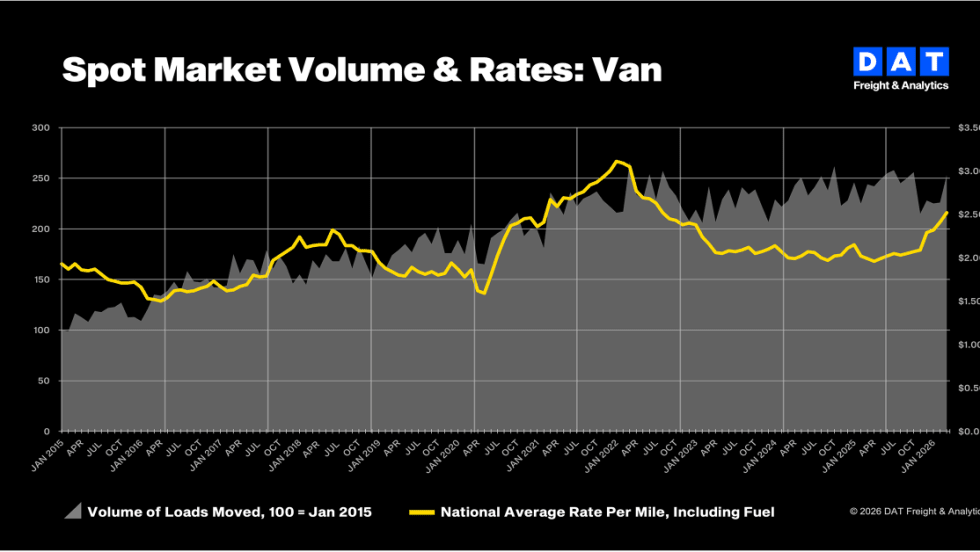
Truckload Rates Hit Two-Year Highs as Diesel Costs Surge, DAT Says
Strong March freight demand combined with a spike in fuel costs pushed both spot and contract truckload rates to their highest levels in more than two years.
Read More →
The AI Conversation You Need to Have with Your TMS Provider
Everyone’s talking about AI — but is your transportation management system actually built for it?
Read More →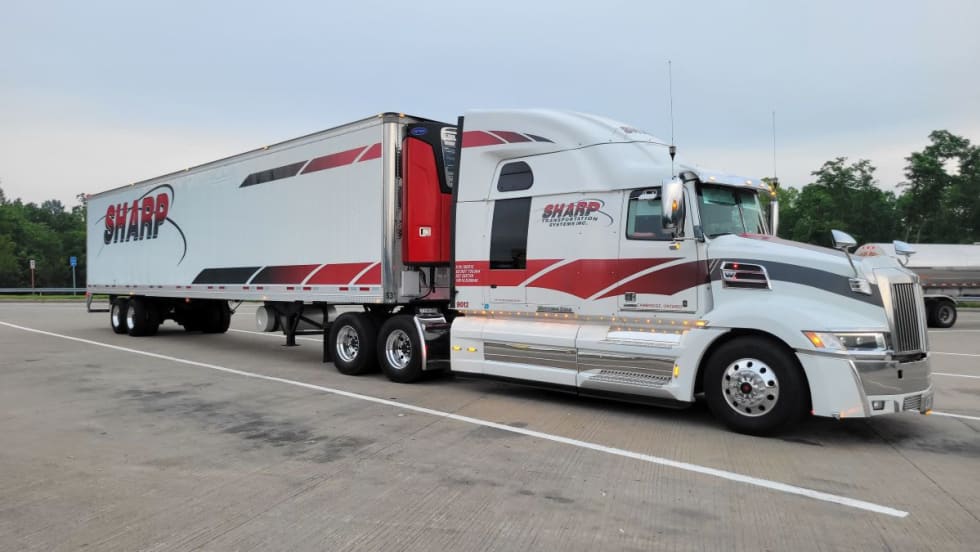
Kriska Buys Fellow Canadian Carrier Sharp Transportation Systems
Being part of KTG will allow Sharp to expand and improve its services.
Read More →
Bill in House Would Raise Minimum Insurance for Motor Carriers to $5 Million
The Fair Compensation for Truck Crash Victims Act would increase insurance requirements for interstate motor carriers by nearly seven times.
Read More →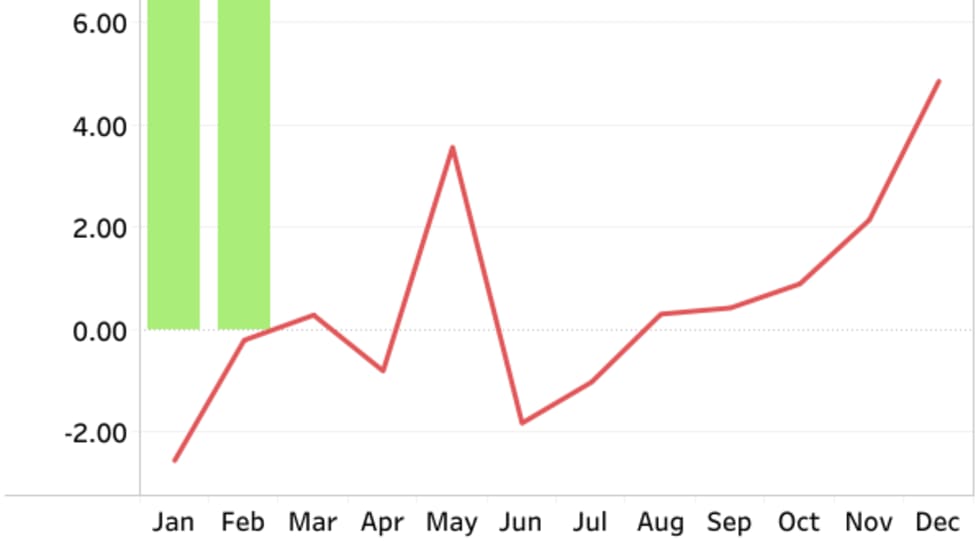
FTR Trucking Conditions Index Hits Four-Year High in February
Strong freight rates push TCI to 10.2, but FTR expects fuel-price volatility to skew March results.
Read More →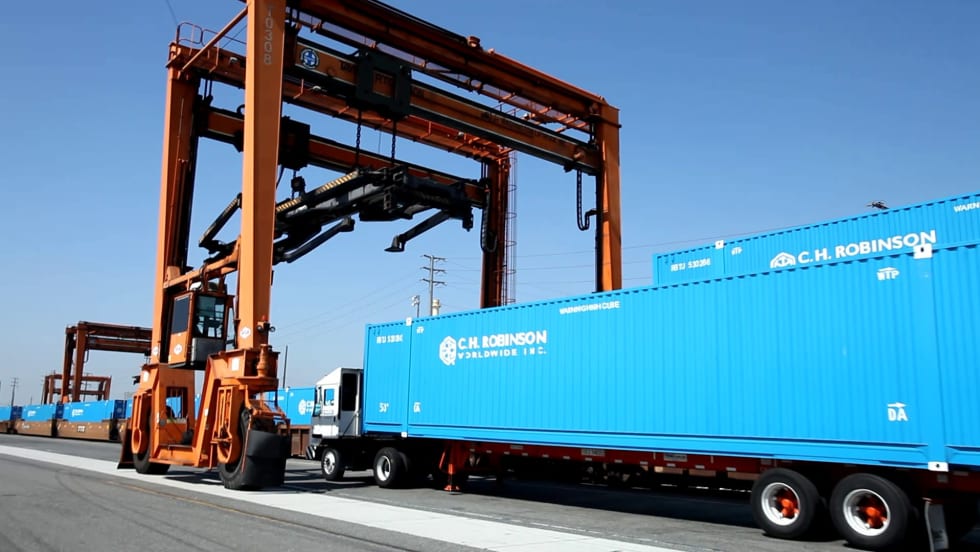
C.H. Robinson Offers Carriers Relief as Diesel Prices Surge
C.H. Robinson is waiving fees on fuel cards and cash advances for April and May, aiming to help carriers offset rising diesel costs tied to geopolitical instability.
Read More →