




One of the planks in Caterpillar's argument for its Acert technology was that no particulate-heavy exhaust was recirculated into the inlet, as is the case with other exhaust gas recirculation technologies.
Those other engines, sucking on their own waste, would fail early, said the company.
Now Cat's contention that the engine would see fouling of the inlet tract, heavy particulate contamination of the lube oil and even accelerated ring and liner wear would seem to be bearing out.
According to Chris Sands of Sanco Filtration, a Georgia-based startup, that is precisely what is happening in the real world.
Sands is the service manager at a major multi-store truck dealership. He has been seeing trucks coming in with escalating oil consumption - sometimes as much as 8 gallons in 500 miles with only 250,000 to 350,000 miles on the odometer. Engine teardowns reveal huge deposits of carbon in the inlet manifold and around the inlet valves. It is these chunks of solid carbon that do the damage, breaking off and getting in to the cylinders.
Cat's contention was that the particulates would do the damage, but Sands maintains that the particulates in the recirculated exhaust are only in the 1-2 micron range and normally pass through the EGR cooler and valve and on through the engine with no consequences. It's the chunks of carbon that are the problem. They're like throwing dirt into the engine.
On one brand of engine, piston rings have the chrome face worn through, oil control rings are polished to the point that the control grooves are gone, and liners show as much as 40 thousandths wear - 80 thousandths across the bore. And this is at mileages as low as 300,000.
When Sands saw what was happening, a light bulb went off in his head: An EGR filter might fix the problem. So he designed, patented and built a prototype filter assembly. Then he took it to a major fleet to test.
Easier said than done. The fleet - a high-profile, national fleet - was reluctant to install anything in the EGR system that wasn't factory-approved and certified. The fleet didn't want to fall afoul of EPA. That didn't stop Sands, though. He found another customer with a new truck at 144,000 miles that was willing to give it a try. Now at 411,000 miles, that engine still only consumes around a gallon between oil changes at 15,000 miles and is on track to go a million miles.
Since then, Sands has installed filters on 2008 and 2009 trash trucks with particularly heavy-duty cycles and a different brand of engine that has issues with EGR valves. Those engines have not "dropped" an EGR valve since, he says.
The filter is a can that is inserted in the EGR transfer pipe, between the cooler and the inlet. It is a relatively simple install that replaces a short section of the piping with the can and two rubber hoses and clamps. It currently costs around $400 for the filter and another $150 for the rest of the kit to install it.
What about the concerns around "tampering" with the emissions system? According to Sands, the EPA's position is that as long as the manufacturer of any device has data that shows no impact on the engine's emissions, the agency is not concerned.
Sands says the only thing his filter may impact is EGR flow, and extensive testing has shown that at no time has there been a low-flow fault logged in the engine ECU. He does recommend filter service at 200,000 miles for an over-the-road truck or 150,000 for distribution trucks. And service means changing out the whole filter - at $400. A plan to offer a reconditioning service should lower this cost.
Currently, there are around 25 engines running with the filters, and total mileage is approaching a million. By all accounts they are all performing well, and Sands is getting set up to manufacture the filters, with volume production starting in November.
Sanco is very much a start-up and at press time had not developed a web site. However, for more information, you can drop Chris Sands an e-mail at sancofiltrationllc@hotmail.com.
From the August 2009 issue of Heavy Duty Trucking.
EGR Engines and Oil Control
One of the planks in Caterpillar's argument for its Acert technology was that no particulate-heavy exhaust was recirculated into the inlet, as is the case with other exhaust gas recirculation technologies
More Maintenance
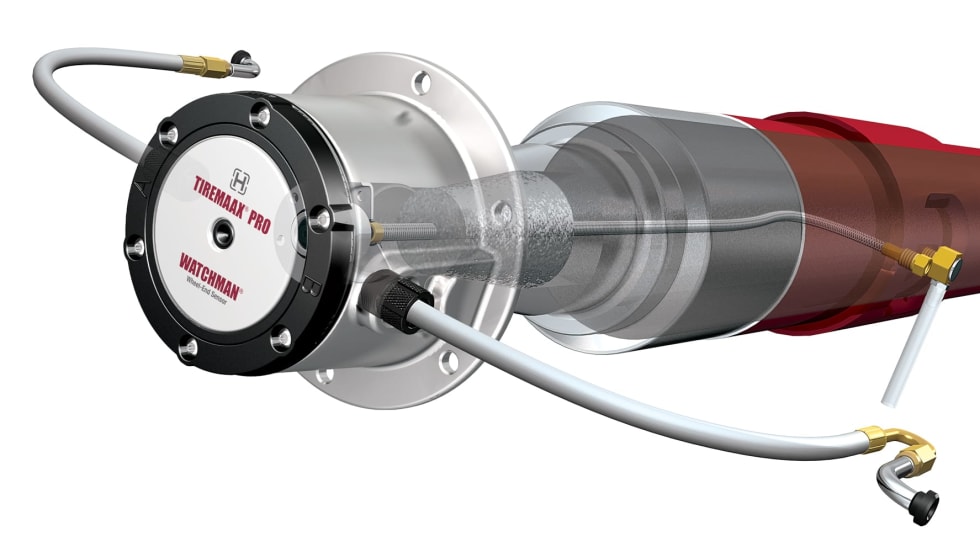
Hendrickson Unveils Watchman Smart Wheel-End System at TMC
Hendrickson’s new sensor platform integrates with its TireMaax system to deliver real-time tire and wheel-end insights, targeting uptime and cost savings.
Read More →
Over-the-Air Updates and the Modern Powertrain Explained
Over-the-air updates are moving beyond recalls, and expanding how fleets manage performance, compliance, and uptime.
Read More →
SKF, TMC Expand Hands-On Training to Boost Technician Skills at Annual Meeting
A new partnership between SFK and TMC brings certified, on-site instruction focused on wheel-end reliability and maintenance best practices.
Read More →
Why Higher Pay Isn’t Fixing the Heavy-Duty Technician Shortage
Hiring heavy-duty truck technicians has become a bidding war, but shops that focus on culture, training, and career paths are gaining an edge. That's the takeaway from a TMC panel discussion.
Read More →
Technology & Maintenance Council 2026 Annual Meeting [Photos]
Couldn't make it to Nashville for TMC's 2026 annual meeting? Check out these images.
Read More →
Fullbay Report: Heavy-Duty Shop Revenue Up, Rates Rising, but Shops Still Short on Techs
Strong growth across the heavy-duty repair sector is being tempered by workforce shortages and an aging technician pipeline.
Read More →
How Mack Sees the Next Era of Fleet Intelligence
Telematics has evolved from simple vehicle tracking into a connected service platform that can help fleets boost uptime, improve specifications, and move toward predictive maintenance. Mack executives say AI is now giving fleets a way to turn all that vehicle data into faster, smarter decisions.
Read More →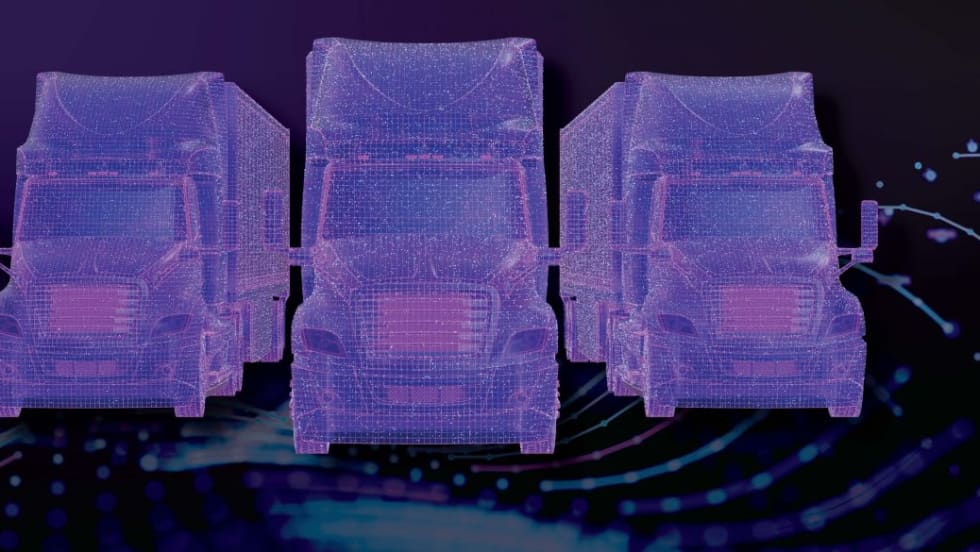
Clarios Expands Battery Monitoring Into Subscription Service with Battery Manager Pro
A new battery-monitoring-as-a-service program from Clarios Connected Services uses predictive analytics and automatic replacement to reduce downtime and smooth fleet maintenance costs.
Read More →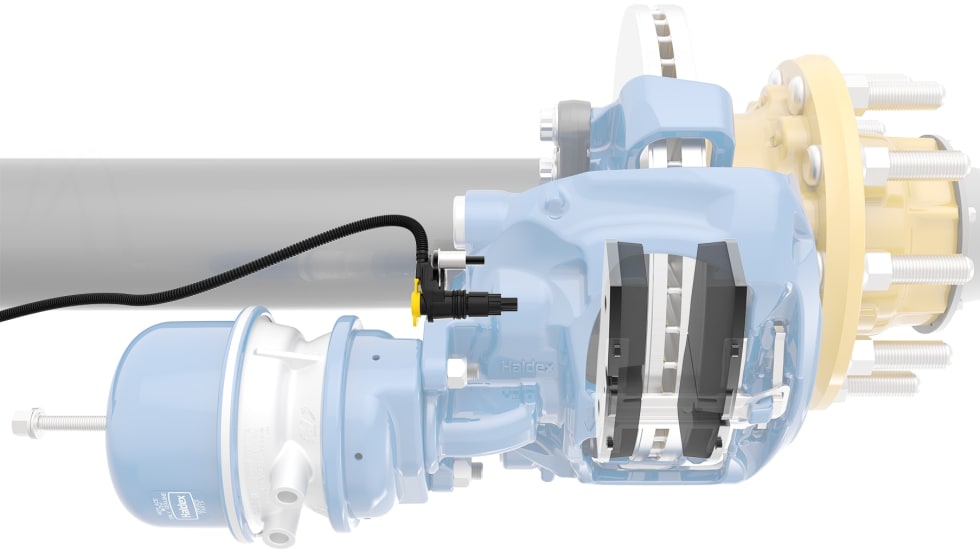
SAF-Holland’s BrakeSight Aims to Take the Guesswork Out of Air Disc Brake Maintenance
New Haldex sensor technology from SAF-Holland integrates with telematics systems to give fleets continuous insight into air disc brake condition.
Read More →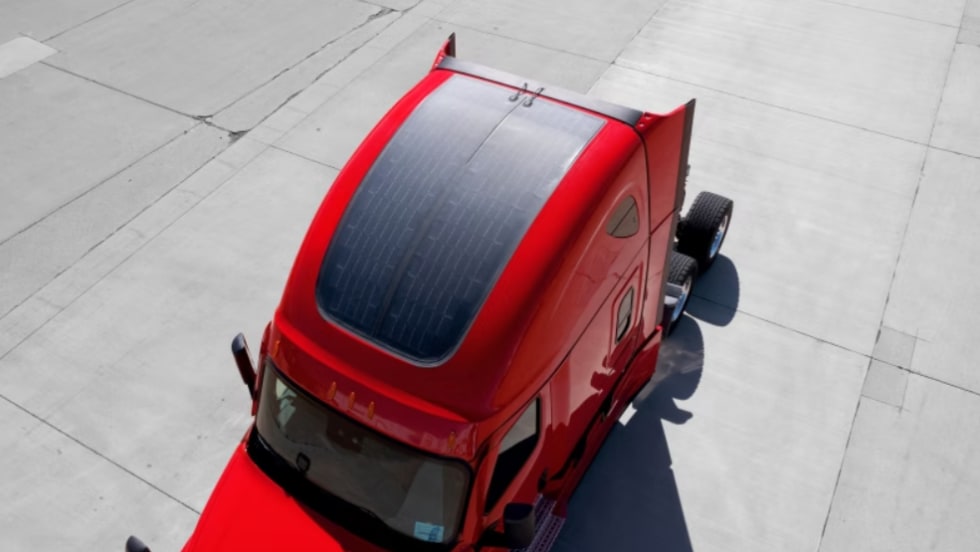
Vanair Introduces Solar, Battery Power Ecosystem for Class 8 Trucks
The company’s expanded EPEQ ecosystem includes flexible solar panels, lithium batteries, hydraulic power systems, and a portable fast charger for electric trucks.
Read More →