




Part of the fun of technology is getting a new vocabulary of acronyms. The latest for automated driver logs is ELDs - or electronic logging devices. According to some reports, ELDs are not only better than Electronic On-board Recorders (EOBRs), but they cost less. That's progress!
ELDs and EOBRs - What's the Difference?
Part of the fun of technology is getting a new vocabulary of acronyms. The latest for automated driver logs is ELDs - or electronic logging devices. According to some reports, ELDs are not only better than Electronic On-board Recorders (EOBRs), but they cost less. That's progress
by Commentary Dave Kraft, Director, Business Development, Qualcomm Enterprise Services
May 10, 2011
Dave Kraft
3 min to read
This does raise a question, though: Where do these terms come from? I did some research, and the number of terms that may also apply to ELD and EOBR type devices is more than you might expect. Here is the list:
EOBR - Electronic On-Board Recorder. The trucking industry and fleet management system providers have been using this term for automated driver logs since the early 2000s. The term is also defined in the Federal Motor Carrier Safety Administration's (FMCSA) recent 395.16 "Electronic On-Board Recorders for Hours of Service Compliance" regulation, although that regulation will not go into effect until June 2012.
ELD - Electronic Logging Device. This is a recent term, whose origin is unknown. I think some people like it because they are not sure about the "recorder" part of an EOBR, but the "logging" of an ELD is okay. Since ELDs are not defined in any regulation, you would need to ask if they are compliant with 395.15 or 395.16.
EDL - Electronic Driver Logs. This is another recent term and it is unclear whether it implies an FMCSA-compliant device or application.
AOBRD - Automatic On-Board Recoding Device. "AOBRD" - Ugh! Not a very popular term. It is based on FMCSA's 395.15 regulation published in 1988. This regulation is in effect today. Every EOBR, ELD, EDL that is compliant with DOT regulations for automated driver logs is really an "AOBRD." REALLY!
Computer Assisted Logs. This is also a recent term with unknown origin, but it is generally agreed that these are not compliant with any regulation. Instead, drivers simply use a computer or a smart phone to record their time and then produce a nice printout instead of handwriting logs. If they do not have a printer, then they will have to handwrite their logs if they get stopped.
Digital Tachograph. This is an automated, tamper proof recorder of driver logs that is used throughout Europe and in many other countries around the world. Some people may call it the European EOBR, but Europeans would call it a "tacho."
EDR - Event Data Recorder, aka HV EDR - Heavy Vehicle EDR. ] This is the accident "black box" for trucks. Some people think EDR and EOBR are same thing but they are really different devices. HV EDRs are not defined in regulation, but that could change in a year or two as the U.S. Department of Transportation (DOT) is looking at that now. There is aSociety of Automotive Engineers (SAE) standard, J2728, that was published in 2010 that provides a specification for these systems. Also, the National Transportation Safety Board has been a longstanding strong advocate of installing EDRs in commercial vehicles.
Now that we have all that understood, the next big question is: What do these things cost? What is the difference between the low cost version and full blown high end versions? I am going to have to get back to you on that - for a future blog post.
Reposted with permission from the Qualcomm OnQ blog. Dave Kraft is a director in Qualcomm Enterprise Services' strategic business development group and currently serves as chairman for ATA's Technology and Maintenance Council EOBR task force in developing industry guidelines for electronic onboard recorders.
Subscribe to Our Newsletter
More Fleet Management

'Beyond Compliance,' Regulations, Driver Coaching on ATRI’s 2026 Research List
The American Transportation Research Institute will examine driver coaching, regulatory impacts — including the "Beyond Compliance" concept —and weather disruptions that shape trucking operations.
Read More →
Fleet Advantage's Brian Antonellis on the Growing Need to Replace Old Trucks
Fleet Advantage's Brian Antonellis says it's time for fleets to get back to the fundamentals of good maintenance practices. And that includes replacing older, inefficient equipment.
Read More →
Truckstop.com Adding to Open Deck, Heavy Haul Offerings
Load matching for flatbed, lowbed, oversize and overweight loads can't be automated like basic van freight, but Truckstop.com is adding more high-tech tools to help.
Read More →
Trucker Path, Truckstop.com Expand Load Access Partnership
An expanded Trucker Path and Truckstop.com integration brings more freight opportunities into the TruckLoads app while emphasizing security and network quality.
Read More →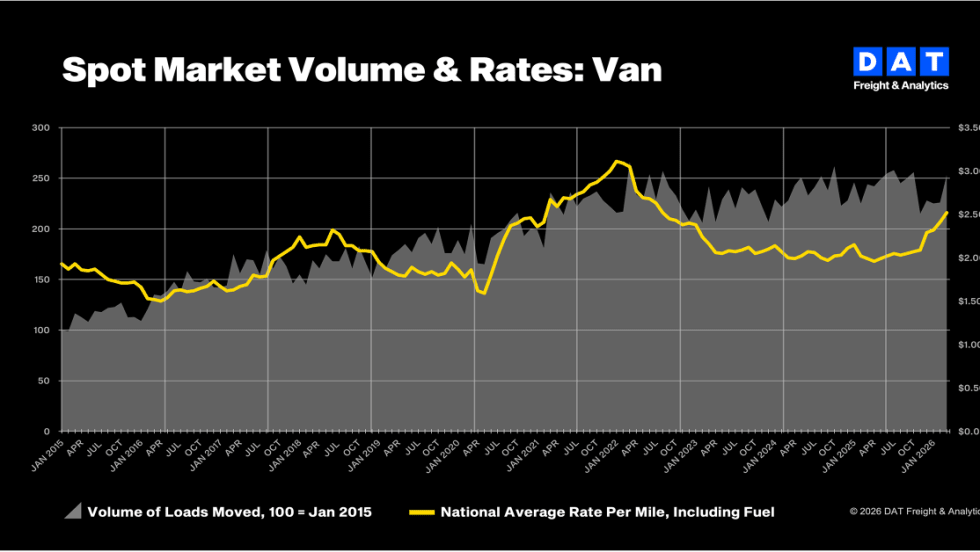
Truckload Rates Hit Two-Year Highs as Diesel Costs Surge, DAT Says
Strong March freight demand combined with a spike in fuel costs pushed both spot and contract truckload rates to their highest levels in more than two years.
Read More →
The AI Conversation You Need to Have with Your TMS Provider
Everyone’s talking about AI — but is your transportation management system actually built for it?
Read More →
Kriska Buys Fellow Canadian Carrier Sharp Transportation Systems
Being part of KTG will allow Sharp to expand and improve its services.
Read More →
Bill in House Would Raise Minimum Insurance for Motor Carriers to $5 Million
The Fair Compensation for Truck Crash Victims Act would increase insurance requirements for interstate motor carriers by nearly seven times.
Read More →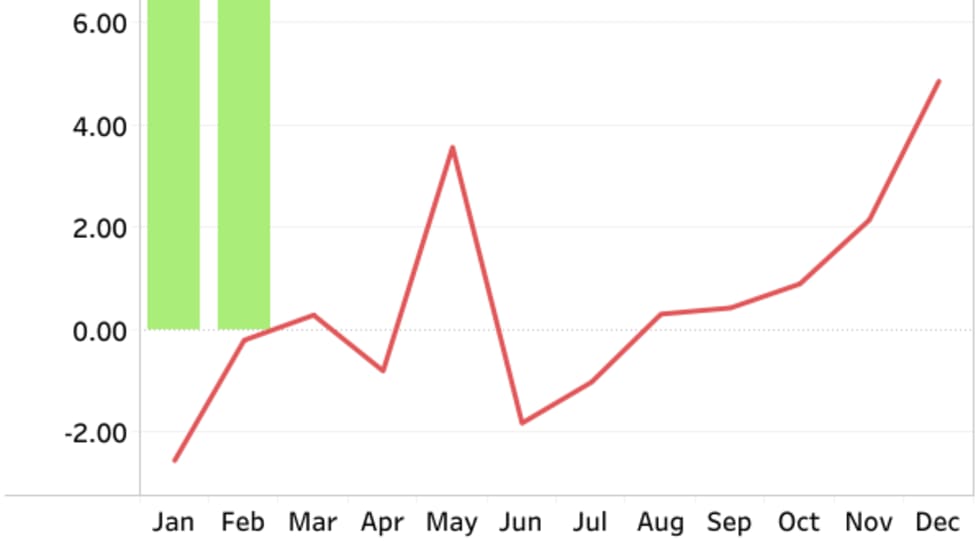
FTR Trucking Conditions Index Hits Four-Year High in February
Strong freight rates push TCI to 10.2, but FTR expects fuel-price volatility to skew March results.
Read More →
C.H. Robinson Offers Carriers Relief as Diesel Prices Surge
C.H. Robinson is waiving fees on fuel cards and cash advances for April and May, aiming to help carriers offset rising diesel costs tied to geopolitical instability.
Read More →