





One of the surest ways to reduce truck operating expenses is to cut fuel usage, and a quick way to do that is to get drivers to improve their techniques. Fleet managers can become effective teachers if they themselves know how to drive economically.
Emissions Report: Fleet Managers Improve Fuel Economy Up to 40.5 Percent at Challenge
Fleet managers can become effective teachers if they themselves know how to drive economically.
February 1, 2008
3 min to read
Some fleet managers learned enough recently to improve their mileage 33.6 to 40.5 percent.
Economical driving was the point of a Fuel Economy Challenge conducted by Isuzu Commercial Truck of America. The three-day event, which was a combination seminar and hands-on driving experience, was staged on a former runway at the old El Toro Marine air station in Southern California. Isuzu has held several similar events around the world, and this was the first one held in the United States.
Isuzu says reducing emissions and fuel consumption is part of its SEE philosophy, which stands for Safety, Economy and Environment. The seminar covered fuel-efficient driving techniques, minimizing idle time and exhaust brake usage, as well as route scheduling, rolling resistance and vehicle maintenance. After driving 2008-model Isuzu trucks on a special course and having their fuel use measured, the managers attended a training session. Then they drove the same course again, using the newly learned techniques. Their economy improvements were measured and reported.
The 36 managers attending the event represented fleets from diverse industries: truck leasing, landscaping, electrical contracting, plumbing, healthcare and food distribution. One was Russell Cayse, manager of medium-duty truck acquisition for Enterprise Commercial Trucks, who had attended a previous Isuzu Fuel Economy Challenge in Japan.
"I'm impressed that Isuzu has developed a program that provides fleets with benefits that aren't necessarily related to sales," Cayse said. "We invited some of our customers to attend this event because we knew they would learn some valuable fuel conservation techniques. With today's high fuel prices, fleets are looking for opportunities to reduce costs. Our approach will be to help our customers train and motivate their drivers to conserve fuel with proper driving techniques."
Other attendees also plan to start fuel economy programs based on training and incentives to motivate drivers. Victoria Dahlquist, director of fleet operations for Valley Crest Landscaping, Calabasas, Calif., manages a fleet of 4,000 gas-powered vehicles operating in 21 states.
"I personally improved my mileage by 35 percent at the fuel economy challenge," she said. "We're evaluating how we can implement Isuzu's techniques on a systemwide basis. The savings could be very substantial."
Luis Ochoa, vice president of DLC Resources, Phoenix, Ariz., improved his mileage 40 percent. He plans to develop a reward program with raffle prizes as incentives to motivate good driving habits. DLC, a landscape maintenance contractor, operates 160 vehicles and has an annual fuel bill exceeding $800,000.
"We're anticipating saving 10-20 percent at a minimum," Ochoa said. "In addition, the same driving habits that save fuel also will help us extend our safe driving record, which is currently over 2 million miles without an accident."
Alan Cline, president and CEO of 1-800-Plumbing Inc., licenses that name and toll-free phone number to independent local plumbers throughout North America. "Education is the key to what we do," Cline said. His company plans to recommend that its contractors implement the fuel conservation techniques to minimize operating expenses.
Subscribe to Our Newsletter
More Fuel Smarts
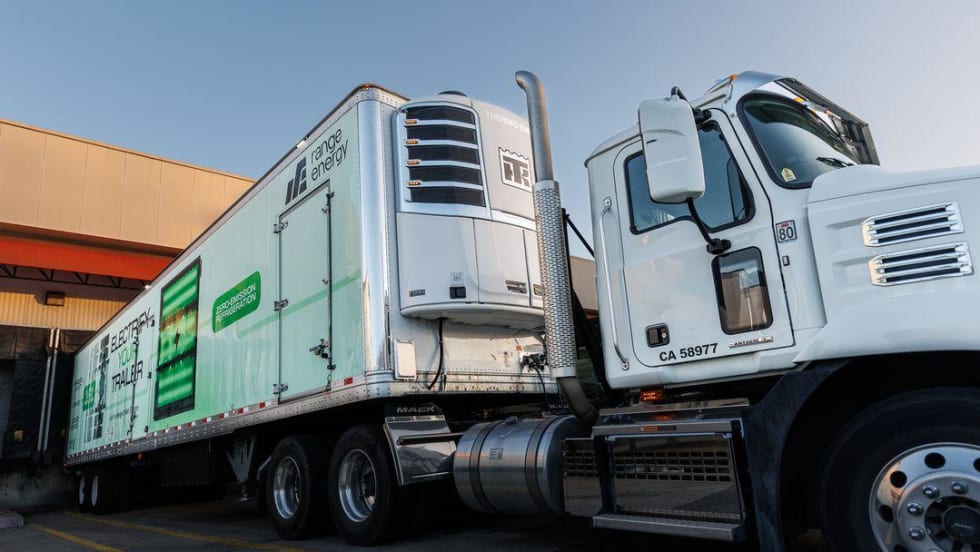
Range Energy Confirms eTrailer Performance in Winter Testing as Commercial Rollout Nears
Range Energy said its production-ready eTrailer system proved it can boost stability, safety, and efficiency in sub-zero winter conditions as the company moves toward scaled deployment.
Read More →
Top Green Fleets of 2026: Nomination Deadline Extended
Is your company a leader in sustainability efforts among trucking fleets? If so, Heavy Duty Trucking's editors want to hear from you.
Read More →
New Lightweight Wheel Cover Targets Simpler Aero Gains [Watch]
Watch to learn how Deflecktor's new wheel cover design is taking a simpler approach to aerodynamics, with an eye toward making it more practical for both trucks and trailers.
Read More →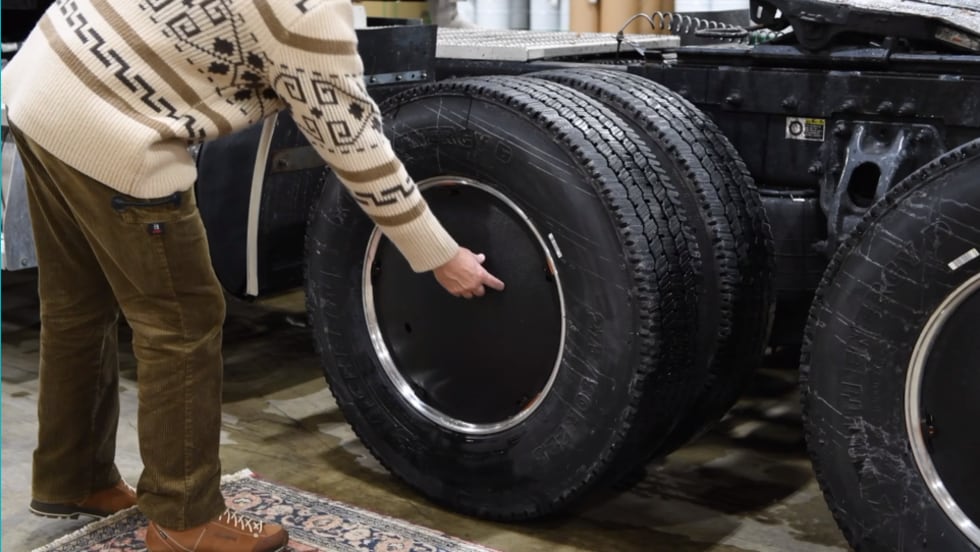
Deflecktor: Hubbub Aerodynamic Wheel Cover Cost-Effective Even for Trailers
Aerodynamic wheel covers can deliver small but meaningful fuel-economy gains for fleets, and Deflecktor says its latest design aims to make the technology easier and more affordable to deploy.
Read More →
Cutting Fleet Fuel Costs in a Volatile Market [Listen]
When diesel prices are as volatile as they've been in 2026, it makes it tough for trucking fleets to plan and control costs. Breakthrough Fuel's Jenny Vander Zanden has insights on near-term savings strategies.
Read More →
Diesel Price Swings Aren’t Over. What Can Your Fleet Do?
Practical steps fleets can take to manage fuel costs, from purchasing strategies to driver behavior.
Read More →
Diesel Prices Surge Toward Record Highs as Oil Price Volatility Intensifies
Prices jumped another 24 cents in a week, with California topping $7.50 and new data showing fleet fuel costs may already be at record levels.
Read More →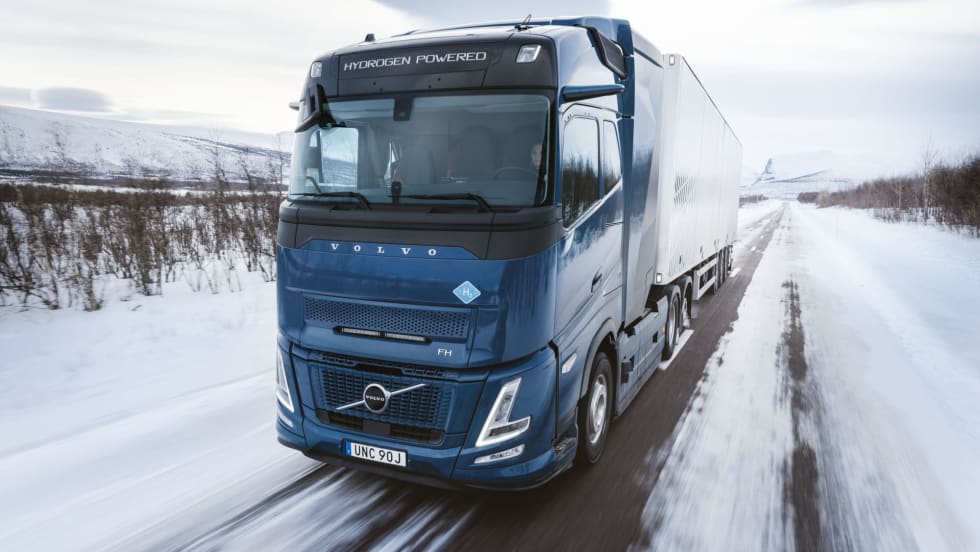
Volvo Testing Hydrogen-Fueled Internal Combustion Engines on Trucks in Europe
Hydrogen combustion engine trucks will be especially suitable over longer distances and in regions where there is limited charging infrastructure or time for recharging of battery-electric trucks, according to the company.
Read More →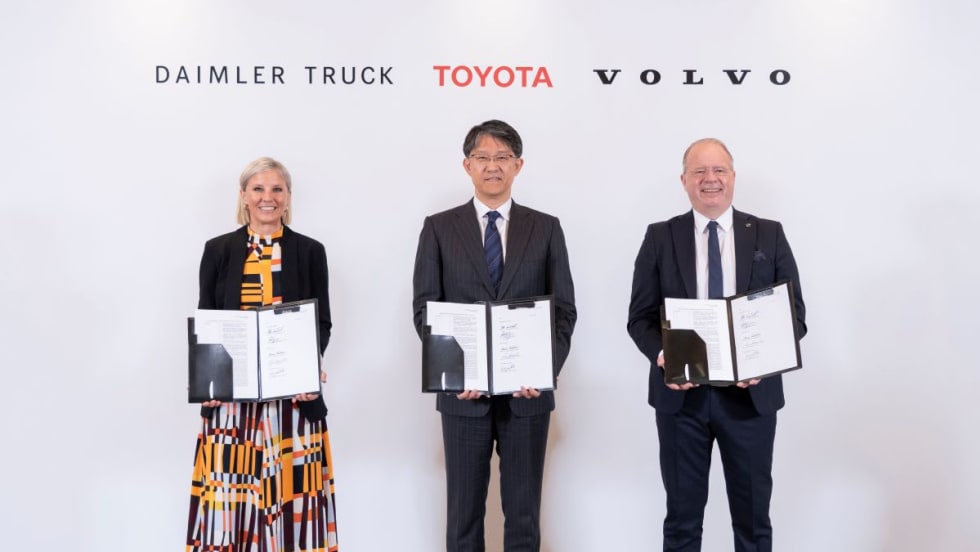
Toyota’s Entry Into Cellcentric Signals Push to Accelerate Hydrogen Truck Adoption
By joining Daimler Truck and Volvo, Toyota brings fuel cell expertise to a joint effort aimed at making hydrogen viable for heavy-duty transport.
Read More →U.S. Diesel Prices Hit $5.40, Top $7 in California
Trucking operators are slowing speeds, cutting empty miles, and declining unprofitable freight as diesel costs continue to rise due to conflict in the Middle East.
Read More →