




When United Natural Foods Inc. started offering voluntary "know your numbers" health screenings in 2010, 72% of the non-driving employees participated, but only 31% of drivers. This year, 97% of non-drivers and 98% of its approximately 1,000 drivers participated.
How did the New Jersey-based company do it? One, they listened to drivers. Two, they made it financially beneficial.
The first problem company officials identified was the timing of the screenings. Most of UNFI's drivers dispatch from 2-5 a.m. or from 4-7 p.m., and the timing made the screenings inconvenient. So they worked to make it easier for drivers to work it into their schedules. For those who still couldn't make it to the screening, UNFI gave them a voucher that paid for the screening to be done at a driver's own doctor or clinic of his choice.
The second step was giving those who participated in the screening a break on their health insurance premiums. Now, employees are either a "wellness partner," which gives them a choice of medical plan options, or a "financial partner," where they only have one insurance plan and pay a surcharge.
The company has taken a similar approach to building involvement in smoking cessation programs and sleep apnea screening - talking to drivers to find out what their concerns and stumbling blocks are, addressing those, then adding a more immediate and concrete benefit beyond the longer-term goal of better health.
Whether you're trying to get your drivers to take advantage of wellness programs or you want them to save fuel, there are key lessons here.
Take sleep apnea screening. This is an issue that is nearly as controversial among drivers as electronic onboard recorders. (And there's a link to those two seemingly very different topics - the specter of "Big Brother," intruding into something that feels like it should be personal: sleep.)
In both these situations, many drivers are skeptical and even fearful. Instead of brushing aside their concerns, smart fleets listen and figure out how to address them.
At UNFI, they've focused on education, reassuring drivers who fear that a sleep apnea diagnosis will cost them their jobs. Drivers who have been diagnosed are used to help convince other drivers, sharing how much better they feel since starting treatment.
The company also addressed the issue of cost. It's been working with the insurance provider to ensure the potentially expensive sleep testing is covered for drivers whose BMI and other factors single them out for further evaluation.
Three years into its sleep apnea screening program, UNFI finds its insurance costs on drivers who have been screened is lower. It's passing that along to the drivers - those who don't undergo the screening pay higher insurance premiums.
These strategies were underscored by two things I saw boarding a plane recently.
One, studies have shown that people are more likely to exercise if you make it easy for them, as an ad for a hotel exercise program explained. UNFI found, as with its health screenings, that it got better use out of its fitness centers when it made them easier to use. This included posting suggested exercises on the wall and bringing in a coach from the YMCA for a day (including at times drivers could attend) to make sure people were comfortable using the equipment and knew what to do. There's also an online portal, available at any time, that offers counseling on nutrition, weight loss, physical fitness and smoking cessation.
Two, a story I heard on NPR about a U.S. government study that successfully got people to drive below the speed limit. For a week, GPS-based devices on their cars tracked if these drivers went over the speed limit. Each time they did, they lost part of a $25 bonus. Even though speeding could cost you a lot more money in the form of a fine, it's like that heart attack waiting to happen - a maybe that's out there in the future. Those extra pennies, or in UNFI's case, the savings on health insurance, is tangible and much more immediate.
From the July 2012 issue of HDT
Employee Health: A Little Psychology
When United Natural Foods Inc. started offering voluntary "know your numbers" health screenings in 2010, 72% of the non-driving employees participated, but only 31% of drivers. This year, 97% of non-drivers and 98% of its approximately 1,000 drivers participated
More Fleet Management

'Beyond Compliance,' Regulations, Driver Coaching on ATRI’s 2026 Research List
The American Transportation Research Institute will examine driver coaching, regulatory impacts — including the "Beyond Compliance" concept —and weather disruptions that shape trucking operations.
Read More →
Fleet Advantage's Brian Antonellis on the Growing Need to Replace Old Trucks
Fleet Advantage's Brian Antonellis says it's time for fleets to get back to the fundamentals of good maintenance practices. And that includes replacing older, inefficient equipment.
Read More →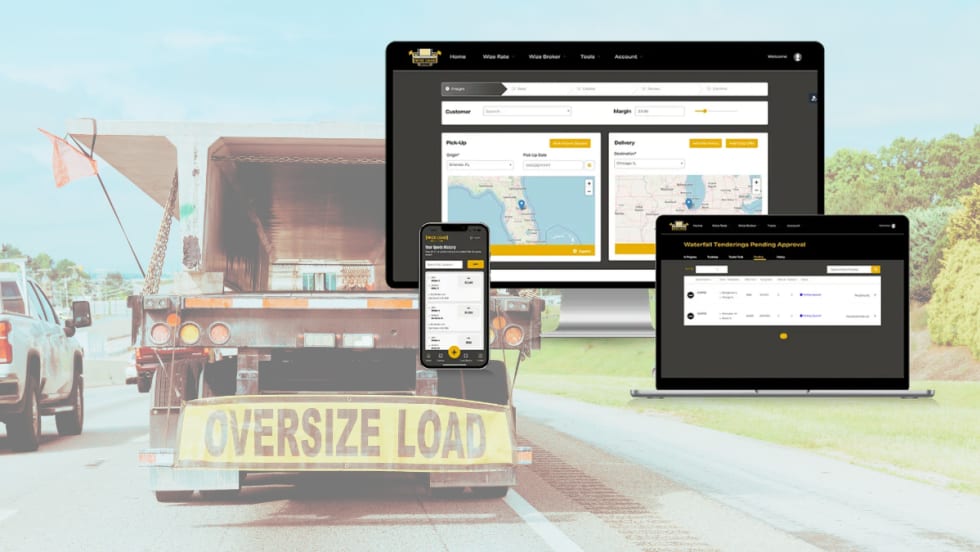
Truckstop.com Adding to Open Deck, Heavy Haul Offerings
Load matching for flatbed, lowbed, oversize and overweight loads can't be automated like basic van freight, but Truckstop.com is adding more high-tech tools to help.
Read More →
Trucker Path, Truckstop.com Expand Load Access Partnership
An expanded Trucker Path and Truckstop.com integration brings more freight opportunities into the TruckLoads app while emphasizing security and network quality.
Read More →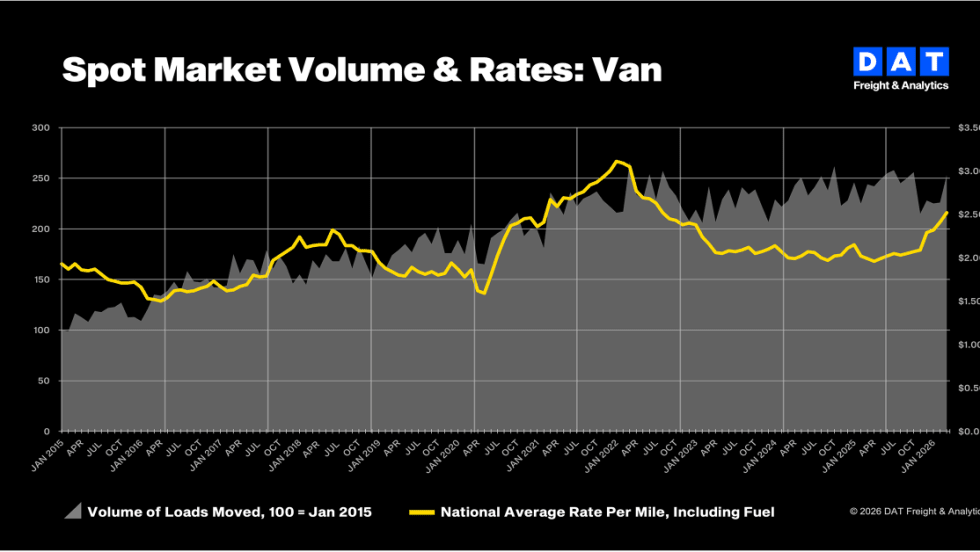
Truckload Rates Hit Two-Year Highs as Diesel Costs Surge, DAT Says
Strong March freight demand combined with a spike in fuel costs pushed both spot and contract truckload rates to their highest levels in more than two years.
Read More →
The AI Conversation You Need to Have with Your TMS Provider
Everyone’s talking about AI — but is your transportation management system actually built for it?
Read More →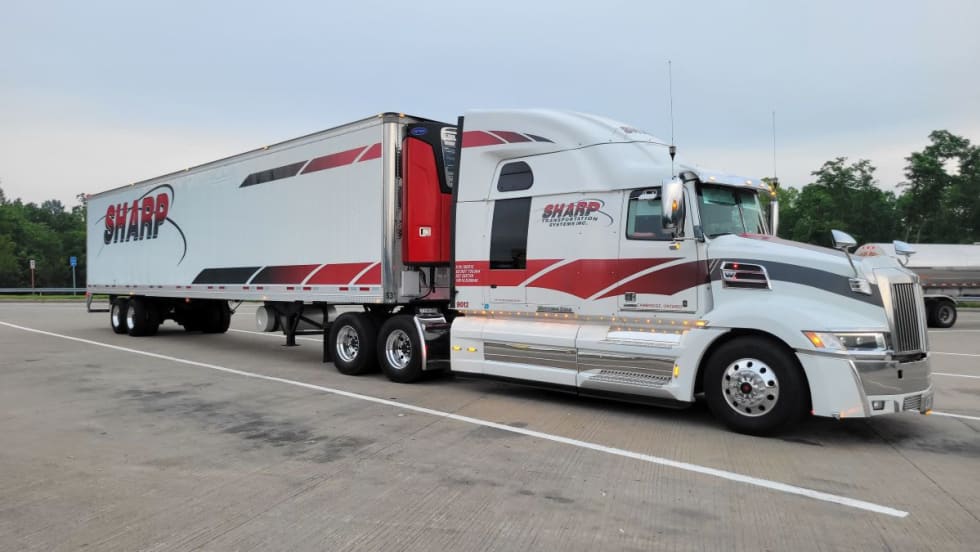
Kriska Buys Fellow Canadian Carrier Sharp Transportation Systems
Being part of KTG will allow Sharp to expand and improve its services.
Read More →
Bill in House Would Raise Minimum Insurance for Motor Carriers to $5 Million
The Fair Compensation for Truck Crash Victims Act would increase insurance requirements for interstate motor carriers by nearly seven times.
Read More →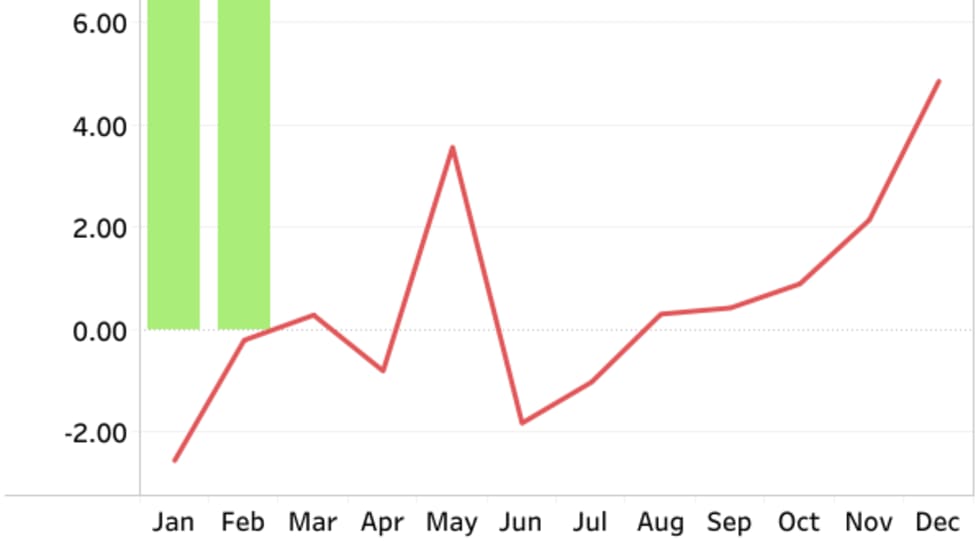
FTR Trucking Conditions Index Hits Four-Year High in February
Strong freight rates push TCI to 10.2, but FTR expects fuel-price volatility to skew March results.
Read More →
C.H. Robinson Offers Carriers Relief as Diesel Prices Surge
C.H. Robinson is waiving fees on fuel cards and cash advances for April and May, aiming to help carriers offset rising diesel costs tied to geopolitical instability.
Read More →