




Over the years courts have identified on a case-by-case basis various facts or factors that are relevant in determining whether an employer-employee relationship exists.
In 1987, based on an examination of cases and rulings, the Internal Revenue Service developed a list of 20 factors that may be examined in determining whether an employer-employee relationship exists. The degree of importance of each factor varies depending on the occupation and the factual context in which the services are performed; factors other than the listed 20 factors may also be relevant.
The 20 factors identified by the IRS are as follows:
1. Instructions: If the person for whom the services are performed has the right to require compliance with instructions, this indicates employee status.
2. Training: Worker training (e.g., by requiring attendance at training sessions) indicates that the person for whom services are performed wants the services performed in a particular manner (which indicates employee status).
3. Integration: Integration of the worker's services into the business operations of the person for whom services are performed is an indication of employee status.
4. Services rendered personally: If the services are required to be performed personally, this is an indication that the person for whom services are performed is interested in the methods used to accomplish the work (which indicates employee status).
5. Hiring, supervision, and paying assistants: If the person for whom services are performed hires, supervises or pays assistants, this generally indicates employee status. However, if the worker hires and supervises others under a contract pursuant to which the worker agrees to provide material and labor and is only responsible for the result, this indicates independent contractor status.
6. Continuing relationship: A continuing relationship between the worker and the person for whom the services are performed indicates employee status.
7. Set hours of work: The establishment of set hours for the worker indicates employee status.
8. Full time required: If the worker must devote substantially full time to the business of the person for whom services are performed, this indicates employee status. An independent contractor is free to work when and for whom he or she chooses.
9. Doing work on employer's premises: If the work is performed on the premises of the person for whom the services are performed, this indicates employee status, especially if the work could be done elsewhere.
10. Order or sequence test: If a worker must perform services in the order or sequence set by the person for whom services are performed, that shows the worker is not free to follow his or her own pattern of work, and indicates employee status.
11. Oral or written reports: A requirement that the worker submit regular reports indicates employee status.
12. Payment by the hour, week, or month: Payment by the hour, week, or month generally points to employment status; payment by the job or a commission indicates independent contractor status.
13. Payment of business and/or traveling expenses. If the person for whom the services are performed pays expenses, this indicates employee status. An employer, to control expenses, generally retains the right to direct the worker.
14. Furnishing tools and materials: The provision of significant tools and materials to the worker indicates employee status.
15. Significant investment: Investment in facilities used by the worker indicates independent contractor status.
16. Realization of profit or loss: A worker who can realize a profit or suffer a loss as a result of the services (in addition to profit or loss ordinarily realized by employees) is generally an independent contractor.
17. Working for more than one firm at a time: If a worker performs more than de minimis services for multiple firms at the same time, that generally indicates independent contractor status.
18. Making service available to the general public: If a worker makes his or her services available to the public on a regular and consistent basis, that indicates independent contractor status.
19. Right to discharge: The right to discharge a worker is a factor indicating that the worker is an employee.
20. Right to terminate: If a worker has the right to terminate the relationship with the person for whom services are performed at any time he or she wishes without incurring liability, that indicates employee status.
Employee or Contractor?
Over the years courts have identified on a case-by-case basis various facts or factors that are relevant in determining whether an employer-employee relationship exists
More Fleet Management

'Beyond Compliance,' Regulations, Driver Coaching on ATRI’s 2026 Research List
The American Transportation Research Institute will examine driver coaching, regulatory impacts — including the "Beyond Compliance" concept —and weather disruptions that shape trucking operations.
Read More →
Fleet Advantage's Brian Antonellis on the Growing Need to Replace Old Trucks
Fleet Advantage's Brian Antonellis says it's time for fleets to get back to the fundamentals of good maintenance practices. And that includes replacing older, inefficient equipment.
Read More →
Truckstop.com Adding to Open Deck, Heavy Haul Offerings
Load matching for flatbed, lowbed, oversize and overweight loads can't be automated like basic van freight, but Truckstop.com is adding more high-tech tools to help.
Read More →
Trucker Path, Truckstop.com Expand Load Access Partnership
An expanded Trucker Path and Truckstop.com integration brings more freight opportunities into the TruckLoads app while emphasizing security and network quality.
Read More →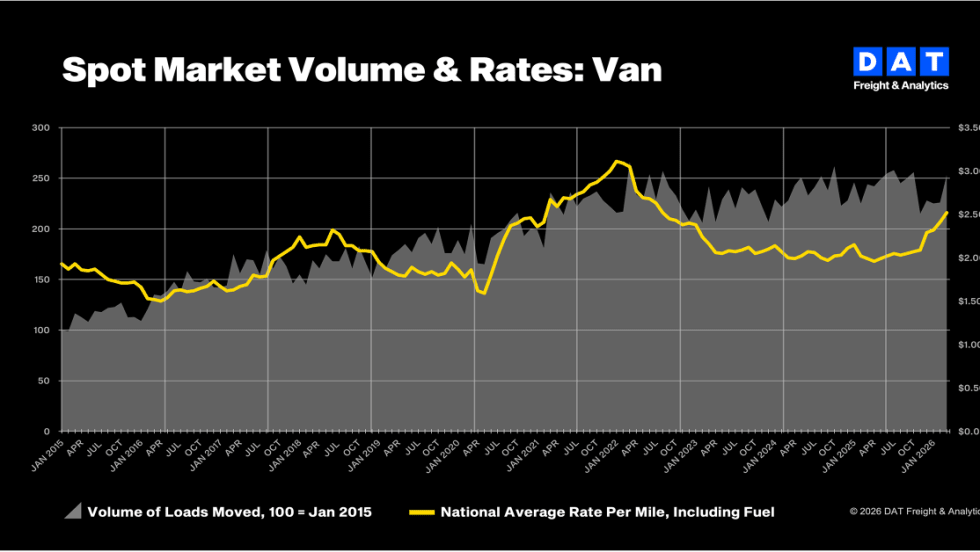
Truckload Rates Hit Two-Year Highs as Diesel Costs Surge, DAT Says
Strong March freight demand combined with a spike in fuel costs pushed both spot and contract truckload rates to their highest levels in more than two years.
Read More →
The AI Conversation You Need to Have with Your TMS Provider
Everyone’s talking about AI — but is your transportation management system actually built for it?
Read More →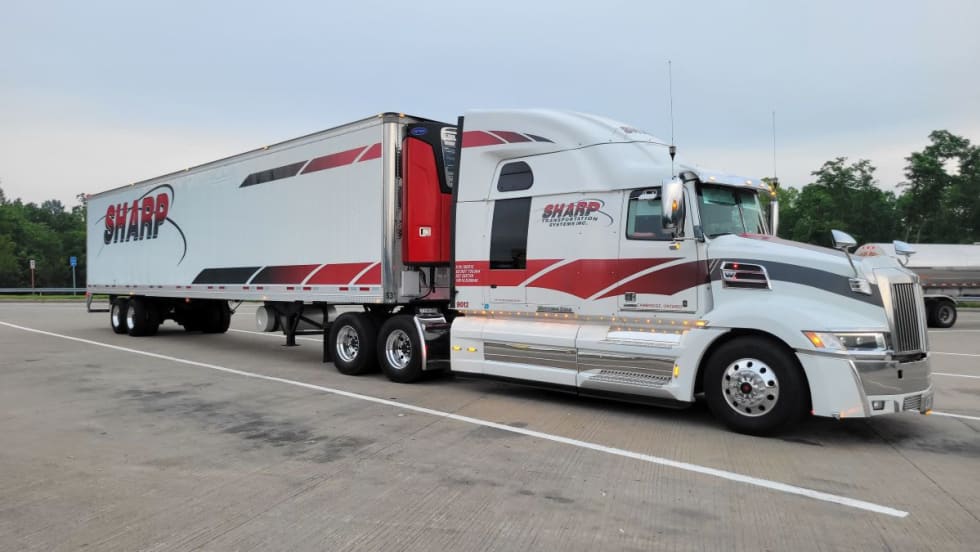
Kriska Buys Fellow Canadian Carrier Sharp Transportation Systems
Being part of KTG will allow Sharp to expand and improve its services.
Read More →
Bill in House Would Raise Minimum Insurance for Motor Carriers to $5 Million
The Fair Compensation for Truck Crash Victims Act would increase insurance requirements for interstate motor carriers by nearly seven times.
Read More →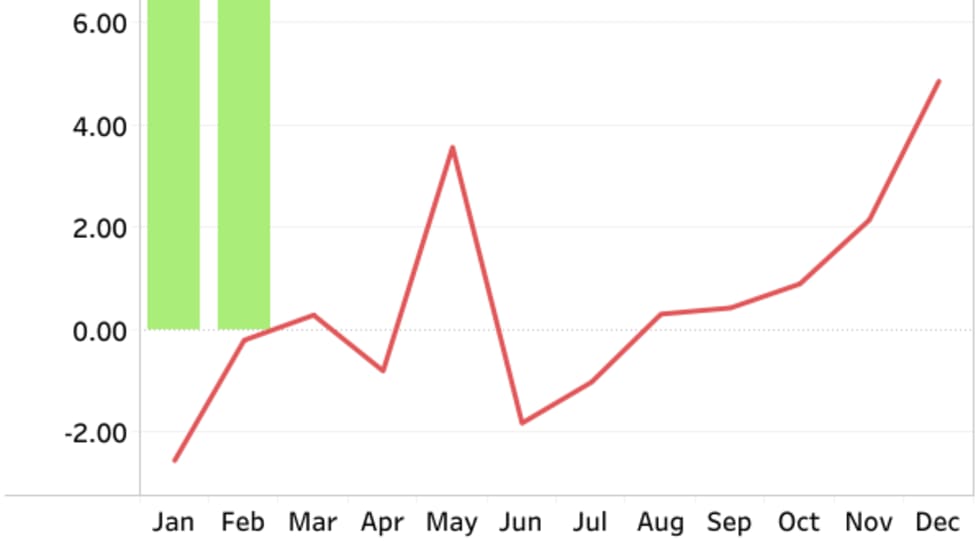
FTR Trucking Conditions Index Hits Four-Year High in February
Strong freight rates push TCI to 10.2, but FTR expects fuel-price volatility to skew March results.
Read More →
C.H. Robinson Offers Carriers Relief as Diesel Prices Surge
C.H. Robinson is waiving fees on fuel cards and cash advances for April and May, aiming to help carriers offset rising diesel costs tied to geopolitical instability.
Read More →