




Truck drivers' long and storied tradition as Knights of the Road took on new meaning after 9/11.
In addition to rescuing the stranded and looking out for dangerous behavior and bad characters, drivers were enlisted in a Transportation Security Administration program to serve as eyes and ears for the intelligence services in the war against terrorism. It is a role that drivers and trucking companies have been proud to play.
But the program has not had a smooth ride and still faces challenges.
Until last year, it was administered by the American Trucking Associations under the name Highway Watch. Recently it was reintroduced under new management and with a new name: First Observer.
The change was triggered by a congressional requirement that TSA's sole-source agreement with ATA be put out to competitive bidding.
The Highway Watch Story
The TSA program began in 2003, when the agency and ATA, which had been running Highway Watch as a safety project in cooperation with state authorities, entered a cooperative agreement to expand the program to include national security. Over the next four years TSA awarded the trucking association $63 million in grants to run the program, essentially under a congressional earmark.
Last year, under orders from Congress, TSA opened the program to competitive bids. ATA was outbid by a professional services firm, HMS Company, whose subcontractors for this project include the Teamsters union and the Owner-Operator Independent Drivers Association. HMS's version of the program, First Observer, was officially rolled out at the end of May. HMS will run the program for three years under a $15.5 million grant from TSA.
Before the competitive bidding process began, in response to legislation authored by Sen. Frank Lautenberg, D-N.J., the Department of Homeland Security's inspector general undertook an audit of the Highway Watch program. In calling for the audit, Lautenberg noted that the money was going "in a no-bid fashion to a trucking industry lobbying group."
The inspector general found that while ATA had success signing up and training Highway Watch members, there were problems with the program.
Over the course of the program, ATA enrolled more than 800,000 drivers and others, and provided training, communications and information sharing and analysis. But according to the inspector general, ATA's outreach was not broad enough. The association relied mainly on its affiliated state trucking associations for recruiting, training and enrolling Highway Watch members, and did not encourage industry-wide participation, the IG said.
"This strategy left many industry organizations, which had the capacity to recruit their members or develop more specialized training, antagonistic or indifferent toward the program," the IG said.
"We interviewed representatives of school bus associations, state and local law enforcement and highway industry officers, union drivers, passenger bus companies, and independent owner-operators," the IG said. "With the exception of school bus associations, ATA did not collaborate with or offer reimbursement to industry organizations to recruit, train, and enroll their members into Highway Watch."
ATA challenges this assessment. "ATA did reach out to many highway and trucking-related groups, several of which submitted proposals to ATA to do specific tasks for various amounts of money paid to them," said spokesman Clayton Boyce early in May. "ATA was operating on a budget fixed by Congress and the agency, that limited ATA's ability to fund all the various proposals. ATA chose an approach that it believed would most efficiently and effectively involve the broadest highway and trucking-related audience."
The IG placed some of the blame on DHS for using enrollment as the primary measure of ATA's performance - even though ATA questioned that approach - and for not properly managing the agreement. That shortcoming, in turn, was caused by shifting responsibilities within the department as it struggled to find solid organizational footing as a new agency under a great deal of pressure.
Overall, the IG said, it was not clear if the benefits of Highway Watch were worth the costs, but the transportation security program should continue.
The New Program
In any event, that chapter of the story ended when TSA awarded the contract to HMS Company for First Observer.
The program was scheduled to be officially introduced at an event in Washington, D.C., at the end of May.
The objective remains the same: recruit and train trucking and other highway professionals to help protect transportation against terrorist attack. And the components of the program are similar. They include outreach and recruiting, training, maintaining a round-the-clock call center, providing an Information Sharing and Analysis Center to serve as a conduit between the industry and government, program oversight and - new to this contract - long-term planning.
Charles Hall, president of HMS, said that the theme of First Observer is inclusiveness. "We're not touting any one stakeholder community as being more important than another. Our plan is to reach out aggressively and as widespread as possible to the commercial transportation industry."
Hall was responding to concerns that have been raised within the motor carrier community about the connection between First Observer and the Teamsters and OOIDA. Carriers are worried that their drivers' enrollment information might be passed on to those groups, said several close observers of the issue.
Both Hall and Bill Arrington, the program manager for First Observer at TSA, said the data would be well protected.
"We are very much aware (of the concern)," Arrington said. "From an employer's standpoint we can certainly understand that concern. So the information is protected. It is not something that even TSA can get, let alone the Teamsters or OOIDA."
Hall said, "HMS as the grantee is the sole entity responsible for maintaining and safeguarding stakeholder's data. We don't collect any data beyond the name and information that will allow us or law enforcement to reach out or contact the person if there's an actual incident: name, telephone or cell, address. The company name is optional."
He added that HMS is an independent organization. "We have no union participation inside HMS, be it in our call center or our staff. There is no way the data can be compromised."
Hall said that when carriers hear this message they are relieved. Still, the process of getting the message out has only just begun, and Hall has met with few industry organizations so far. As of early May he had met some ATA staff but had not had a formal conversation with anyone at the association.
Protecting Privacy
ATA has already answered one question. It has declined to provide First Observer with the membership roster from Highway Watch. "Honoring privacy obligations, we will not disclose member information to third parties," said Boyce. This applies whether or not the Highway Watch member was a member of ATA, he added.
This position reflects the concern among carriers about the Teamsters-OOIDA connection. "If carriers found out that all of the information they provided voluntarily to Highway Watch at the urging of the industry had been turned over to a group involving the Teamsters and OOIDA, the folks at ATA would get their heads handed to them and rightfully so," said John Conley, president of the National Tank Truck Carriers.
Hall acknowledged that the lack of the Highway Watch data has slowed progress for First Observer. "I wouldn't term it a problem. It means that we start to build the program one record at a time, as opposed to adding a layer to what was already established. We would have liked to have had those records. It would have allowed us to come out of the blocks a lot faster."
He also said that all drivers who had tra
Eyes on the Road: First Observer Takes Over for Highway Watch
Truck drivers' long and storied tradition as Knights of the Road took on new meaning after 9/11

More Fleet Management

'Beyond Compliance,' Regulations, Driver Coaching on ATRI’s 2026 Research List
The American Transportation Research Institute will examine driver coaching, regulatory impacts — including the "Beyond Compliance" concept —and weather disruptions that shape trucking operations.
Read More →
Fleet Advantage's Brian Antonellis on the Growing Need to Replace Old Trucks
Fleet Advantage's Brian Antonellis says it's time for fleets to get back to the fundamentals of good maintenance practices. And that includes replacing older, inefficient equipment.
Read More →
Truckstop.com Adding to Open Deck, Heavy Haul Offerings
Load matching for flatbed, lowbed, oversize and overweight loads can't be automated like basic van freight, but Truckstop.com is adding more high-tech tools to help.
Read More →
Trucker Path, Truckstop.com Expand Load Access Partnership
An expanded Trucker Path and Truckstop.com integration brings more freight opportunities into the TruckLoads app while emphasizing security and network quality.
Read More →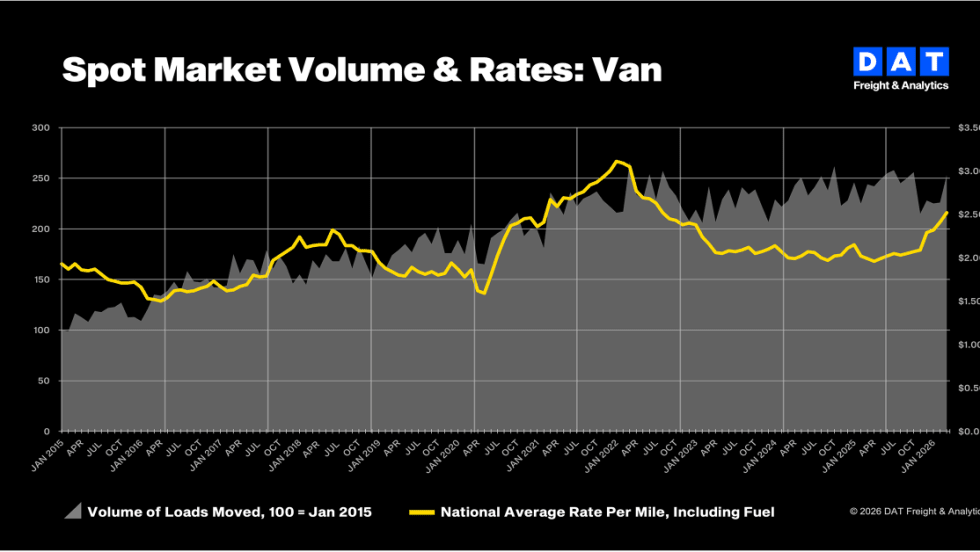
Truckload Rates Hit Two-Year Highs as Diesel Costs Surge, DAT Says
Strong March freight demand combined with a spike in fuel costs pushed both spot and contract truckload rates to their highest levels in more than two years.
Read More →
The AI Conversation You Need to Have with Your TMS Provider
Everyone’s talking about AI — but is your transportation management system actually built for it?
Read More →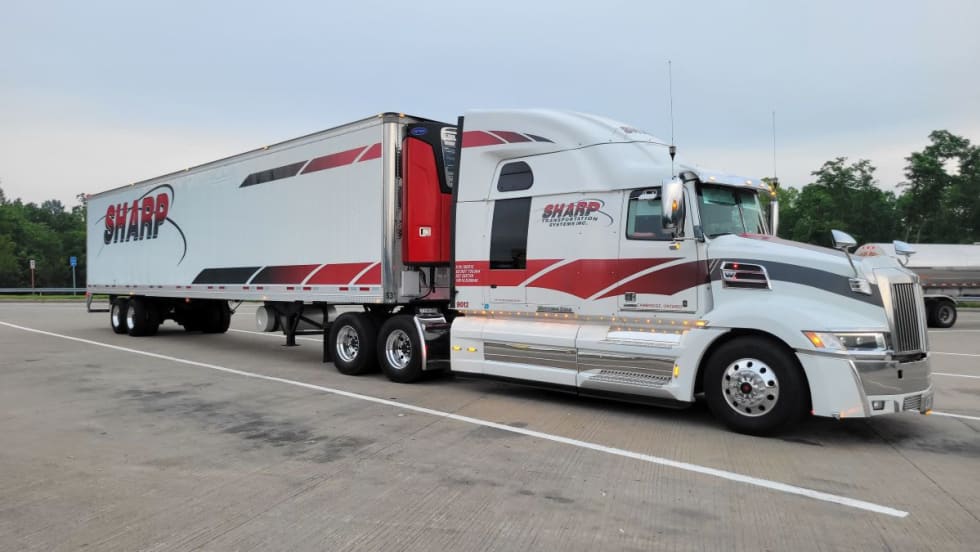
Kriska Buys Fellow Canadian Carrier Sharp Transportation Systems
Being part of KTG will allow Sharp to expand and improve its services.
Read More →
Bill in House Would Raise Minimum Insurance for Motor Carriers to $5 Million
The Fair Compensation for Truck Crash Victims Act would increase insurance requirements for interstate motor carriers by nearly seven times.
Read More →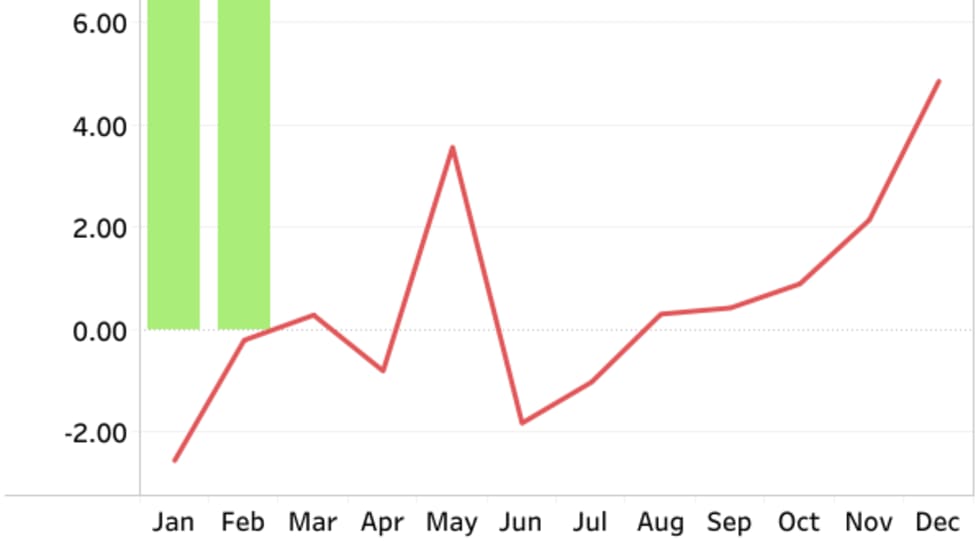
FTR Trucking Conditions Index Hits Four-Year High in February
Strong freight rates push TCI to 10.2, but FTR expects fuel-price volatility to skew March results.
Read More →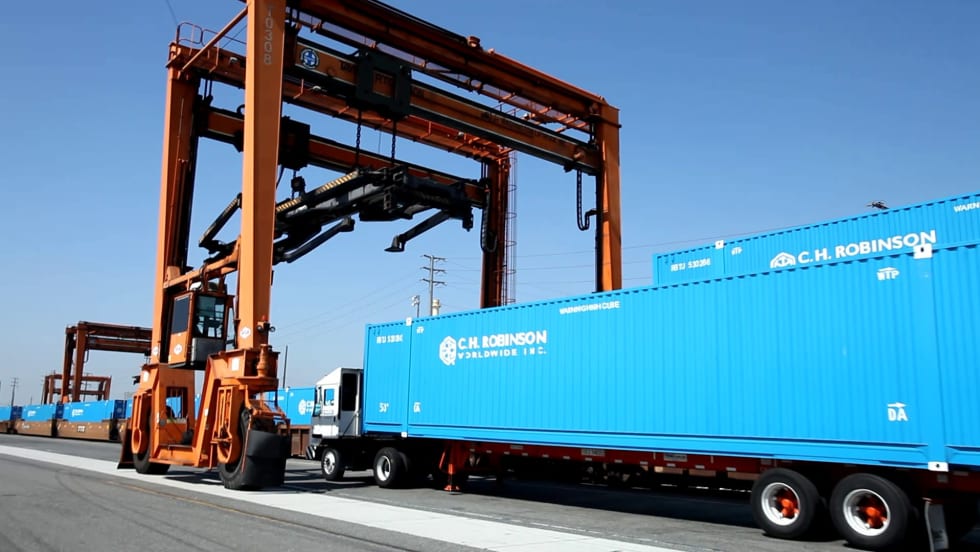
C.H. Robinson Offers Carriers Relief as Diesel Prices Surge
C.H. Robinson is waiving fees on fuel cards and cash advances for April and May, aiming to help carriers offset rising diesel costs tied to geopolitical instability.
Read More →