




HNI recently held a workshop called FMCSA Safety Audit Requirements and How to Prepare, featuring FMCSA and Wisconsin State Patrol officials talking about new policies and procedures in place.
It was brought to our attention that not only is FMCSA's auditing process changing, but so are the techniques used by the auditors.
With CSA being the most common reason for a visit from FMCSA, most carriers will not receive a "full compliance review" but instead will receive a "focused review." This is usually listed at a "non-ratable review." That means the inspector cannot issue a satisfactory rating -- but he or she can reduce a fleet's rating to conditional or unsatisfactory.
This will occur if they discover a violation (or violations) during the review which in a full compliance review would cause the carrier to receive a conditional or unsatisfactory rating (for instance, hours of service violation that results in a pattern of non-compliance or more than 10% for any one type of violation).
FMCSA Refocusing Attention in Safety Audits
HNI recently held a workshop called FMCSA Safety Audit Requirements and How to Prepare, featuring FMCSA and Wisconsin State Patrol officials talking about new policies and procedures in place
Another interesting thing was how FMCSA is focusing on best practices and procedures internally so inspectors are more effective at ensuring compliance.
For instance, take the Maintenance Basic and DVIRs. With the information gathered from CSA, the FMCSA is looking at the percentage of defects in the maintenance area vs. the number of inspections. If done correctly, common sense would dictate that the percentage of defects uncovered in the DVIR process should have similar results to those uncovered during a roadside inspection.
The reality is that the DVIR process shows a significantly lower percentage of defects than those discovered during a roadside inspection. This is telling us that drivers are either not listing defects or that they do not understand the DVIR process.
Many drivers think that the DVIR process is a "post trip inspection" where you list what you discover during an actual inspection, whereas the regulations state:
396.11
a) Report required. (1) Motor carriers. Every motor carrier shall require its drivers to report, and every driver shall prepare a report in writing at the completion of each day's work on each vehicle operated...
And:
b) Report content. The report shall identify the vehicle and list any defect or deficiency discovered by or reported to the driver which would affect the safety of operation of the vehicle or result in its mechanical breakdown. If no defect or deficiency is discovered by or reported to the driver...
This means the driver is to fill out the report and list anything that he/she was aware of or was notified was wrong with the unit(s) that day!
So, what is a carrier to do? During the event, a number of people described their processes for ensuring DVIR completion and accuracy. Some ideas to consider:
1. Make sure your drivers are properly trained and that the culture of your company requires proper pre-trip and DVIR procedures, with no exceptions allowed.
2. Have a process in place that ensures that whenever a mechanic performs a repair that should have been listed on the DVIR but wasn't, the mechanic should immediately report this to the safety director.
3. Have someone assigned to notify the driver when there is a DVIR error, meet with him or her, and make sure he or she receives proper training (along with documentation) to ensure this does not happen in the future.
4. Use your supervisors as a check and balance. Get out there and make sure your drivers are doing thorough pre-trip inspections, and periodically do spot checks on the truck for any issues that may have been overlooked.
5. Have some fun and make it a challenge. Randomly put some sort of a sticker or marker on various locations on units that a driver will see if he/she does a pre trip inspection (Make sure you keep track and note where and when they were placed). Anyone who finds a sticker is to call in or stop by safety and report it. Each month have a drawing from those who turned in their stickers (if you didn't find all or missed one your disqualified for the month) and give away a prize. Contact drivers who do not call in and make them show you how they do pretrip inspections and make sure they understand that not doing them is not acceptable.
Best practices don't have to be complicated.
It's not just about CSA. We don't want people needlessly injured, roadside breakdowns (along with the roadside repair expenses), and customer service failures related to our equipment. We want to know when something is wrong. It's usually cheaper to fix something then to let it develop into a larger issue.
In short, it's worthwhile to develop a simple process that ultimately not only helps you to be compliant but also saves you money and improves your efficiencies over time.
Don Jerrell is associate vice president of HNI, an insurance and business advisory firm. Previously published in the HNI Steal These Ideas blog, used with permission.
Related Stories:
3/22/2012 How Do You Know Your Drivers Are Doing Proper Inspections?
4/30/2012 How Automated Pre-Tripping of Trailers Could Help Fleets with CSA
7/5/2012 Top 5 Vehicle Maintenance Violations
5/14/2011 CSA and the Maintenance BASIC
More Safety & Compliance

'Beyond Compliance,' Regulations, Driver Coaching on ATRI’s 2026 Research List
The American Transportation Research Institute will examine driver coaching, regulatory impacts — including the "Beyond Compliance" concept —and weather disruptions that shape trucking operations.
Read More →
FMCSA Revamps DataQs to Improve Fairness, Speed of Reviews
New requirements add firm deadlines and independent review steps, addressing long-standing complaints about inconsistent rulings and slow response times.
Read More →
FMCSA Extends Paper Medical Card Exemption … Again
Five states still aren't ready to accept commercial driver medical exam information directly from the medical examiner's registry.
Read More →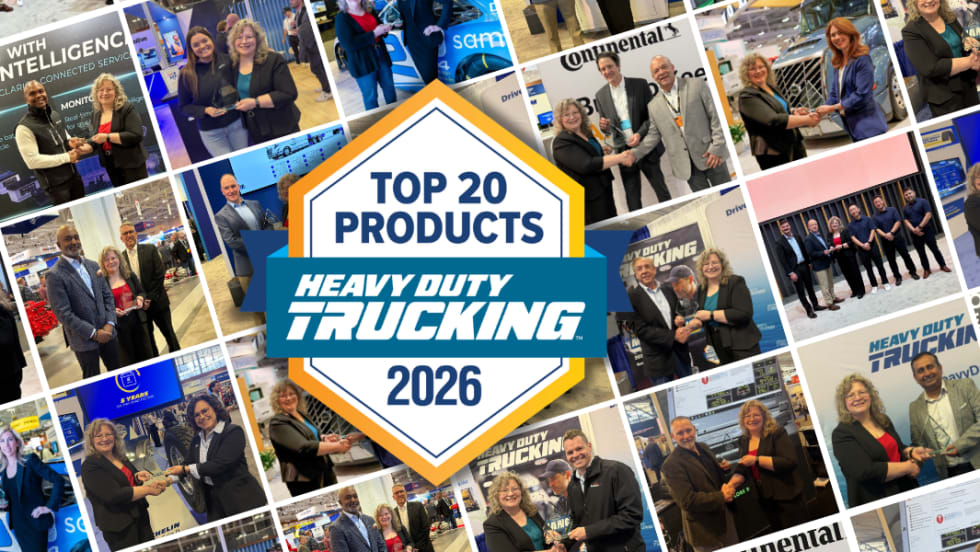
HDT Honors the Best New Products of 2025 at TMC [Photos]
Heavy Duty Trucking's Top 20 Products awards recognize the best new products and technologies. Check out the award presentations at the 2026 Technology & Maintenance Council annual meeting.
Read More →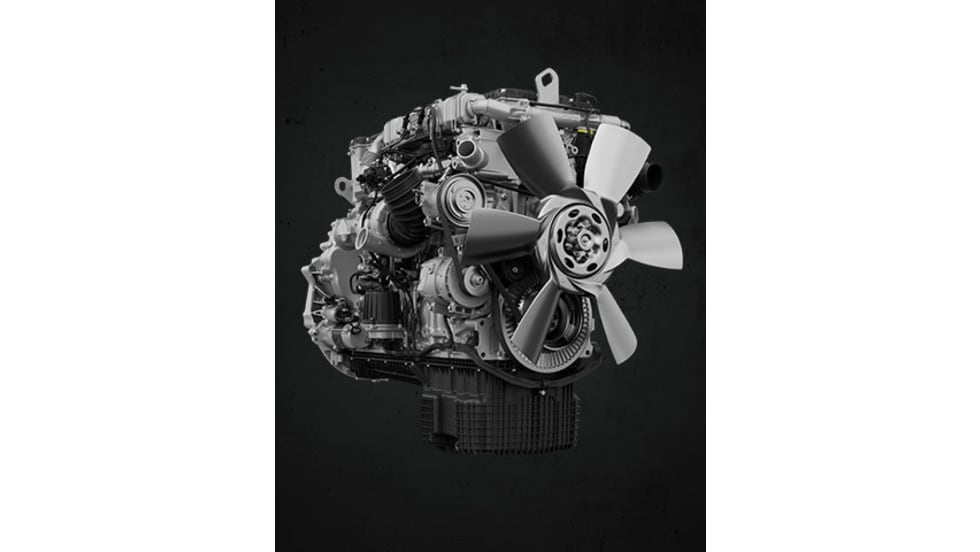
Detroit Engines: Trusted Performance, Built for What's Next
The Detroit® Gen 6 engine platform proves that real progress doesn’t require a complete redesign. Built on 20 years of trusted technology, these engines are designed for efficiency, stronger performance, and greater reliability than before. And they do it all while complying with 2027 EPA standards on every mile.
Read More →
Aperia Expands Halo Platform with Steer-Tire Inflation System, Fifth-Wheel Integration
Aperia Technologies introduced a new automatic tire inflation system for steer axles and a partnership with Fontaine Fifth Wheel to integrate coupling status into its Halo Connect platform.
Read More →
Fleetworthy and HAAS Alert Expand Partnership Stopped Truck Protection Alerts
Fleetworthy and HAAS Alert expanded their partnership to deliver real-time digital alerts that warn motorists when commercial trucks are stopped roadside and notify truck drivers when approaching emergency responders.
Read More →
New Entrants, Chameleon Carriers, and Safety: Is It Too Easy to Start a Trucking Company?
More than 100,000 new trucking companies enter the industry each year, but regulators manage to audit only a fraction of them. That churn creates opportunities for inexperienced startups — and for “chameleon carriers” that shut down after safety violations and reappear under new identities. Read more from Deborah Lockridge in this commentary.
Read More →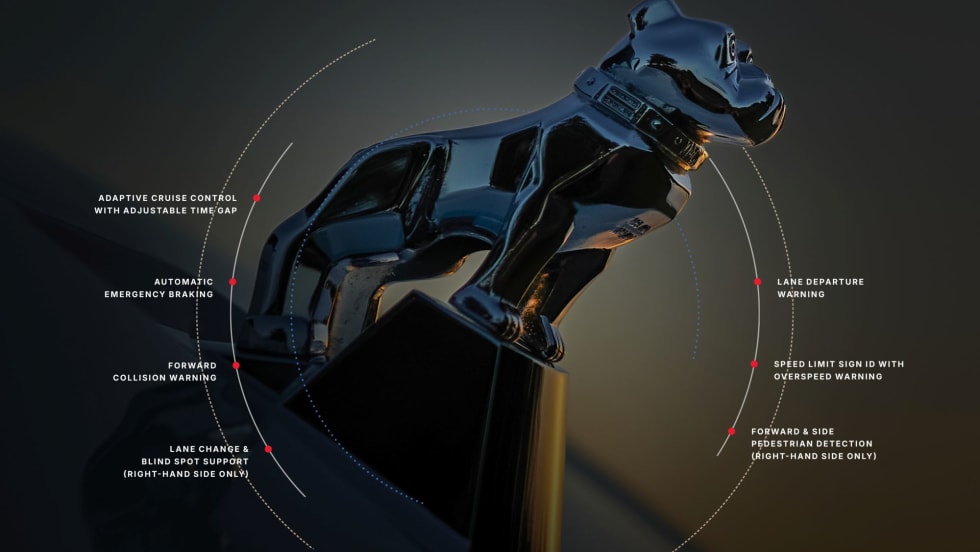
Mack Introduces Mack Protect Collision Mitigation System for MD Series
Mack Trucks has expanded its proprietary Mack Protect collision mitigation platform to the Mack MD Series, bringing heavy-duty safety technology to medium-duty trucks operating in urban and regional environments.
Read More →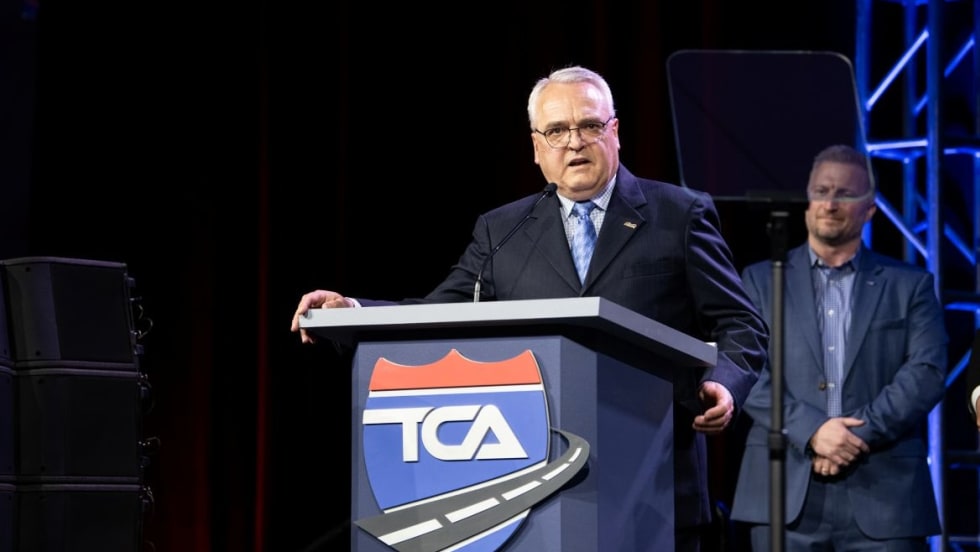
Bison Transport, Mill Creek Motor Freight Win TCA Fleet Safety Awards Grand Prize
Two Canadian fleets earned the Grand Prize in the Truckload Carriers Association’s 2025 Fleet Safety Awards, recognizing the industry’s top safety performance based on accident frequency and safety programs.
Read More →