




Winter weather and the harsh driving conditions that come with it can be hard on trucks, but Mitsubishi Fuso Truck of America suggests that downtime can be minimized with proper maintenance procedures.
Getting Your Work Truck Ready for Winter
Winter weather and the harsh driving conditions that come with it can be hard on trucks, but Mitsubishi Fuso Truck of America suggests that downtime can be minimized with proper maintenance procedures.
by Staff
November 29, 2012
4 min to read
Here is a list of winter preparation measures that should be part of every owner's truck maintenance program, the company says. Some are routine and apply to every vehicle in the fleet; some are more specific to medium-duty trucks, but all will help keep trucks safely on the road in spite of the rigors of winter driving.
Check DEF system
One of the newest items in the maintenance checklist appears courtesy of the EPA 2010 emissions regulations - specifically for diesel engine models using urea-based diesel exhaust fluid in their emissions control systems.
The freezing point of DEF is 12F (-11C), so it is likely to freeze in many northern locales, but should thaw under normal operation within 45 minutes, as virtually all medium-duty trucks' emissions systems are designed to accommodate this. Periodic checks for any system leaks are an important part of a winterization regimen.
Check and maintain engine heaters
While medium-duty trucks have typically used block heaters to keep engine oil warm, some newer models use oil-pan heaters. These latter units are mounted to the pan, and heat the engine pan and oil directly, so they can be smaller and more efficient than block heaters.
Block heaters, on the other hand, are typically mounted 12 inches or so above the oil pan, and generally heat the engine coolant, which in turn conducts heat to the block to aid in cold-weather starting.
Check coolant for proper protection levels.
Coolant life is typically specified by the coolant manufacturers at 24 months, so if coolant is older than that, the system should be flushed and the coolant replaced.
While the antifreeze properties of the coolant may not dissipate with time, additives that provide corrosion protection, anti-gumming and other ancillary protection functions do break down with time, compromising overall performance.
Fuel matters
For diesel engine models, make sure fuel is ASTM D-975 Grade 1 diesel in areas where temperatures may drop below 10 degrees (-12C). Note that for diesel particulate filter-equipped vehicles, ultra low sulfur diesel is required in all temperature conditions.
Service the fuel filter, and drain the water separator to prevent freezing.
Check battery
Test the battery and clean the connections. While battery degradation occurs much more rapidly in hot weather, it is under the high starting load they face in cold weather that batteries typically fail.
Prepare for a clear view
Check windshields for minor chips and pitting. As temperatures decrease and sheet metal contracts, stress on windshields can increase.
Have small chips repaired to help avoid crack propagation and the need for a full windshield replacement.
Check windshield wiper blade condition and replace as necessary. Check and fill windshield washer reservoirs regularly, being sure to use proper winter dilution levels.
Check the operation of heated mirrors, if so equipped.
Ensure traction
Check tire condition and make sure tread thickness is a minimum of 5/32-inches for winter driving. Ensure tires are properly inflated.
For harsh winter conditions, consider a truck with a limited-slip differential, or consider adding a four-wheel drive model.
Put tire chains in the vehicle if severe snow or ice conditions are anticipated.
Check ABS operation at the start of the winter season, even if this requires a variance from the regular brake maintenance schedule.
Also monitor stroke adjustment on drum brakes, fluid levels and parking brake operation.
Check exhaust systems
Check exhaust systems to assure they are free of leaks.
Sitting in slow-moving traffic, creeping because of heavy weather, or parked with the engine running to maintain cab temperature can increase the risk of carbon monoxide entry into the cabin.
Engine maintenance
On diesel-engine models, check glow plug operation.
Check all belts and hoses, and replace as necessary.
Keep it clean
Clean the cab, body and undercarriage weekly to remove road salts in heavy snow areas.
Keep radiator frontal surface clean and free of bugs, dirt and debris.
Don't forget people
Check heater/defroster operation, including function/position of the directional vanes in the system to assure effective defrosting.
Prepare emergency kit - check road flares, fire extinguisher, reflective triangles, first aid kit, water, solar blanket, jumper cables, etc.
Remember that safety extends beyond your own fleet to people you share the road with, so check mudflaps regularly, and replace as necessary.
Subscribe to Our Newsletter
More Maintenance
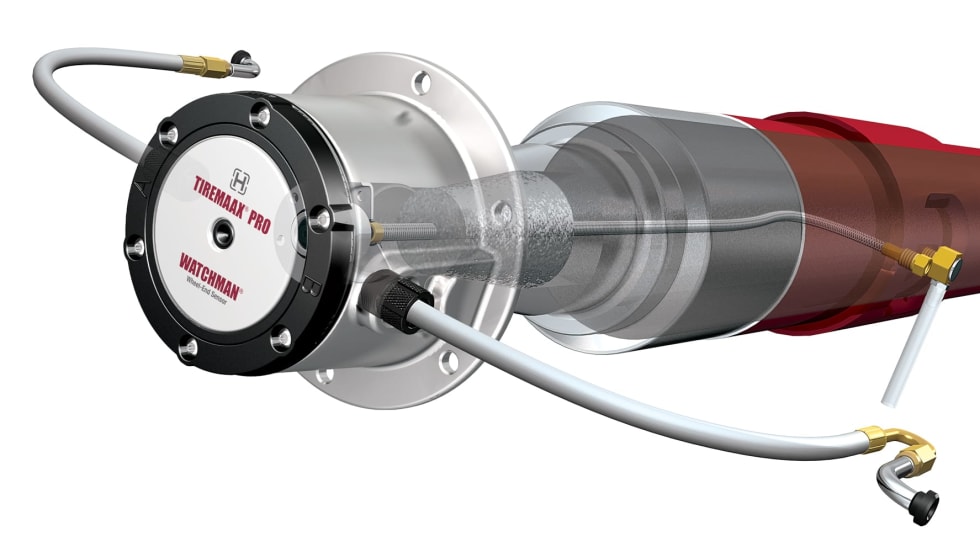
Hendrickson Unveils Watchman Smart Wheel-End System at TMC
Hendrickson’s new sensor platform integrates with its TireMaax system to deliver real-time tire and wheel-end insights, targeting uptime and cost savings.
Read More →
Over-the-Air Updates and the Modern Powertrain Explained
Over-the-air updates are moving beyond recalls, and expanding how fleets manage performance, compliance, and uptime.
Read More →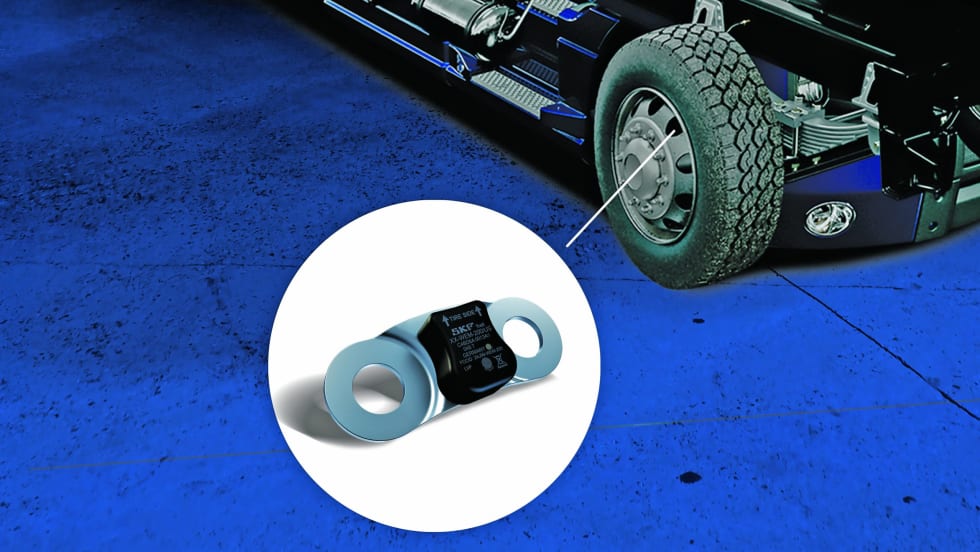
SKF, TMC Expand Hands-On Training to Boost Technician Skills at Annual Meeting
A new partnership between SFK and TMC brings certified, on-site instruction focused on wheel-end reliability and maintenance best practices.
Read More →
Why Higher Pay Isn’t Fixing the Heavy-Duty Technician Shortage
Hiring heavy-duty truck technicians has become a bidding war, but shops that focus on culture, training, and career paths are gaining an edge. That's the takeaway from a TMC panel discussion.
Read More →
Technology & Maintenance Council 2026 Annual Meeting [Photos]
Couldn't make it to Nashville for TMC's 2026 annual meeting? Check out these images.
Read More →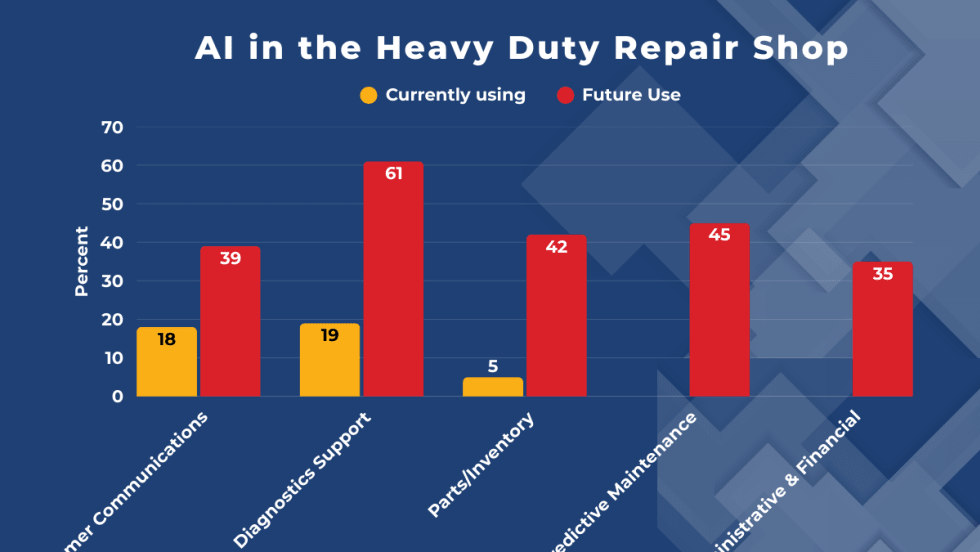
Fullbay Report: Heavy-Duty Shop Revenue Up, Rates Rising, but Shops Still Short on Techs
Strong growth across the heavy-duty repair sector is being tempered by workforce shortages and an aging technician pipeline.
Read More →
How Mack Sees the Next Era of Fleet Intelligence
Telematics has evolved from simple vehicle tracking into a connected service platform that can help fleets boost uptime, improve specifications, and move toward predictive maintenance. Mack executives say AI is now giving fleets a way to turn all that vehicle data into faster, smarter decisions.
Read More →
Clarios Expands Battery Monitoring Into Subscription Service with Battery Manager Pro
A new battery-monitoring-as-a-service program from Clarios Connected Services uses predictive analytics and automatic replacement to reduce downtime and smooth fleet maintenance costs.
Read More →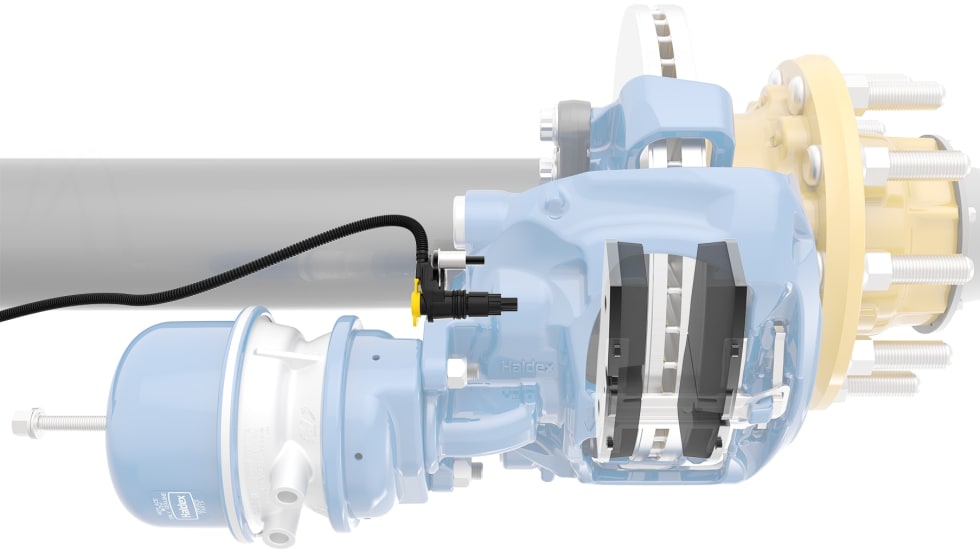
SAF-Holland’s BrakeSight Aims to Take the Guesswork Out of Air Disc Brake Maintenance
New Haldex sensor technology from SAF-Holland integrates with telematics systems to give fleets continuous insight into air disc brake condition.
Read More →
Vanair Introduces Solar, Battery Power Ecosystem for Class 8 Trucks
The company’s expanded EPEQ ecosystem includes flexible solar panels, lithium batteries, hydraulic power systems, and a portable fast charger for electric trucks.
Read More →