




Prime Inc. is headquartered in Springfield, Mo., the “Show-Me State,” and President Robert E. Low says showing drivers genuine appreciation is the key to the company’s relatively low turnover rate and tremendous growth over the years.
 MENU
MENU SEARCH
Prime Inc. is headquartered in Springfield, Mo., the “Show-Me State,” and President Robert E. Low says showing drivers genuine appreciation is the key to the company’s relatively low turnover rate and tremendous growth over the years.
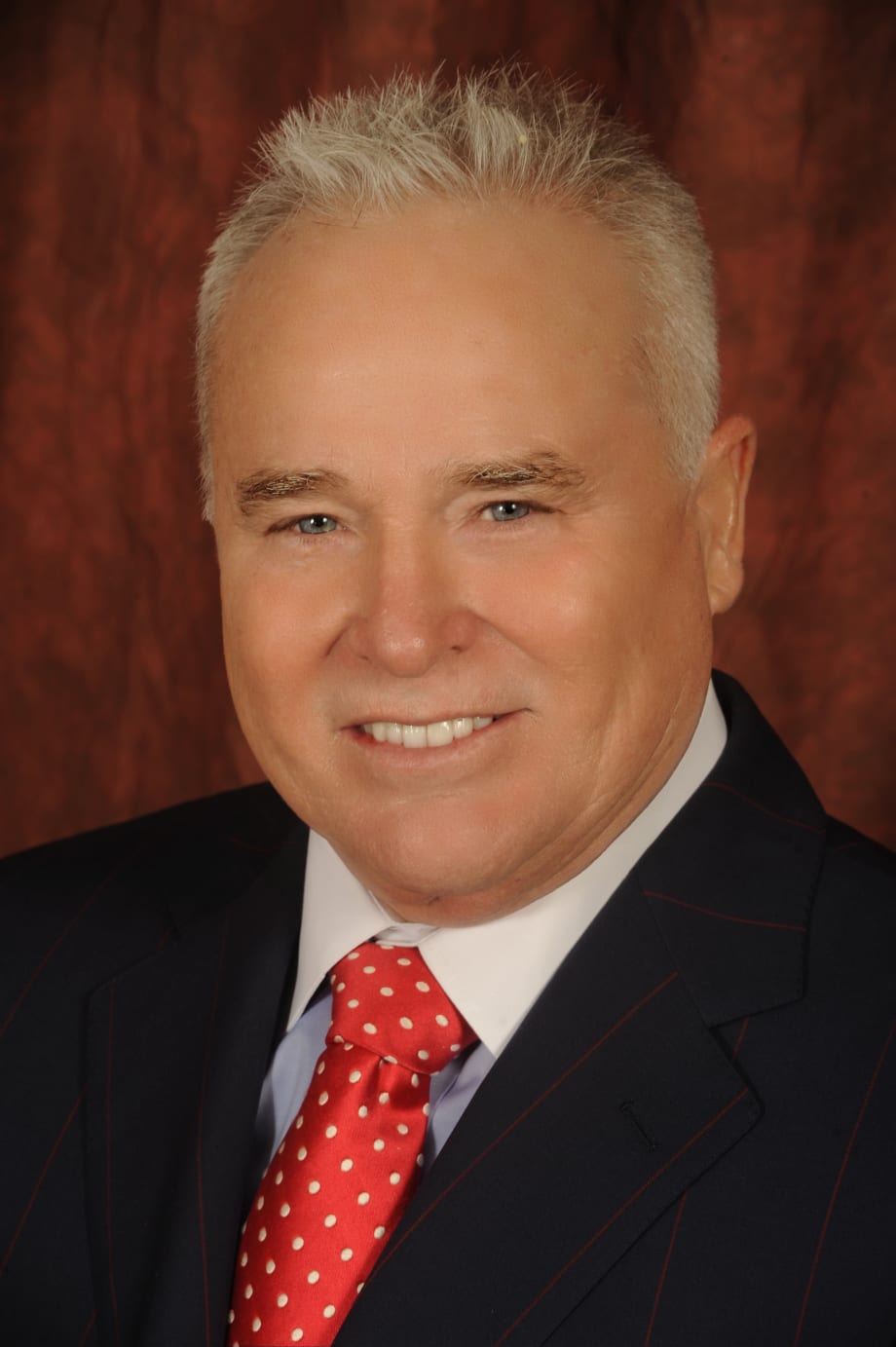
Robert Low, President and Founder - Prime Inc., Springfield, Missouri
Prime Inc. is headquartered in Springfield, Mo., the “Show-Me State,” and President Robert E. Low says showing drivers genuine appreciation is the key to the company’s relatively low turnover rate and tremendous growth over the years.
What would become Prime Inc. got its start when Low bought a dump truck while attending college in the early ‘70s.
He later traded the dump truck for a road truck, then dropped his pursuit of a degree for trucking.
Low doubled the size of the fleet every year from 1972 through 1979, when, at age 29, he made a million dollars. Within two years, however, he paid the price for that rapid growth and landed in bankruptcy court.
Not only had deregulation hit, but the company had too much debt.
“When the prime interest rate went to 21.5%, that ate up that million dollars in profit pretty quickly,” Low says. “We spent three and a half years in Chapter 11. It was really dark times, but we developed a lot of the culture and business practices that we employ today, that have been the touchstones to Prime’s success.”
One of those touchstones is Prime’s independent contractor business model.
“The driver as the owner of the truck is the best way to pay drivers, and the most powerful way to motivate them to act like business-people and be rewarded for the right business practices such as fuel efficiency and productivity,” he says.
The practice started out as a necessity. Prime couldn't get credit to buy new trucks. However, it was able to use available tax incentives to get third-party investors to buy equipment. Prime then teamed up drivers with the investors in a sort of profit-sharing program.
“When Prime came out of Chapter 11, we
kind of took the investors’ place and we continued to refine the program,” Low says.
Today, although about 300 of Prime's contractors own their equipment or are financing it through other sources, most contractors lease their trucks through a Prime subsidiary called Success Leasing.
Then they turn around and lease the truck to Prime under an operating lease. Contractors who decide the grass might be greener at another company are free to sign on elsewhere and keep up their lease payments with Success Leasing.
After the lease is up, drivers can turn in the truck and start a new one. About 15% of the time, Low says, they go ahead and set up a loan with Success Leasing to buy out the residual value and own the truck outright.

Building a smart owner-operator
It's not enough, however, to team up a driver and a truck and expect to have a successful owner-operator.
“We want our drivers to be as capable and as qualified and as knowledgeable and as smart as they can be,” Low says. “They don't have the time and resources the company has to research the most fuel-efficient equipment and driving techniques, so we have programs that help them with that.”
Prime's Associate Career Enhancement, or ACE, program, teaches classes based on Small Business Administration guidelines on how to be in business for yourself, how to create a cash flow report, how to compute miles per gallon, etc.
Today, Prime has more than 5,000 trucks in its fleet, and two-thirds of those are independent contractors. In addition to the individual owner-operators, Prime has a division for small fleets who form their own LLC entities, acquire their own operating authority, get their own insurance, and operate under a brokerage agreement with Prime.
“Some of these guys started here and are up to 50 or 60 trucks,” Low says. “We love seeing that.”
Showing the love
There's a lot more that Prime offers its contractors, as well, which helps explain why its turnover is around 50% although Low says there is still room for improvement.
Training: Prime uses its experienced contractors as CDL training instructors, along with some classroom training, simulators and a private training pad, to help train new drivers.
Trainees must have 80,000 to 100,000 miles in the program as second seats before they're allowed to hit the road on their own.
“They have a good solid foundation from a real quality trainer in a one-to-one teacher-to-student ratio,” Low says.
The amount they're paid is a function of the longevity of the trainee, so the trainers tend to stay in touch with former trainees to help them work through some of the questions and challenges new drivers have, which also helps retention.
Driver Amenities: “We take a lot of pride in our driver amenities,” Low says, believing that by investing in such facilities Prime is showing in a concrete way that it values its contractors.
Its Millennium facility at its headquarters opened in 2000 and features a fitness facility including a basketball court (where Low frequently plays a game with drivers and other employees), a spa, a salon, an upscale cafeteria, a 55-seat movie theater, child care, a physician's office with a company doctor, driver lounges, laundry facilities, sleeping rooms — all the conveniences of home.
Another facility in Scranton, Pa., has many of the same amenities.
Driver Health: As the Truckload Carriers Association chairman this year, Low has made driver health his primary initiative, expanding on work done at Prime Inc.
“If you really love your drivers, what are you doing about their health?” he asks, adding, “The only truly safe driver is a healthy driver.”
Prime has a dedicated driver fitness coach, Siphiwe Baleka, a triath-lete who went through Prime's driver training and lease program.
He runs small groups of drivers through a 13-week program, teaching them how to eat and exercise to lose weight and stay fit.
“It's become very popular to say, ‘We love our drivers,'” Low says. “We try to do things so it's more than that. If you're not walking the talk, it rings hollow.”

The American Transportation Research Institute will examine driver coaching, regulatory impacts — including the "Beyond Compliance" concept —and weather disruptions that shape trucking operations.
Read More →
Fleet Advantage's Brian Antonellis says it's time for fleets to get back to the fundamentals of good maintenance practices. And that includes replacing older, inefficient equipment.
Read More →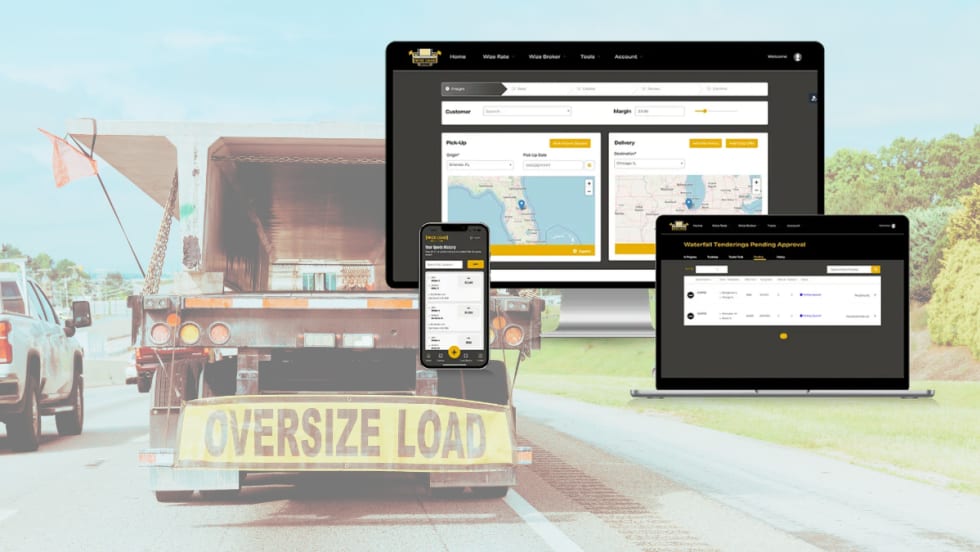
Load matching for flatbed, lowbed, oversize and overweight loads can't be automated like basic van freight, but Truckstop.com is adding more high-tech tools to help.
Read More →
An expanded Trucker Path and Truckstop.com integration brings more freight opportunities into the TruckLoads app while emphasizing security and network quality.
Read More →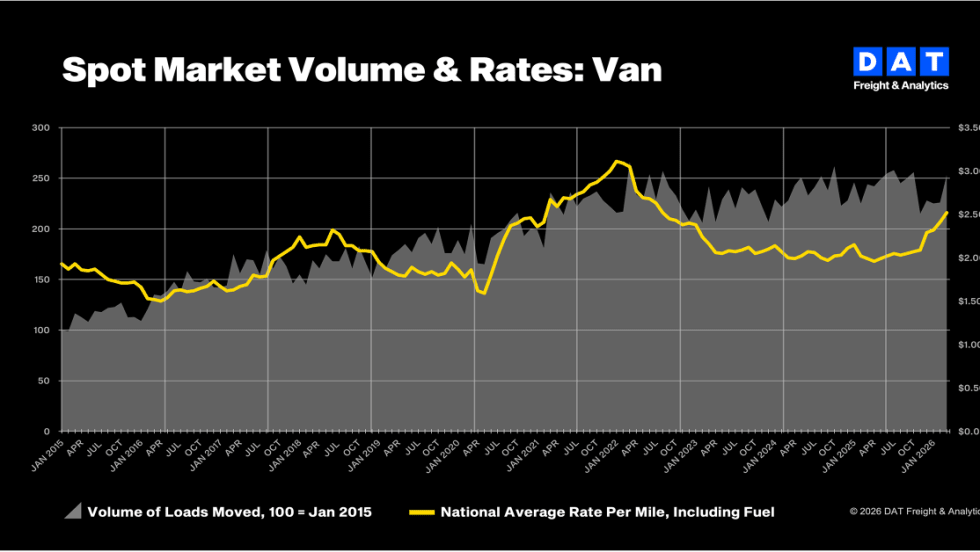
Strong March freight demand combined with a spike in fuel costs pushed both spot and contract truckload rates to their highest levels in more than two years.
Read More →
Everyone’s talking about AI — but is your transportation management system actually built for it?
Read More →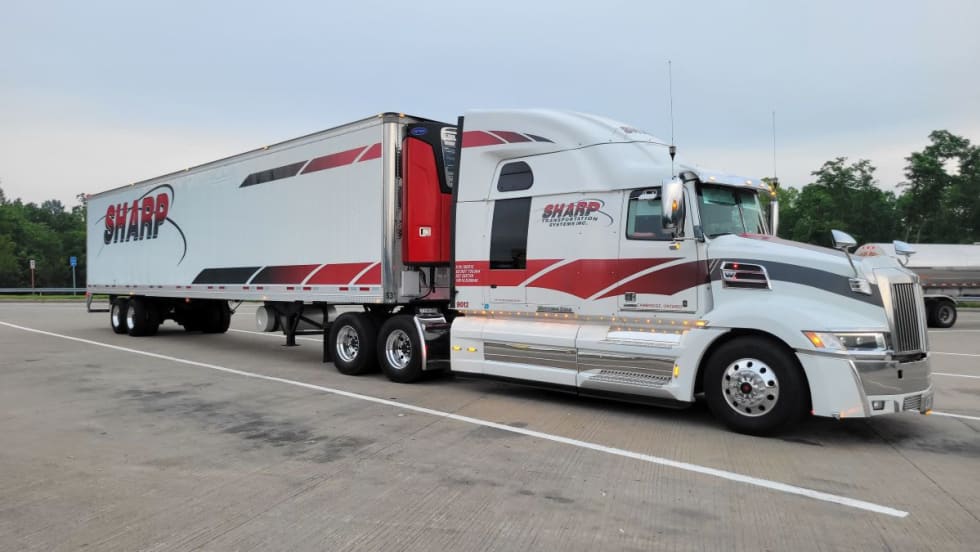
Being part of KTG will allow Sharp to expand and improve its services.
Read More →
The Fair Compensation for Truck Crash Victims Act would increase insurance requirements for interstate motor carriers by nearly seven times.
Read More →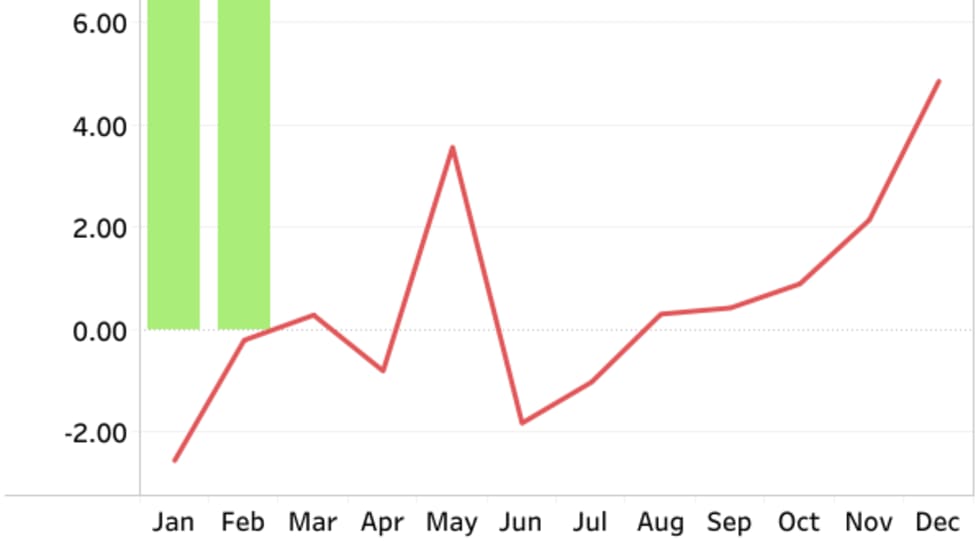
Strong freight rates push TCI to 10.2, but FTR expects fuel-price volatility to skew March results.
Read More →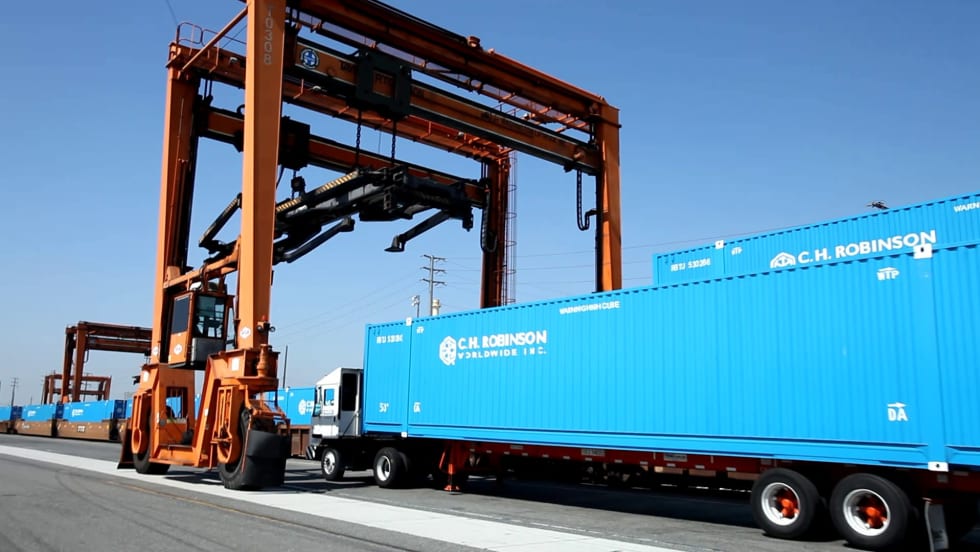
C.H. Robinson is waiving fees on fuel cards and cash advances for April and May, aiming to help carriers offset rising diesel costs tied to geopolitical instability.
Read More →