





Short of rotting pig guts or trash destined for landfill, crooks will grab just about anything they can dispose of quickly and sell without a trace.
Although security efforts are often aimed at "high-value" loads, much of what disappears in transit - or from "secured" terminals - winds up at flea markets, is sold on the black market, or already has an interested buyer.
Stuff like food, pharmaceuticals, and clothing can be sold at a five-finger discount almost anywhere, and nobody raises an eyebrow. Unlike electronics and computers, there are no serial numbers, no identifying marks, and no paper trail, such as product registrations, warranty claims, and customer service inquiries.
"Unfortunately, if you can package it, crate it, and ship it, there is likely a criminal enterprise that wants to steal it," says Chief Eric Ives, head of the Major Theft Unit in the FBI's Criminal Investigative Division.
An Ounce of Prevention
A determined thief will find a way to relieve you of your cargo despite your best efforts, but you can lessen the risk by making them work for their prize. Experts say that there are enough easy pickin's out there that thieves will generally leave the protected trucks alone.
Securely locked trailer doors may be enough, but the lock also can tip the crooks that there's something inside worth protecting. They won't try to bash the lock off in plain view, so that offers a measure of deterrence. Instead, however, they may try to grab the whole truck and open it up somewhere else.
Avoid dropping loaded trailers in unattended locations, but if you must, use a kingpin lock that makes it difficult if not impossible to hook up to. Consider removing the gladhand connectors from the nose of the trailer, or installing gladhand locks. It's small stuff, but it slows the bad guys down, and may deter them completely.
If you own the trailer, consider installing a concealed service air-line shut off valve so the parking brakes won't release.
Drivers can take several measures to secure a parked truck and trailer. Start by backing up against something so the doors cannot be opened. Install security measures like brake valve locks, electronic ignition switch lockouts, steering wheel locks, etc. Concealed air-line or fuel-line shot-offs will slow the bad guys down, though they are becoming more proficient in defeating some of these measures. The absolute and utterly simplest measure is to shut the truck off and take the keys with you when leaving the truck unattended.
Loose Lips
Cargo thieves often know what's in a targeted load by scoping out the shipping facility, but not always. And drivers don't need to help.
It's not tough for cargo thieves to learn what's on your truck, says Chris Parker with Zurich insurance. Just a few minutes at a truckstop, or on the CB, through casual conversation, it can be easy to discern what a driver is hauling.
"Loose lips sink ships," Parker notes. "Watch for unusual chatter and discussion of what they're hauling and where you're going. Others may be very chatty about what they have and where they are going, only to get you to open up about your plans."
Hijacked!
Hijackers usually know - and want - what's inside your trailer. They will track and attempt to seize the truck once it's under way, putting uncooperative drivers at risk.
Some will take a truck at gunpoint and then toss the driver overboard; some will take the driver along for the ride. Others will create some ruse to get the driver to stop so they can take control of the stopped but running truck. If you're lucky, they'll leave you behind.
In all cases, the best tactic is to cooperate or surrender the truck without a fight, says Lt. Chris Costigan of the California Highway Patrol field support section.
"There's nothing heroic about getting hurt or killed trying to protect a load of freight," he says. "The best a driver can do in these circumstances is focus on being a good witness - making note of as much detail as possible - so we stand a better chance of apprehending and identifying the perpetrators."
When All Else Fails
Be a good witness. Keep descriptions and serial numbers, tag numbers, identifying marks, etc. of the truck and trailer, as well as phone numbers and company contact information on your person. They'll do you no good tucked away in a missing truck, and law enforcement can't report it as stolen without that information. Report the incident immediately.
If you are hijacked, always and immediately do as instructed by the hijackers, but listen to what is being said and the sounds around you. It later may provide law enforcement with valuable information as to what the thieves plan to do with your vehicle and load.
"The vast majority of these thefts involve no violence or intimidation. The thieves are very patient and wait for the drivers to leave their vehicle, which they often do when there's no protection in place," says J.J. Coughlin, the law enforcement director for LoJack Supply Chain Integrity.
Don't resist, stay alive and safe, and take care to notice details. The best you can do is provide good descriptions of suspects and their vehicles. You are law enforcement's best witness.
Safety Tips
To minimize the chances of being forcefully parted from the load you're carrying:
• Maintain regular communication with your dispatcher.
• If possible, drive in tandem to lessen chances of being hijacked.
• Be aware of vehicles following your truck. Thieves will often use several vehicles to box in a truck at a stop light, pull the driver out and take the load.
• Be wary of strangers asking questions about what you're carrying. Don't talk about your load on the CB radio - cargo thieves listen too.
• Be suspicious of individuals asking you to stop claiming that you may have hit their car. If unsure whether an accident occurred, drive to a police station or to a well-lit, busy location before stopping. Hijackers frequently use this ruse to get drivers to stop.
• Whenever possible, vary your route, limit the number of stops, and avoid stopping at the same location each time.
• Get as far as possible from the terminal or shipper before you stop for a break.
• Keep your tractor windows rolled up until you are on the open road.
• Be especially watchful immediately after picking up your load. Most armed hijackings occur within a few miles of the pickup point. Freeway on- and off-ramps are particularly dangerous.
• Always lock your tractor doors and don't forget to take the keys with you.
• Make sure all trailer and container doors are secured with a heavy-duty padlock.
• When returning to the truck, check the seal and trailer doors for signs of tampering.
• If driving team, one person should stay with the truck at all times.
• Do not take your load home or park in unsecured areas.
• Avoid dropping loaded trailers in unattended locations. If you must, use a kingpin lock, consider removing the gladhand connectors from the nose of the trailer, or installing gladhand locks.
• If you own the truck, install security measures like brake valve locks, electronic ignition switch lockouts, steering wheel locks, etc.
From the June 2009 issue of Heavy Duty Trucking.
'Hey, Where'd My Truck Go?' Driver Security Tips
Short of rotting pig guts or trash destined for landfill, crooks will grab just about anything they can dispose of quickly and sell without a trace
More Fleet Management

'Beyond Compliance,' Regulations, Driver Coaching on ATRI’s 2026 Research List
The American Transportation Research Institute will examine driver coaching, regulatory impacts — including the "Beyond Compliance" concept —and weather disruptions that shape trucking operations.
Read More →
Fleet Advantage's Brian Antonellis on the Growing Need to Replace Old Trucks
Fleet Advantage's Brian Antonellis says it's time for fleets to get back to the fundamentals of good maintenance practices. And that includes replacing older, inefficient equipment.
Read More →
Truckstop.com Adding to Open Deck, Heavy Haul Offerings
Load matching for flatbed, lowbed, oversize and overweight loads can't be automated like basic van freight, but Truckstop.com is adding more high-tech tools to help.
Read More →
Trucker Path, Truckstop.com Expand Load Access Partnership
An expanded Trucker Path and Truckstop.com integration brings more freight opportunities into the TruckLoads app while emphasizing security and network quality.
Read More →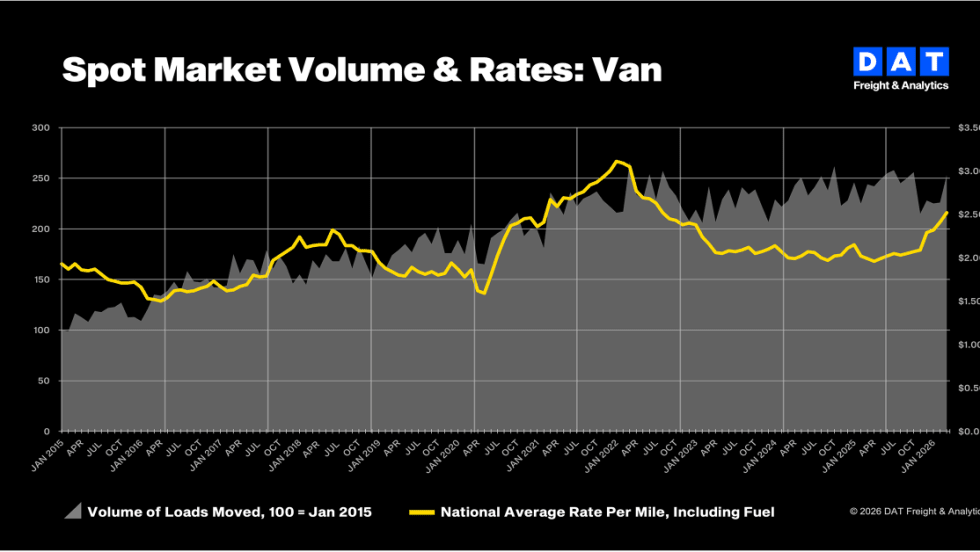
Truckload Rates Hit Two-Year Highs as Diesel Costs Surge, DAT Says
Strong March freight demand combined with a spike in fuel costs pushed both spot and contract truckload rates to their highest levels in more than two years.
Read More →
The AI Conversation You Need to Have with Your TMS Provider
Everyone’s talking about AI — but is your transportation management system actually built for it?
Read More →
Kriska Buys Fellow Canadian Carrier Sharp Transportation Systems
Being part of KTG will allow Sharp to expand and improve its services.
Read More →
Bill in House Would Raise Minimum Insurance for Motor Carriers to $5 Million
The Fair Compensation for Truck Crash Victims Act would increase insurance requirements for interstate motor carriers by nearly seven times.
Read More →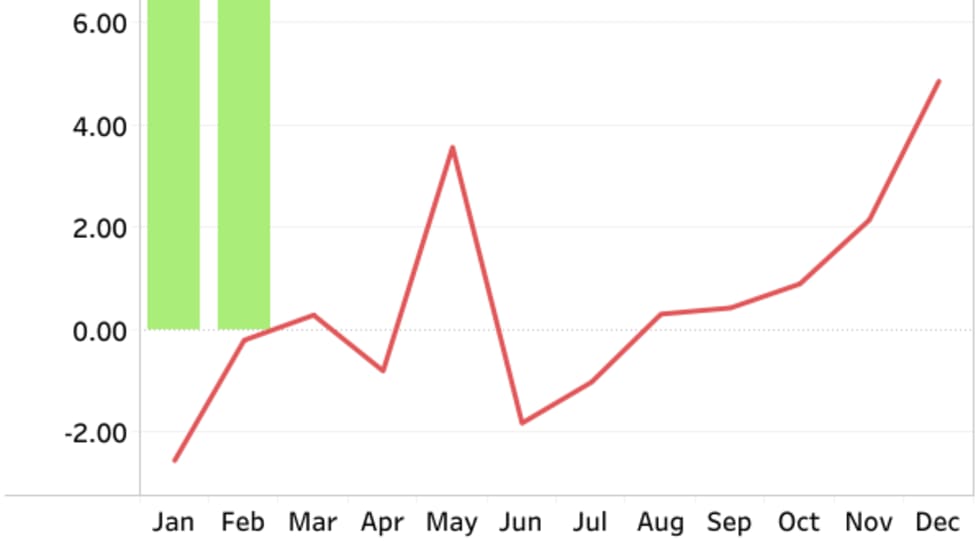
FTR Trucking Conditions Index Hits Four-Year High in February
Strong freight rates push TCI to 10.2, but FTR expects fuel-price volatility to skew March results.
Read More →
C.H. Robinson Offers Carriers Relief as Diesel Prices Surge
C.H. Robinson is waiving fees on fuel cards and cash advances for April and May, aiming to help carriers offset rising diesel costs tied to geopolitical instability.
Read More →