




Dealing with labor unions strikes fear in the heart of many business owners. From collective bargaining, to wages, to benefits and working condition issues, to grievance procedures, make no mistake about it, dealing with unions can be challenging.
How Fleets Should Deal With Labor Unions
From collective bargaining, to wages, to benefits and working condition issues, to grievance procedures, dealing with unions can be challenging for truck fleets.
by Dennis Schneider and John Walker
April 23, 2018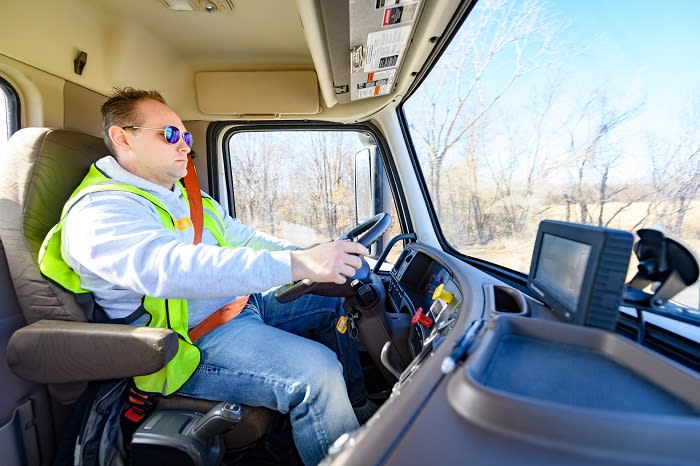
Union and corporate goals are more aligned than many people think.
5 min to read
Yet for nearly 50 years Transervice Logistics Inc., has worked with a variety of labor unions, including The Teamsters, International Association of Machinists, AFL, Communications Workers of America and Unifor (the largest labor union in Canada), as well as managing non-union operations.
Before engaging with labor unions, it is important to understand why unions exist. One reason is to bargain on behalf of their members for wages, health and welfare benefits and pensions, and to help provide job security. Unions also serve to make certain that their rank and file members are treated fairly and in accordance with the terms of the Collective Bargaining Agreement (CBA).
Mutual trust and understanding
While you may not always agree with the union, understanding its role helps you to understand why union leadership is taking a particular position. It’s not personal and union officials are not taking a stand just to be combative.
By understanding the role of unions, you are less likely to be in an antagonistic position with them. There will still be challenges to overcome, but knowing the purpose of unions helps you remain objective, stay on an even keel when conflicts do arise and deal with union officials in a businesslike manner.
In a union environment it is important to understand contract language, but the essence of a good working relationship with organized labor is developing a culture of mutual trust. This does not mean there will not be conflicts, but trust goes a long way to ensuring manageable and successful relationships.
Regardless of whether you are operating in a unionized or non-unionized environment, the way you treat your employees, your adaptability to changing circumstances, and your flexibility will ultimately determine your success. Also, where there is a CBA you should abide by its terms.
Solidifying your relationship with employees in an organized labor environment is not that much different than in a non-union situation. All employees want recognition and Transervice does that in a variety of ways from having driver and technician appreciation weeks, to giving employees gift certificates for turkeys at Thanksgiving, to providing toys for the children of all Transervice employees at Christmas. We continually strive to create a true sense of family throughout the organization.
These are not activities or outreach covered by a CBA. But they are some of the more personal ways that Transervice conducts its business. In its dealings with unionized operations, however, our company is bound by the terms of the CBAs, which it negotiates with the various local unions.
We have found that CBAs can serve the customers extremely effectively and help us cultivate excellent relationships with organized labor. These are not mutually exclusive outcomes, although some people perceive there to be an inherent contradiction in achieving those two goals.

Work toward common goals
Keep in mind that all parties are trying to do their jobs and avoid taking a contentious approach during contract negotiations. If conflicts should arise, it is helpful to remind the union negotiators that there is a common goal: to protect jobs and come out of the negotiations with an agreement that is reasonable and acceptable to both parties. Unions and their members have rights and so do companies that should never forfeit the right to manage their business and serve their customer’s interests.
It is also good to remember that during the negotiation stage it is unlikely that either side will get everything it wants. Even so, negotiating in an open and honest manner is likely to lead to better results. Keep in mind that no two CBAs are alike and each contract must be negotiated separately and reflect the needs of both the union and the company in that particular situation.
One way to speed up contract negotiations is for companies and union officials to develop their “wish lists” prior to the negotiation. That allows both sides valuable time to prepare a response prior to sitting down at the bargaining table.
Even with a CBA, however, disagreements do occur. When that happens, the parties may end up in arbitration, which is where grievances are ultimately resolved. The goal for both parties should be to resolve grievances as quickly as possible, especially when an employee termination or suspension is at hand. Arbitrators will rule only on contract language and intent of the parties when negotiating a CBA and their decisions are binding. Companies should keep accurate notes during negotiations in the event their intent needs to be clarified at a later date.
Ultimately, union and corporate goals are more aligned than many people think.
The goal of a company should be to employ capable individuals, compensate them on an affordable basis, provide them with benefits and retain their service for as long as possible.
Unions advocate for their members to ensure they are gainfully employed and are given appropriate wages and benefits in order to provide job security for their dues-paying members.
Just like individuals, companies have personality traits and those that are trustworthy and operate with integrity are far more likely to build and sustain successful relationships with unions.
Yet even with the best intentions, mistakes and errors in judgement will be made. When that a mistake happens, take responsibility for the error, correct the problem, and begin enforcing the necessary steps to ensure it doesn’t happen again.
Let your actions speak for your intentions.
Dennis Schneider and John Walker are the president and senior vice president of Transervice Logistics. Transervice Logistics provides customized transportation solutions including logistics, dedicated contract carriage, fleet leasing, contract maintenance, material handling, equipment leasing and maintenance.
The article was authored and edited according to the standards of HDT’s editors to provide useful information to our readers.
Subscribe to Our Newsletter
More Fleet Management

ACT: Trucking Volumes Rise, Capacity Tightens as Fuel Prices Cloud Outlook
ACT Research data shows volumes hitting a four-year high and supply-demand balance strengthening, but higher oil prices are undercutting tariff relief and tempering optimism.
Read More →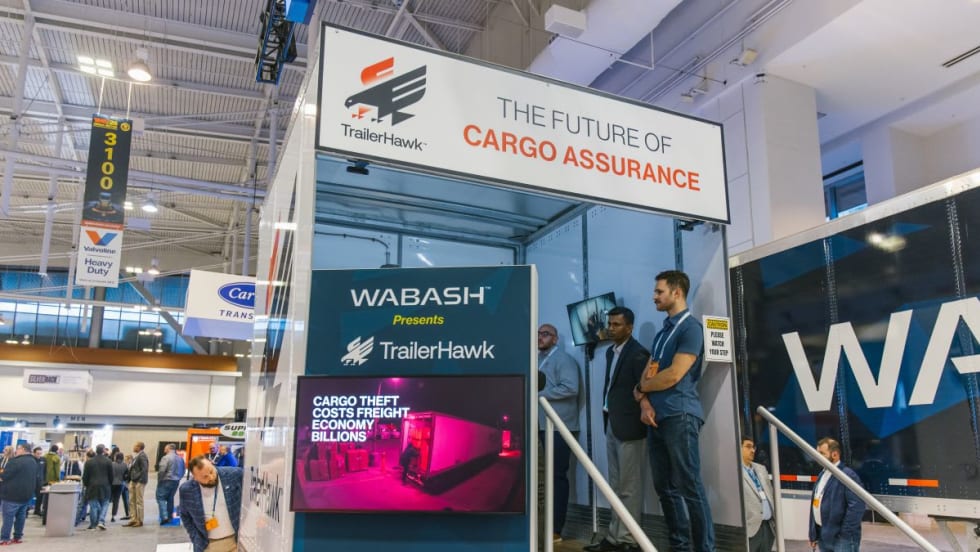
Wabash Teams Physical Security With Digital Tech For Better Cargo Visibility
The patent-pending cargo solution integrates a digitally connected cargo door and an intelligent locking system with the TrailerHawk.AI technology platform.
Read More →
From Diesel Prices to Cyberattacks: How the Iran War Is Affecting Trucking
The impact of the Iran conflict extends beyond fuel costs, bringing more fraud and cybersecurity risks to the trucking industry.
Read More →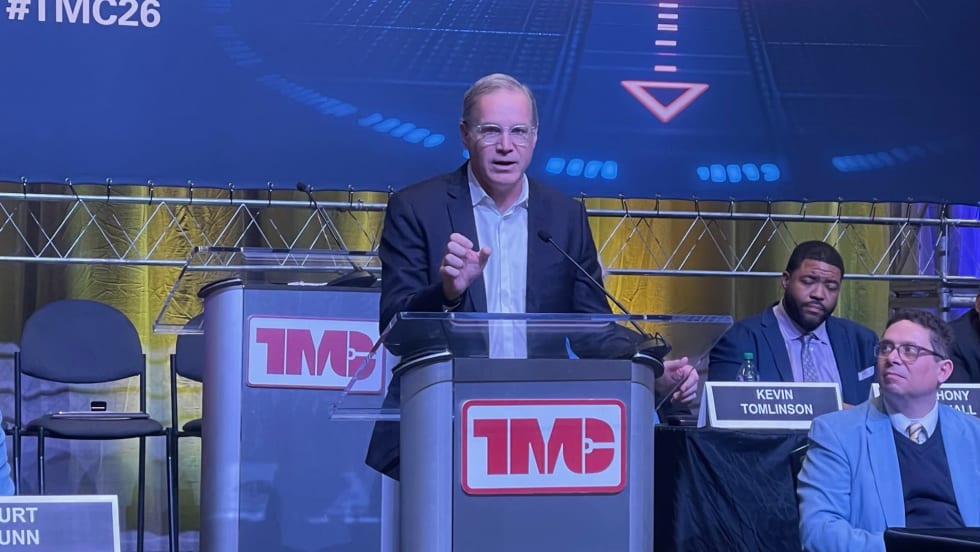
ATA’s Spear Warns Fuel Prices, Trade Policy, and Global Conflict Could Stall Trucking Recovery
Speaking at the TMC Annual Meeting in Nashville, ATA President Chris Spear said trucking faces mounting pressure from rising fuel prices, geopolitical instability, and uncertainty around trade policy.
Read More →
New Entrants, Chameleon Carriers, and Safety: Is It Too Easy to Start a Trucking Company?
More than 100,000 new trucking companies enter the industry each year, but regulators manage to audit only a fraction of them. That churn creates opportunities for inexperienced startups — and for “chameleon carriers” that shut down after safety violations and reappear under new identities. Read more from Deborah Lockridge in this commentary.
Read More →
Fleet Managers Invited to Apply for Exclusive HDT Exchange Event
HDTX is an intimate event that connects heavy-duty trucking fleet managers with industry suppliers through small-group discussions, educational sessions, and structured one-on-one meetings.
Read More →
DAT Launches iPhone Widget to Help Owner-Operators Find Loads Faster
New DAT One feature shows top-paying loads directly on an iPhone’s home screen, helping carriers react faster to spot-market opportunities.
Read More →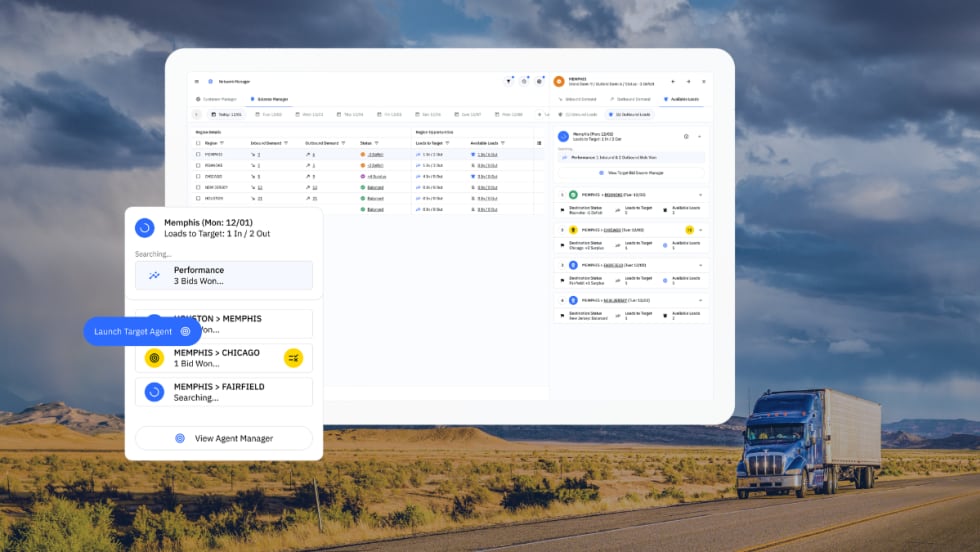
Optimal Dynamics Launches AI System to Help Carriers Choose Better Freight
Optimal Dynamics says its new Scale platform uses AI agents and optimization to help carriers find and secure freight that improves network balance and profitability.
Read More →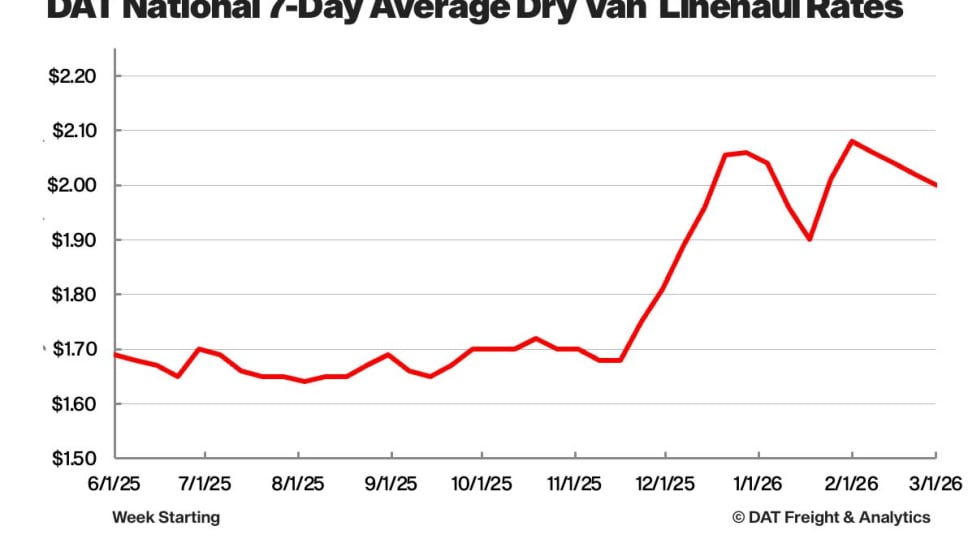
DAT: Flatbed Demand Climbs as Van and Reefer Rates Soften
DAT Freight & Analytics data shows tightening flatbed capacity, easing produce markets, and softening van and reefer rates.
Read More →
Run on Less “Messy Middle” Data Shows Multiple Paths Forward for Truck Powertrains [Watch]
NACFE's Run on Less - Messy Middle project demonstrates the power of data in helping to guide the future of alternative fuels and powertrains for heavy-duty trucks.
Read More →