





There may be a new refrigerant in your future. This year, the first stage of a European Union ban goes into effect on mobile refrigerants with a global warming potential greater than 150 in new car and light-truck platforms.
While there are no similar rules in the U.S., with the nature of the global vehicle industry today, it's likely the rules will affect the choice of mobile refrigerants in this country - for commercial vehicles as well as the light-duty ones covered by the EU mandate.
Global warming potential is a value used to compare different greenhouse gases that trap heat in the atmosphere. The refrigerant currently used in mobile HVAC system, R-134a, has a GWP of 1,400. EU manufacturers have supported and will employ carbon dioxide refrigerant systems (CO2) using refrigerant known as R-744, according to Isuzu spokesman Brian Tabel. It has a GWP of only 1. Another new refrigerant favored by many in the U.S., HFO-1234yf, has a GWP of 4.
In February, the U.S. Environmental Protection Agency approved HFO-1234yf, a product of Honeywell and DuPont, as a refrigerant for air conditioners in new cars and light trucks. Many believe it will be the choice of refrigerant to eventually replace R-134a. Within the next decade, you'll probably see it in new medium- and heavy-duty commercial trucks.
The EPA decision means vehicle manufacturers in the United States can use HFO-1234yf to help comply with rules requiring a 40 percent improvement in overall U.S. fleet average vehicle fuel economy by 2016. Some car makers, such as GM, have already announced they will start using it.
The CO2 refrigerant that has been considered has the benefits of being non-flammable, non-toxic, and readily available. But it requires extremely high operating pressures compared to systems using R-134a refrigerants.
The drawbacks of CO2 are amplified in heavy-duty vehicles, including high operating pressures and a need for metal hoses, seals and lines, says Gary Hansen, vice president at Red Dot Corp., which specializes in heavy-duty mobile climate control systems and has been very involved in this issue.
Virtually every component, from compressors to heat exchangers, would have to be redesigned to handle the higher pressures.
"A CO2-based A/C system operates at eight to 10 times the operating pressure, making it extremely difficult to contain from leaking in a mobile vehicle environment," says John Bracey, vice president of engineering for Bergstrom, which markets Kysor-brand HVAC parts.
HFO-1234yf, on the other hand, offers compatibility and near-equal performance with R-134a in conventional vehicle HVAC systems.
"Other than requiring a different lubricating oil for the compressor, it provides a near 'drop-in' replacement alternative," Bracey says.
HVAC: Environmentally Friendly Refrigerants of the Future
There may be a new refrigerant in your future. This year, the first stage of a European Union ban goes into effect on mobile refrigerants with a global warming potential greater than 150 in new car and light-truck platforms
Several factors will influence what becomes the refrigerant of choice for medium- and heavy-duty trucks, says Bracey. "Future legislation can definitely have an impact as fuel economy standards, CO2 emission limits, etc. creep into commercial vehicles," he says.
Then there's price. Current production capacity of HFO-1234yf is not capable of supplying a total global demand, so costs are extremely high - 10 times as much as R-134a, according to some estimates. On the other hand, Bracey notes, "As no new capacity is being added for R-134a, costs are rising as well. Ultimately, cost versus benefit will drive the adoption."
We could see A/C systems using HFO-1234yf in new trucks within the next five to 10 years, assuming there's no regulatory action to make it happen faster.
"It's just like everything else; if the car dealers are going to it, it will migrate into the truck," says Tim Comstock, an air conditioning expert with Ryder System.
One issue is that the new refrigerant has about 5 percent less cooling capacity than R-134a, says Red Dot's Hansen, "But we can optimize the A/C system with some simple modifications. A 1234yf system should look and perform very much like a 134-a system today."
This last point is critical, Hansen says.
"If you ask a heavy-duty truck owner what he wants from his A/C system, greenhouse gas reduction is probably not going to be on the list. He wants it to be effective, reliable, easy to service, and not raise the cost to operate his vehicle," Hansen says. "As we transition to a new refrigerant, the best change we can make to the A/C system is one the customer won't even notice."
While HFO-1234yf will not require major modifications of HVAC systems, it is not a true drop-in replacement for R-134a. There will be different charge ports to help prevent mixing up the refrigerants.
The new refrigerant is also mildly flammable, so precautions used with other flammable materials such as gasoline or oil are required.
To service vehicles using HFO-1234yf, service shops and technicians may need to buy new equipment. These may include recovery/recycle/recharge equipment, refrigerant identifiers and leak detection equipment.
"The new machines will be set up to be explosion-proof connectors and things like that with no sparks," says Ryder's Comstock. "Leak detection will be new. We'll have to retool every one of our shops that will be working with it."
From the May 2011 issue of HDT.
More Maintenance
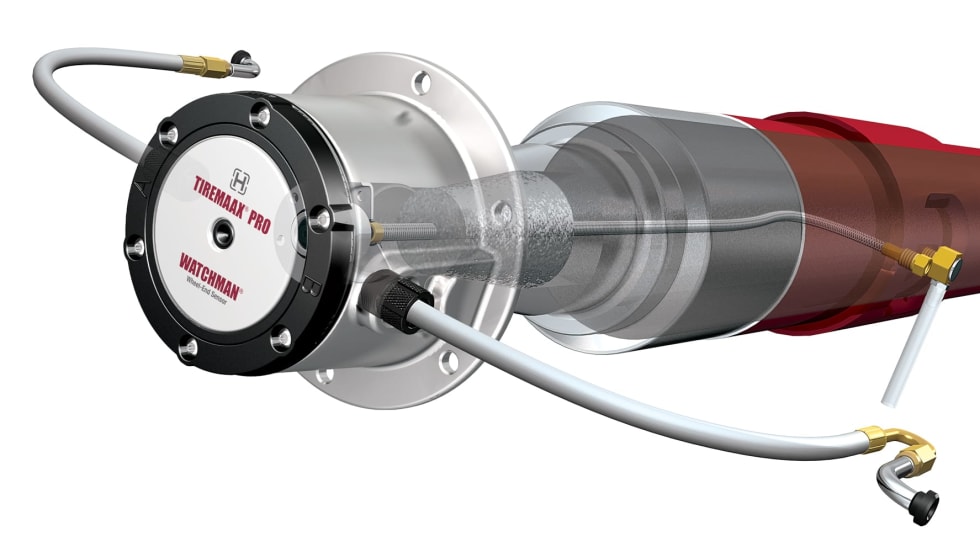
Hendrickson Unveils Watchman Smart Wheel-End System at TMC
Hendrickson’s new sensor platform integrates with its TireMaax system to deliver real-time tire and wheel-end insights, targeting uptime and cost savings.
Read More →
Over-the-Air Updates and the Modern Powertrain Explained
Over-the-air updates are moving beyond recalls, and expanding how fleets manage performance, compliance, and uptime.
Read More →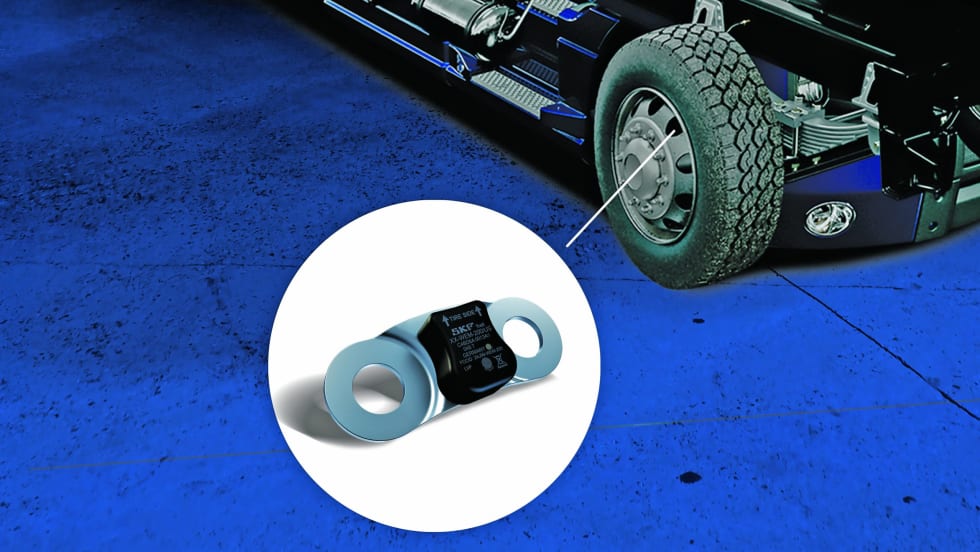
SKF, TMC Expand Hands-On Training to Boost Technician Skills at Annual Meeting
A new partnership between SFK and TMC brings certified, on-site instruction focused on wheel-end reliability and maintenance best practices.
Read More →
Why Higher Pay Isn’t Fixing the Heavy-Duty Technician Shortage
Hiring heavy-duty truck technicians has become a bidding war, but shops that focus on culture, training, and career paths are gaining an edge. That's the takeaway from a TMC panel discussion.
Read More →
Technology & Maintenance Council 2026 Annual Meeting [Photos]
Couldn't make it to Nashville for TMC's 2026 annual meeting? Check out these images.
Read More →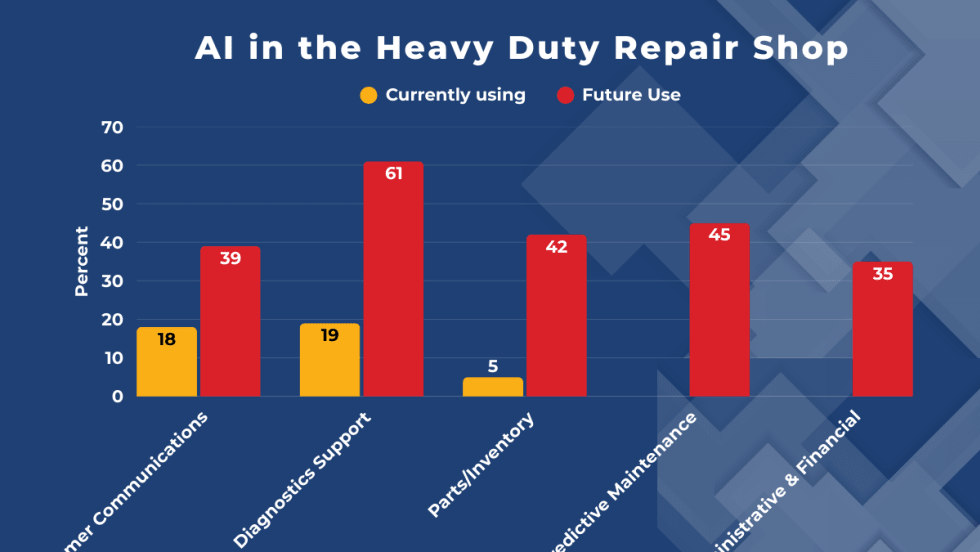
Fullbay Report: Heavy-Duty Shop Revenue Up, Rates Rising, but Shops Still Short on Techs
Strong growth across the heavy-duty repair sector is being tempered by workforce shortages and an aging technician pipeline.
Read More →
How Mack Sees the Next Era of Fleet Intelligence
Telematics has evolved from simple vehicle tracking into a connected service platform that can help fleets boost uptime, improve specifications, and move toward predictive maintenance. Mack executives say AI is now giving fleets a way to turn all that vehicle data into faster, smarter decisions.
Read More →
Clarios Expands Battery Monitoring Into Subscription Service with Battery Manager Pro
A new battery-monitoring-as-a-service program from Clarios Connected Services uses predictive analytics and automatic replacement to reduce downtime and smooth fleet maintenance costs.
Read More →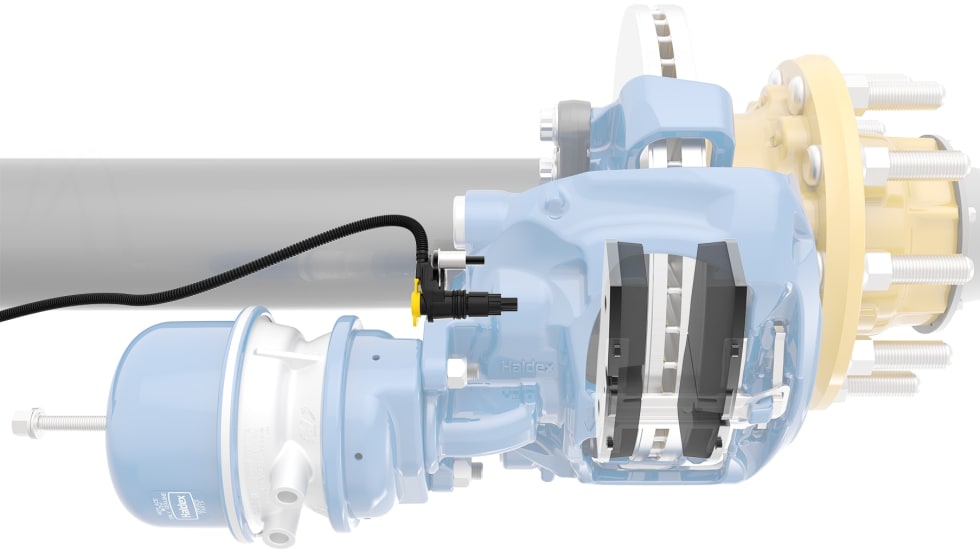
SAF-Holland’s BrakeSight Aims to Take the Guesswork Out of Air Disc Brake Maintenance
New Haldex sensor technology from SAF-Holland integrates with telematics systems to give fleets continuous insight into air disc brake condition.
Read More →
Vanair Introduces Solar, Battery Power Ecosystem for Class 8 Trucks
The company’s expanded EPEQ ecosystem includes flexible solar panels, lithium batteries, hydraulic power systems, and a portable fast charger for electric trucks.
Read More →