




"Houston, we have a problem," is a phrase you'll probably never hear from Houston-based Crane Cartage, which provides ground transportation and logistics services
Into the Cloud: The Latest in Web-Based Software
"Houston, we have a problem," is a phrase you'll probably never hear from Houston-based Crane Cartage, which provides ground transportation and logistics service
by Diana Britton, Managing Editor
April 9, 2010
Jeannie Martinez, a customer service representative for Fox Intermodal Corp. of Kenilworth, N.J., begins working at the menu screen of Aljex Software. (Photo by Aljex Software)
6 min to read
. Crane uses Aljex's Web-based transportation management software, and because the system is hosted over the Internet, Crane can access the system from virtually anywhere.
"If Houston goes down, I don't go down," says Kathi Laughman, who is responsible for Crane's technology strategy and implementation.
Laughman says the Aljex system makes disaster recovery a lot easier. But that's just one of the advantages to choosing Web-based software over an in-house, server-based system. While fleets might be hesitant about sharing their data over the World Wide Web, such solutions are becoming more secure, and the Web-based option can sometimes provide a better fit for small to mid-sized companies looking to have the same capabilities as their larger counterparts, without the high infrastructure and ownership costs.
When Laughman was shopping around for a transportation management system for Crane, she wanted to find a solution that would make it easy for the company's staff to do their main job, which is hauling goods, not information technology. But most operating software has to be maintained and kept current. You need the IT staff to manage it, and this requires a certain skill set, Laughman says.
The costs associated with such infrastructure can often be a hindrance to entrance for small and mid-sized companies looking to penetrate new markets, she says. "The costs very often today are tied up in technology. How do you get the full life cycle management without requiring a data center?"
In the cloud
Web-based software, sometimes referred to as "software-as-a-service," or SaaS, can provide fleets with that same functionality without the upfront costs, infrastructure, and information technology resources needed to run an in-house, server-based system.
Marla Grant, director of major accounts at TMW Systems, defines it as "the ability to access software over the Internet." It runs on a third-party server that is managed by third-party IT staff.
You'll also hear the term "cloud computing." Some people say "cloud computing" is a little different from SaaS. Con-way CIO Jackie Barretta, for instance, says cloud computing is "software delivered via the Internet in a very standardized way, and it's always on demand, self demand." Unlike SaaS, she says, cloud computing does not require licensing, and users only pay for as much as they use. According to InfoWorld, however, SaaS is simply one type of cloud computing, and that cloud computing "encompasses any subscription-based or pay-per-use service that, in real time over the Internet, extends IT's existing capabilities."
Replacing infrastructure
Whatever you call it, Web-based software means fleets don't have to worry about the costs associated with building their own infrastructure. "Normally those smaller carriers would be priced out of this type of solution," Grant says. TMW offers Innovative Access Plus, a complete Web-based enterprise solution, which includes operations, accounting, safety and maintenance capabilities.
For a fleet running an in-house system, there are costs to buy or lease the software, the supporting software, as well as paying for IT staff, a server, air conditioning to support the server, and multiple data centers in case the system crashes, according to Chris Borg, CEO of BorgSolutions, which offers its maintenance management software online. "Pure IT cost of a server-based system shows very fast."
TMW houses the Innovative Access Plus software and data on redundant IBM System i servers, located in secure, temperature-controlled environments in two different cities, Grant says.
Carrier Logistics houses the online version of its FACTS enterprise software in a Tier 1 facility, meaning it's fireproof, secure and the data is backed up. According to Ken Weinberg, vice president of sales at CLI, carriers are looking for ways to outsource functionality that is not an integral part of what their core mission is, especially in this economy. Moving to the Web allows them to reduce their non-mission critical staff, such as IT, Weinberg says.
These days, small carriers are expected to provide the same services as the large players in the market. Online software, such as CLI's, offers them the same capabilities with only a few users in the office, Weinberg says. "It allows the small carrier to be much more competitive."
Cost benefits
Kathy Blaker, a manager at logistics provider Transportation on Demand, says the company experienced more up-front costs using a server-based system. Switching to CLI's online software, the company just had to pay a monthly fee to use it.
According to Tom Heine, president of Aljex, the Internet allows software to be priced differently. "Your ongoing expenses become cheaper the first day," he says. Customers can pay to use Aljex's transportation software in three-month intervals, so there's very little risk involved. In addition, there is no up-front software investment, and customers only pay for the features they need.
Less-than-truckload carrier Con-way Freight made the move to the Internet for its applicant tracking and customer relationship management systems, in large part because of the lower cost model, says Barretta.
For example, Con-way Freight has peak times when the systems are buzzing, such as in the morning and late afternoon when drivers come back to the terminals. But when the company has trucks sitting idle, they don't have to pay to use the system, Barretta says.
Easy updates
"Just because it's online doesn't mean you can't get exactly what you want," says Aljex's Heine.
And because software is now on the Web, users can get what they want faster than before. "We can make a change to our system right now," Heine says.
With server-based systems, software providers can take several months to develop an update and send it out to customers via CD. Now, all they have to do is push a button to update everyone's system in real time. "With one click, you can update 10,000 people," says Tony Stroncheck, president of ProMiles, which offers mileage, routing, fuel tax reporting and fuel purchase optimization software.
Several of ProMiles' offerings are available online, including ProMilesOnline, truck mileage, routing and fuel optimization; FuelTaxOnline, fuel tax reporting and automation; and TruckMiles.com, free truck mileage, routing, mapping and fuel prices.
Last year, the company launched FuelSurchargeIndex.org, a collaborative effort of carriers, shippers, software developers and other companies and individuals to properly calculate a fuel surcharge based on daily retail fuel prices along a specific lane.
With roads and fuel prices changing constantly, the Internet-based system lends itself to keeping all these systems up to date. ProMiles is always collecting data, and the Web allows the company to push information out to the industry as quickly as possible. The provider updates tax information, weather and fuel price averages on a daily basis.
BorgSolutions releases a new version of its Web-based Borg Fleet software every three months. "They constantly get the latest and greatest," says Chris Borg. With server-based updates, interfaces can change a lot in three years, he says, and this involves having to re-train employees when a new interface is introduced. In addition, while some providers charge about half or three-quarters of the cost of the previous version to purchase the newest version, he says, Borg and many other companies do online updates for free.
The implementation period also tends to be shorter with Web-based software, says CLI's Weinberg. For example, with CLI's enterprise system, its SaaS solution generally takes about one to two months to implement, while its
Subscribe to Our Newsletter
More Fleet Management

'Beyond Compliance,' Regulations, Driver Coaching on ATRI’s 2026 Research List
The American Transportation Research Institute will examine driver coaching, regulatory impacts — including the "Beyond Compliance" concept —and weather disruptions that shape trucking operations.
Read More →
Fleet Advantage's Brian Antonellis on the Growing Need to Replace Old Trucks
Fleet Advantage's Brian Antonellis says it's time for fleets to get back to the fundamentals of good maintenance practices. And that includes replacing older, inefficient equipment.
Read More →
Truckstop.com Adding to Open Deck, Heavy Haul Offerings
Load matching for flatbed, lowbed, oversize and overweight loads can't be automated like basic van freight, but Truckstop.com is adding more high-tech tools to help.
Read More →
Trucker Path, Truckstop.com Expand Load Access Partnership
An expanded Trucker Path and Truckstop.com integration brings more freight opportunities into the TruckLoads app while emphasizing security and network quality.
Read More →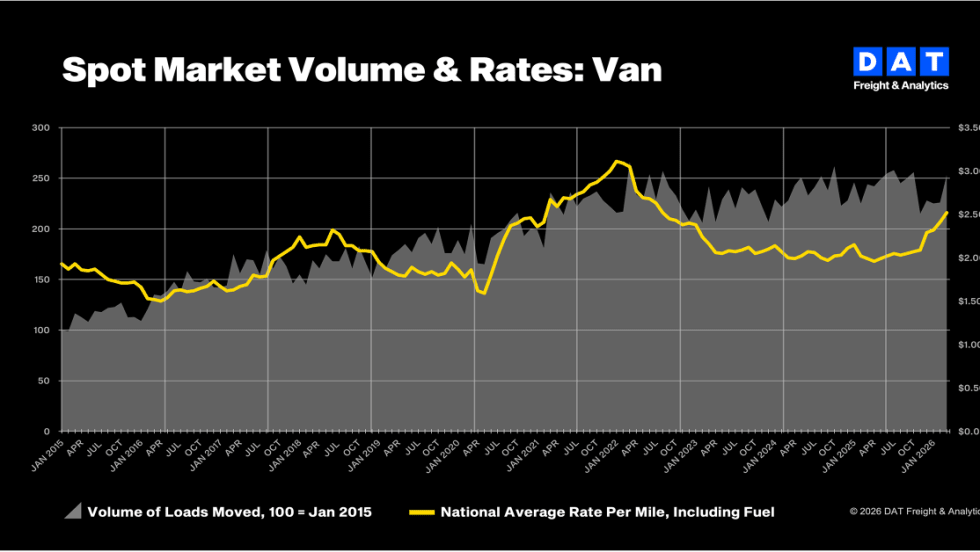
Truckload Rates Hit Two-Year Highs as Diesel Costs Surge, DAT Says
Strong March freight demand combined with a spike in fuel costs pushed both spot and contract truckload rates to their highest levels in more than two years.
Read More →
The AI Conversation You Need to Have with Your TMS Provider
Everyone’s talking about AI — but is your transportation management system actually built for it?
Read More →
Kriska Buys Fellow Canadian Carrier Sharp Transportation Systems
Being part of KTG will allow Sharp to expand and improve its services.
Read More →
Bill in House Would Raise Minimum Insurance for Motor Carriers to $5 Million
The Fair Compensation for Truck Crash Victims Act would increase insurance requirements for interstate motor carriers by nearly seven times.
Read More →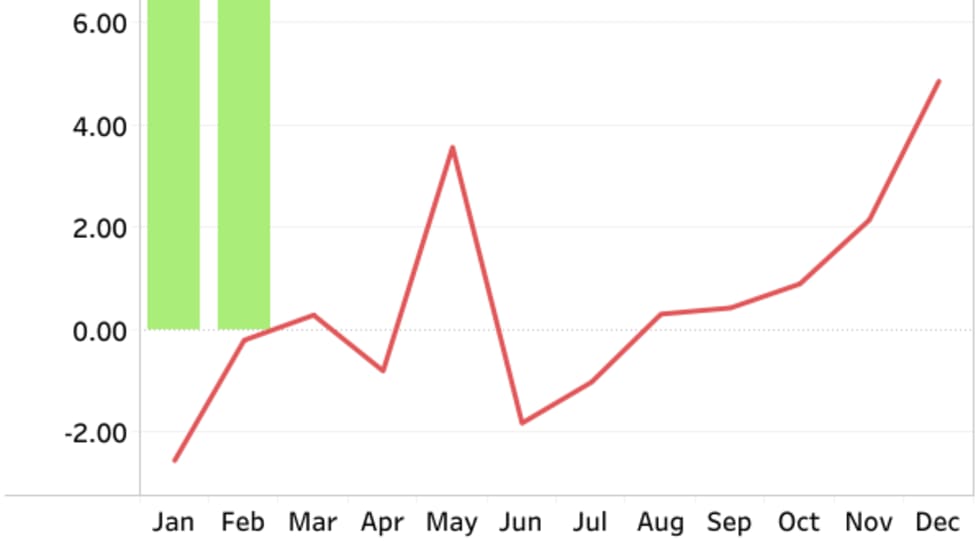
FTR Trucking Conditions Index Hits Four-Year High in February
Strong freight rates push TCI to 10.2, but FTR expects fuel-price volatility to skew March results.
Read More →
C.H. Robinson Offers Carriers Relief as Diesel Prices Surge
C.H. Robinson is waiving fees on fuel cards and cash advances for April and May, aiming to help carriers offset rising diesel costs tied to geopolitical instability.
Read More →