



For commercial tires, fall is the best time to insure winter tire programs are completely up to speed. Vehicle traction now is especially critical from both a driver and safety standpoint.
 MENU
MENU SEARCH
For commercial tires, fall is the best time to insure winter tire programs are completely up to speed.
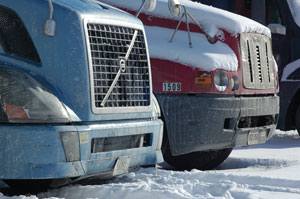
HDT File Photo
For commercial tires, fall is the best time to insure winter tire programs are completely up to speed. Vehicle traction now is especially critical from both a driver and safety standpoint.
Tires with tread depth near the legal limits of 4/32” for steer tires and 2/32” for all the other wheel positions do not have the same level of traction as tires with full tread depth. Fleets that run rib tires in all wheel positions may have success in good weather but will be at a clear traction disadvantage in the drive wheel position during winter. Selecting tread patterns with lugs will increase drive tire traction dramatically under snow and slushy conditions.
It is important to do a serious inspection of tires prior to winter. This involves:
Measuring tread depth in multiple locations around the tire circumference
Checking for signs of irregular wear
Identify & repair any punctures
Verify casing age
Check sidewall appearance for signs of impact breaks and ozone cracking
Rotate tires as required
Let’s address these 6 points.
A common mistake when measuring tread depth is to use a tread depth gauge and obtain a tread depth reading at one random location on the tire. This can be very misleading as tires are not always wearing evenly across the tread (from shoulder to shoulder) and also circumferentially around the tire.
Tread depth measurements should be taken at each major groove across the tread at point A and then take the same measurements 180 degrees away from point A. Many tires have stone ejectors at the bottom of the major grooves. It is important to NOT measure tread depth on a stone ejector as the measurement will give you an inaccurate low reading of approximately 2/32”. It is also important to insure that your tread depth measuring device is calibrated. Easiest check is to confirm that the tread depth shows 0 when measuring on a flat surface. (See figure 1).
To maximize treadwear & fuel economy requires that the tire is running smoothly and evenly. Running your hand across the tread surface (commonly known as fingertip diagnostics) along with a visual inspection will confirm that the tire is running uniformly. If there is shoulder cupping, depressed ribs, alternate lug wear, or other signs of irregular wear, then there is typically an issue with the vehicle or the tires themselves. It may be vehicle alignment related, underinflated tires, running overloaded, or running fully loaded going out and empty coming home.
Truck tires have a propensity to pick up puncturing objects. Checking for tire damage and punctures 360 degrees around the tire is important to insure that you minimize tire related roadside service calls.
Most fleets have targets when it comes to tire casing age. It may be six years or even ten years but fleets should have a number based on historical tire performance retreadability data. Tire casing age can be easily identified through the last 4 digits (month/ year) of the DOT code found on one side of the tire.
Use fingertip diagnostics to check the sidewall for undulations and visually look for signs of impact damage and cracking.
Based on the measured tread depths, it may be time to rotate the worn steer tires back to the trailer position and generate additional mileage. Some fleets even rotate drive tires especially in pickup and delivery operations where the rear drive axle tires can wear out significantly faster than the front axle drive tires. When vehicles turn frequently in city applications, the pivot point is the first drive axle and the rear axle tires tend to scrub the tread rubber off very rapidly.
The bottom line is that fleets need to review their tire program to insure that tires are in good shape going into the winter season.
From the Commercial Fleet Tire Digest, published by Pressure Systems International, the maker of the Meritor Tire Inflation System by PSI. Used with permission.
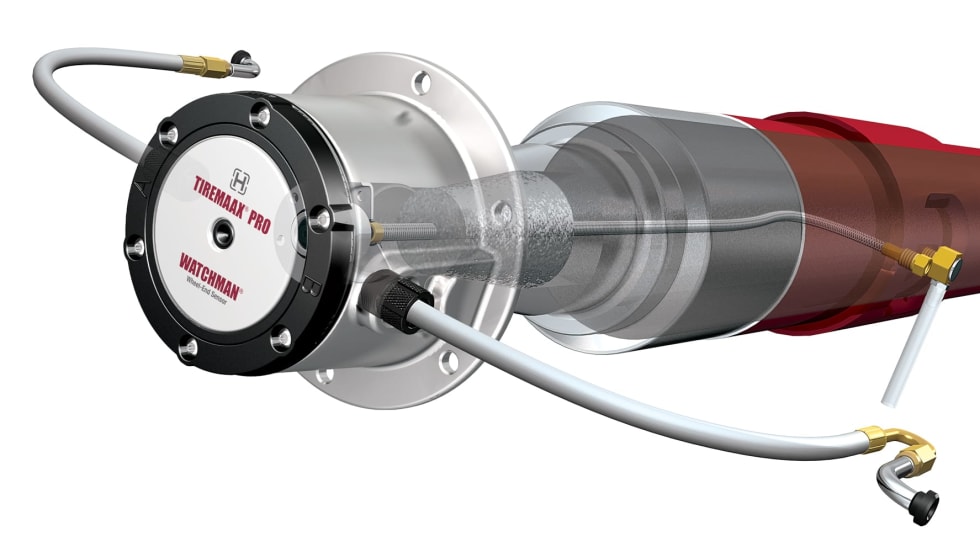
Hendrickson’s new sensor platform integrates with its TireMaax system to deliver real-time tire and wheel-end insights, targeting uptime and cost savings.
Read More →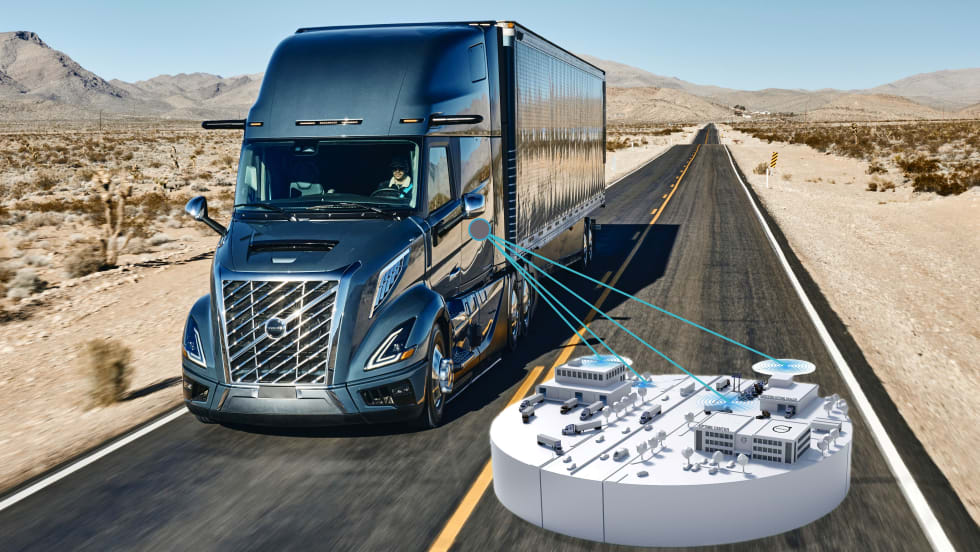
Over-the-air updates are moving beyond recalls, and expanding how fleets manage performance, compliance, and uptime.
Read More →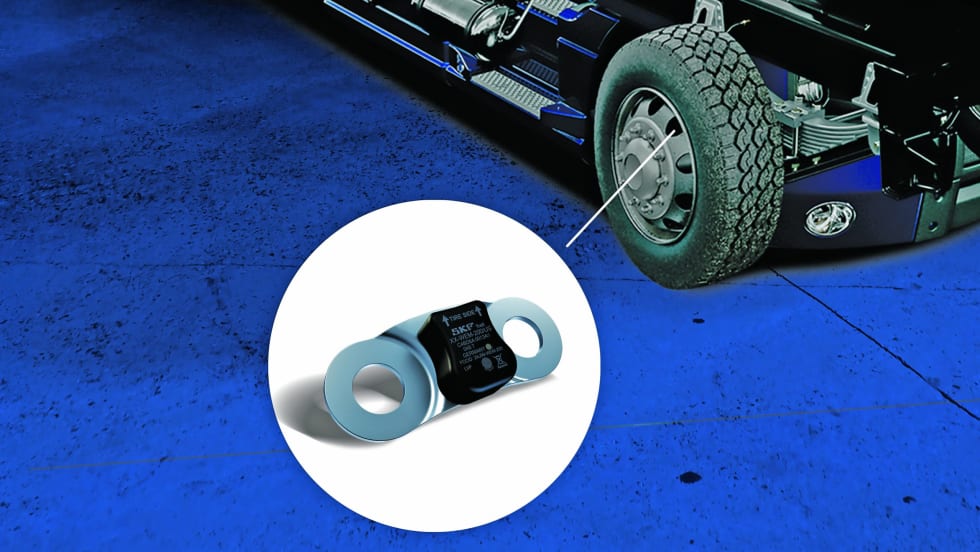
A new partnership between SFK and TMC brings certified, on-site instruction focused on wheel-end reliability and maintenance best practices.
Read More →
Hiring heavy-duty truck technicians has become a bidding war, but shops that focus on culture, training, and career paths are gaining an edge. That's the takeaway from a TMC panel discussion.
Read More →
Couldn't make it to Nashville for TMC's 2026 annual meeting? Check out these images.
Read More →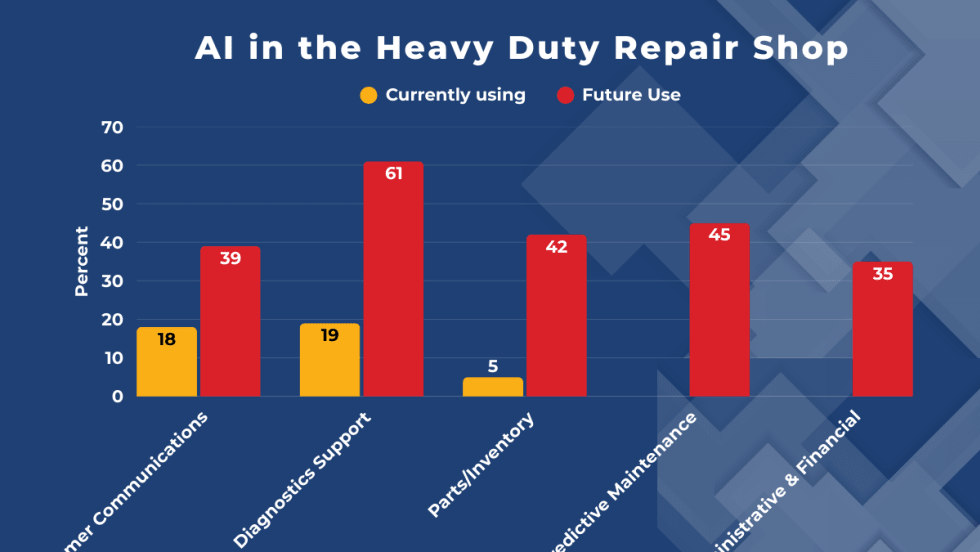
Strong growth across the heavy-duty repair sector is being tempered by workforce shortages and an aging technician pipeline.
Read More →
Telematics has evolved from simple vehicle tracking into a connected service platform that can help fleets boost uptime, improve specifications, and move toward predictive maintenance. Mack executives say AI is now giving fleets a way to turn all that vehicle data into faster, smarter decisions.
Read More →
A new battery-monitoring-as-a-service program from Clarios Connected Services uses predictive analytics and automatic replacement to reduce downtime and smooth fleet maintenance costs.
Read More →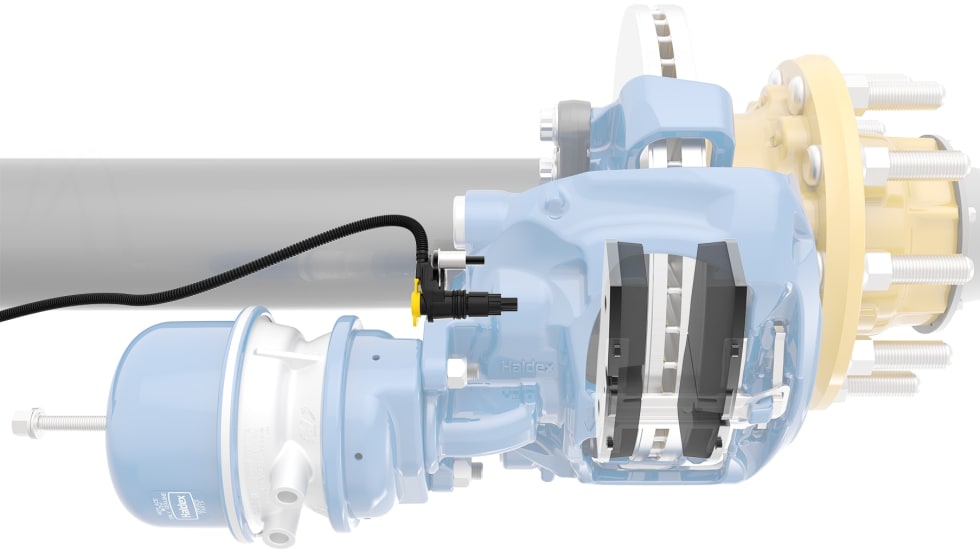
New Haldex sensor technology from SAF-Holland integrates with telematics systems to give fleets continuous insight into air disc brake condition.
Read More →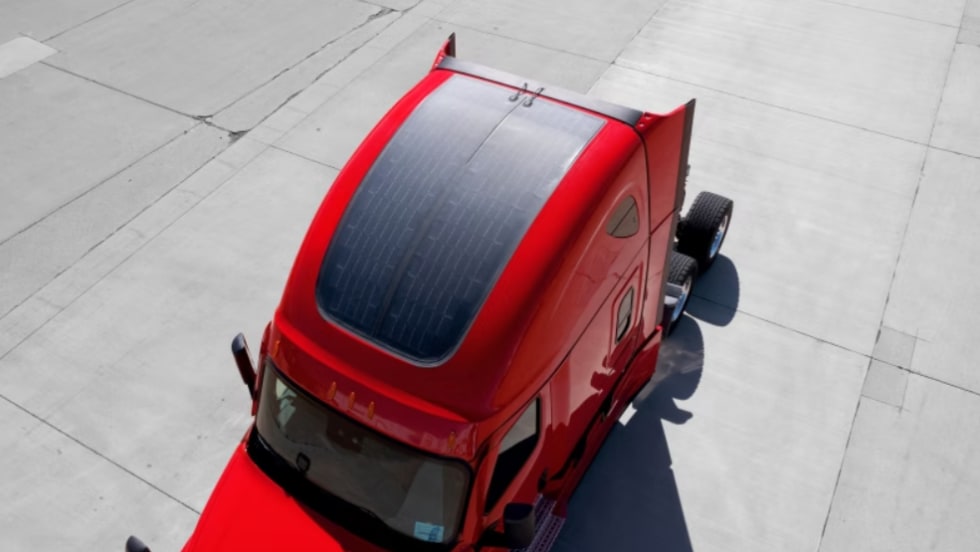
The company’s expanded EPEQ ecosystem includes flexible solar panels, lithium batteries, hydraulic power systems, and a portable fast charger for electric trucks.
Read More →