





Automatically watching the perishable load as it goes down the road or the rails saves money and brings peace of mind.
When you're delivering temperature-sensitive cargoes, things can get nasty if the produce, meat, ice cream or whatever's in the trailer shows up too cold or too warm.
Remote Temp Monitoring
Automatically watching the perishable load as it goes down the road or the rails saves money and brings peace of mind. When you're delivering temperature-sensitive cargoes, things can get nasty if the produce, meat, ice cream or whatever's in the trailer shows up too cold or too warm
March 22, 2012

Systems such as Thermo King's TracKing can alert fleets to temperature problems eve if the driver doesn't.
6 min to read
Guys on the dock reject the load, and then the finger-pointing starts.
With today's reefer equipment, monitoring temperatures inside the trailer is almost a given. Recorders note what happens en route, and the data can be extracted if issues arise. However, in many cases, dispatchers still don't hear about problems until after the load has gone sour. It's far better if someone knows right now if something goes wrong so the load can be saved and arguments avoided.
Enter real-time monitoring. It's not new, says Carrier Transicold, which for years has used remote signaling - telemetry, as rocket scientists call it - to monitor temperatures aboard railroad-borne trailers and containers. When a load is somewhere in a train that's rumbling along in the middle of nowhere and something goes wrong with the reefer unit, no one will know it for many hours. If the unit can tell somebody about it right away, repairpeople who can fix the faulty unit can meet the train during a scheduled or unscheduled pause.
In theory, when a problem occurs in a semitrailer being pulled down a highway, the tractor driver should see the warning light in his mirror or on the dashboard. He should stop to find out what's wrong, then reset the reefer unit to correct the problem or arrange for repairs as soon as possible. However, sometimes drivers miss the warning or forget to call in, leaving the dispatcher ignorant of the situation. The load's temperature wavers, and the problem soon becomes an issue.
Both reefer manufacturers offer remote monitoring with various capabilities, but real-time is the key. Carrier Transicold calls it DataTrak and Thermo King dubs it TracKing. They are sometimes used with third-party products. We talked to three fleet executives who use such services with their transport refrigeration units.
Davis Express
Davis Express in Starke, Fla., has 310 tractors and 450 refrigerated trailers. They haul fresh meat and produce at 20 to 34 degrees, including a lot of date-sensitive products, such as chicken, bagged lettuce or meats. Some are deep frozen at minus 20.
"The driver sets temperatures according to instructions, and the unit operates according to the temperature range," explains Joshua Davis, vice president of operations and fleet maintenance. "Say it's 28 degrees. It will run continuously at what Thermo King has determined is the best mode. We can also set air discharge temperatures to avoid top-freezing. We use laptops to set the mode programming."
Each unit has an R:Com tracker from Blue Tree Systems, which reports the vital data to the fleet every 15 minutes. The newer units also tell the fuel level in the tanks, temperatures at the front and rear of a trailer, as well as GPS location. The company can look at individual trailers and groups of trailers for customers. They get shutdown alerts with a fault code, and the fleet can contact drivers immediately.
"If we have a temperature problem with a load we're delivering - [say] a customer says it's warm - we can pull down the data, and we can send that data to the customer in chart and graphic formats," Davis says. "In the past, a Thermo King dealer had to do the download and send us a file by email. With the R:Com, we have real-time data from the past couple of days. We've never had to go more than a few days back."
Soon the company will be able to implement two-way communication with the unit, allowing them to fire it up remotely without anybody standing there. "It's amazing."
National Carriers
The Refrigerated Division of National Carriers in Irving, Texas, has 700 tractors and 1,000 trailers using Thermo King reefer units and R:Com trackers. Reefers are just one facet of operations by National, headquartered in Liberal, Kan.
"We looked at several products, in-cab and in-trailer," says Vice President Jim Franck. "We like one vendor for both products. We chose Blue Tree, which has had a long relationship with Thermo King. The trailer product has been very reliable, though untethered, when the battery goes into sleep mode, you lose the signals.
"The ability to drill down on specific incidents is very useful," Franck says. "For example, if there's a temperature issue on a particular load, we can immediately grab the information and email it to our customer, live, when the trailer is still at the dock. Maybe the trailer was loaded hot. But you can do it instantaneously without going to a dealer for a download and without losing use of the trailer for a day."
Franck says he underestimated the sheer amount of data coming from the units. There are live alerts when there's a temperature variation and many other things relating to operation of the unit that might be helpful later when the unit is being repaired, but not every day.
"Initially, we were getting inundated with data," he says. "It took us 60 to 90 days to put the proper filters in place so we get the proper information: shutdown from low fluid, Freon levels and so on. It looks at our system and sees what that commodity is. Fresh lettuce has very low tolerance for variations, so it's plus or minus 1 degree, versus milk or juice, which is plus or minus 3 degrees."
Pace Air Freight
Pace Air Freight in Plainfield, Ind., hauls temperature- and security-sensitive cargoes that sometimes come in by air, and sometimes never leave the ground because "air freight" is a level of service. About three and a half years ago, it set up 50 Thermo King reefer units with TracKing after a customer asked about the availability of real-time monitoring.
"The customer wanted documentation that their product was transported when we said it was at the proper temperature," explains Robert Pfeffer, president and owner. "Data loggers would document that, but this system does it in real time." Parameters such as set points and modes can be remotely changed, and alarms warn about problems that mean the unit needs to be brought in for repair.
The load is monitored over a secure website, and information can also be sent via cellphones and PDAs. Alarms can be transmitted through a call tree, a chain of individuals who can be notified of an event.
"We had a customer who complained about a temperature, but we were able to prove that they gave us this load warm," Pfeffer says. "They didn't like that data, that answer, because they had to go back and talk with their people. In this case they had left the load on the dock for 24 hours before loading."
Drivers often can't "stick" the load with a thermometer before accepting it because today, many loads are sealed and drivers cannot be involved in that process.
"In the food business, this capability proves that we were handling the cargo correctly and removes any doubt," Pfeffer says. "We can send information to a customer before he receives the load if necessary. It takes all of the grayness out of it. It gives you a competitive edge. I wouldn't want to go to court in a dispute without the data."
Pfeffer recalls a load going to Florida, an international shipment that was leaving from Miami. "The unit was set to Cycle Sentry, and the engine did not start. We were alerted immediately, and were able to contact a dealer who repaired it within an hour, so the load was not compromised."
"Once you install this on your equipment, you wonder what you did without it," Pfeffer says. "You're out to dinner with your family and you have your cell phone in your pocket and it's not going off, and you know that all your loads are going up and down the road at the proper temperature, and you have a tremendous s
Subscribe to Our Newsletter
More Fleet Management

'Beyond Compliance,' Regulations, Driver Coaching on ATRI’s 2026 Research List
The American Transportation Research Institute will examine driver coaching, regulatory impacts — including the "Beyond Compliance" concept —and weather disruptions that shape trucking operations.
Read More →
Fleet Advantage's Brian Antonellis on the Growing Need to Replace Old Trucks
Fleet Advantage's Brian Antonellis says it's time for fleets to get back to the fundamentals of good maintenance practices. And that includes replacing older, inefficient equipment.
Read More →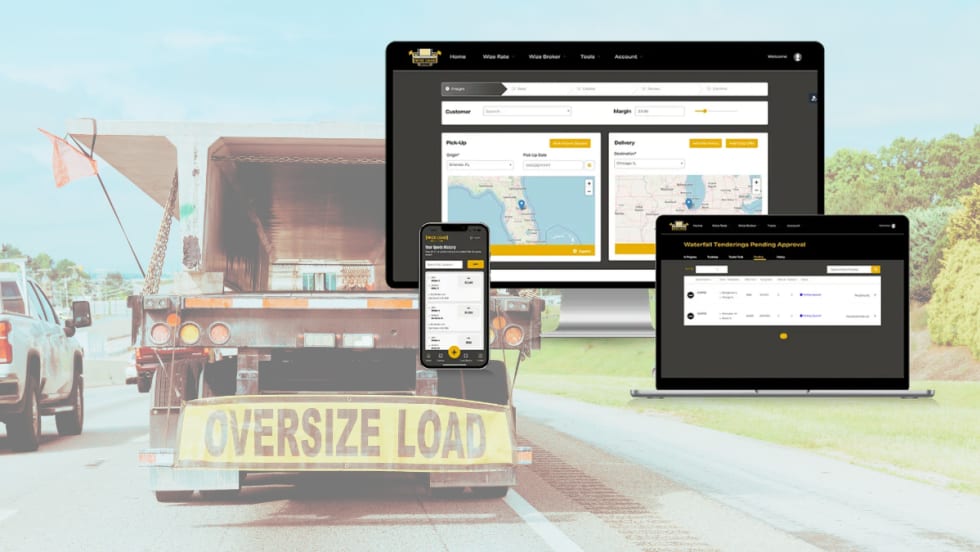
Truckstop.com Adding to Open Deck, Heavy Haul Offerings
Load matching for flatbed, lowbed, oversize and overweight loads can't be automated like basic van freight, but Truckstop.com is adding more high-tech tools to help.
Read More →
Trucker Path, Truckstop.com Expand Load Access Partnership
An expanded Trucker Path and Truckstop.com integration brings more freight opportunities into the TruckLoads app while emphasizing security and network quality.
Read More →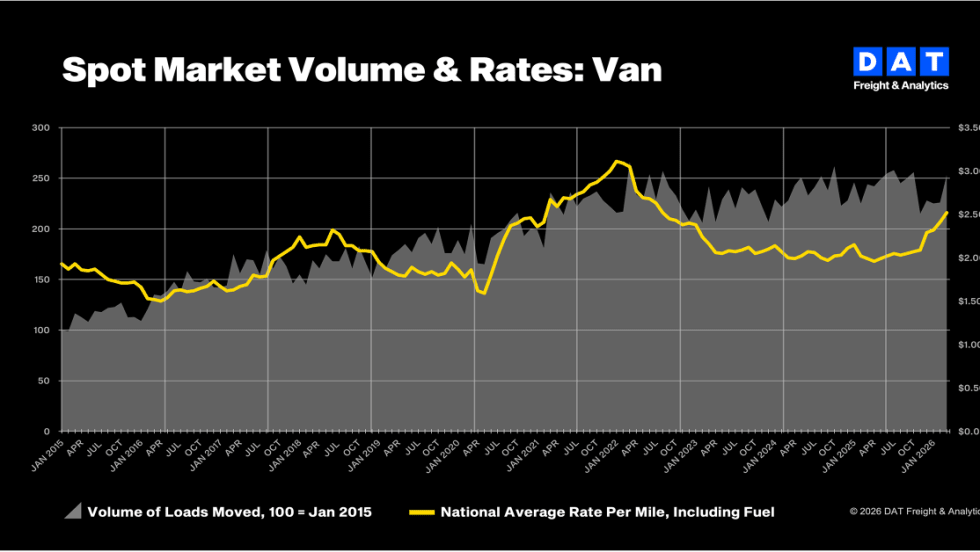
Truckload Rates Hit Two-Year Highs as Diesel Costs Surge, DAT Says
Strong March freight demand combined with a spike in fuel costs pushed both spot and contract truckload rates to their highest levels in more than two years.
Read More →
The AI Conversation You Need to Have with Your TMS Provider
Everyone’s talking about AI — but is your transportation management system actually built for it?
Read More →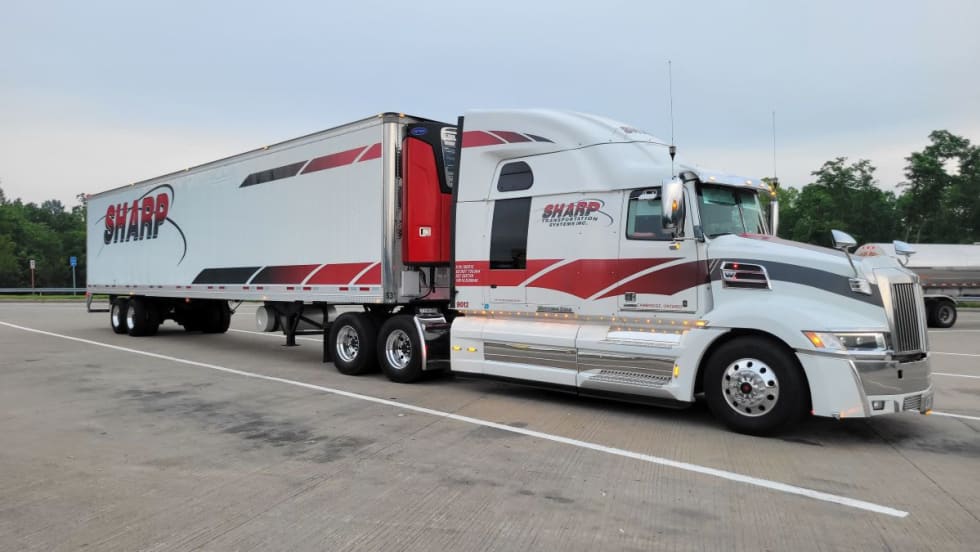
Kriska Buys Fellow Canadian Carrier Sharp Transportation Systems
Being part of KTG will allow Sharp to expand and improve its services.
Read More →
Bill in House Would Raise Minimum Insurance for Motor Carriers to $5 Million
The Fair Compensation for Truck Crash Victims Act would increase insurance requirements for interstate motor carriers by nearly seven times.
Read More →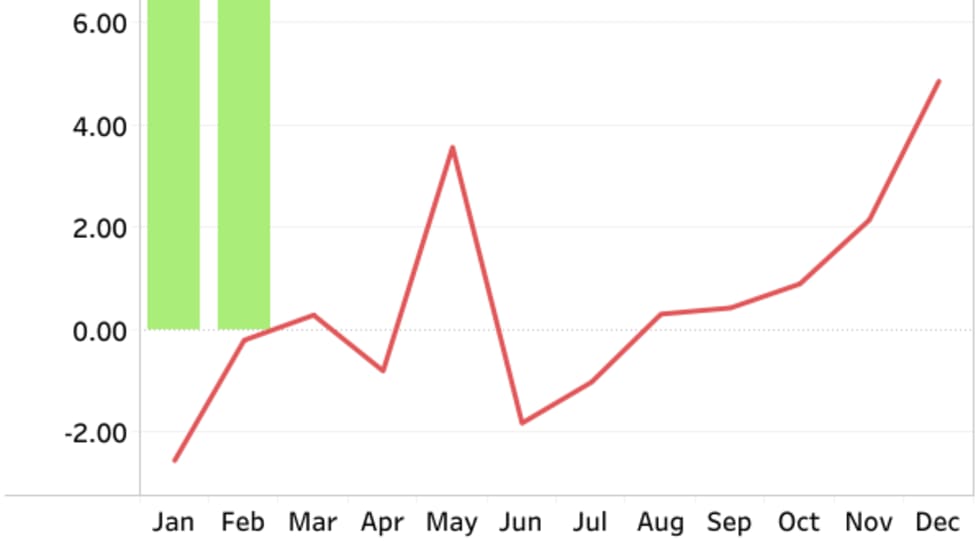
FTR Trucking Conditions Index Hits Four-Year High in February
Strong freight rates push TCI to 10.2, but FTR expects fuel-price volatility to skew March results.
Read More →
C.H. Robinson Offers Carriers Relief as Diesel Prices Surge
C.H. Robinson is waiving fees on fuel cards and cash advances for April and May, aiming to help carriers offset rising diesel costs tied to geopolitical instability.
Read More →