




Drivers hate them. Fleets love them. I'm talking about truck speed limiters, which to my mind are a blunt solution to a technically delicate problem: how to manage truck speed and efficiency without rendering the things undriveable.
Many fleets already limit the speed of their trucks with electronic governors. It's an easy ECM setting. Key in the desired upper road speed limit, and a combination of sensors will trigger the ECM to cut off fuel to the engine when the truck reaches that speed. All electronic engines have this ability; it's a question of what upper limit the operator chooses to set. 55 mph? 62? 78?
A nationwide speed-limiter mandate would strip operators of their ability to decide what is reasonable or appropriate for their company. Such a rule is in the works at the National Highway Traffic Safety Administration; current thinking among certain interests is that trucks should be limited to 65 mph.
It's also quite possible that truck manufacturers will promote trucks with a pre-set and unalterable road speed limit right from the factory as part of their strategy to meet 2013 GHG reduction targets.
If you already have your trucks governed at 65 mph, nothing will change if the mandated limit or the OE hard-wired limit is 65. However, a mandate will make a huge difference to your drivers.
Nothing remains the same for long in a dynamic freeway environment. Trucks currently limited to 65 mph interact safely, for the most part, with ungoverned trucks and cars doing well in excess of that speed. Everybody gets along well enough because a significant portion of the truck population is not governed to 65. Those variations in speeds still allow some room to maneuver around one another.
Once all the trucks out on the road are limited to the same road speed, the dynamic changes quite a bit, as we can see from what's happened with our neighbors to the north.
The Canadian provinces of Ontario and Quebec mandated speed limiters for heavy trucks in 2009. Supporters say the year the law took effect, large truck fatalities in Ontario dropped by 24% compared to the year before, despite a 59% increase in the number of large trucks registered in the province.
The U.S. Owner-Operator Independent Drivers Association, on the other hand, has been fighting it. OOIDA recently hailed a court decision in Ontario where a judge threw out a ticket for truck driver Gene Michaud for not having a working speed limiter. Supporters of the rule say the court decision does not affect the validity of the law.
Although some of the motoring public is happy with the mandatory speed limiters, others are not. As anyone who travels Ontario's Highway 401 will attest, the elephant races between speed-limited trucks are endless and interminably frustrating.
It's interesting to observe traffic traveling in the opposite direction on Ontario and Quebec's limited-access highway. There are periods where very little traffic passes the other way. Suddenly there's a cluster of vehicles, usually led by a pair of trucks motoring down the road side by side in each of the two lanes.
Five to 10 minutes can pass as one truck struggles to pass another. Behind them, cars and trucks bunch up and jockey for position while motorists stew in frustration.
Here's a possible compromise. How about building a bit of grace into the speed-limit function - adding a limited amount of time each day the truck could run 5 or 10 mph higher? Drivers could use that extra speed at their discretion to pass and accelerate where necessary, such as in the vicinity of freeway on-ramps when a lane change isn't possible. Because of its limited availability, they'd need to think twice about pulling out to pass another speed-limited truck.
The drivers' world is complex enough without nailing one of their feet to the floor.
From the July 2012 issue of HDT
Speed Limiters: Is the cure worse than the disease?
Drivers hate them. Fleets love them. I'm talking about truck speed limiters, which to my mind are a blunt solution to a technically delicate problem: how to manage truck speed and efficiency without rendering the things undriveable.
More Fleet Management

'Beyond Compliance,' Regulations, Driver Coaching on ATRI’s 2026 Research List
The American Transportation Research Institute will examine driver coaching, regulatory impacts — including the "Beyond Compliance" concept —and weather disruptions that shape trucking operations.
Read More →
Fleet Advantage's Brian Antonellis on the Growing Need to Replace Old Trucks
Fleet Advantage's Brian Antonellis says it's time for fleets to get back to the fundamentals of good maintenance practices. And that includes replacing older, inefficient equipment.
Read More →
Truckstop.com Adding to Open Deck, Heavy Haul Offerings
Load matching for flatbed, lowbed, oversize and overweight loads can't be automated like basic van freight, but Truckstop.com is adding more high-tech tools to help.
Read More →
Trucker Path, Truckstop.com Expand Load Access Partnership
An expanded Trucker Path and Truckstop.com integration brings more freight opportunities into the TruckLoads app while emphasizing security and network quality.
Read More →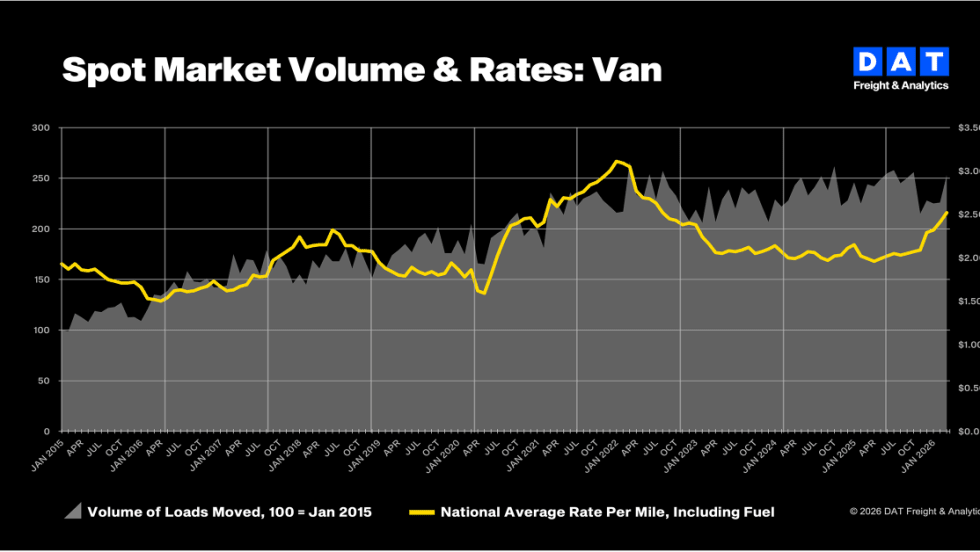
Truckload Rates Hit Two-Year Highs as Diesel Costs Surge, DAT Says
Strong March freight demand combined with a spike in fuel costs pushed both spot and contract truckload rates to their highest levels in more than two years.
Read More →
The AI Conversation You Need to Have with Your TMS Provider
Everyone’s talking about AI — but is your transportation management system actually built for it?
Read More →
Kriska Buys Fellow Canadian Carrier Sharp Transportation Systems
Being part of KTG will allow Sharp to expand and improve its services.
Read More →
Bill in House Would Raise Minimum Insurance for Motor Carriers to $5 Million
The Fair Compensation for Truck Crash Victims Act would increase insurance requirements for interstate motor carriers by nearly seven times.
Read More →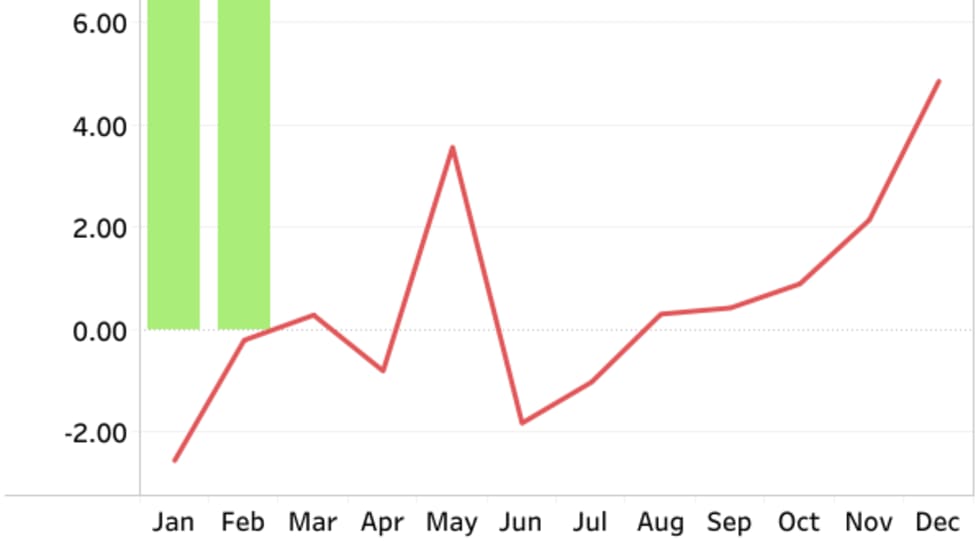
FTR Trucking Conditions Index Hits Four-Year High in February
Strong freight rates push TCI to 10.2, but FTR expects fuel-price volatility to skew March results.
Read More →
C.H. Robinson Offers Carriers Relief as Diesel Prices Surge
C.H. Robinson is waiving fees on fuel cards and cash advances for April and May, aiming to help carriers offset rising diesel costs tied to geopolitical instability.
Read More →