




Some time soon, if we don't already, we'll have a rulemaking proposal that ultimately will put a stability-control system on every new tractor, and maybe retrofit such a system on all tank trailers too, old or new.
I'm sold on both ideas.
Stability Control: Cheap Insurance
Some time soon, if we don't already, we'll have a rulemaking proposal that ultimately will put a stability-control system on every new tractor, and maybe retrofit such a system on all tank trailers too, old or new. I'm sold on both ideas
by Commentary Rolf Lockwood, Editor at Large
January 17, 2012
4 min to read
At press time, such a proposal was in the final stages at the National Highway Traffic Safety Administration. First, NHTSA aims to create a technology standard, though it's not yet clear how it intends to handle the distinction between the two types of stability systems on the market, roll stability control (RSC) and the more sophisticated - and more effective - electronic stability control (ESC).
As Washington Editor Oliver Patton pointed out last August, the agency's justification is that stability control is effective in up to 56% of single-vehicle tractor-trailer rollovers and 14% of skidding crashes. Those accidents are responsible for 304 deaths a year at present rates, NHTSA says, adding that stability-control systems could save 66 lives a year.
The National Transportation Safety Board recommended last summer that the Federal Motor Carrier Safety Administration mandate the retrofitting of RSC systems on all in-use tank trailers with a GVW over 10,000 pounds. It also wants stability control systems on all commercial vehicles over 10,000 pounds, including those with hydraulic brakes.
I'm sold on the idea that stability control should be required. Yet every time I write about its virtues, especially when I utter that "mandatory" word, drivers respond to say I'm full of you know what. I know there are those in the managerial ranks who think much the same, and owner-operators rightly object to the cost.
Nonetheless my mind is clear. It may well be yet another incursion by bureaucrats into the realm of personal choice, but this is no-brainer territory. It really is, and I'm a guy who absolutely hates rules.
Some folks object arbitrarily in some cases, I suppose, because they just don't want government intervention in their lives. Many drivers tell me that training and good driving skills are all that's required to keep trucks on the straight and narrow. I say "hogwash" to the latter complaint, and I'm not touchin' the former.
Training and skill will certainly make a difference in many cases where a stability-control system might be called into play. The best driver will anticipate danger and slow down, change lanes, or maybe even stop altogether. If he still finds himself in trouble, the best driver might still have the quickness of mind, hand and foot to drive out of it. Maybe.
It's a bit like cruise control, which can lift the worst driver to fleet-average status. On the other hand, the best driver would lose efficiency if he let dumb cruise take over. Driving for fuel economy is about a lot more than a steady throttle foot, after all.
But the bare fact of the safety matter is that even the best, most careful driver can easily find himself in a situation that's beyond his skills, demanding an abrupt maneuver that he just plain can't pull off cleanly. In many cases - we can all think of examples - the result is tragedy. That's because physics easily overcomes skill at the extremes. Every time. Physics might also overcome electronic gizmology, true enough, but certainly not always.
I'd guess that all the naysayers would think differently if they tried even the most basic stability control. I've been to countless RSC and ESC demonstrations going back more than a dozen years, and I've driven these systems on test tracks here and in Europe. I was utterly convinced the first time. If you haven't yet seen a demo, I urge you to seek one out.
You'd do well to look at a definitive NHTSA study published in late 2010 called "Safety Benefits of Stability Control Systems For Tractor-Semitrailers." Look for it at www.trb.org. Just 69 pages and not a difficult read.
At $2,300 or as little as $800, stability control does cost money. But the way I see it, even the most expensive ESC system is cheap insurance.
From the January 2012 issue of HDT.
Subscribe to Our Newsletter
More Fleet Management

'Beyond Compliance,' Regulations, Driver Coaching on ATRI’s 2026 Research List
The American Transportation Research Institute will examine driver coaching, regulatory impacts — including the "Beyond Compliance" concept —and weather disruptions that shape trucking operations.
Read More →
Fleet Advantage's Brian Antonellis on the Growing Need to Replace Old Trucks
Fleet Advantage's Brian Antonellis says it's time for fleets to get back to the fundamentals of good maintenance practices. And that includes replacing older, inefficient equipment.
Read More →
Truckstop.com Adding to Open Deck, Heavy Haul Offerings
Load matching for flatbed, lowbed, oversize and overweight loads can't be automated like basic van freight, but Truckstop.com is adding more high-tech tools to help.
Read More →
Trucker Path, Truckstop.com Expand Load Access Partnership
An expanded Trucker Path and Truckstop.com integration brings more freight opportunities into the TruckLoads app while emphasizing security and network quality.
Read More →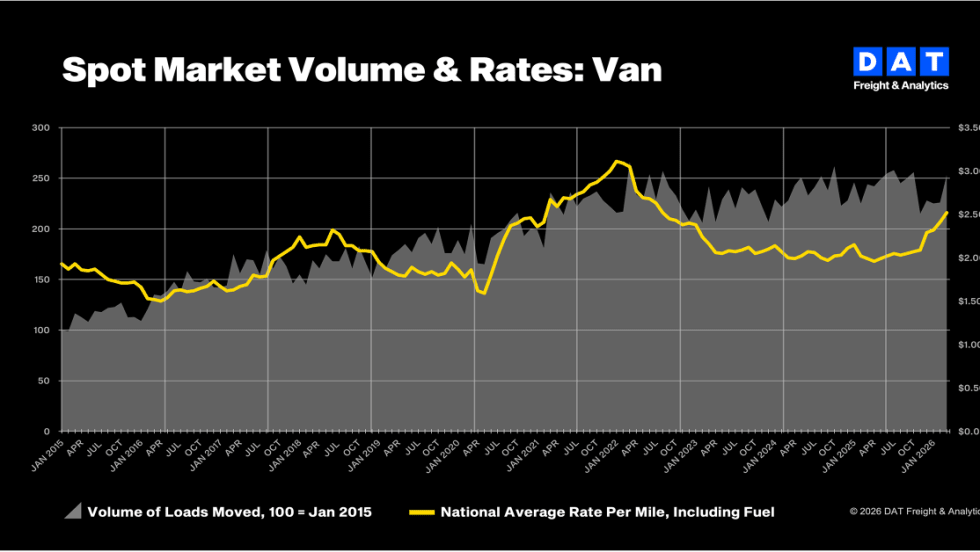
Truckload Rates Hit Two-Year Highs as Diesel Costs Surge, DAT Says
Strong March freight demand combined with a spike in fuel costs pushed both spot and contract truckload rates to their highest levels in more than two years.
Read More →
The AI Conversation You Need to Have with Your TMS Provider
Everyone’s talking about AI — but is your transportation management system actually built for it?
Read More →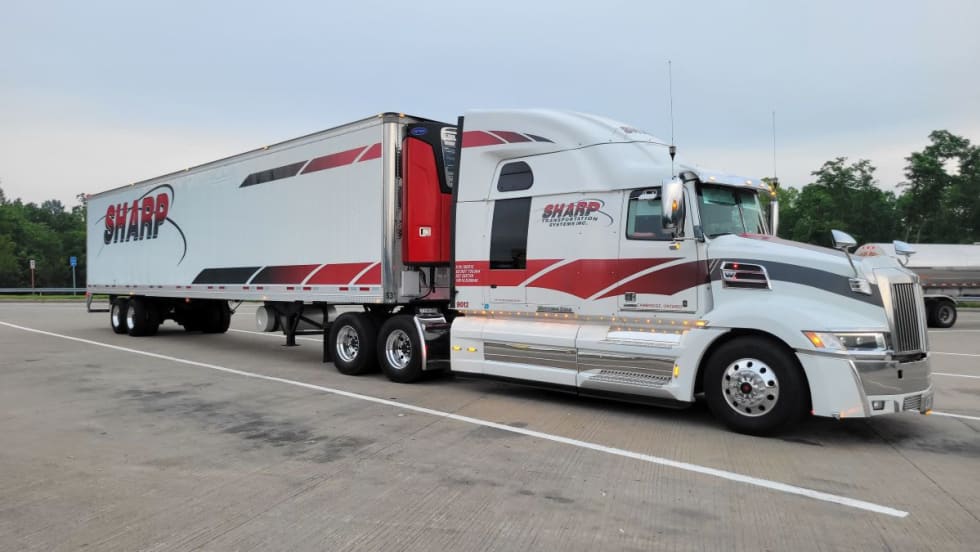
Kriska Buys Fellow Canadian Carrier Sharp Transportation Systems
Being part of KTG will allow Sharp to expand and improve its services.
Read More →
Bill in House Would Raise Minimum Insurance for Motor Carriers to $5 Million
The Fair Compensation for Truck Crash Victims Act would increase insurance requirements for interstate motor carriers by nearly seven times.
Read More →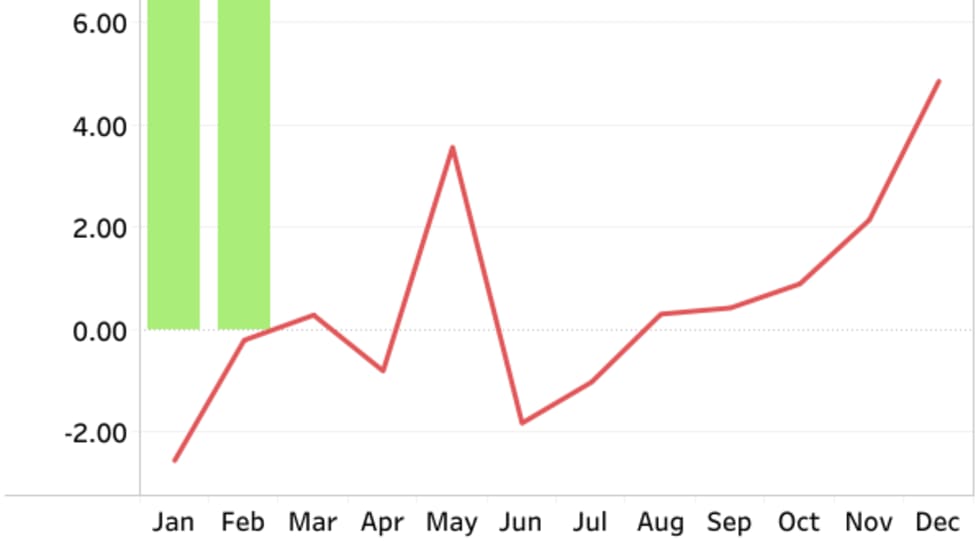
FTR Trucking Conditions Index Hits Four-Year High in February
Strong freight rates push TCI to 10.2, but FTR expects fuel-price volatility to skew March results.
Read More →
C.H. Robinson Offers Carriers Relief as Diesel Prices Surge
C.H. Robinson is waiving fees on fuel cards and cash advances for April and May, aiming to help carriers offset rising diesel costs tied to geopolitical instability.
Read More →