




Fuel prices may have temporarily stabilized, but after hitting $4 per gallon during the past few years, it doesn't take a crystal ball to predict continued volatility.
The Road to MPG Improvement
Fuel prices may have temporarily stabilized, but after hitting $4 per gallon during the past few years, it doesn't take a crystal ball to predict continued volatility
by Jim Coffren, PeopleNet
June 3, 2010
Jim Coffren
3 min to read
What fleet manager wouldn't sleep better knowing the antidote for uncontrollable fuel prices was at hand?
MPG is about understanding on a truck-by-truck basis what it's capable of doing. This is a radical departure from traditional fleet management-using the fleet's average truck performance as the benchmark for comparing and assessing each truck's performance. A far more effective process is using historical data for each make and model of truck to customize an expectation for each unit.
Any fleet that has access to engine and driver performance data can create and manage a successful fuel conservation program. I've seen firms save between $2,000 and $10,000 per truck in the first year of a dedicated program, achieving a five to 15 percent improvement in fuel economy.
The key is how the data is set up. It has to be in a format that is easy to decipher, so problems can be identified. Secondly, it has to be frequent enough to do something about negative behaviors that are eroding mpg. Waiting for quarterly P&L statements to reach executive management is like closing the barn door after the cows strut out. Burnt fuel can't be recouped. Instead, put real-time data in the seats and hands of those who can take action to alter a negative course-drivers, dispatchers and maintenance.
Of course, drivers are critical. They need specific data for them and their truck, so they can track their progress in meeting the mpg goal for their unit, as well as behaviors that contribute to fuel consumption. Remember, you can't save what you can't measure. In this case, idle time, speed, sudden stops and starts are huge factors. But there are more.
P&S Transport Vice President Scott Smith says of his program, "We now have the bigger picture, which includes less evident factors, like routing, maintenance, customers, drivers and truck make and model." The carrier primarily hauls steel pipe for gas lines and sewers, steel and other building products in 48 states. That requires a lot of driving and fuel for its 260-truck fleet.
"We can identify issues the week they begin to impact fuel mileage. We can see which parts of the organization to approach and which questions to ask." As a result, P&S Transport determined that 10 trucks were not meeting expectations and sold them. This one decision alone saved the company over $12,000 per month. In addition to saving more than $100,000 in hard costs, there were untracked soft-cost savings, such as eliminated miles on trucks, vehicle depreciation and lower maintenance costs.
Service First Distribution experienced a 15 percent fuel savings for their 60-tractor fleet that drives 10 million miles each year-an $800,000 gain. USA Logistics Carriers improved mpg for its 570 trucks from 5.5 to 6.9 miles on the millions of miles driven each year.
Jim Coffren is a professional services consultant, mpg specialist for PeopleNet, which provides Internet-based and integrated onboard computing and mobile communications systems to improve North America's trucking industry's fleet management. More information about the company may be found on the company web site at www.peoplenetonline.com or by calling 888-346-3486.
Subscribe to Our Newsletter
More Fleet Management

'Beyond Compliance,' Regulations, Driver Coaching on ATRI’s 2026 Research List
The American Transportation Research Institute will examine driver coaching, regulatory impacts — including the "Beyond Compliance" concept —and weather disruptions that shape trucking operations.
Read More →
Fleet Advantage's Brian Antonellis on the Growing Need to Replace Old Trucks
Fleet Advantage's Brian Antonellis says it's time for fleets to get back to the fundamentals of good maintenance practices. And that includes replacing older, inefficient equipment.
Read More →
Truckstop.com Adding to Open Deck, Heavy Haul Offerings
Load matching for flatbed, lowbed, oversize and overweight loads can't be automated like basic van freight, but Truckstop.com is adding more high-tech tools to help.
Read More →
Trucker Path, Truckstop.com Expand Load Access Partnership
An expanded Trucker Path and Truckstop.com integration brings more freight opportunities into the TruckLoads app while emphasizing security and network quality.
Read More →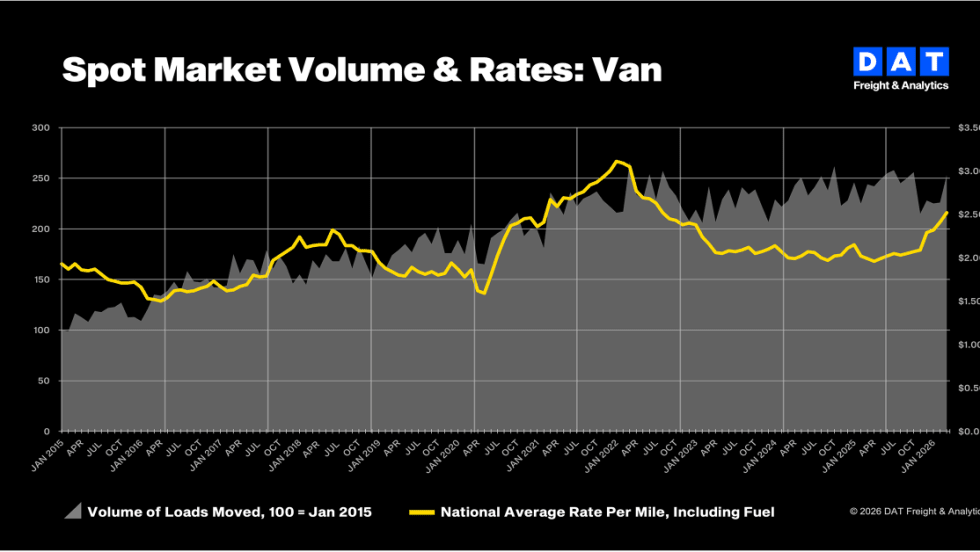
Truckload Rates Hit Two-Year Highs as Diesel Costs Surge, DAT Says
Strong March freight demand combined with a spike in fuel costs pushed both spot and contract truckload rates to their highest levels in more than two years.
Read More →
The AI Conversation You Need to Have with Your TMS Provider
Everyone’s talking about AI — but is your transportation management system actually built for it?
Read More →
Kriska Buys Fellow Canadian Carrier Sharp Transportation Systems
Being part of KTG will allow Sharp to expand and improve its services.
Read More →
Bill in House Would Raise Minimum Insurance for Motor Carriers to $5 Million
The Fair Compensation for Truck Crash Victims Act would increase insurance requirements for interstate motor carriers by nearly seven times.
Read More →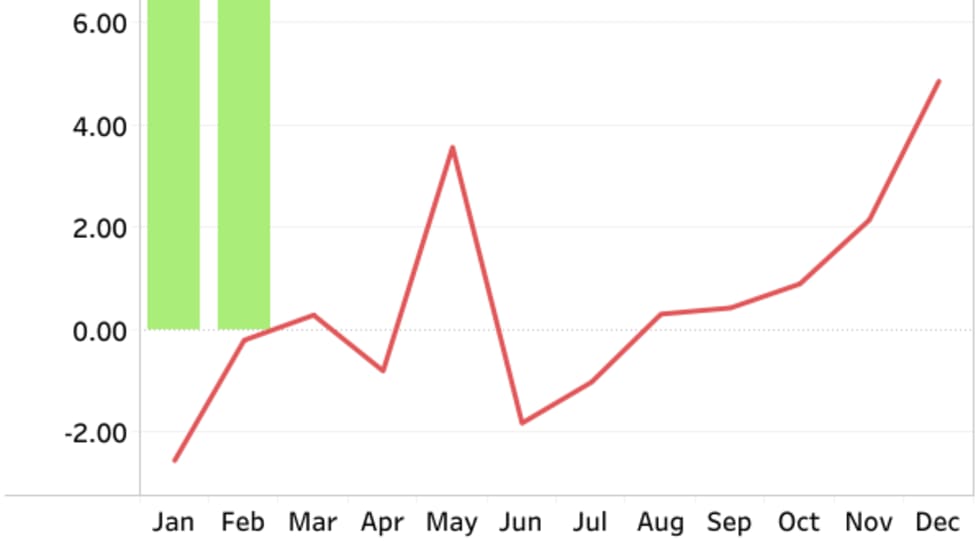
FTR Trucking Conditions Index Hits Four-Year High in February
Strong freight rates push TCI to 10.2, but FTR expects fuel-price volatility to skew March results.
Read More →
C.H. Robinson Offers Carriers Relief as Diesel Prices Surge
C.H. Robinson is waiving fees on fuel cards and cash advances for April and May, aiming to help carriers offset rising diesel costs tied to geopolitical instability.
Read More →