



Greased wheel ends can provide many thousands of miles of reliable service, provided proper maintenance procedures are followed.
 MENU
MENU SEARCH
Maintenance tips to help achieve maximum service life for greased wheel ends, as well as several symptoms that may indicate potential problems down the road.
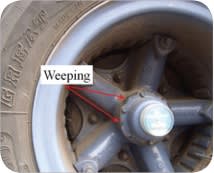
This wheel is weeping but is essentially OK. Photo courtesy SKF
Greased wheel ends can provide many thousands of miles of reliable service, provided proper maintenance procedures are followed.
First, check for the symptoms that indicate a wheel end needs service:
A hot to the touch hubcap – take precautions to avoid burns – is one sign, as is site glass (oil) on a hubcap that is discolored or burnt.
Low lubrication levels and wetness around either the hubcap gasket area or wheel seal are problematic, while vibration or wobble indicates a serious condition that requires immediate service.
A grinding noise, a burning smell, smoke or abnormal side pull while braking also means something’s not right.
Any vehicle being put into service after long storage faces the possibility that its seals may have dried out or become contaminated.
Any time a wheel end has been submerged in floodwater, it must be inspected. As the water could be toxic, wear safety equipment.
Lift and support each axle. Rotate the wheel, checking for vibration. If the rotation is not smooth or if a vibration is detected, inspect the bearings.
Check the bearing endplay with a dial indicator. If endplay is out of the recommended .001” to .005” range, inspect the bearings for wear and damage.
Pull the outer bearing and inspect the lubricant level, as both over- and under-fill conditions shorten wheel end life. Semi-fluid grease should be at the 3:00/9:00 fill level, while hard grease should be present between all rollers and filled in the hub cavity to the bearing races.
Inspect the grease. If it is milky white or foamy, the grease has been contaminated with moisture. Remove all lubricant out of the hub and clean and inspect the bearings for damage. If grit or hard particles are present, grease has been contaminated with external dirt, rust, grit or metal debris from failed wheel end components. Use a magnet to determine if the debris is metallic; if so, inspect bearings and other internal metal components.
As always, safety comes first.
Never work under a vehicle supported by only a jack. Always support the vehicle with proper stands. Block the wheels and make sure the vehicle won’t roll before releasing the brakes. Always wear eye protection and protective apparel. Follow all safety policies and regulations.
This article was authored under the guidance and editorial standards of HDT's editors to provide useful information to our readers. Scott Simmonds is Vice President of Heavy Duty Sales for SKF USA Inc. SKF is a global supplier of bearings, seals, mechatronics, lubrication systems and services.
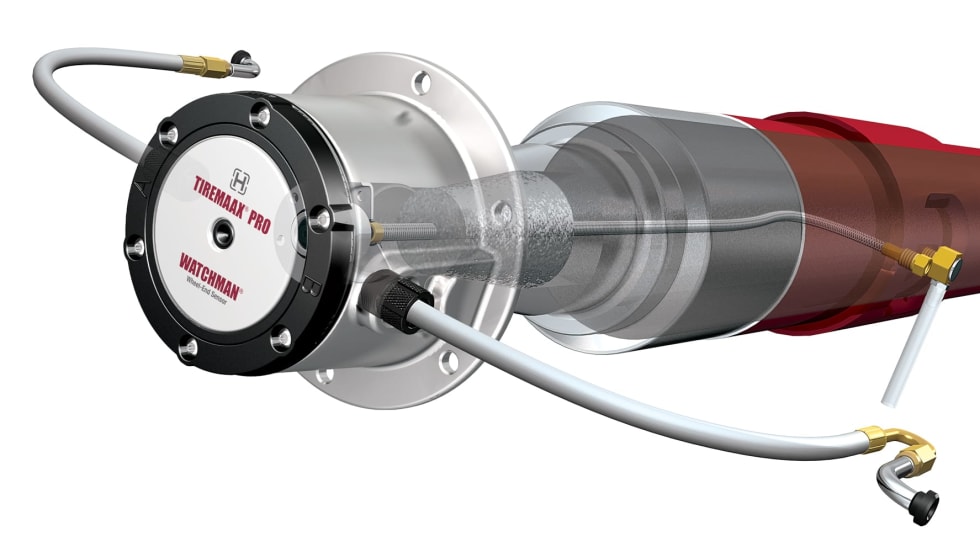
Hendrickson’s new sensor platform integrates with its TireMaax system to deliver real-time tire and wheel-end insights, targeting uptime and cost savings.
Read More →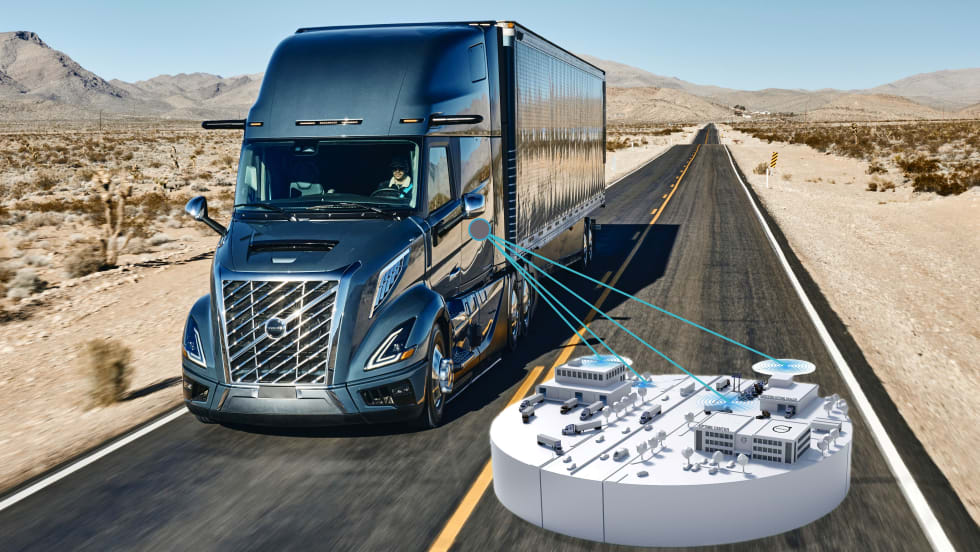
Over-the-air updates are moving beyond recalls, and expanding how fleets manage performance, compliance, and uptime.
Read More →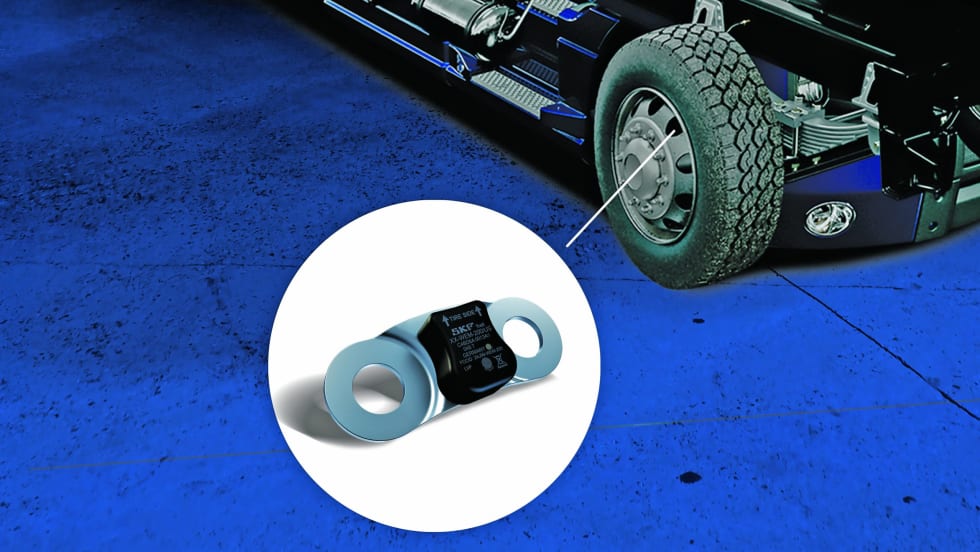
A new partnership between SFK and TMC brings certified, on-site instruction focused on wheel-end reliability and maintenance best practices.
Read More →
Hiring heavy-duty truck technicians has become a bidding war, but shops that focus on culture, training, and career paths are gaining an edge. That's the takeaway from a TMC panel discussion.
Read More →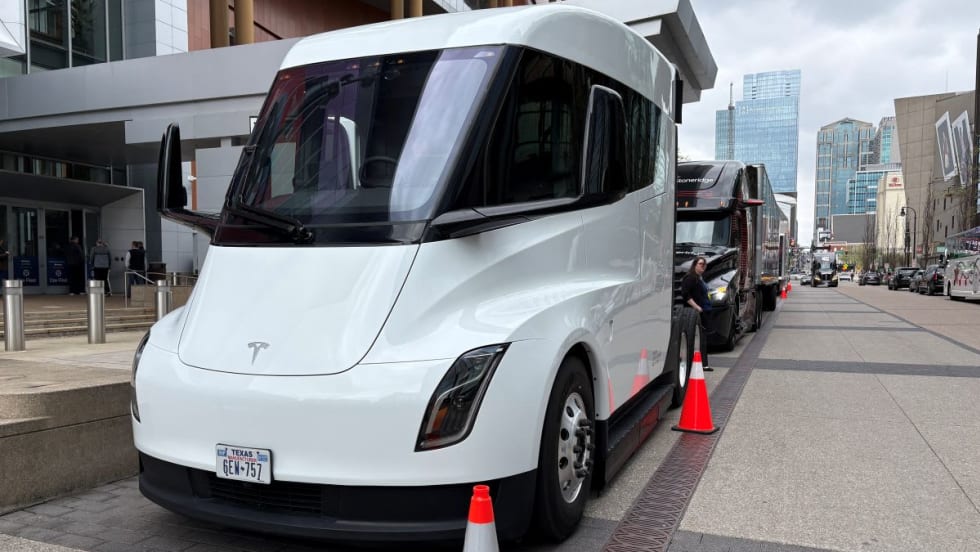
Couldn't make it to Nashville for TMC's 2026 annual meeting? Check out these images.
Read More →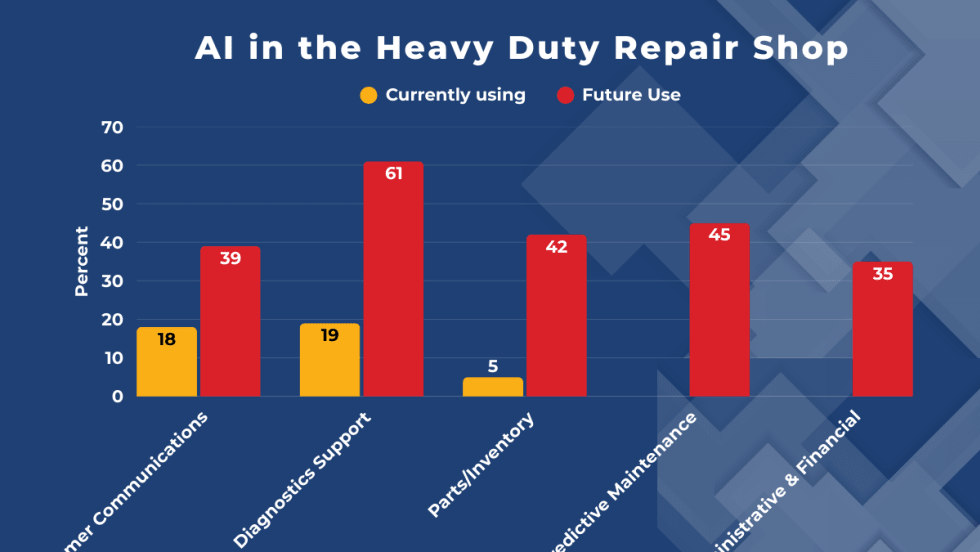
Strong growth across the heavy-duty repair sector is being tempered by workforce shortages and an aging technician pipeline.
Read More →
Telematics has evolved from simple vehicle tracking into a connected service platform that can help fleets boost uptime, improve specifications, and move toward predictive maintenance. Mack executives say AI is now giving fleets a way to turn all that vehicle data into faster, smarter decisions.
Read More →
A new battery-monitoring-as-a-service program from Clarios Connected Services uses predictive analytics and automatic replacement to reduce downtime and smooth fleet maintenance costs.
Read More →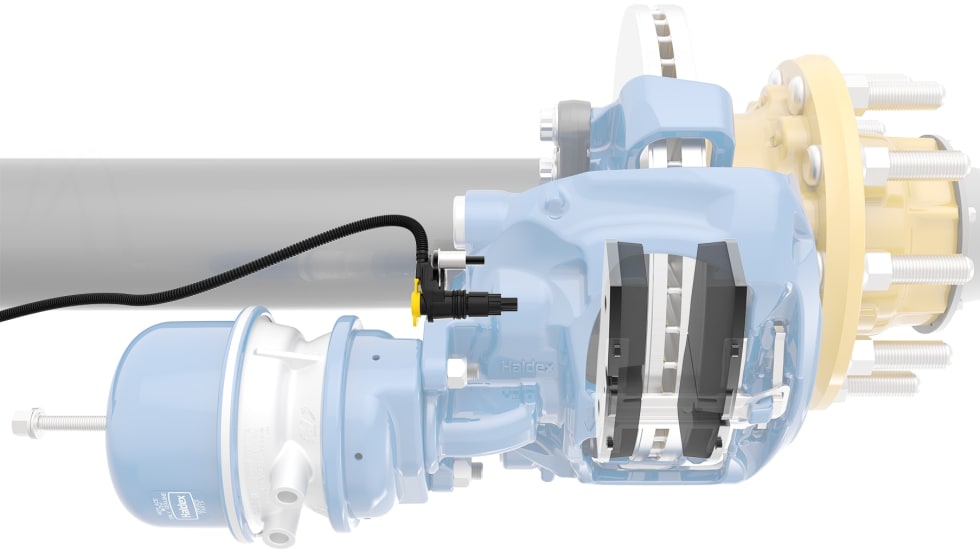
New Haldex sensor technology from SAF-Holland integrates with telematics systems to give fleets continuous insight into air disc brake condition.
Read More →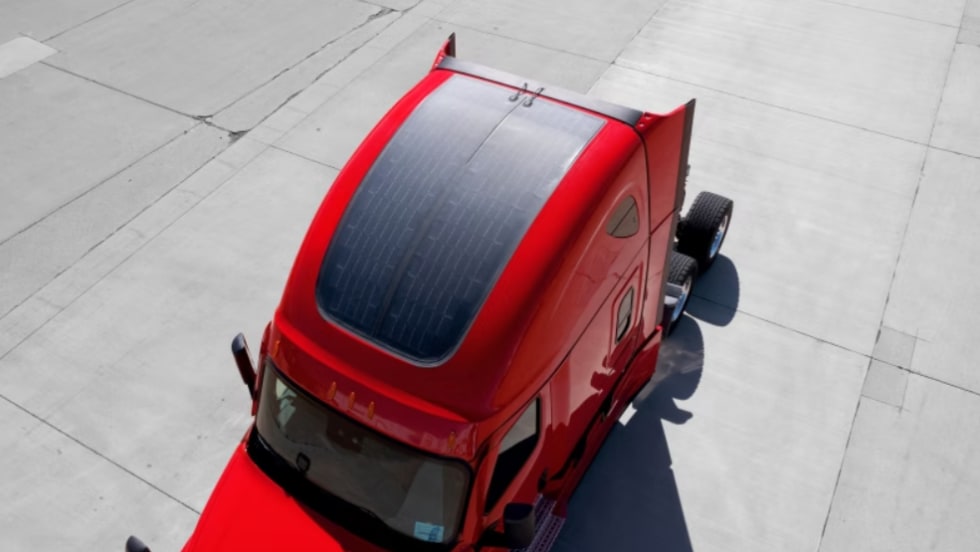
The company’s expanded EPEQ ecosystem includes flexible solar panels, lithium batteries, hydraulic power systems, and a portable fast charger for electric trucks.
Read More →