The driver pool is aging and poor health is an increasing issue.
by Deborah Whistler, Editor
April 1, 2006
3 min to read
A walk through the aisles of the Mid-America Trucking Show – which drew tens of thousands of truck drivers in late March – provided me with a clear visual demonstration of an increasing concern: Many truckers are extremely overweight and at risk of serious health problems.
Ad Loading...
Obesity is ranked the No.1 health threat facing Americans, according to the U.S. Centers for Disease Control and Prevention, and results in an estimated 400,000 deaths annually.
Ad Loading...
Nowhere is the problem more obvious than in the truck driver population. One truck manufacturer recently redesigned their cab interiors based on a study they performed that proved truck drivers are often dramatically larger than the general population.
One man is working to help. Barry Pawelek, a 62-year-old former trucker from Hinton, Okla., drove professionally for 20 years. Four years ago, while pulling for Landstar Inway, he suffered a stroke, followed by a heart attack.
Pawelek claims the trucker lifestyle did him in – fast food, stress, no exercise.
After recovering from his heart attack, Pawelek resolved to change his lifestyle.
He started by learning everything he could about heart disease. He embarked on a program of selfimprovement, incorporating healthy eating and exercise into his life.
Ad Loading...
The more information he gathered, the stronger his resolve became to pass on what he learned to others. Now he's carrying his message to truckers.
No longer able to continue his driving career, Pawelek has devoted the past two years to organizing Nationwide Truckstop Health Tour, an educational traveling production under his own company name, Truckstop Events.
He went to the best sources for help: the American Heart Association, The American Cancer Society, American Diabetes Association and The Arthritis Foundation, as well as many others. Truckstops of America weighed in with a promise to help.
He signed on three doctors (a psychologist, a nutritional specialist and one general M.D.) and arranged for nurses to assist with health screenings.
Western Star trucks gave him a tractor to pull a converted single-drop moving van. Its interior, as designed by Pawelek, replicates a walk-through view of the human gastrointestinal tract, from mouth to heart, plus a seating area to watch a video of a heart attack reenactment. Loads of takeaway literature from the health organizations sit in his office, ready to go.
Ad Loading...
He put together a Get Healthy program with the help of the nation's three largest weight-loss companies and has been trying, with no success, to sell it to fleets as part of a sponsorship package for his Health Tour.
He's been turned down by more than 200 carriers contacted to become sponsors.
"Some told me they were afraid of being sued if they offered [this help] to a driver. Two carriers came close [to signing up] but at the last minute decided to put the money into recruiting."
Without financial help to fuel his tour, Pawelek's dream sits dead in the water. Without funding, he cannot buy a trailer, cover operational costs, or get the health organizations to endorse the tour.
If fleets aren't interested, drivers are. Pawelek ran an ad in our driver magazine, Roadstar, in January. The ad drew more than 2,800 phone responses in six weeks, he says, mostly from truck drivers desperate to lose weight.
Ad Loading...
Twenty-four of those who responded will go through his program, and he's paying for it out of his own pocket. The other drivers who called will have the opportunity to sign on, but they will have to pay an estimated $100-$150 per month to participate.
Facing an acute driver shortage and an aging driver pool, truck fleet managers need to address this issue. It's not enough to recruit and retain drivers. Fleets have a responsibility to educate and help these drivers live a productive and healthy life.
Further information about the program and sponsorship can be found at www.truckstopevents.com or by calling (405) 542-6857 or (405) 205-0658.
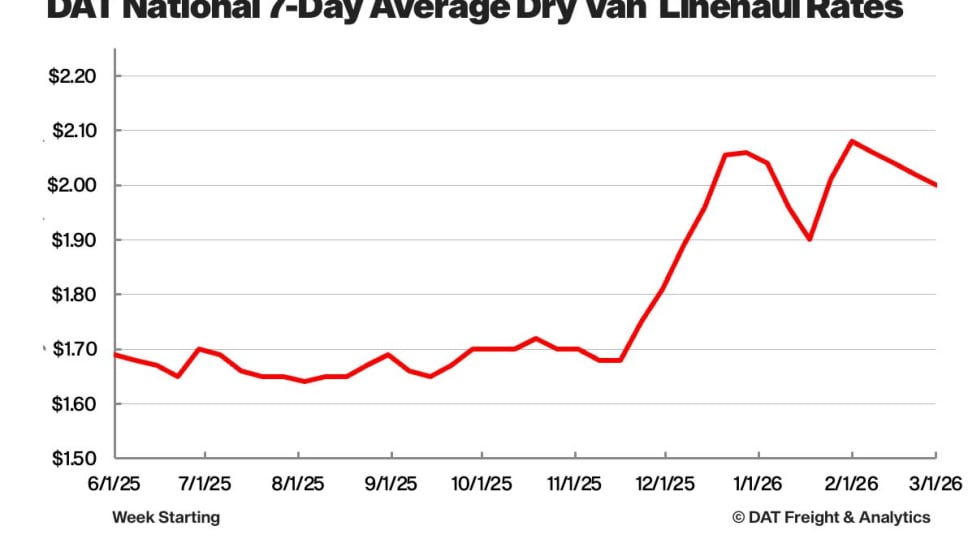
ACT Research data shows volumes hitting a four-year high and supply-demand balance strengthening, but higher oil prices are undercutting tariff relief and tempering optimism.
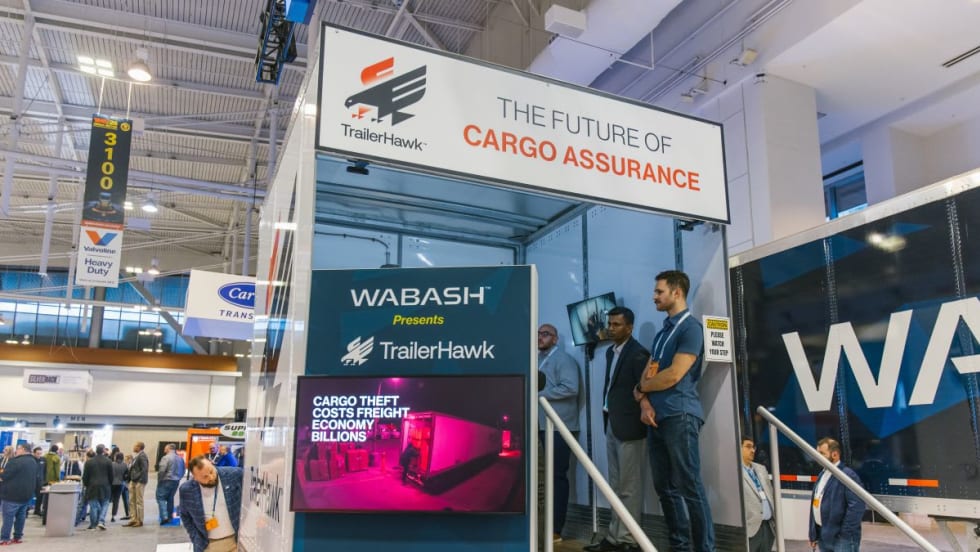
The patent-pending cargo solution integrates a digitally connected cargo door and an intelligent locking system with the TrailerHawk.AI technology platform.
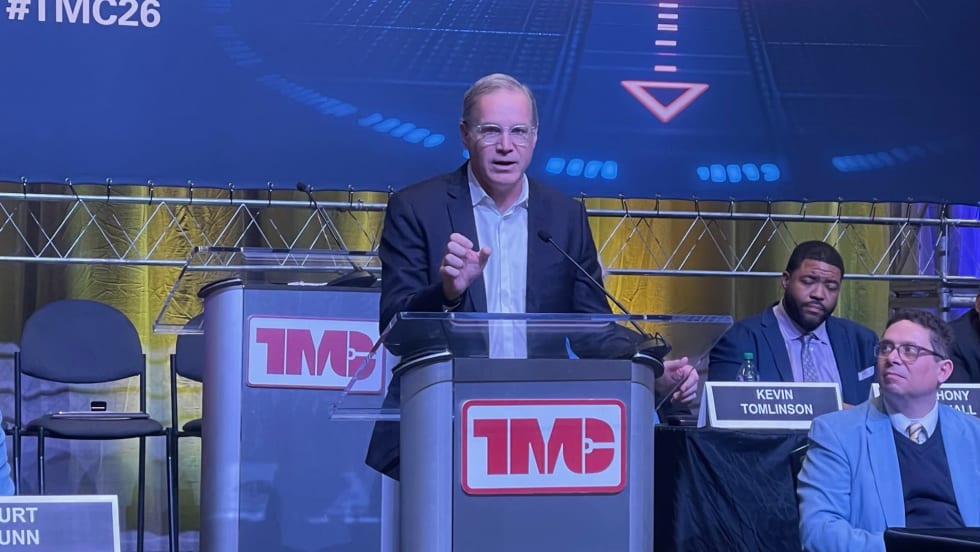
Speaking at the TMC Annual Meeting in Nashville, ATA President Chris Spear said trucking faces mounting pressure from rising fuel prices, geopolitical instability, and uncertainty around trade policy.
More than 100,000 new trucking companies enter the industry each year, but regulators manage to audit only a fraction of them. That churn creates opportunities for inexperienced startups — and for “chameleon carriers” that shut down after safety violations and reappear under new identities. Read more from Deborah Lockridge in this commentary.
HDTX is an intimate event that connects heavy-duty trucking fleet managers with industry suppliers through small-group discussions, educational sessions, and structured one-on-one meetings.
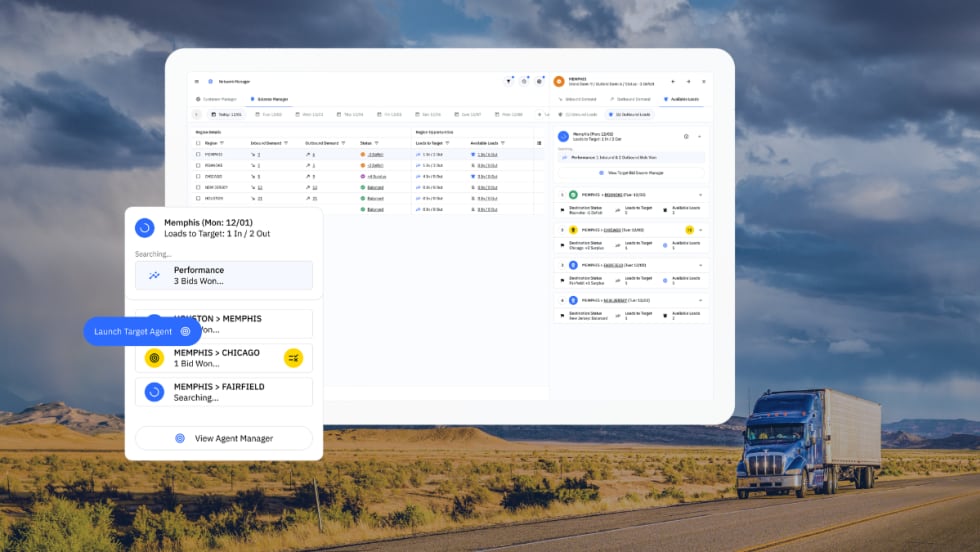
Optimal Dynamics says its new Scale platform uses AI agents and optimization to help carriers find and secure freight that improves network balance and profitability.
NACFE's Run on Less - Messy Middle project demonstrates the power of data in helping to guide the future of alternative fuels and powertrains for heavy-duty trucks.