





This year didn’t bring the turnaround of the freight recession that many expected. Instead, 2025 delivered an environment of economic, political, and regulatory turmoil that is pushing weaker carriers out and forcing everyone else to get smarter, leaner, and more tech-savvy.
Trucking in 2025: Survival of the Fittest in a Year of Uncertainty
Why 2025 delivered more uncertainty than recovery in trucking, and how smart use of AI may separate the survivors from the rest. An editorial commentary from Heavy Duty Trucking's Deborah Lockridge.
December 1, 2025
What a year it has been for the country and for the trucking industry.
HDT Graphic
3 min to read
If there’s one word that has defined the trucking landscape this year, it’s “uncertainty.”
Uncertainty about the economy. Uncertainty about President Trump’s ever-changing tariffs. Uncertainty about what emissions standards truck and engine makers will face.
Why 2025 Became One of Trucking’s Most Uncertain Years
A year ago, there was a general consensus among industry analysts and economists that 2025 would see a gradual climb out of the record-setting freight recession.
Within six months, those forecasts were in tatters. As we head into 2026, consumer expectations on inflation and unemployment for the next year are at the worst level since the Great Recession. The labor market has weakened. Tariffs are prompting many manufacturers to push the pause button.
DAT reported that truckload volumes fell for the fourth month in a row in October, while ATA’s Freight Tonnage Index posted its steepest decline since early 2024.
Motor Carrier Failures Begin to Reshape Freight Supply and Demand
But there areearly signs of tightening capacity. And overcapacity is what has kept freight rates low.
DAT said tighter capacity nudged spot rates upward in October. And in contract rates, DAT said, there are signs that shippers are prioritizing reliable capacity over squeezing rates, as concerns grow about carrier survivability.
There has been a lot of discussion about how much capacity will be reduced by the administration’s crackdown on immigration, English language requirements for drivers, cabotage, and restrictions on non-domiciled CDLs.
There’s also pressure to crack down on shady carriers using fraudulent logs and fake co-drivers.
But it’s more likely that overcapacity will be “solved” as trucking companies finally succumb to the prolonged freight recession and rising operating costs. While it’s hard to watch, the pain of these individual motor carriers can benefit the industry as a whole.
Why AI May Be the Key to Trucking Fleet Survival
One of the most dramatic changes this year has been the explosion of artificial intelligence — not just inside vendor tools, but in day-to-day fleet operations.
A year ago, generative AI largely lived behind the scenes inside vendors’ products — routing optimization, predictive maintenance, in-cab cameras, pricing engines. That trend has accelerated; if you have tech vendors that aren’t already using AI, they probably will be.
Today, generative AI is being used to automatically enter data, more quickly respond to RFPs with better rate quotes, review contracts, diagnose trucks, dispatch drivers, answer routine questions from drivers and customers, writing proposals, creating marketing materials, match loads to trucks, set maintenance by condition rather than the calendar, analyze which lanes and customers are profitable, and more.
Beyond the AI being built into TMS and vendor platforms, readily available GenAI tools such as ChatGPT, Microsoft Copilot, and Google Gemini are allowing anyone to accomplish automation that previously would have required data scientists and software coders.
In fact, some are saying that effective use of AI will be fundamental to the continued growth and future success of every business.
Survival of the Fittest: Preparing Your Fleet for What’s Next
Artificial intelligence won’t rescue a broken business model, but it can be an important differentiator in a harsh market.
In this world, “survival of the fittest” increasingly means “survival of the fleets that can navigate uncertainty and harness AI and other technologies to operate more intelligently.”
As we continue to navigate this landscape, what are you doing to make sure your trucking company is one of the survivors – and positioned for success when the cycle finally turns?
Subscribe to Our Newsletter
More Fleet Management

ACT: Trucking Volumes Rise, Capacity Tightens as Fuel Prices Cloud Outlook
ACT Research data shows volumes hitting a four-year high and supply-demand balance strengthening, but higher oil prices are undercutting tariff relief and tempering optimism.
Read More →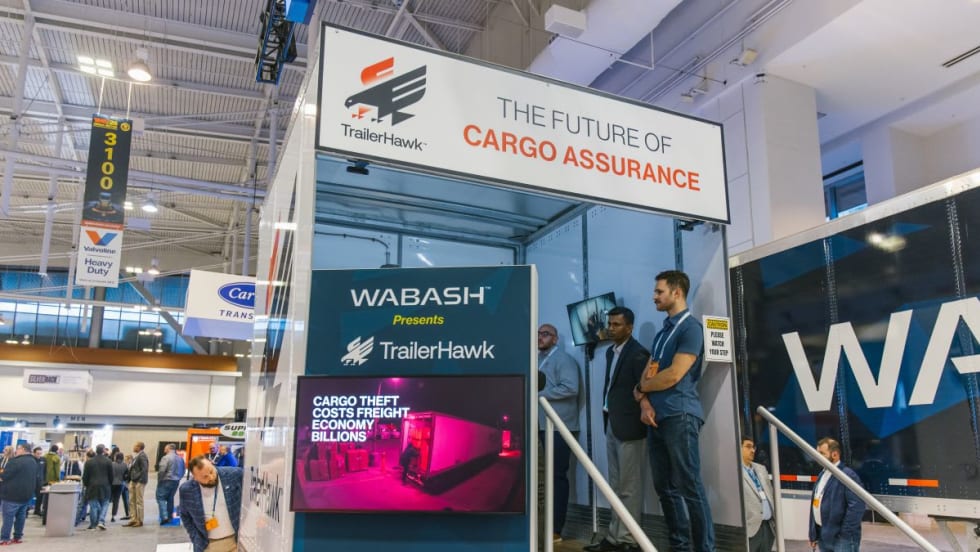
Wabash Teams Physical Security With Digital Tech For Better Cargo Visibility
The patent-pending cargo solution integrates a digitally connected cargo door and an intelligent locking system with the TrailerHawk.AI technology platform.
Read More →
From Diesel Prices to Cyberattacks: How the Iran War Is Affecting Trucking
The impact of the Iran conflict extends beyond fuel costs, bringing more fraud and cybersecurity risks to the trucking industry.
Read More →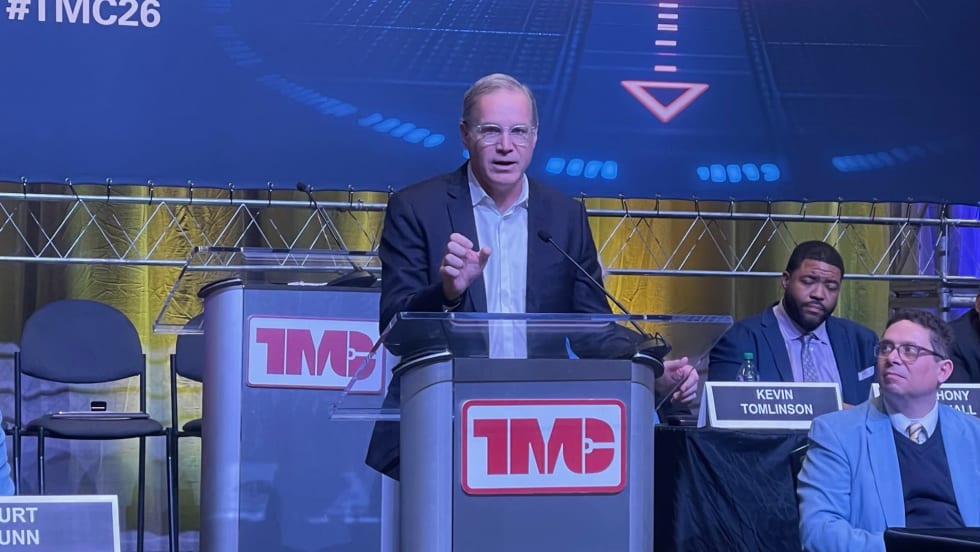
ATA’s Spear Warns Fuel Prices, Trade Policy, and Global Conflict Could Stall Trucking Recovery
Speaking at the TMC Annual Meeting in Nashville, ATA President Chris Spear said trucking faces mounting pressure from rising fuel prices, geopolitical instability, and uncertainty around trade policy.
Read More →
New Entrants, Chameleon Carriers, and Safety: Is It Too Easy to Start a Trucking Company?
More than 100,000 new trucking companies enter the industry each year, but regulators manage to audit only a fraction of them. That churn creates opportunities for inexperienced startups — and for “chameleon carriers” that shut down after safety violations and reappear under new identities. Read more from Deborah Lockridge in this commentary.
Read More →
Fleet Managers Invited to Apply for Exclusive HDT Exchange Event
HDTX is an intimate event that connects heavy-duty trucking fleet managers with industry suppliers through small-group discussions, educational sessions, and structured one-on-one meetings.
Read More →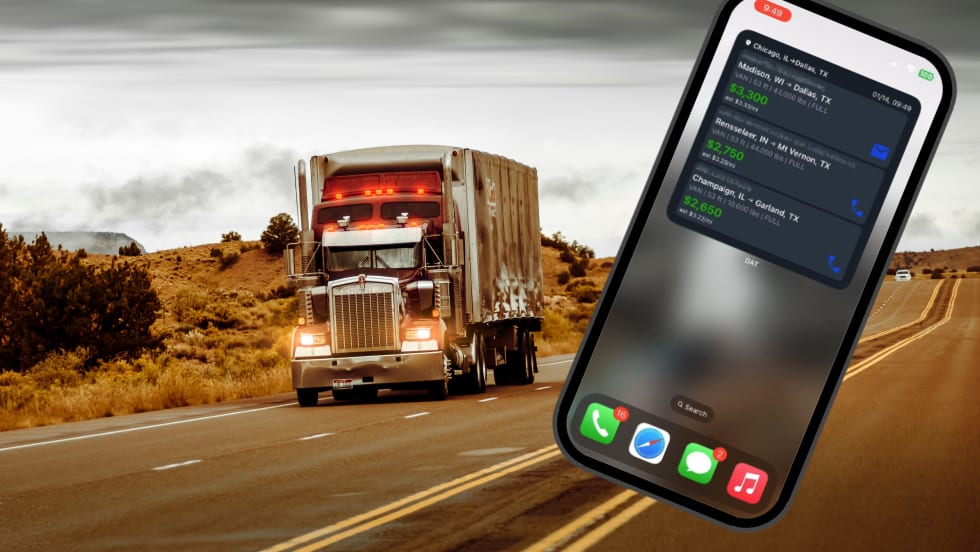
DAT Launches iPhone Widget to Help Owner-Operators Find Loads Faster
New DAT One feature shows top-paying loads directly on an iPhone’s home screen, helping carriers react faster to spot-market opportunities.
Read More →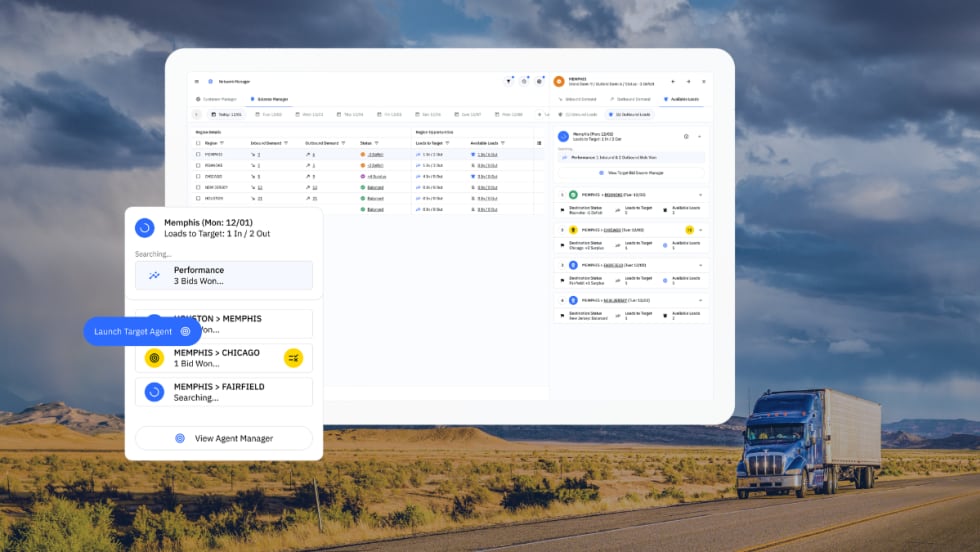
Optimal Dynamics Launches AI System to Help Carriers Choose Better Freight
Optimal Dynamics says its new Scale platform uses AI agents and optimization to help carriers find and secure freight that improves network balance and profitability.
Read More →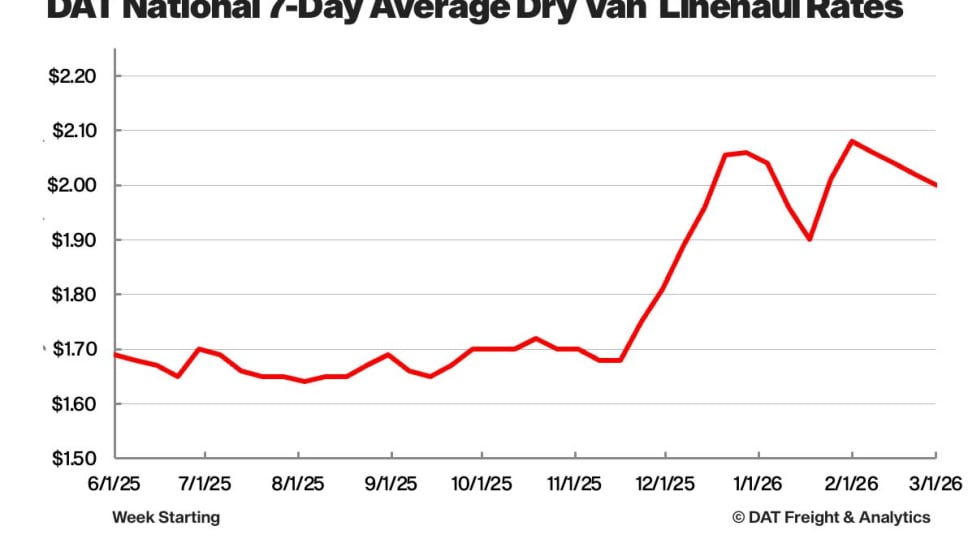
DAT: Flatbed Demand Climbs as Van and Reefer Rates Soften
DAT Freight & Analytics data shows tightening flatbed capacity, easing produce markets, and softening van and reefer rates.
Read More →
Run on Less “Messy Middle” Data Shows Multiple Paths Forward for Truck Powertrains [Watch]
NACFE's Run on Less - Messy Middle project demonstrates the power of data in helping to guide the future of alternative fuels and powertrains for heavy-duty trucks.
Read More →