



Well, OK, so right now there's nothing bugging us more than paying arms and legs for fuel. But there are lots of other worrisome things looming.
 MENU
MENU SEARCH
Finding drivers will get harder. How about taking the 'easy' way out?

Well, OK, so right now there's nothing bugging us more than paying arms and legs for fuel. But there are lots of other worrisome things looming.
The highway infrastructure is going downhill. There are toll road issues. Safety is always a concern. So are maintenance items like the new engines and corrosive road chemicals. Insurance costs are ever-ascending. Another round of emissions limits is coming in 2010.
But none of those – maybe not even fuel prices – holds a candle to our people (make that driver) problem. It's here, and it's getting worse.
Right now, according to the American Trucking Associations, we're around 20,000 short of long haul drivers. The estimate is that by 2014 – eight years from now – we could be 111,000 short. And that doesn't include local/regional drivers.
A key reason things will get worse: The white male population, ages 35-54 will decline drastically. That age group supplies more than half our drivers, and its drop in numbers will lead an overall decline in the U.S. labor force. Result: Employers in fields outside trucking will compete even harder for people than they do now.
Throw that into the mix of economic growth (more freight to haul) and attrition in the driver force (retirements, deaths or just plain changing to another job field), and researchers come up with an average demand for 54,000 new long-haul drivers per year.
Considering the medical requirements, background checks, language tests, training, insurance company restrictions, drug testing and other hurdles a driver must clear, and it's obvious why it's tough to land the good ones.
That's why carriers are offering better pay, well-equipped trucks, flexible scheduling, 401 k plans, bonuses, profit sharing, medical and disability coverage, no-touch freight and so on.
Great incentives, but still not enough to bring in all the new drivers needed. We need to mine the obvious new sources: Minorities.
The recent research indicates that white males make up about 67 percent of the driver population, and that by 2014 that number will fall to 60 percent. Hispanic male drivers – now put at about 15 percent – will grow to nearly 19 percent of the total, and "other male" drivers will grow from about 15 percent to nearly 17 percent. Surprisingly (to me, anyway) the study predicts no growth in women truck drivers, who currently make up about 4 percent of drivers.
So there you have your targets for the new driver pool. But how to attract them?
We learn (or should learn) from history. When the economy and the industry hit the wall in 2000, trucking jobs were paying between 6 percent and 7 percent better than construction. But then trucking pay fell below construction, and is just now getting back to even.
Say you're a truck driver, or thinking of being one. Let's see – you get the freedom of the open road (maybe for weeks at a time without seeing the family.) But you get to pilot a great machine (and put up with incompetent four-wheelers, cranky dock workers, sleep time that's all over the clock and rules, rules rules).
Or – you can learn to run a power nailer, work eight hours a day and be home every night. If the pay is the same, which one makes the best longterm career?
It's been said by some experts that paying drivers more is the easy way out of this crisis. If that's so, the solution is a slam-dunk.
Doug Condra
President
E-mail Doug Condra at dcondra@truckinginfo.com, or write PO Box W, Newport Beach, CA 92658.

The American Transportation Research Institute will examine driver coaching, regulatory impacts — including the "Beyond Compliance" concept —and weather disruptions that shape trucking operations.
Read More →
Fleet Advantage's Brian Antonellis says it's time for fleets to get back to the fundamentals of good maintenance practices. And that includes replacing older, inefficient equipment.
Read More →
Load matching for flatbed, lowbed, oversize and overweight loads can't be automated like basic van freight, but Truckstop.com is adding more high-tech tools to help.
Read More →
An expanded Trucker Path and Truckstop.com integration brings more freight opportunities into the TruckLoads app while emphasizing security and network quality.
Read More →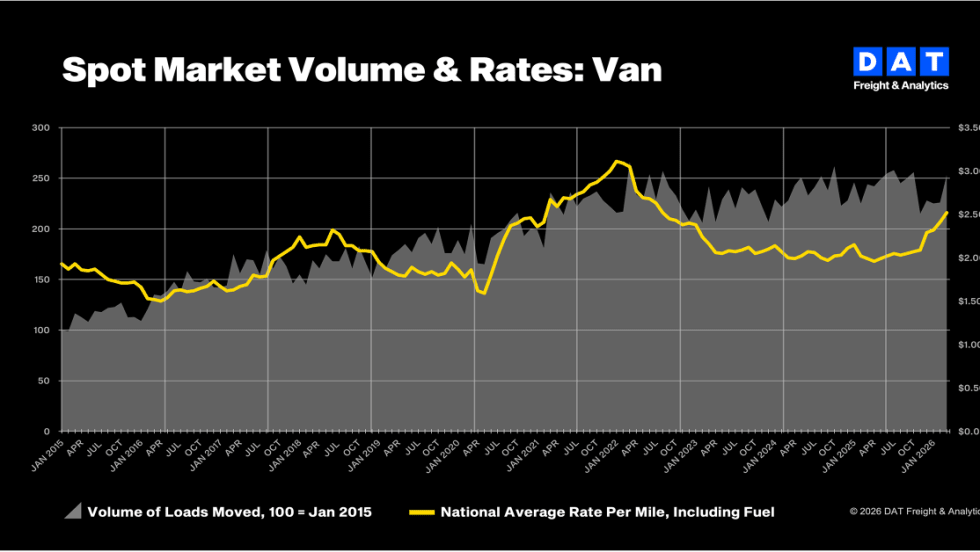
Strong March freight demand combined with a spike in fuel costs pushed both spot and contract truckload rates to their highest levels in more than two years.
Read More →
Everyone’s talking about AI — but is your transportation management system actually built for it?
Read More →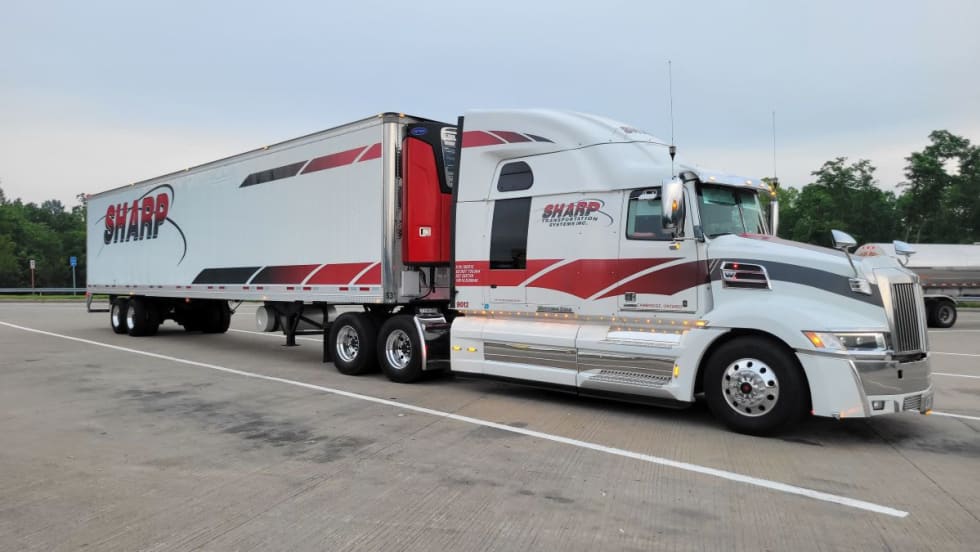
Being part of KTG will allow Sharp to expand and improve its services.
Read More →
The Fair Compensation for Truck Crash Victims Act would increase insurance requirements for interstate motor carriers by nearly seven times.
Read More →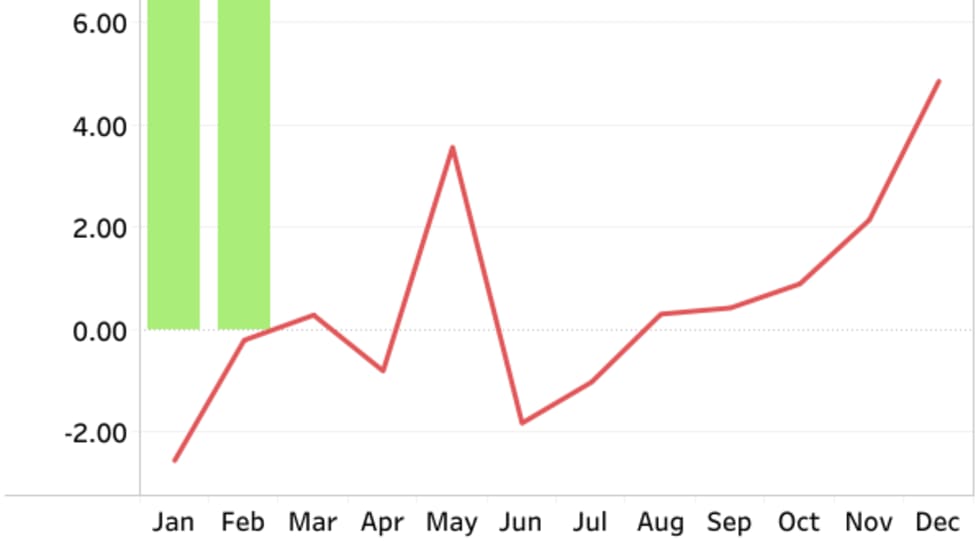
Strong freight rates push TCI to 10.2, but FTR expects fuel-price volatility to skew March results.
Read More →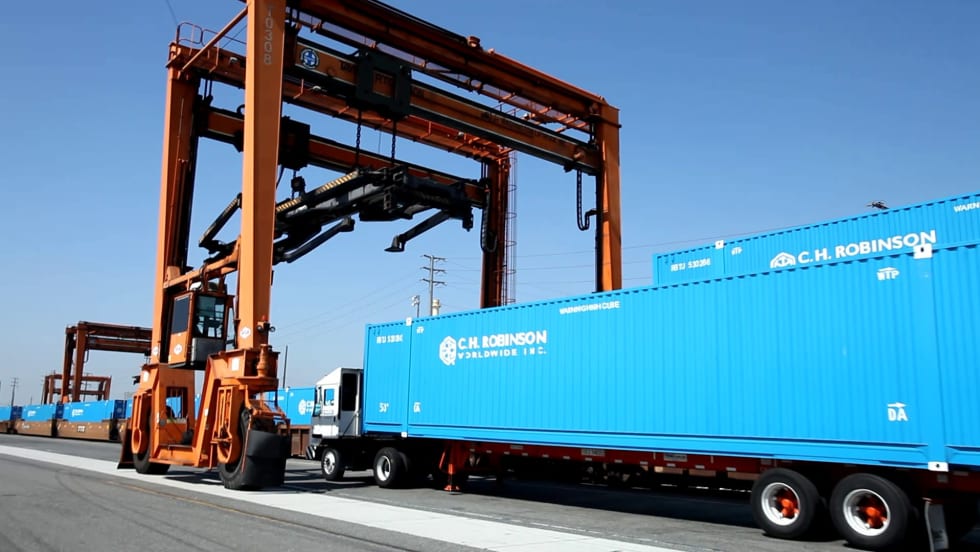
C.H. Robinson is waiving fees on fuel cards and cash advances for April and May, aiming to help carriers offset rising diesel costs tied to geopolitical instability.
Read More →