




Regulations for commercial vehicle drivers are changing, in particular with regards to medical cards.
The changes affect various kinds of drivers differently. The rules remain the same as to which drivers need a federal medical certificate while operating a commercial vehicle, but drivers will now have to provide an up-to-date copy of this card to the DMV when they obtain it.
As part of this process, all CDL holders will have to self-certify the type of classification in which they operate as well (which will determine their requirements for filing their Fed Med card with the state) by 2014, and some may have to do so earlier than that.
Upcoming Changes for Commercial Driver's License Holders
Regulations for commercial vehicle drivers are changing, in particular with regards to medical cards
by Don Jerrell, Contributor
January 6, 20135 min to read
Changes to tracking drivers with federal medical certificates
Currently, all trucking companies are responsible for tracking the expiration of medical cards for their drivers. If a Fed Med card expires, the company usually reminds the driver to get a medical exam and get a new card.
By January 2014, the states will be required to take this over and centralize tracking of which drivers are maintaining a valid Fed Med card. If the state's DMV doesn't have a card on file for a driver, they'll suspend their license. Most states are starting this process now to ensure compliance by 2014, beginning with those who are receiving Fed Med cards and CDLs for the first time or renewing them.
When drivers will have to comply with the new requirements
In all states, drivers who are required to file a Fed Med card will have to comply by Jan. 30, 2014. In most states you are now required to show your Fed Med card when renewing a CDL license for interstate commerce. If you renew your CDL but don't show your medical card, you may be restricted to intrastate only travel as a result.
A number of our clients have reported that their drivers have visited the DMV, renewed their license without showing the Fed Med card (since they haven't had to in the past), and have later realized the license they got was restricted to intrastate commerce. Make sure your drivers are aware of the new requirements. Those who are renewing without realizing the new requirement are ending up with a restricted license.
From now, on any time drivers get a new medical card (good for two years) they will need to notify the DMV when it expires. For specifics on requirements in your state, verify with the DMV.
A new step in the process: reporting vehicle classifications
By Jan. 30, 2014, all CDL holders will have to self-certify their type of vehicle operation, which will determine if they need to submit a Fed Med Card to the DMV or not.
The new regulations do not change who is required to maintain a Fed Med card but they do require drivers to report their exemption if they have one. CDL holders who do not file a Fed Med card with the DMV or report an exemption will be assumed to be non-compliant, and their licenses will be suspended Jan. 30, 2014.
Who needs a Fed Med card to begin with?
To determine whether a driver needs to file a Fed Med card with the state, you need to know two things: are they an interstate or intrastate driver, and are they in an excepted industry? A driver is interstate if their load crosses state lines at any point during a normal trip. You are intrastate if your business is all conducted within the borders of one state.
Exceptions are a little more difficult to determine. Each state can determine their own additional exceptions, but the Department of Transportation exceptions are:
All school bus operations
Any transportation for a political subdivision
Transportation of sick, injured, or deceased persons
Operation of fire trucks or rescue vehicles while involved in an emergency
Operation of vehicles designed or used to transport between 9 and 15 passengers not for direct compensation.
Transportation of propane winter heating fuel or responding to a pipeline emergency
Farm custom operations, including transporting machinery or crops
Operation of a CMV operated by a beekeeper transporting bees.
Operation of private motor carrier of passengers
Transportation of personal property not for compensation or commercial enterprise.
Additional Wisconsin exceptions include:
Tow trucks (if requested by a federal, state, or local officer)
Grandfathered (held valid CDL since July 29, 1996 that has not been revoked)
Wisconsin diabetes exemption
Wisconsin vision exemption
Once you determine if you operate in an industry that is an exception, you can determine which tier a driver belongs to and whether they need to get a Fed Med card and report it. Again, the new regulations don't change who is required to get a card, but since failure to report can result in suspension of a driver's CDL, it bears repeating.
Tier 1: Non-Excepted Interstate
You need to provide a valid card to the DMV and maintain that the card is up-to-date on record when you renew or get a new one.
Tier 2: Excepted Interstate
You do not need a Fed Med card.
Tier 3: Non-Excepted Intrastate
You need a valid Fed Med card and must provide it to the DMV when a license is issued, but no more.
Tier 4: Excepted Intrastate
You do not need a Fed Med card.
Make sure drivers are compliant with the requirements for their tier, taking note of any additional state or employer exceptions. Remind your team of the importance of this and carrying a Fed Med card (if applicable) so you can breeze through any roadside inspections and audits.
Don Jerrell is associate vice president at HNI, a non-traditional insurance and business advisory firm. This article originally appeared in the HNI blog, here. Used with permission.
Subscribe to Our Newsletter
More Fleet Management

ACT: Trucking Volumes Rise, Capacity Tightens as Fuel Prices Cloud Outlook
ACT Research data shows volumes hitting a four-year high and supply-demand balance strengthening, but higher oil prices are undercutting tariff relief and tempering optimism.
Read More →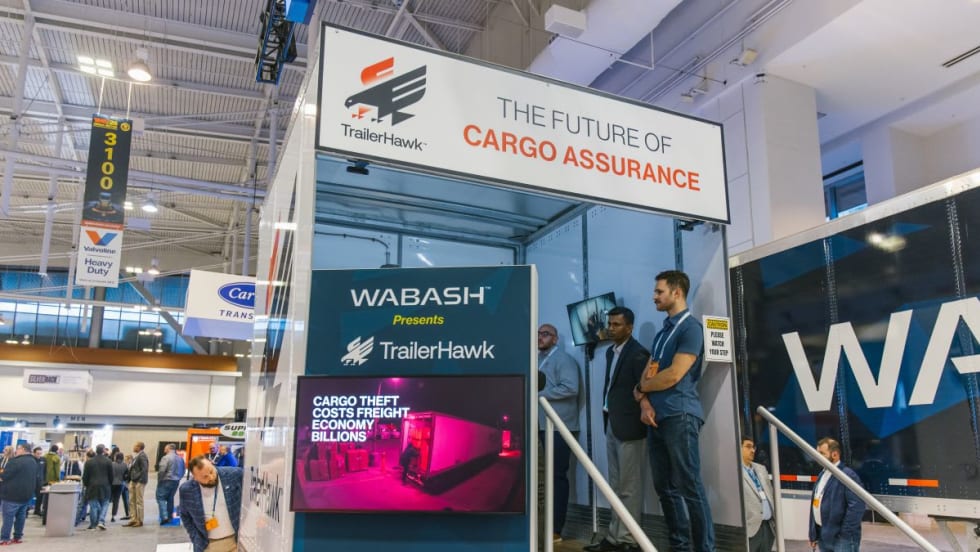
Wabash Teams Physical Security With Digital Tech For Better Cargo Visibility
The patent-pending cargo solution integrates a digitally connected cargo door and an intelligent locking system with the TrailerHawk.AI technology platform.
Read More →
From Diesel Prices to Cyberattacks: How the Iran War Is Affecting Trucking
The impact of the Iran conflict extends beyond fuel costs, bringing more fraud and cybersecurity risks to the trucking industry.
Read More →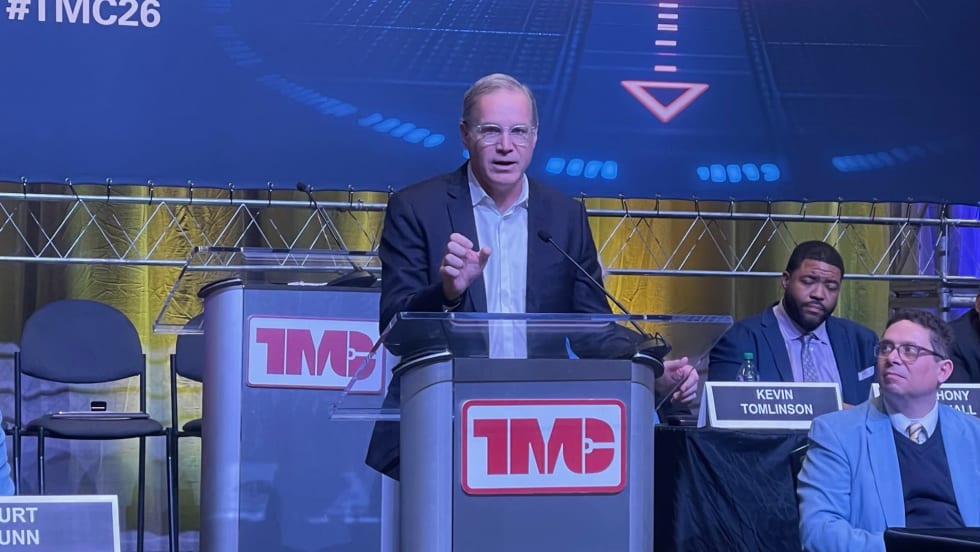
ATA’s Spear Warns Fuel Prices, Trade Policy, and Global Conflict Could Stall Trucking Recovery
Speaking at the TMC Annual Meeting in Nashville, ATA President Chris Spear said trucking faces mounting pressure from rising fuel prices, geopolitical instability, and uncertainty around trade policy.
Read More →
New Entrants, Chameleon Carriers, and Safety: Is It Too Easy to Start a Trucking Company?
More than 100,000 new trucking companies enter the industry each year, but regulators manage to audit only a fraction of them. That churn creates opportunities for inexperienced startups — and for “chameleon carriers” that shut down after safety violations and reappear under new identities. Read more from Deborah Lockridge in this commentary.
Read More →
Fleet Managers Invited to Apply for Exclusive HDT Exchange Event
HDTX is an intimate event that connects heavy-duty trucking fleet managers with industry suppliers through small-group discussions, educational sessions, and structured one-on-one meetings.
Read More →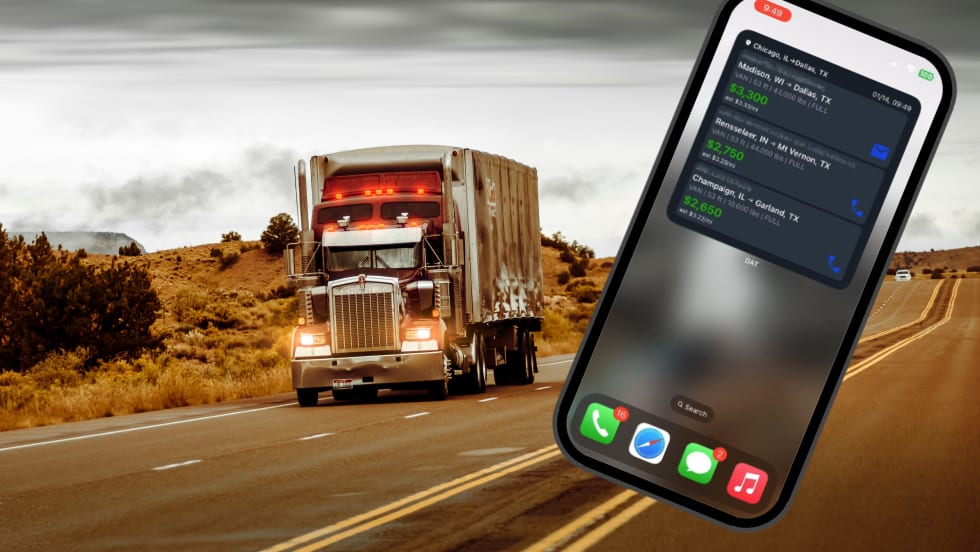
DAT Launches iPhone Widget to Help Owner-Operators Find Loads Faster
New DAT One feature shows top-paying loads directly on an iPhone’s home screen, helping carriers react faster to spot-market opportunities.
Read More →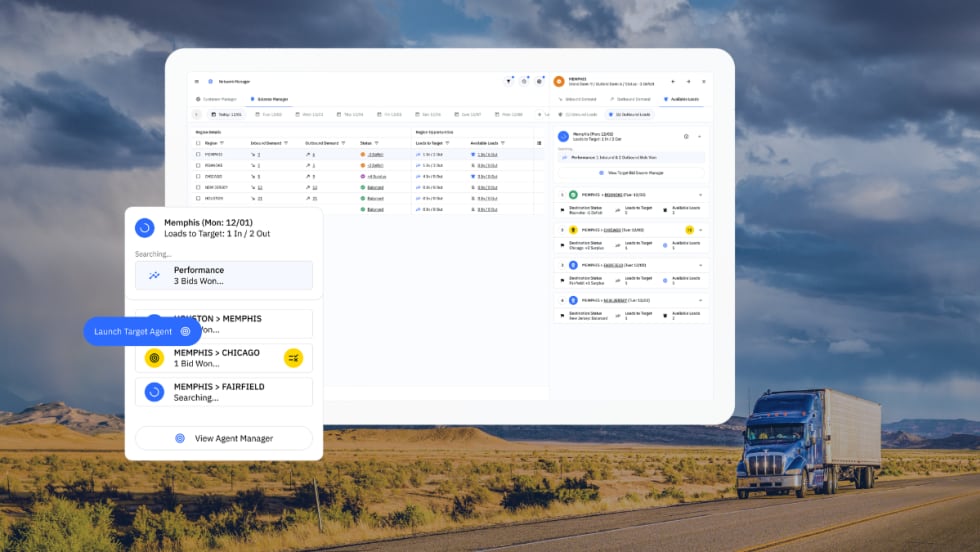
Optimal Dynamics Launches AI System to Help Carriers Choose Better Freight
Optimal Dynamics says its new Scale platform uses AI agents and optimization to help carriers find and secure freight that improves network balance and profitability.
Read More →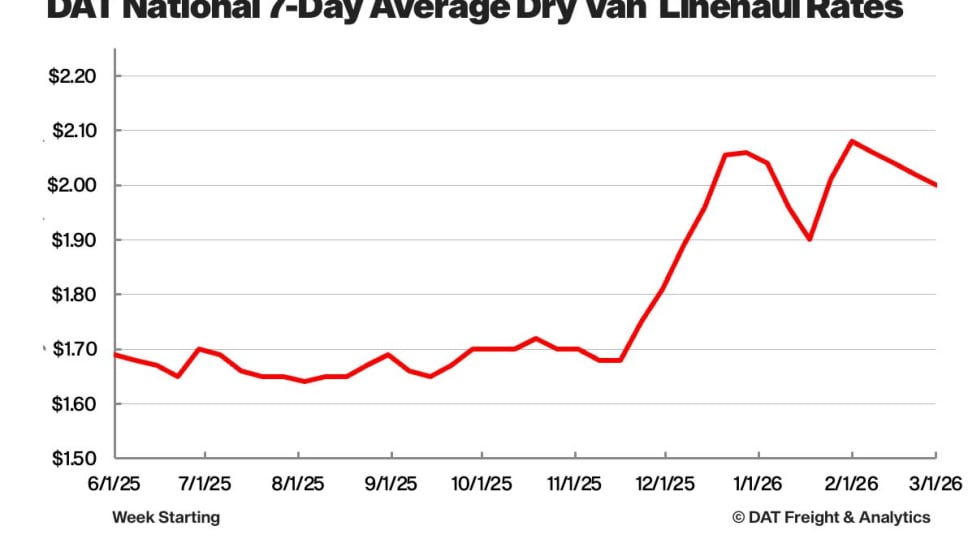
DAT: Flatbed Demand Climbs as Van and Reefer Rates Soften
DAT Freight & Analytics data shows tightening flatbed capacity, easing produce markets, and softening van and reefer rates.
Read More →
Run on Less “Messy Middle” Data Shows Multiple Paths Forward for Truck Powertrains [Watch]
NACFE's Run on Less - Messy Middle project demonstrates the power of data in helping to guide the future of alternative fuels and powertrains for heavy-duty trucks.
Read More →