





Attaching wheels to a truck hub is serious business. Yet it's not uncommon to see some big bruiser of a mechanic, one foot against the bottom of the tire, whaling away with a 1-inch-drive impact gun driving the wheel nuts home.
Wheel-Ends: Torque Your Nuts
Attaching wheels to a truck hub is serious business. Yet it's not uncommon to see some big bruiser of a mechanic, one foot against the bottom of the tire, whaling away with a 1-inch-drive impact gun driving the wheel nuts home. That's not the right way to do it.
November 2, 2010
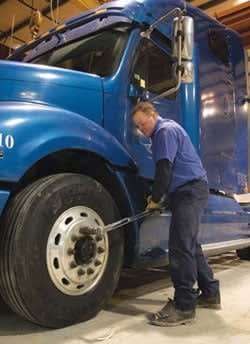
Manually torque the truck's wheel nuts to recommended values using a manual torque wrench with the wheel seated on the ground.
Photo: Jim Park
3 min to read
As with anything technical, there's a process for ensuring the job is done properly and safely. The above procedure is not recommended.
Prevent Damaged Equipment
Wheel nuts must be torqued to specified values, and the stud, nuts, and wheel must be in good condition, otherwise torque values could be compromised and the equipment damaged.
When mounting wheels on a hub and securing them with a typical M22x1.5 stud and 33 mm two-piece flange nut, the clamped material will compress slightly and the stud will stretch slightly under the recommended 450-500 foot-pounds of torque applied to the lug nuts.
The tension between the compressed and stretched material (called preload) is where we get the clamping force to secure the wheels - about 50,000 pounds per stud.
When this preload is exceeded by external load created by the operation of the vehicle, or if the preload is relaxed, the joint will loosen.
This could happen in several ways:
Over-torquing the nut can stretch the stud beyond its design yield, causing it to fracture or break.
Torque readings could be lower than required due to contaminated or damaged threads, providing lower clamping force on the face of the flange nut.
Contamination between the wheels or between the inside wheel and the hub face could compress or fall away, relieving the tension in the clamping system.
The contact surfaces of the hub face and the wheels must be clean and free of contamination such as dirt, peeling paint, rust, grease, etc. to ensure proper clamping force. The studs should be clean and corrosion free, and the nuts should hand-turn onto the treads. Any resistance to hand-turning could indicate the stud has stretched and threads have deformed. The studs should be carefully examined and damaged studs replaced.
Two-piece 33 mm flange nuts used with hub-piloted wheels should be tightened to a torque of 450 to 500 foot-pounds. Other nut designs have different torque requirements. Check the manufacturer's recommendations for your equipment.
Alcoa recommends applying a coat of non-water-based lubricant to the wheel pilot or hub pads prior to mounting to minimize corrosion build-up between the wheel and hub pilot, which can make wheel removal difficult. Do not lubricate the face of the wheel, hub, or brake drum.
Lubricate the stud threads and the contact surfaces between the cap nut and the flange with a couple of drops of 30-weight oil. Lubrication isn't necessary with new hardware.
Position one of the hub's pilot pads at the twelve o'clock position, and lift the wheel onto the pilot. Hand tighten or use a low-torque nut runner to firm down the flange nuts.
Lower the truck off the jack, and then tighten to the recommended torque following the proper sequence for your wheel type using a manual torque wrench. Never use a high-torque impact wrench to do the final torque. They aren't very accurate, and they could well over-torque the nut and damage the stud and/or the wheel.
Since the wheel and hub will further seat itself after a short distance, and the torque will drop, Alcoa strongly recommends retorquing the wheels after 5 to 50 miles of operation.
Subscribe to Our Newsletter
More Maintenance
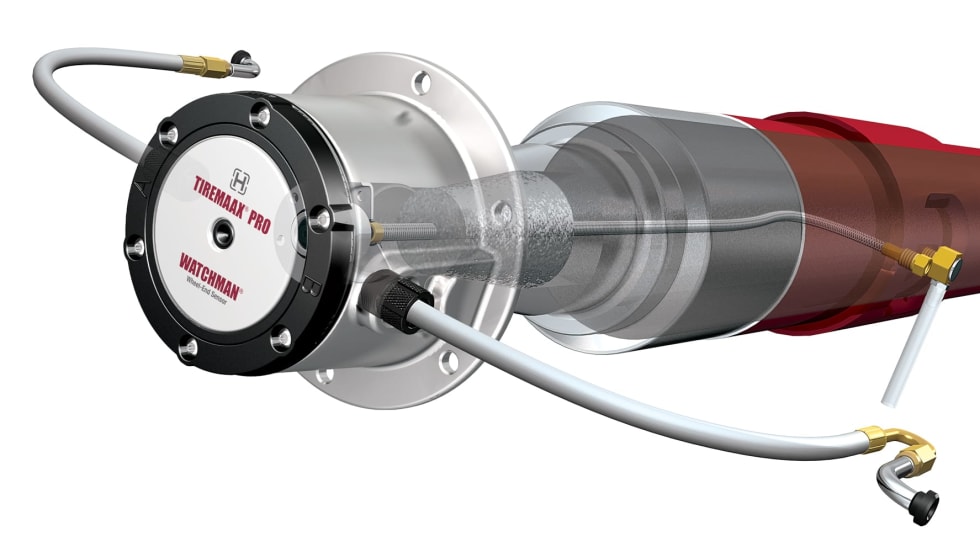
Hendrickson Unveils Watchman Smart Wheel-End System at TMC
Hendrickson’s new sensor platform integrates with its TireMaax system to deliver real-time tire and wheel-end insights, targeting uptime and cost savings.
Read More →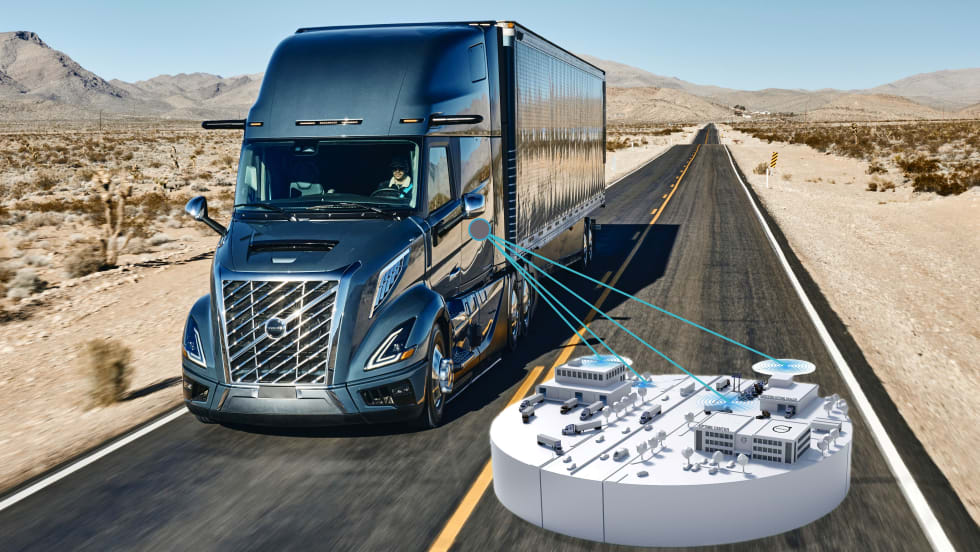
Over-the-Air Updates and the Modern Powertrain Explained
Over-the-air updates are moving beyond recalls, and expanding how fleets manage performance, compliance, and uptime.
Read More →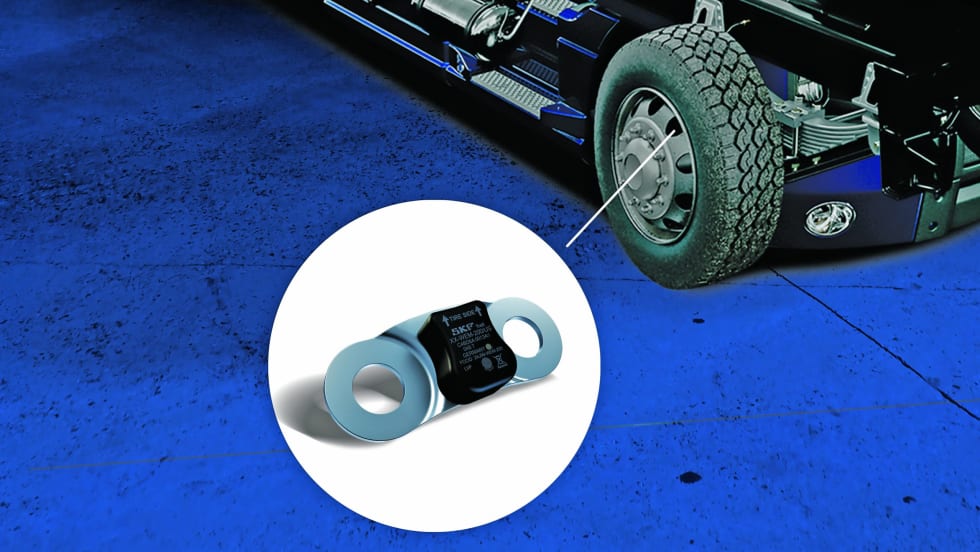
SKF, TMC Expand Hands-On Training to Boost Technician Skills at Annual Meeting
A new partnership between SFK and TMC brings certified, on-site instruction focused on wheel-end reliability and maintenance best practices.
Read More →
Why Higher Pay Isn’t Fixing the Heavy-Duty Technician Shortage
Hiring heavy-duty truck technicians has become a bidding war, but shops that focus on culture, training, and career paths are gaining an edge. That's the takeaway from a TMC panel discussion.
Read More →
Technology & Maintenance Council 2026 Annual Meeting [Photos]
Couldn't make it to Nashville for TMC's 2026 annual meeting? Check out these images.
Read More →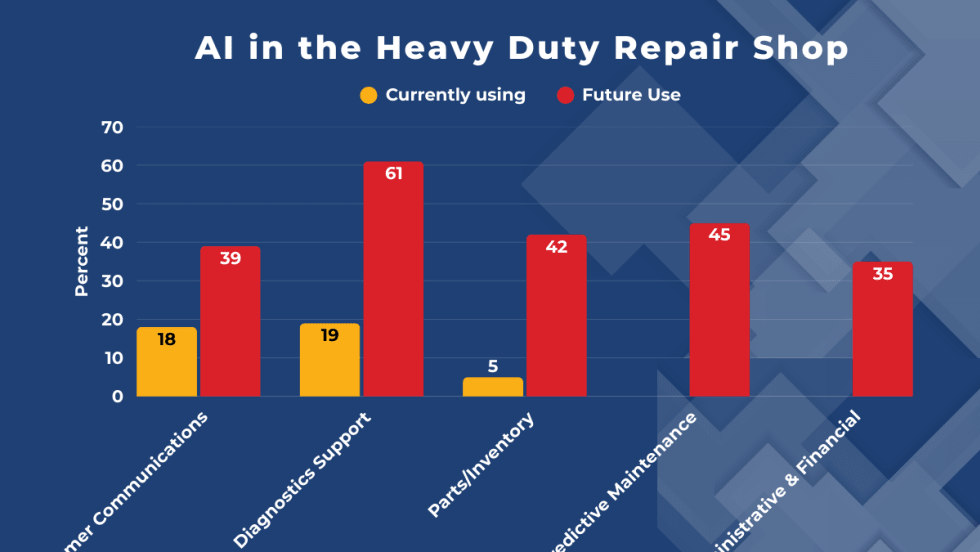
Fullbay Report: Heavy-Duty Shop Revenue Up, Rates Rising, but Shops Still Short on Techs
Strong growth across the heavy-duty repair sector is being tempered by workforce shortages and an aging technician pipeline.
Read More →
How Mack Sees the Next Era of Fleet Intelligence
Telematics has evolved from simple vehicle tracking into a connected service platform that can help fleets boost uptime, improve specifications, and move toward predictive maintenance. Mack executives say AI is now giving fleets a way to turn all that vehicle data into faster, smarter decisions.
Read More →
Clarios Expands Battery Monitoring Into Subscription Service with Battery Manager Pro
A new battery-monitoring-as-a-service program from Clarios Connected Services uses predictive analytics and automatic replacement to reduce downtime and smooth fleet maintenance costs.
Read More →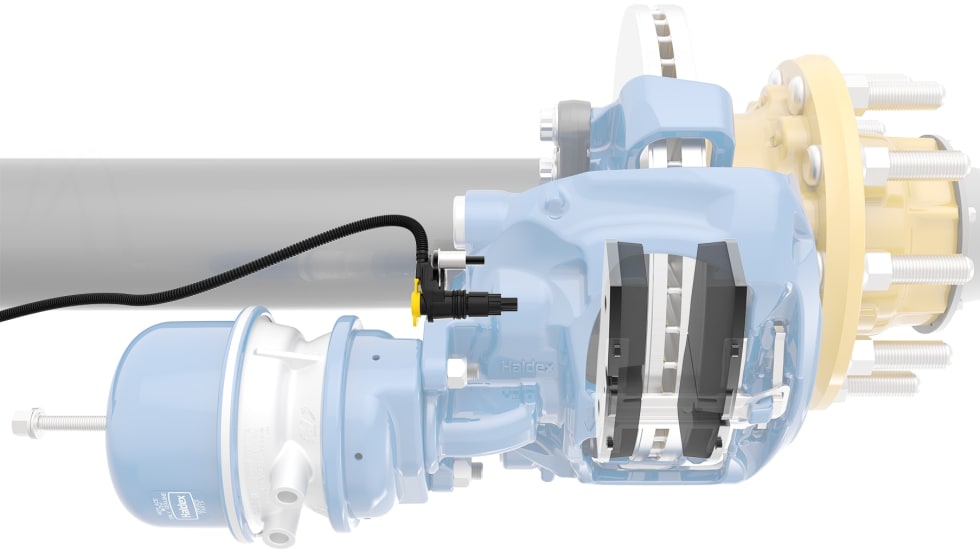
SAF-Holland’s BrakeSight Aims to Take the Guesswork Out of Air Disc Brake Maintenance
New Haldex sensor technology from SAF-Holland integrates with telematics systems to give fleets continuous insight into air disc brake condition.
Read More →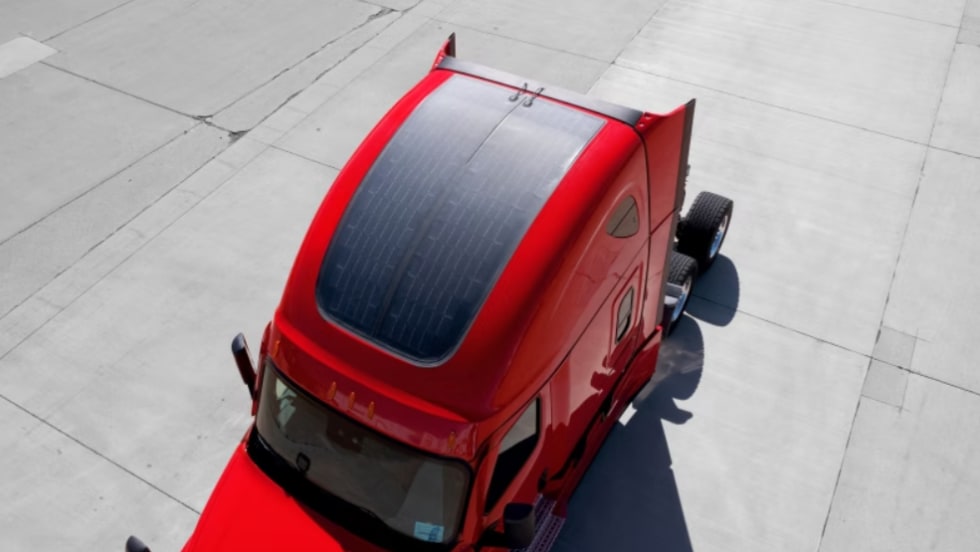
Vanair Introduces Solar, Battery Power Ecosystem for Class 8 Trucks
The company’s expanded EPEQ ecosystem includes flexible solar panels, lithium batteries, hydraulic power systems, and a portable fast charger for electric trucks.
Read More →