




Who's watching your fuel program? Sounds simple, right? Not so fast.
Who's Watching Your Fuel Program?
Who's watching your fuel program? Sounds simple, right? Not so fast.
by Staff
September 15, 2009
3 min to read
Your company's fleet management probably has several different components to it. Depending on the size of your fleet, you may have one person take care of it all, or several people that take care of different categories. We have found that even the biggest of big fleets have a hard time keeping all of their fleet management ducks in the water. Today, we will drill down to fuel management as one of the components that gets lost in most organizations. Yes, even the big guys may not have it all handled.
For some companies, fuel for their fleet -- fleet fuel, as I like to call it -- is their #2 spend. For other companies it might be even higher if no one is watching closely. Do you really believe you are using the best fueling methods or getting the best fuel pricing out there?
There are four main components on how you can buy fleet fuel. There is bulk fuel to your tank, OTR (over the road) fuel that you buy at truckstops, retail fuel (gas stations, card locks) and mobile fleet fuel ( a truck comes on your site and fuels your fleet). If you have others, please let me know.
Big companies get focused on where they spend the most money for these different categories and miss other areas, where tens of thousands of dollars could be wasted because no one is focused on it. Smaller companies do a hand-off in most cases and let the branch manager look after the fleet fuel. The branch manager is critical in most operations and they can be called several different titles depending on your line of business. One thing is for sure, this is a person with way too much stuff on their plate and they probably don't have much expertise about how fleet fuel is priced.
Here is what happens. At the big company, money can be wasted for years with additional ancillary fees on the fuel they are buying. Certainly the fuel planning or fuel purchasing person is not going to clamor for training or go outside for fuel consulting help. They feel they would look stupid. If only the CEO or CFO knew how much money was being wasted, they would say, "spend the money and hire a fuel management expert to get that straight."
Small companies believe the branch manager is reviewing all of the fuel prices, reviewing all of the fuel bills, auditing all of the fuel records. This person barely has time to take lunch, and in most cases don't have the experience to know what they should be looking for. Thrown on top of that, they don't have the tools to perform a proper audit. How many of you out there subscribe to OPIS, DTN or Platts?
Ask yourself these simple questions: Could we save more money if we knew what we were doing with all aspects of fleet fuel? Do we have a black hole and should we address it now? If my company could save, for instance, $100,000 a year, and it would only cost $30,000 a year to realize those savings, is my company better off?
Next week: margins, margins, margins. Everyone is entitled to make money; otherwise, it would be a hobby or non profit company supplying your fuel. But how should your fuel management program get in tune with making sure you are not being overcharged for fleet fuel?
Glen Sokolis is president of the Sokolis Group, a nationwide fuel management and fuel consulting company, www.FuelManagementSokolisGroup.com.
Previous installments of "Friday Fuel:"
"Successful Fuel Management Program Equals Discipline", 9-11-09
Subscribe to Our Newsletter
More Fleet Management

ACT: Trucking Volumes Rise, Capacity Tightens as Fuel Prices Cloud Outlook
ACT Research data shows volumes hitting a four-year high and supply-demand balance strengthening, but higher oil prices are undercutting tariff relief and tempering optimism.
Read More →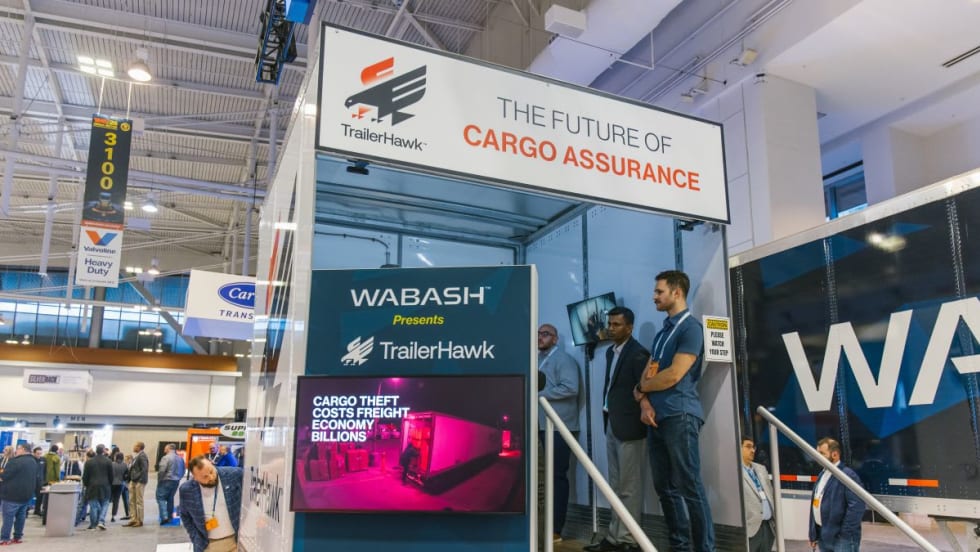
Wabash Teams Physical Security With Digital Tech For Better Cargo Visibility
The patent-pending cargo solution integrates a digitally connected cargo door and an intelligent locking system with the TrailerHawk.AI technology platform.
Read More →
From Diesel Prices to Cyberattacks: How the Iran War Is Affecting Trucking
The impact of the Iran conflict extends beyond fuel costs, bringing more fraud and cybersecurity risks to the trucking industry.
Read More →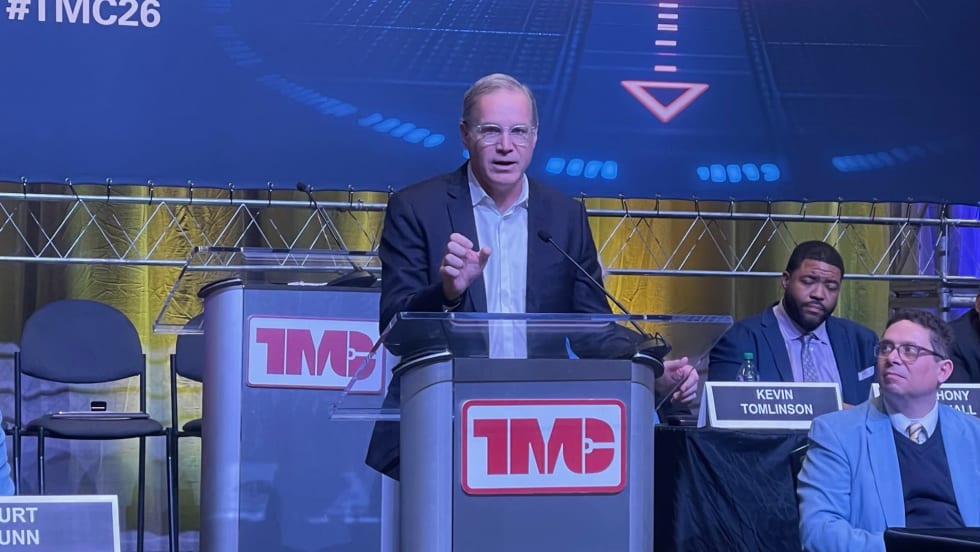
ATA’s Spear Warns Fuel Prices, Trade Policy, and Global Conflict Could Stall Trucking Recovery
Speaking at the TMC Annual Meeting in Nashville, ATA President Chris Spear said trucking faces mounting pressure from rising fuel prices, geopolitical instability, and uncertainty around trade policy.
Read More →
New Entrants, Chameleon Carriers, and Safety: Is It Too Easy to Start a Trucking Company?
More than 100,000 new trucking companies enter the industry each year, but regulators manage to audit only a fraction of them. That churn creates opportunities for inexperienced startups — and for “chameleon carriers” that shut down after safety violations and reappear under new identities. Read more from Deborah Lockridge in this commentary.
Read More →
Fleet Managers Invited to Apply for Exclusive HDT Exchange Event
HDTX is an intimate event that connects heavy-duty trucking fleet managers with industry suppliers through small-group discussions, educational sessions, and structured one-on-one meetings.
Read More →
DAT Launches iPhone Widget to Help Owner-Operators Find Loads Faster
New DAT One feature shows top-paying loads directly on an iPhone’s home screen, helping carriers react faster to spot-market opportunities.
Read More →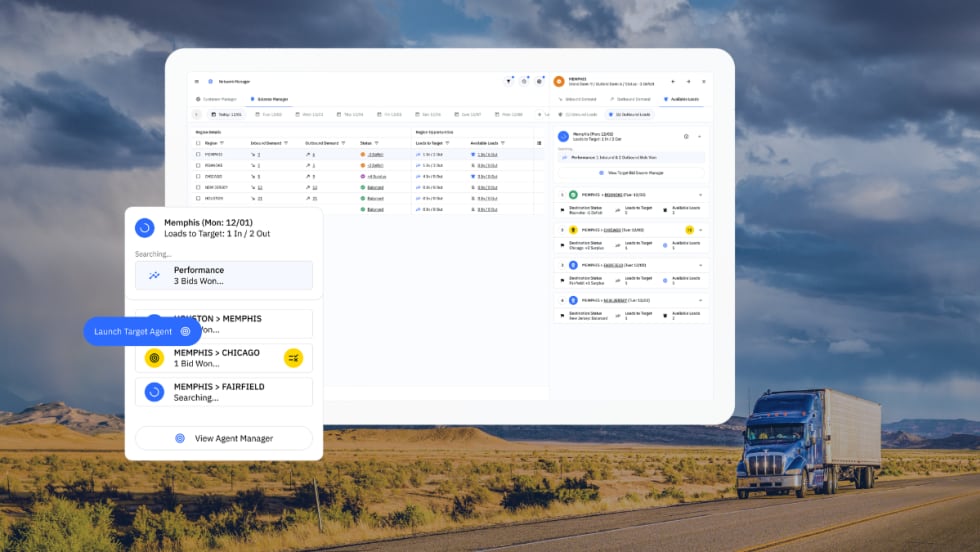
Optimal Dynamics Launches AI System to Help Carriers Choose Better Freight
Optimal Dynamics says its new Scale platform uses AI agents and optimization to help carriers find and secure freight that improves network balance and profitability.
Read More →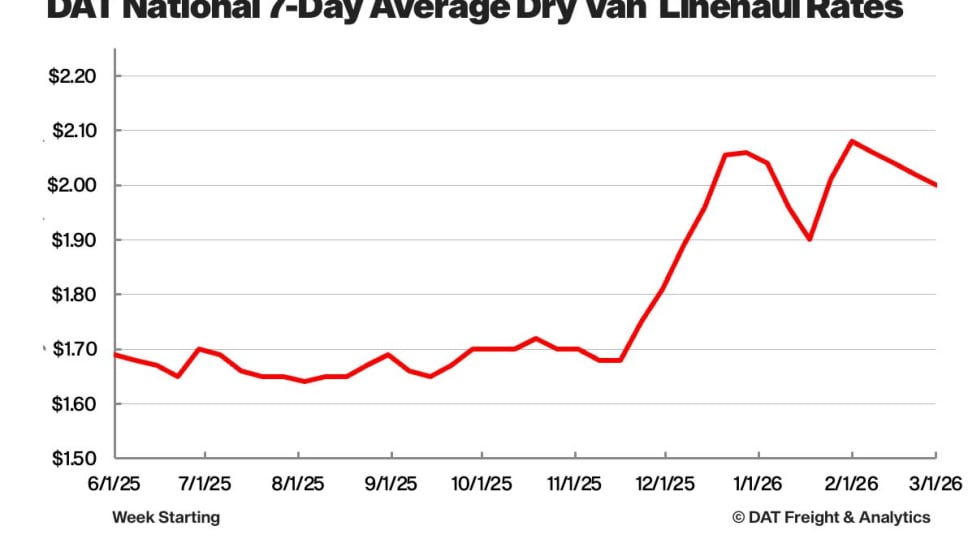
DAT: Flatbed Demand Climbs as Van and Reefer Rates Soften
DAT Freight & Analytics data shows tightening flatbed capacity, easing produce markets, and softening van and reefer rates.
Read More →
Run on Less “Messy Middle” Data Shows Multiple Paths Forward for Truck Powertrains [Watch]
NACFE's Run on Less - Messy Middle project demonstrates the power of data in helping to guide the future of alternative fuels and powertrains for heavy-duty trucks.
Read More →