





The stars seem to be aligning for a significant rollout of battery-electric vehicles in the 2021 model year, the first year of the truck/tractor portion of Phase 2 of the greenhouse gas emissions regulations. And that spells an opportunity for truck makers.
Why GHG Phase 2 May Mean More Electric Vehicles
Battery-electric vehicles may be just the ticket for truck makers looking to meet Phase 2 of greenhouse gas emissions requirements in the medium-duty truck sector.
June 11, 2018
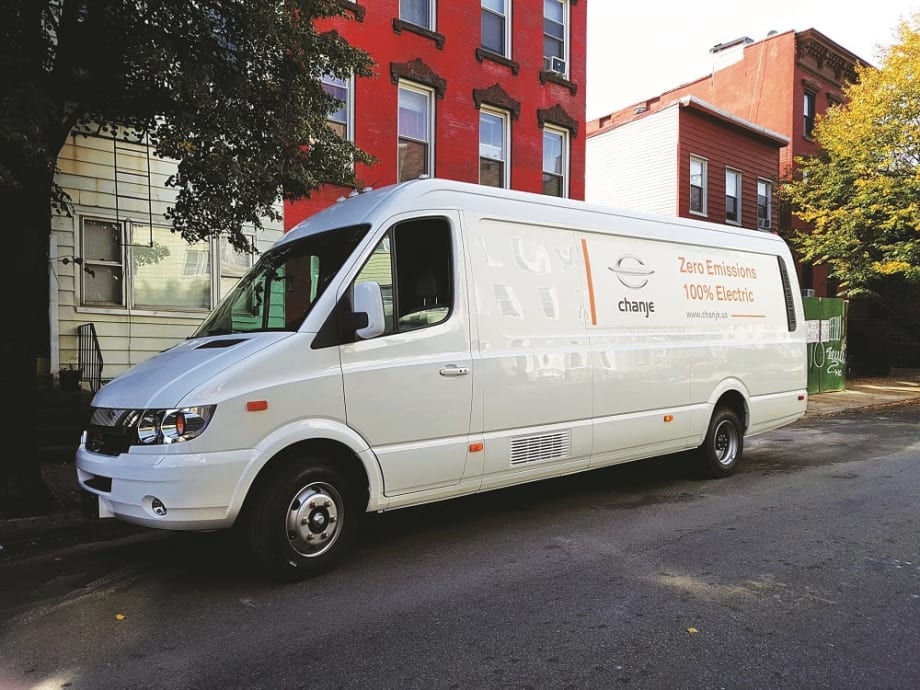
Battery electric vehicles offer GHG credit multipliers and will help OEMs offset vehicles with diesel engines, especially in the medium-duty and vocational domains.
Photo: Jim Park
3 min to read
Several truck makers have suggested that meeting GHG Phase 2 requirements for medium-duty and vocational vehicles will be more challenging than for on-highway vehicles. And that makes BEVs ideal candidates to replace diesel engines in any number of segments where the technology suits the application.
The regulations that will apply to vocational and heavy-duty pickup trucks and vans call for reductions in CO2 and fuel consumption of 24% and 16%, respectively, by 2027. Through the magic of credits earned on more-efficient vehicles, they can turn to less-drastic measures at first to meet requirements for the more difficult cases.
“For every electric vehicle an OEM puts into the medium-duty domain, there is a multiplier that can offset, I believe, up to five diesel trucks [the rule says 4.5],” says Darren Gosbee, vice president of engineering at Navistar. “It will be advantageous to an OEM to have electric vehicles in their portfolio. It’s a very good route to corporate averaging.”
Being smart about BEVs
The National Renewable Energy Laboratories did a comparison study in 2016 of PepsiCo’s Frito-Lay North Americas diesel and electric vehicles operating in the Seattle area. NREL found that average daily driving time for both electric and diesel units was just 1.5 hours, with most of the electric vehicles running less than 45 miles per day and consuming significantly less (55 kWh) than the battery’s 80 kWh capacity.
Details of this study were described in the recently released guidance report from the North American Council for Freight Efficiency, Electric Trucks: Where They Make Sense. NREL said that fleets using such vehicles could gain additional efficiency by matching routes to the vehicle’s capabilities. “The new technology may permit rethinking operations to better tune them to the capabilities of the BEVs, rather than forcing the BEVs to duplicate the diesel duty cycles,” NACFE noted.
It’s easy to see where BEVs can make sense for highly sophisticated fleets like PepsiCo or UPS. But a large chunk of the heavy-duty pickup truck and van market are not truckers at all, but bakers, plumbers, and sales people who use their trucks as tools. They will have a much higher degree of range anxiety, and therefore a greater reluctance to embrace BEVs. To that end, Isuzu is planning an evaluation project in the next year that will see five trucks placed into customers’ hands in five different parts of the country to see how they measure up to real-world situations.
“We want to see if our testing translates to the real-world experience, where people drive their trucks like they stole them,” says Brian Tabel, executive director of marketing for Isuzu Commercial Truck of America. “Assuming the trucks meet that challenge, the next hurdle to wide adoption will be infrastructure, and today’s grid isn’t ready for that demand.”
Related: How GHG Phase 2 Will Change the Way You Spec Trucks
Subscribe to Our Newsletter
More Fuel Smarts
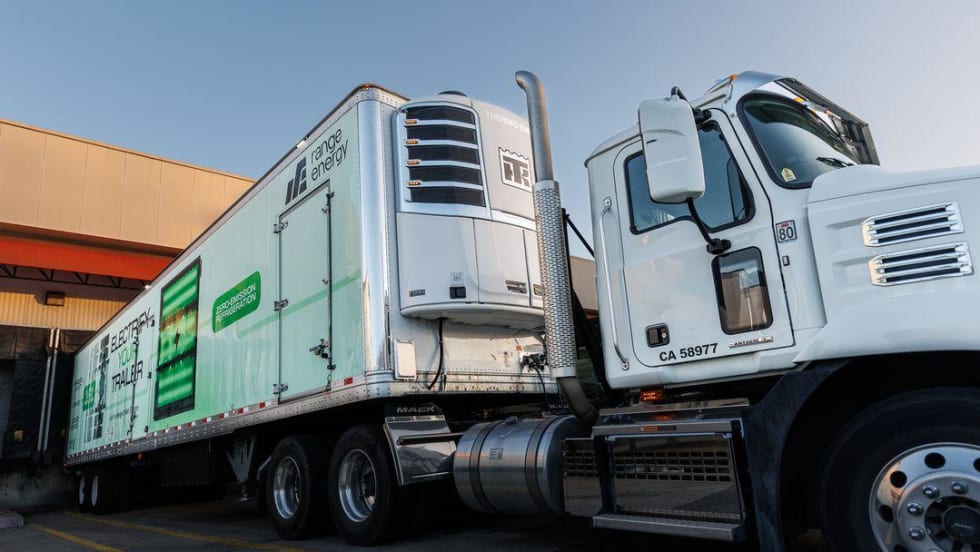
Range Energy Confirms eTrailer Performance in Winter Testing as Commercial Rollout Nears
Range Energy said its production-ready eTrailer system proved it can boost stability, safety, and efficiency in sub-zero winter conditions as the company moves toward scaled deployment.
Read More →
Top Green Fleets of 2026: Nomination Deadline Extended
Is your company a leader in sustainability efforts among trucking fleets? If so, Heavy Duty Trucking's editors want to hear from you.
Read More →
New Lightweight Wheel Cover Targets Simpler Aero Gains [Watch]
Watch to learn how Deflecktor's new wheel cover design is taking a simpler approach to aerodynamics, with an eye toward making it more practical for both trucks and trailers.
Read More →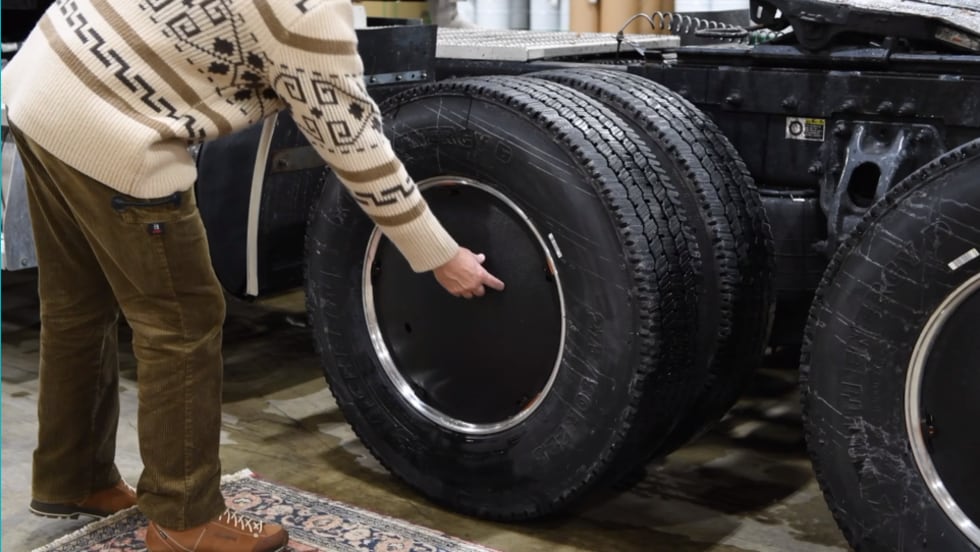
Deflecktor: Hubbub Aerodynamic Wheel Cover Cost-Effective Even for Trailers
Aerodynamic wheel covers can deliver small but meaningful fuel-economy gains for fleets, and Deflecktor says its latest design aims to make the technology easier and more affordable to deploy.
Read More →
Cutting Fleet Fuel Costs in a Volatile Market [Listen]
When diesel prices are as volatile as they've been in 2026, it makes it tough for trucking fleets to plan and control costs. Breakthrough Fuel's Jenny Vander Zanden has insights on near-term savings strategies.
Read More →
Diesel Price Swings Aren’t Over. What Can Your Fleet Do?
Practical steps fleets can take to manage fuel costs, from purchasing strategies to driver behavior.
Read More →
Diesel Prices Surge Toward Record Highs as Oil Price Volatility Intensifies
Prices jumped another 24 cents in a week, with California topping $7.50 and new data showing fleet fuel costs may already be at record levels.
Read More →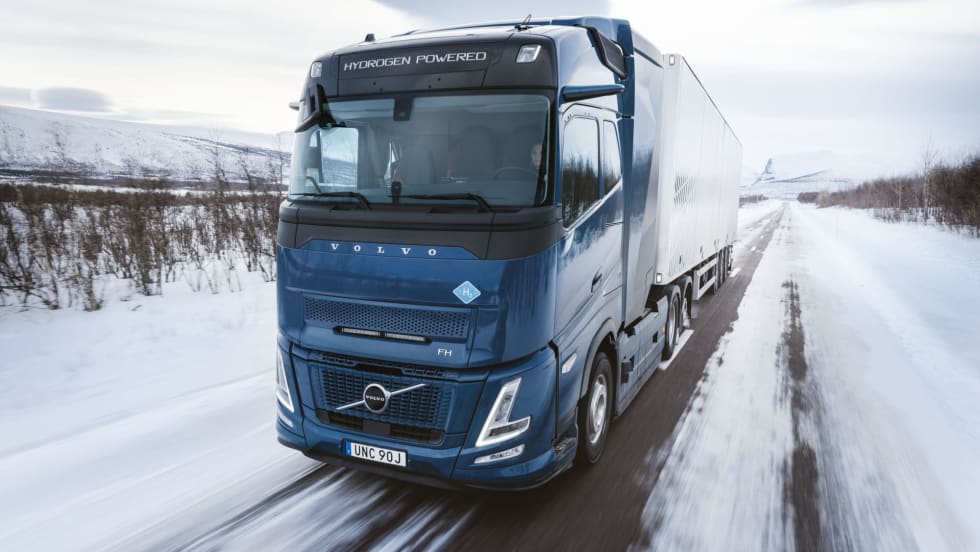
Volvo Testing Hydrogen-Fueled Internal Combustion Engines on Trucks in Europe
Hydrogen combustion engine trucks will be especially suitable over longer distances and in regions where there is limited charging infrastructure or time for recharging of battery-electric trucks, according to the company.
Read More →
Toyota’s Entry Into Cellcentric Signals Push to Accelerate Hydrogen Truck Adoption
By joining Daimler Truck and Volvo, Toyota brings fuel cell expertise to a joint effort aimed at making hydrogen viable for heavy-duty transport.
Read More →U.S. Diesel Prices Hit $5.40, Top $7 in California
Trucking operators are slowing speeds, cutting empty miles, and declining unprofitable freight as diesel costs continue to rise due to conflict in the Middle East.
Read More →