



A global study stresses the importance of adapting to emerging technologies for third-party logistics companies and shippers, including blockchain and automation to provide better services to end customers.
 MENU
MENU SEARCH
A global study stresses the importance of adapting to emerging technologies for third-party logistics companies and shippers, including blockchain and automation to provide better services to end customers.
Image via Penske Logistics
A global study stresses the importance of adapting to emerging technologies for third-party logistics companies and shippers, including blockchain and automation to provide better services to end customers.
The findings were part of the 22nd Annual Third-Party Logistics Study for 2018 that is a collaboration between Penske Logistics, Infosys Consulting, Penn State University, and Korn/Ferry. The specialized focus in this year’s report fell on blockchain, automation/ digitization, and he logistics talent revolution required for shippers and 3PLs to drive technology advancements as well as how shippers and 3PLs view their risk/resilience relationship.
It was the first time that the 3PL study investigated blockchain. Results showed that while 30% of 3PLs and 16% of shippers see blockchain as a potential application, they have yet to engage with the technology.
“Blockchain has the potential to make significant improvements in security, transparency, and governance, but only in supply chains where there is value in controlling consumer risk, valuable goods or complying with regulations,” said Ken Toombs, global head of Infosys Consulting. “Shippers and 3PLs will need to work together to drive value from blockchain, using lessons collectively learned from missteps with other emerging technologies, like Radio Frequency Identification (RFID).”
The potential of on-road automation, including driverless vehicles, was also examined in the study. The supply chain is already providing returns from increased automation, including digitalized load matching and warehouse robotics. While a majority of 3PLs and shippers want to invest in automation and digitization to stay competitive, a lack of in-house talent to develop, implement and monitor the technologies has prevented investment by some companies.
“Technology improvements in supply chain, especially in the area of fleet operations, have had positive impacts on the industry,” said Tom Scollard, Penske Logistics vice president of dedicated contract carriage. “It has allowed 3PLs to operate fleets that are safer and more efficient for the customer.”
Because of this focus on new technology and innovation, technology is reframing the demand on the workforce, according to the study, particularly within the supply chain where automation, digitization, and data collection capabilities are growing at a faster pace. Leaders and executives within the logistics and supply chain fields are more critical to companies as they move toward efficient and technologically advanced supply chains.
“To leverage the potential upside, organizations must now rethink their talent strategy from top to bottom,” said Neil Collins, regional managing partner for Korn Ferry’s North American industrial markets unit. “The supply chain/logistics leader must now be agile, a strategist, a visionary and a collaborator. The entire supply chain organization must now compete with technology, and the winners will be those that elevate their people using technology, rather than replacing them with it.”
Lastly, the relationship between 3PLs and shippers is still in need of improvement with 79% of 3PLs and 64% of shippers reporting that projects were directly impacted by a lack of complete, accurate, and consistent information provided by the shipper.
The study shows a large increase in the percentage of shippers seeking information technology services from 3PLs, with 27% indicating outsourcing of IT services in the 2018 study compared to 17% in the previous year.
However, the percentage of shippers indicating satisfaction dropped slightly this year from 65% to 56%, potentially due to higher expectations among shippers as technology has improved or because shippers are seeking enhanced analytical capabilities to help drive more effective supply chain decisions.
The full study is available for download here.
ACT Research data shows volumes hitting a four-year high and supply-demand balance strengthening, but higher oil prices are undercutting tariff relief and tempering optimism.
Read More →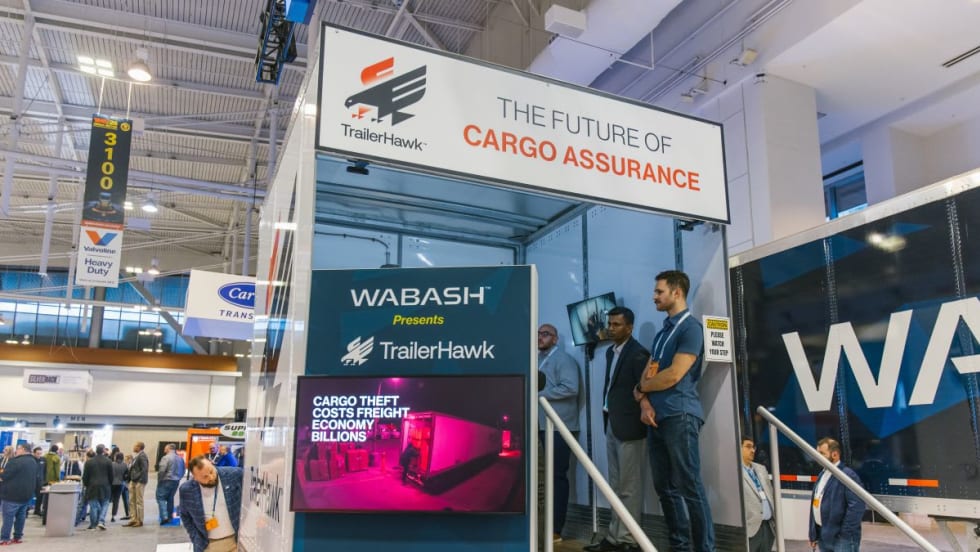
The patent-pending cargo solution integrates a digitally connected cargo door and an intelligent locking system with the TrailerHawk.AI technology platform.
Read More →
The impact of the Iran conflict extends beyond fuel costs, bringing more fraud and cybersecurity risks to the trucking industry.
Read More →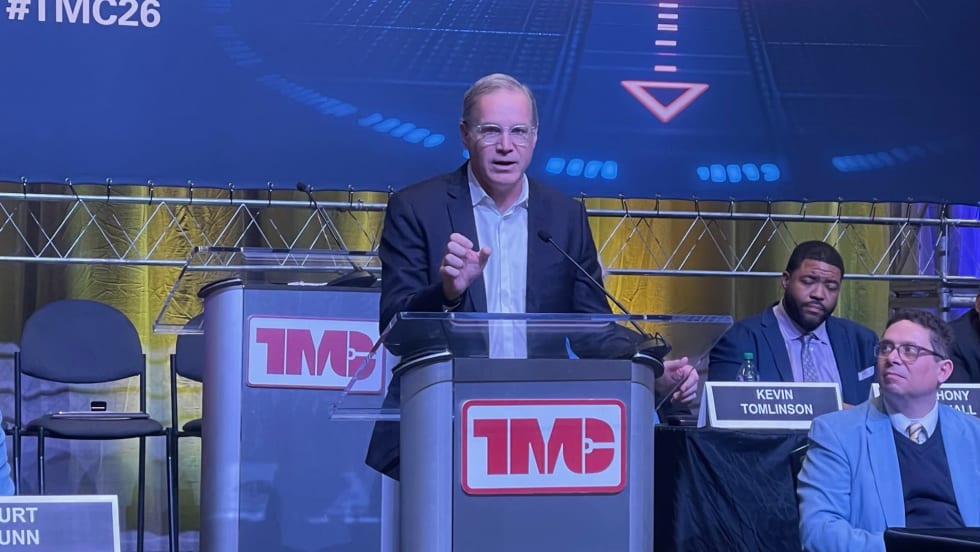
Speaking at the TMC Annual Meeting in Nashville, ATA President Chris Spear said trucking faces mounting pressure from rising fuel prices, geopolitical instability, and uncertainty around trade policy.
Read More →
More than 100,000 new trucking companies enter the industry each year, but regulators manage to audit only a fraction of them. That churn creates opportunities for inexperienced startups — and for “chameleon carriers” that shut down after safety violations and reappear under new identities. Read more from Deborah Lockridge in this commentary.
Read More →
HDTX is an intimate event that connects heavy-duty trucking fleet managers with industry suppliers through small-group discussions, educational sessions, and structured one-on-one meetings.
Read More →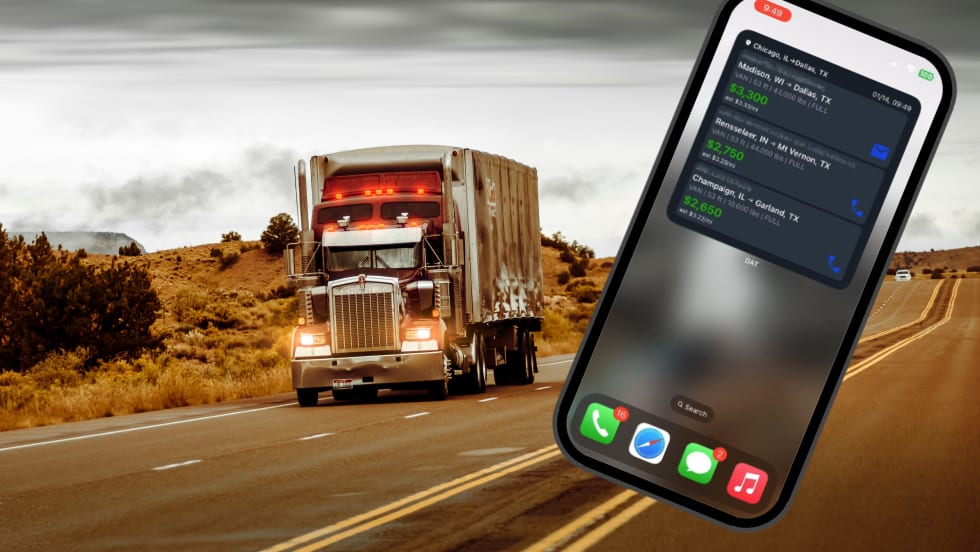
New DAT One feature shows top-paying loads directly on an iPhone’s home screen, helping carriers react faster to spot-market opportunities.
Read More →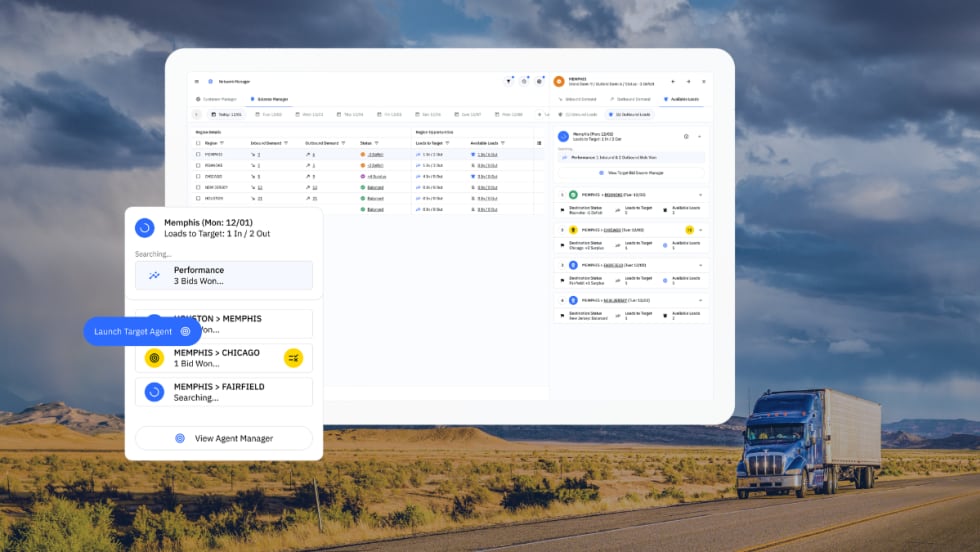
Optimal Dynamics says its new Scale platform uses AI agents and optimization to help carriers find and secure freight that improves network balance and profitability.
Read More →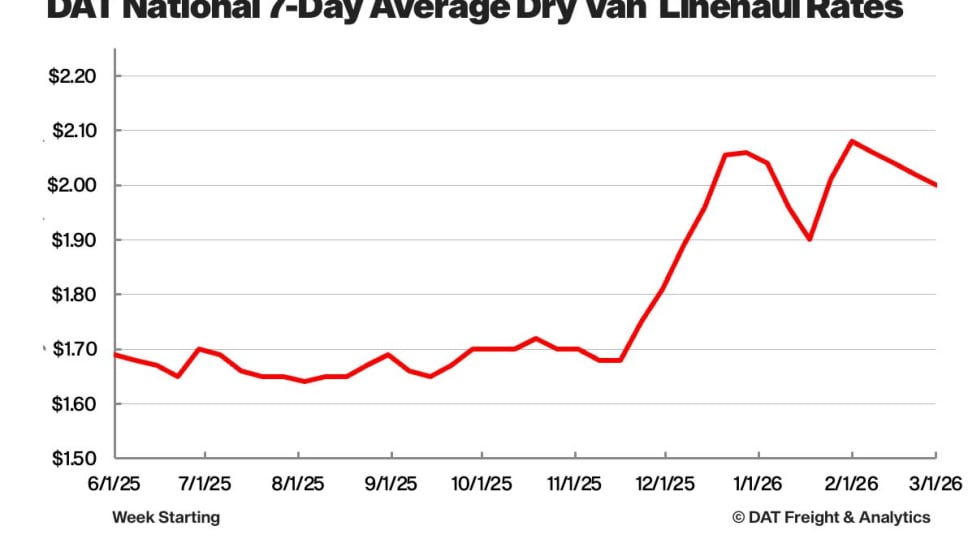
DAT Freight & Analytics data shows tightening flatbed capacity, easing produce markets, and softening van and reefer rates.
Read More →
NACFE's Run on Less - Messy Middle project demonstrates the power of data in helping to guide the future of alternative fuels and powertrains for heavy-duty trucks.
Read More →