





It’s imperative that freight moves safely, efficiently, and is cost-effective. But this is slightly more complex for those who transport less-than-truckload freight, as there are other important factors: ensuring commodities are classed correctly and that the shipment size and/or weight is accurately determined to allot proper space in a trailer.
5 Things Motor Carriers Need to Know about LTL Freight Classification Changes
Significant changes in the National Motor Freight Classification system will impact less-than-truckload fleet operations in 2025. Are you ready?
August 9, 2024
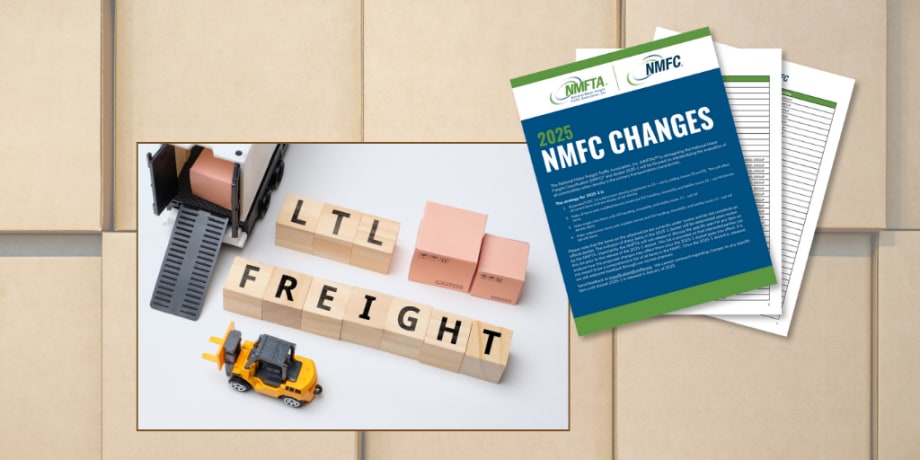
2025 will bring changes to how less-than-truckload freight is classified.
Image: HDT Graphic
3 min to read
With all of the commodity types that are shipped every day, it is important to know how to determine the freight class of most items — if cargo is labeled as the wrong freight class, this can interfere with logistics when loading LTL shipments.
Since 1935, the National Motor Freight Traffic Association's National Motor Freight Classification (NMFC) has been the standardized system in North America that classifies freight for LTL shipping purposes. It simplifies how carriers and shippers determine shipping costs and procedures.
For those unfamiliar with the system, currently the NMFC assigns a freight class based on four criteria:
Density
Handling
Stowability
Liability
Based on a combination of these characteristics, a freight shipping class is assigned, ranging from 50 to 500.
There are 18 separate classes ranging within these values, with lower numbers indicating cargo that is more favorable to ship. Freight that is in a higher freight class will also have a higher shipping cost, owing to its difficulty to ship.
Changes Are Coming to LTL Freight Classification
But as of 2025, the freight classification system will undergo significant changes, and your trucking fleet operations must be prepared.
“We have re-evaluated the current freight classification system so it reflects the current state of LTL freight transport,” said Keith Peterson, director of operations for NMFTA. “Major changes are set to take place in 2025 and we need those who transport LTL freight to be aware.”
The new NMFC will be easier to use and understand, according to NMFTA. Classifying freight will be more accurate on the first try.
To ensure all users are in the know, the NMFTA and NMFC hosted hour-long LTL Listening Sessions for carriers, shippers, and third-party logistics providers (3PLs), respectively in early August.
Attendees gained in-depth insights on the changes, asked questions directly to NMFTA representatives, and shared experiences that can help shape the future of the NMFC and its online classification tool, ClassIT.
5 Things You Need to Know About the New LTL Classifications
1. The NMFC changes will directly impact carriers, shippers, and third-party logistics providers (3PLs) who ship LTL freight.
2. The overall goal of the NMFC changes is to ultimately reduce any friction between carriers, shippers, and 3PLs as they work alongside one another to effectively and efficiently transport products to the desired end destination.
3. The NMFC changes will take place in a phased approach, with the first set of changes coming in Docket 2025-1. Here's a summary:
Standardized density scale for LTL freight with no handling, stowability, and liability issues.
Unique identifiers for freight with special handling, stowability, or liability needs.
Condensed and modernized commodity listings.
Improved usability of the ClassIT, the NMFC’s online classification tool.
4. NMFTA has several resources to help motor carriers prepare for the change:
NMFTA's NFMC changes page, where you can download the list of changes and access frequently asked questions.
5. You'll need to spread the message to your shippers to ensure they’re informed of the changes.
More Fleet Management

ACT: Trucking Volumes Rise, Capacity Tightens as Fuel Prices Cloud Outlook
ACT Research data shows volumes hitting a four-year high and supply-demand balance strengthening, but higher oil prices are undercutting tariff relief and tempering optimism.
Read More →
Wabash Teams Physical Security With Digital Tech For Better Cargo Visibility
The patent-pending cargo solution integrates a digitally connected cargo door and an intelligent locking system with the TrailerHawk.AI technology platform.
Read More →
From Diesel Prices to Cyberattacks: How the Iran War Is Affecting Trucking
The impact of the Iran conflict extends beyond fuel costs, bringing more fraud and cybersecurity risks to the trucking industry.
Read More →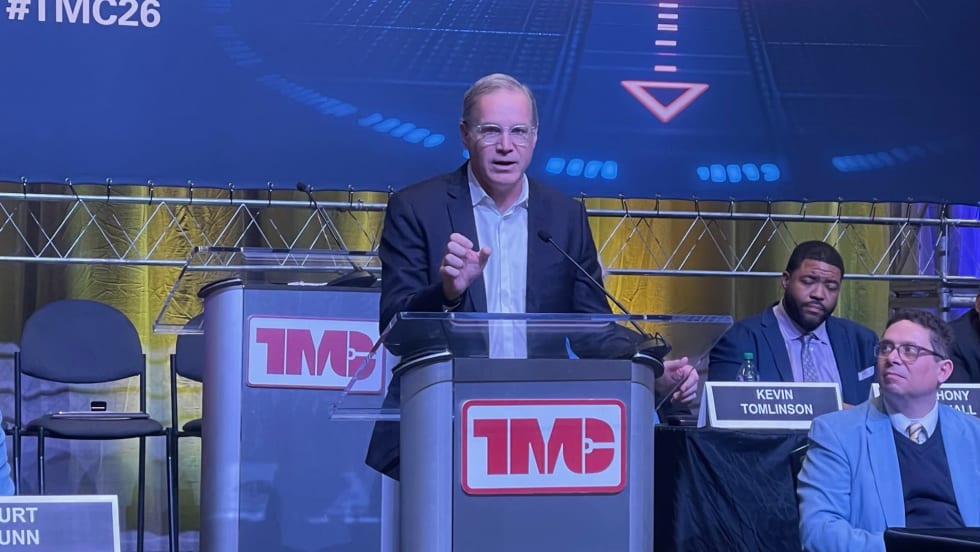
ATA’s Spear Warns Fuel Prices, Trade Policy, and Global Conflict Could Stall Trucking Recovery
Speaking at the TMC Annual Meeting in Nashville, ATA President Chris Spear said trucking faces mounting pressure from rising fuel prices, geopolitical instability, and uncertainty around trade policy.
Read More →
New Entrants, Chameleon Carriers, and Safety: Is It Too Easy to Start a Trucking Company?
More than 100,000 new trucking companies enter the industry each year, but regulators manage to audit only a fraction of them. That churn creates opportunities for inexperienced startups — and for “chameleon carriers” that shut down after safety violations and reappear under new identities. Read more from Deborah Lockridge in this commentary.
Read More →
Fleet Managers Invited to Apply for Exclusive HDT Exchange Event
HDTX is an intimate event that connects heavy-duty trucking fleet managers with industry suppliers through small-group discussions, educational sessions, and structured one-on-one meetings.
Read More →
DAT Launches iPhone Widget to Help Owner-Operators Find Loads Faster
New DAT One feature shows top-paying loads directly on an iPhone’s home screen, helping carriers react faster to spot-market opportunities.
Read More →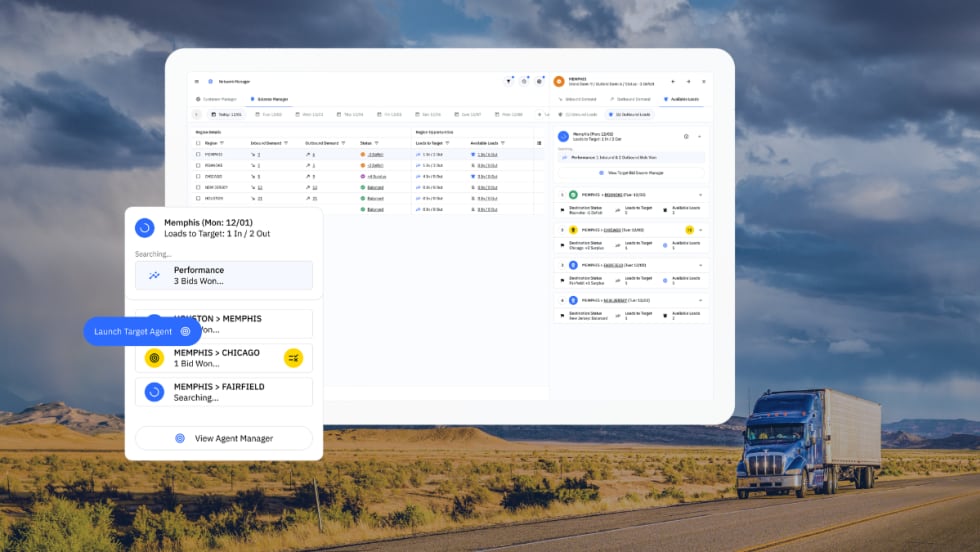
Optimal Dynamics Launches AI System to Help Carriers Choose Better Freight
Optimal Dynamics says its new Scale platform uses AI agents and optimization to help carriers find and secure freight that improves network balance and profitability.
Read More →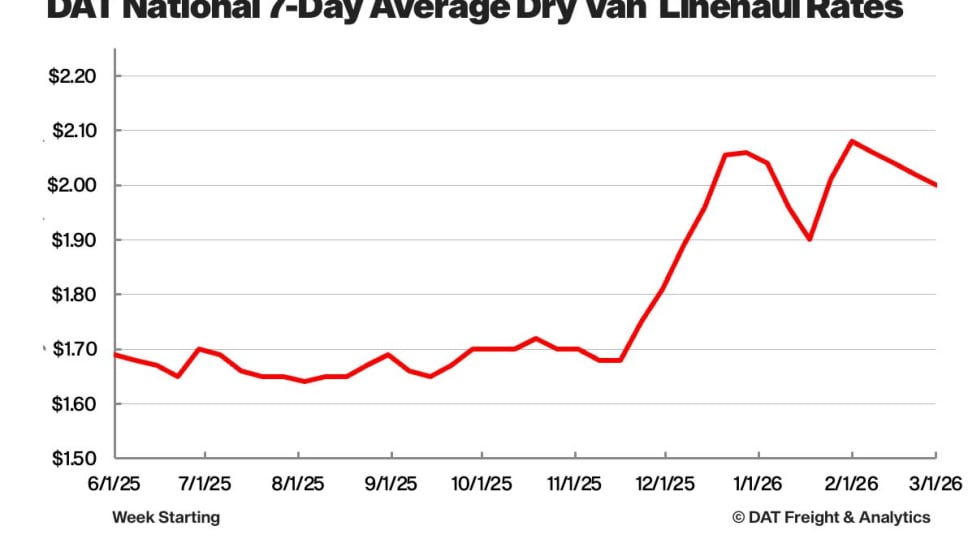
DAT: Flatbed Demand Climbs as Van and Reefer Rates Soften
DAT Freight & Analytics data shows tightening flatbed capacity, easing produce markets, and softening van and reefer rates.
Read More →
Run on Less “Messy Middle” Data Shows Multiple Paths Forward for Truck Powertrains [Watch]
NACFE's Run on Less - Messy Middle project demonstrates the power of data in helping to guide the future of alternative fuels and powertrains for heavy-duty trucks.
Read More →