



The Teamsters Union and the less-than-truckload carrier ABF failed to reach an agreement by the time the most recent labor pact expired at the end of March, but they intend to keep talking, having agreed to a 3
 MENU
MENU SEARCH
The Teamsters Union and the less-than-truckload carrier ABF failed to reach an agreement by the time the most recent labor pact expired at the end of March, but they intend to keep talking, having agreed to a 30-day extension.

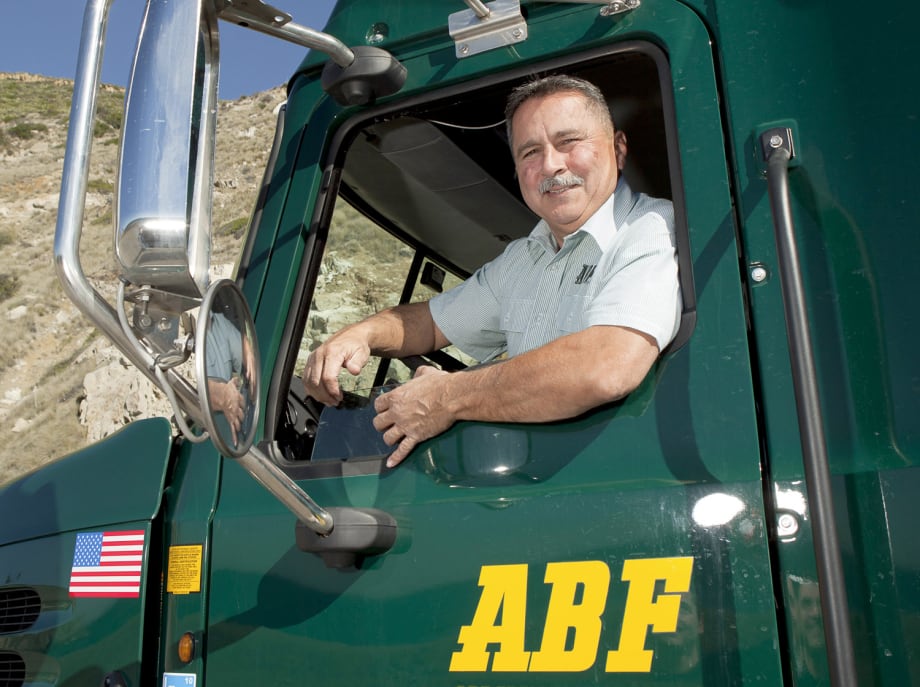
ABF has indicated in the current round of talks it is looking to get big concessions from the Teamsters while the union is looking to increase wages and benefits.
The Teamsters Union and the less-than-truckload carrier ABF failed to reach an agreement by the time the most recent labor pact expired at the end of March, but they intend to keep talking, having agreed to a 3
0-day extension.
“From what we are reading on union websites, progress is slow and big issues have yet to be discussed,” said the investment banking firm Stifel Nicloaus in a Monday research report. “But we have not yet heard of any freight diversion from customers, which is good for ABF.”
A statement on the Teamsters Union website described the talks as “slow” in their progress and “significant issues remain to be discussed.”
The next round of talks is reportedly set for the week of April 8.
ABF announced last year it would negotiate separately with the Teamsters, pulling out of the National Master Freight Agreement, leaving YRC Worldwide as the only trucking company of any significant size that is still part of the labor deal. At one time the agreement covered hundreds of trucking companies and around half a million union members.
ABF has indicated in the current round of talks it is looking to get big concessions from the Teamsters, while the union is looking to increase wages and benefits.
Meantime, ABF continues waging a separate battle. It is scheduled to go to court for a third time on April 10, challenging a series of concessions that rival YRC Worldwide and the Teamsters agreed to between 2008 and 2010 to help save the struggling carrier. ABF claims they violate the National Master Freight Agreement.
ABF has lost its two previous challenges. If it finally wins it could result in concessions between YRC and the Teamsters being invalidated, which many largely credit for saving the financially struggling operation. Ironically, ABF is reportedly looking to get from the union many of the same concessions it gave YRC.

ACT Research data shows volumes hitting a four-year high and supply-demand balance strengthening, but higher oil prices are undercutting tariff relief and tempering optimism.
Read More →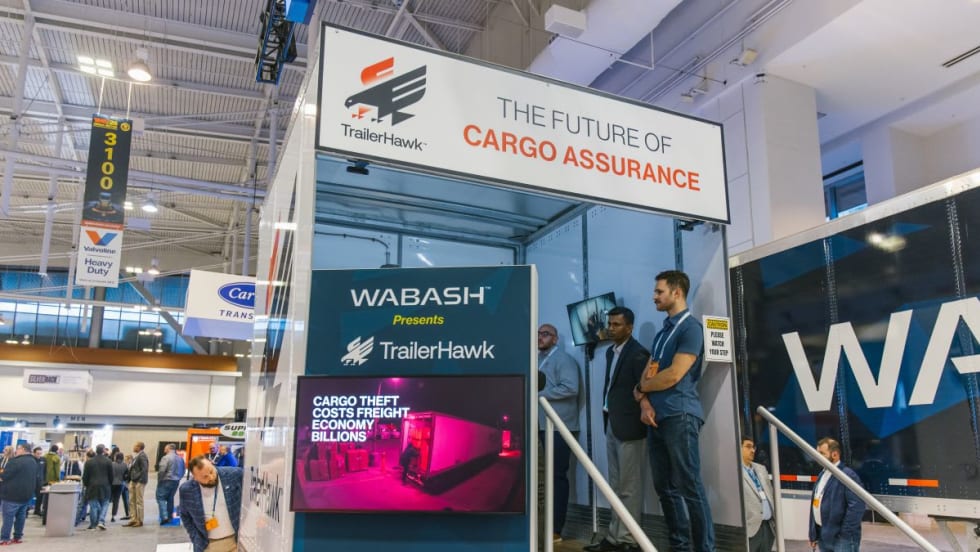
The patent-pending cargo solution integrates a digitally connected cargo door and an intelligent locking system with the TrailerHawk.AI technology platform.
Read More →
The impact of the Iran conflict extends beyond fuel costs, bringing more fraud and cybersecurity risks to the trucking industry.
Read More →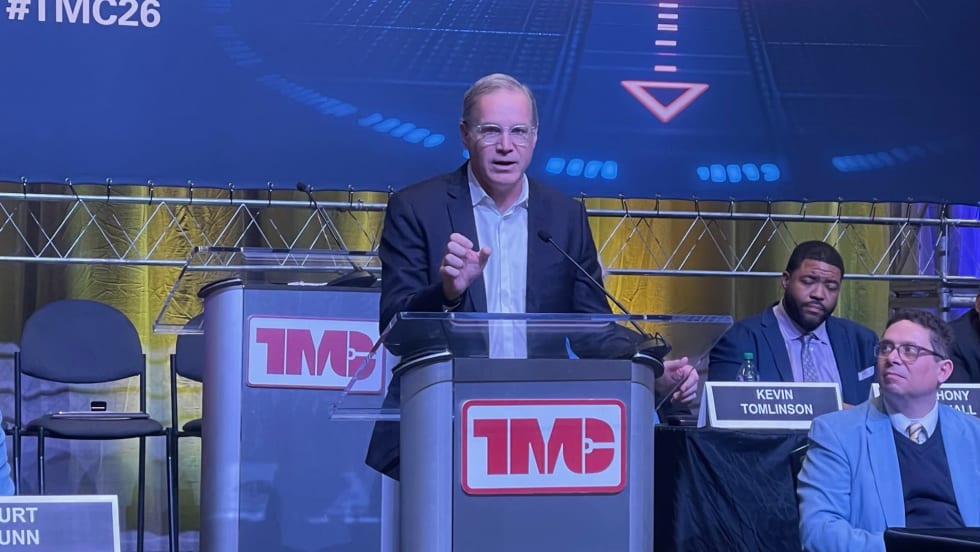
Speaking at the TMC Annual Meeting in Nashville, ATA President Chris Spear said trucking faces mounting pressure from rising fuel prices, geopolitical instability, and uncertainty around trade policy.
Read More →
More than 100,000 new trucking companies enter the industry each year, but regulators manage to audit only a fraction of them. That churn creates opportunities for inexperienced startups — and for “chameleon carriers” that shut down after safety violations and reappear under new identities. Read more from Deborah Lockridge in this commentary.
Read More →
HDTX is an intimate event that connects heavy-duty trucking fleet managers with industry suppliers through small-group discussions, educational sessions, and structured one-on-one meetings.
Read More →
New DAT One feature shows top-paying loads directly on an iPhone’s home screen, helping carriers react faster to spot-market opportunities.
Read More →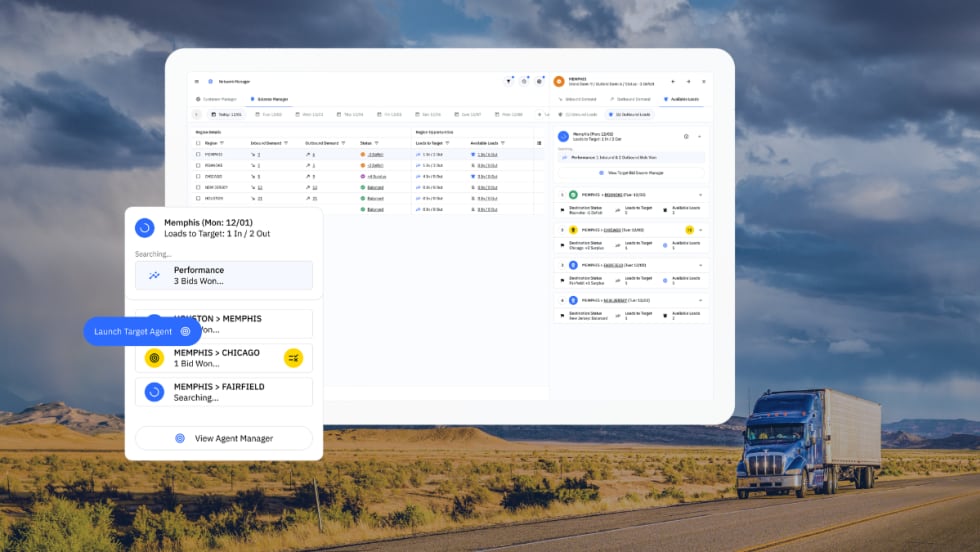
Optimal Dynamics says its new Scale platform uses AI agents and optimization to help carriers find and secure freight that improves network balance and profitability.
Read More →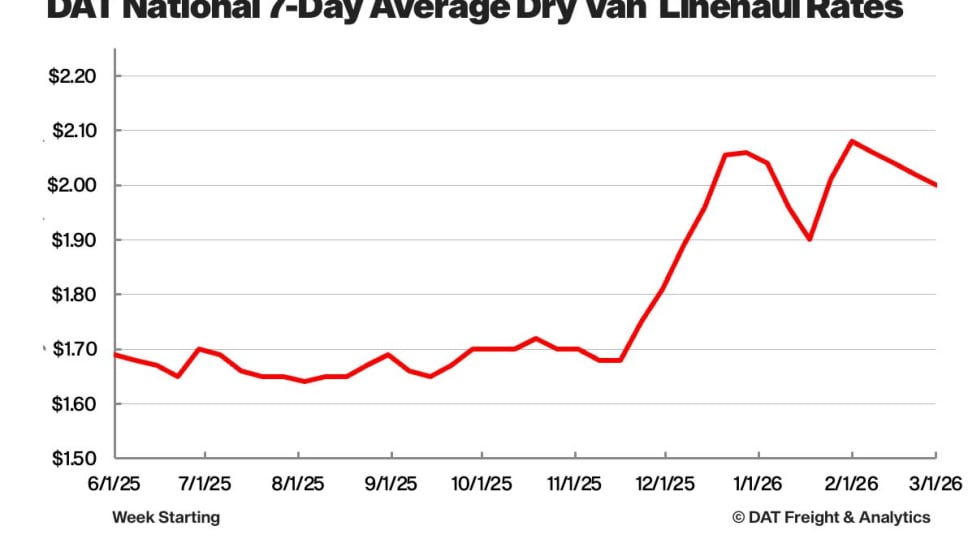
DAT Freight & Analytics data shows tightening flatbed capacity, easing produce markets, and softening van and reefer rates.
Read More →
NACFE's Run on Less - Messy Middle project demonstrates the power of data in helping to guide the future of alternative fuels and powertrains for heavy-duty trucks.
Read More →