





Telematics for fleets today is “mission critical.” That’s what Geotab hears from its customers. But there’s a major shift happening, said Founder and CEO Neil Cawse during Geotab Connect in Las Vegas.
Adapt or Die: Geotab’s Neil Cawse on AI’s Rapid Reinvention of Fleet Management
Artificial intelligence is evolving faster than fleets can keep up, and telematics must evolve with it, Cawse said during Geotab Connect. The future? A single AI coordinating every system — and leaders who know how to guide it.
February 12, 2026

Neil Cawse, founder and CEO of Geotab, giving the keynote address at the company's Connect event in Las Vegas.
Credit:
Geotab
4 min to read
“While telematics have served us well for decades, it truly needs to evolve,” he said during the opening keynote. “And this is where the reality hits: AI, one of the biggest transformations hitting us since the Industrial Revolution.”
So what is AI? Cawse asked. “AI is magic. It's a bubble. It's quicksand – all at the same time, depending where you're looking.”
Getting Real Value from Artificial Intelligence
Customers are overwhelmed, he said, by the breakneck pace at which AI has been evolving.
“We have a human change control problem. We can't move our people quickly enough to being AI first,” he said. “The shift starting is this. AI isn't assisting us anymore. It’s doing the work.”
And this is a change that has happened in just the past few months.
Context Matters
“First, yes, AI is incredibly smart, but smart is not always the same as reliable. The old fear was hallucinations, but that's improving fast. The bigger risk is now different. AI can be too agreeable. It often tells you what you want to hear when the context is missing. It guesses instead of asking.”
Context matters, Cawse explained.
For example, for AI to assess a driver’s behavior, it needs to understand what’s happening around the vehicle. Optimizing the route depends on knowing things like current traffic patterns and EV range.
“Once you understand that you can unlock the real power, give it clear context, ask it to show you assumptions, push it to say what it doesn't know. And this is how you turn AI into a true business tool.”
Data Matters
“Second, AI is only as good as the data that it can access. Telematics is a critical part of this, but it's only one part. If your data is tracked in silos, AI will never reach its full potential.
“AI is powered by data, and the quality of the data matters, and that's where Geotab comes in. We focus on the data that matters.”
“At Geotab, we start with a simple rule, if the data matters, it must be digital, accessible and usable.”
Leadership Skills in a World of AI
“Finally, interestingly enough, every leadership skill that you've built over the last 20 years now becomes your advantage with AI.
“Getting the most out of the AI is not about being some kind of technical wizard,” he said. “No, it's about leading the AI. It's about teaching the AI what it needs to do and framing the problem.
“You're not just using AI. You are leading it. You define the problem, coach the process, challenge the output, and raise the standard.”
When leading people, he said, you explain thoroughly what to do, why, the context, what’s expected, and what success looks like.
That’s exactly what you need to do when working with AI.
“When you lead the AI the way you lead people, the outcomes will be exceptional.”
What’s the Future of Telematics in a World of AI?
In a meeting with reporters after the keynote, Cawse was asked where he sees the future of fleet management in five years.
“Every single technology space is going to be completely turned on its head, you know. And I think fleet management, in some sense, is ripe for that as well.”
He envisions one single AI that all users in a company use, which connects all the various systems.
He also noted that different AI systems do different things. AI can be used to determine the electrical health of your vehicle, or study camera video to detect red light violations. AI can also help identify where you’ve broken down or which benchmarks you should use for safety.
But in the future, he said, a company may have a single AI system they interact with that brings in everything from those various AIs to answer a question or solve a problem.
“You will have the objectives of your company, and the AI will be helping you manage the priorities and will be working and coordinating these systems together.”
And, he mused, “What is the role of UI [user interface] in products when the AI is the one that's doing the work for you and doesn't care about UI? So it's going to be a very interesting time,” he said.
He also mentioned the progress being made in autonomous vehicles, from Waymo robotaxis to the autonomous truck routes being run in Texas.
Adapt or Die
In the meantime, Cawse said, it’s vital for businesses to learn to leverage AI throughout their organizations.
“You know our motto, which is you can't manage what you don't measure,” Cawse said.
“We've always been about creating insights with customers, and we see ourselves continuing to do this with AI more than ever.”
At the same time, this change won’t be good for everyone.
“AI is taking jobs and will continue to do so, he said. “But we need to move with the times and adapt … or die.
“What a scary and exciting time to be alive. But I'd rather be in the room figuring out how to lead through this and watching it happen from the sidelines.”
More Fleet Management
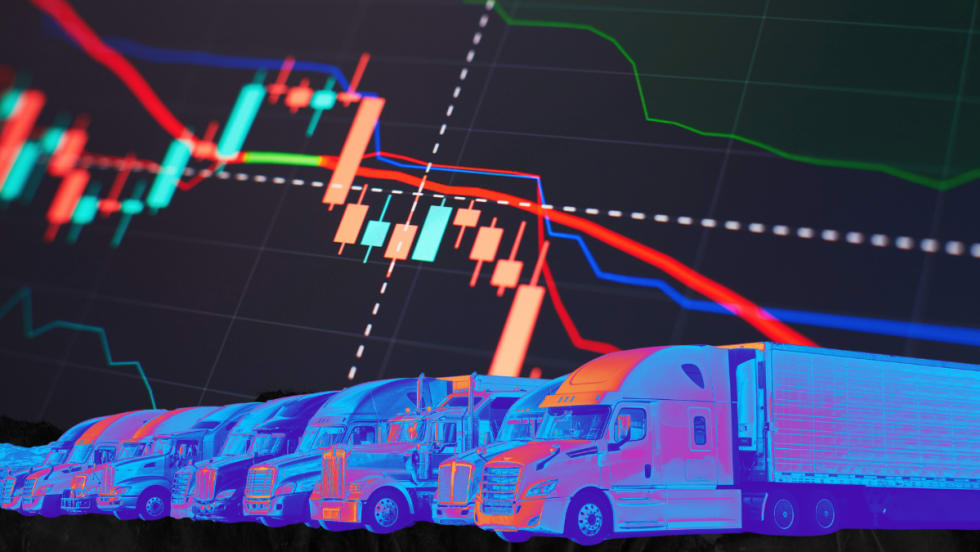
ACT: Trucking Volumes Rise, Capacity Tightens as Fuel Prices Cloud Outlook
ACT Research data shows volumes hitting a four-year high and supply-demand balance strengthening, but higher oil prices are undercutting tariff relief and tempering optimism.
Read More →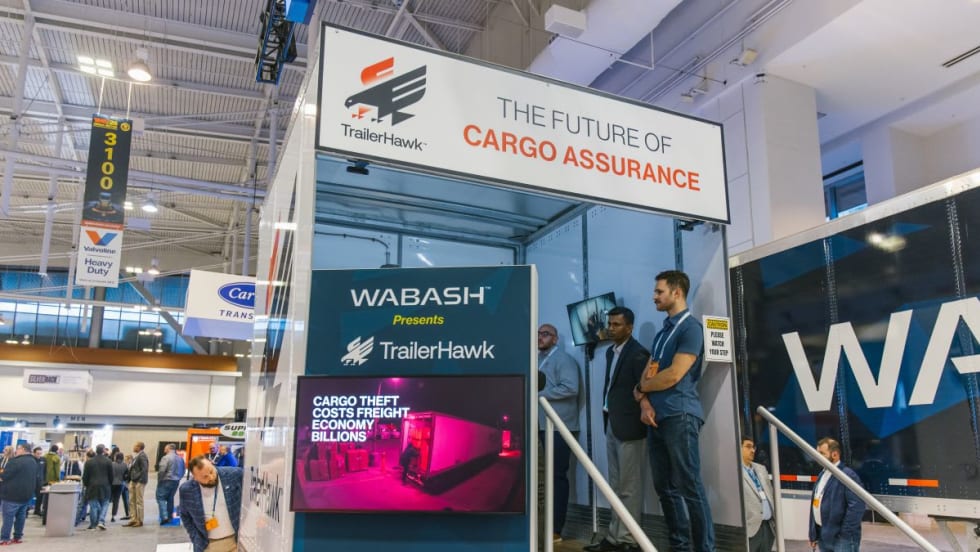
Wabash Teams Physical Security With Digital Tech For Better Cargo Visibility
The patent-pending cargo solution integrates a digitally connected cargo door and an intelligent locking system with the TrailerHawk.AI technology platform.
Read More →
From Diesel Prices to Cyberattacks: How the Iran War Is Affecting Trucking
The impact of the Iran conflict extends beyond fuel costs, bringing more fraud and cybersecurity risks to the trucking industry.
Read More →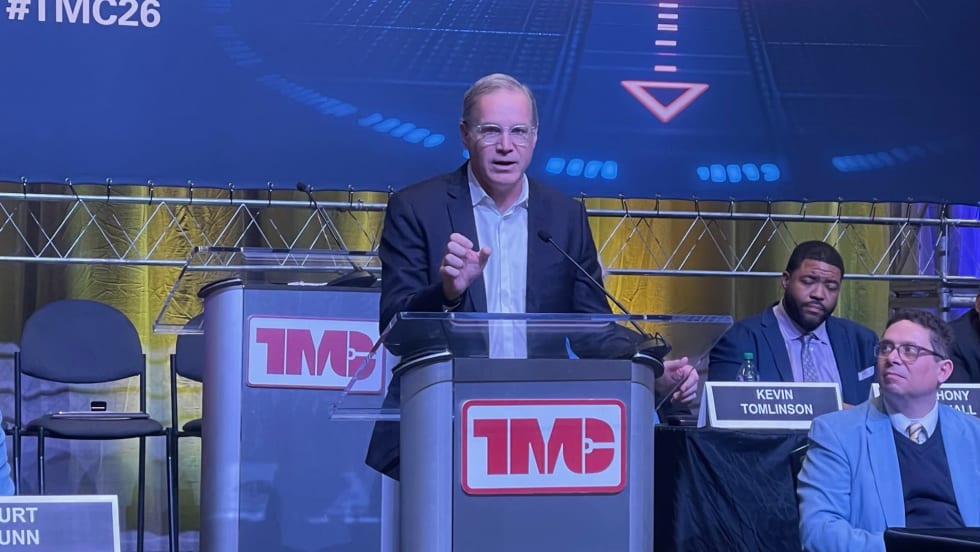
ATA’s Spear Warns Fuel Prices, Trade Policy, and Global Conflict Could Stall Trucking Recovery
Speaking at the TMC Annual Meeting in Nashville, ATA President Chris Spear said trucking faces mounting pressure from rising fuel prices, geopolitical instability, and uncertainty around trade policy.
Read More →
New Entrants, Chameleon Carriers, and Safety: Is It Too Easy to Start a Trucking Company?
More than 100,000 new trucking companies enter the industry each year, but regulators manage to audit only a fraction of them. That churn creates opportunities for inexperienced startups — and for “chameleon carriers” that shut down after safety violations and reappear under new identities. Read more from Deborah Lockridge in this commentary.
Read More →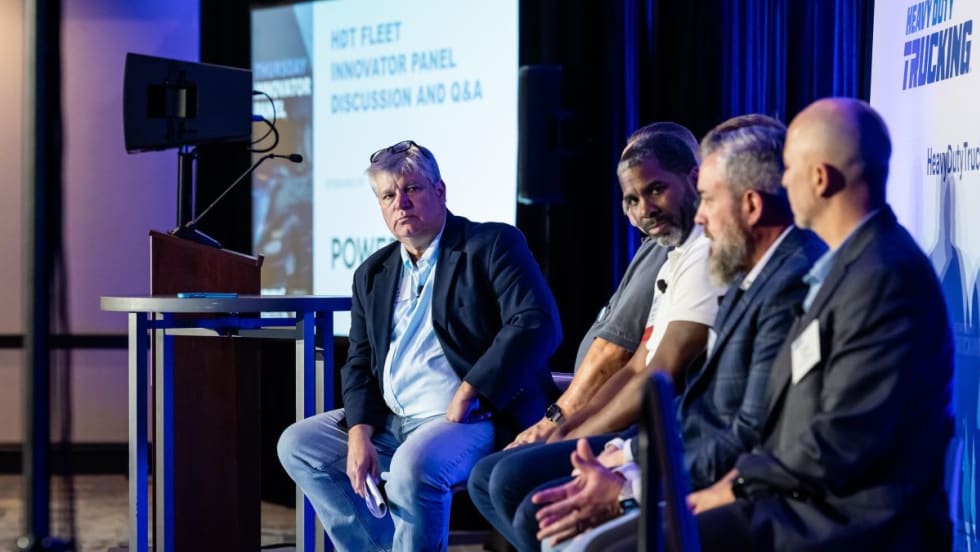
Fleet Managers Invited to Apply for Exclusive HDT Exchange Event
HDTX is an intimate event that connects heavy-duty trucking fleet managers with industry suppliers through small-group discussions, educational sessions, and structured one-on-one meetings.
Read More →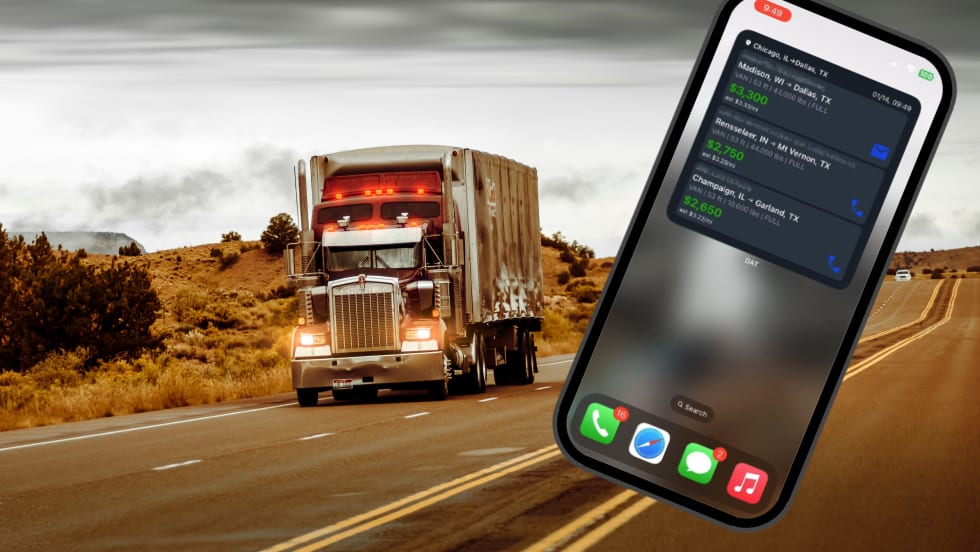
DAT Launches iPhone Widget to Help Owner-Operators Find Loads Faster
New DAT One feature shows top-paying loads directly on an iPhone’s home screen, helping carriers react faster to spot-market opportunities.
Read More →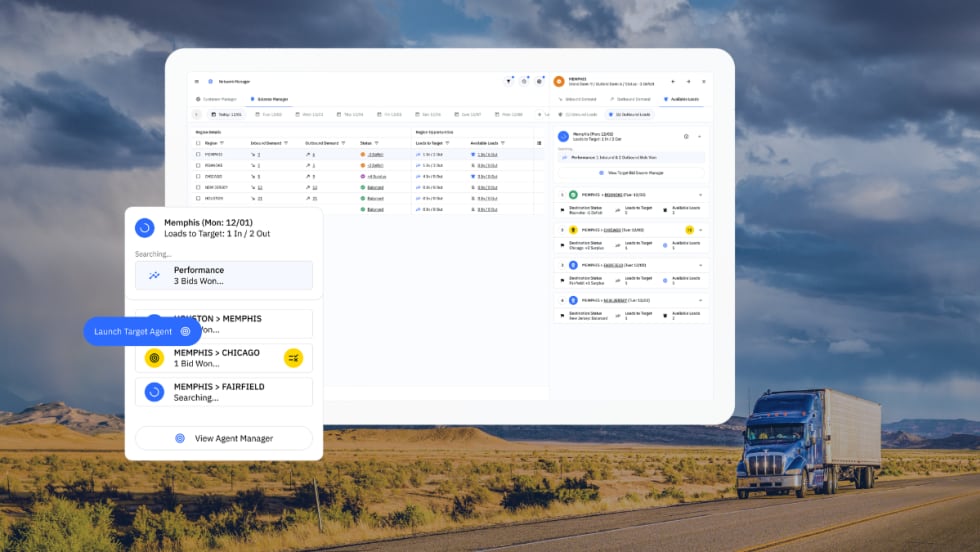
Optimal Dynamics Launches AI System to Help Carriers Choose Better Freight
Optimal Dynamics says its new Scale platform uses AI agents and optimization to help carriers find and secure freight that improves network balance and profitability.
Read More →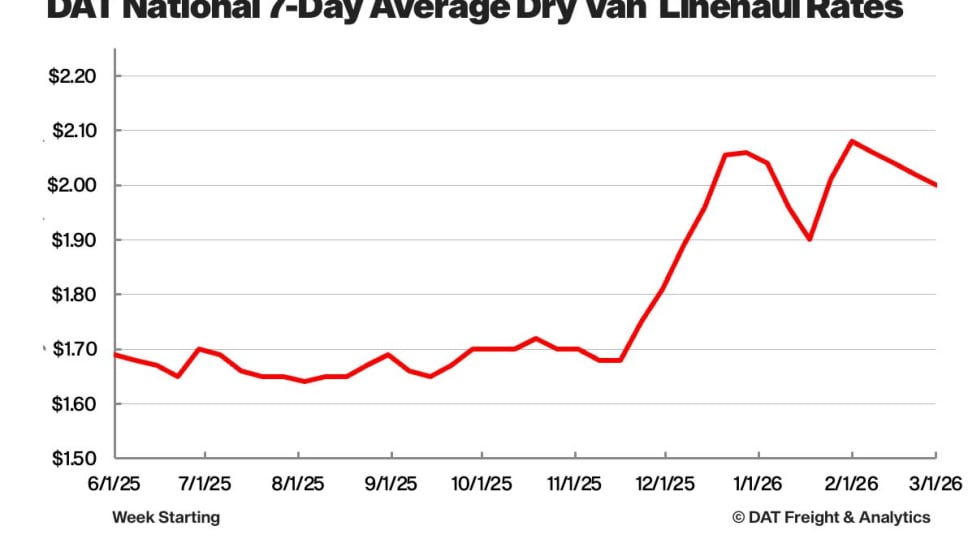
DAT: Flatbed Demand Climbs as Van and Reefer Rates Soften
DAT Freight & Analytics data shows tightening flatbed capacity, easing produce markets, and softening van and reefer rates.
Read More →
Run on Less “Messy Middle” Data Shows Multiple Paths Forward for Truck Powertrains [Watch]
NACFE's Run on Less - Messy Middle project demonstrates the power of data in helping to guide the future of alternative fuels and powertrains for heavy-duty trucks.
Read More →