





After more than three years of depressed freight rates and uneven freight demand, motor carriers and brokers are beginning to see early signs of stabilization. However, most are still keeping their wallets closed, for now.
After Three Years of Pressure, Motor Carriers and Brokers See Early Signs of a Turn
Survey data show carriers and brokers expect improving demand in 2026, even as rates lag and capital investment remains on hold.
February 12, 2026

There's some optimism about 2026 among motor carriers and brokers, but still a lot of uncertainty.
Credit:
HDT Graphic
3 min to read
- Motor carriers and brokers anticipate an improvement in freight demand this year.
- Current freight rates are still disappointing.
- Uncertainty means capital investments in the sector are presently on hold.
*Summarized by AI
According to a late-2025 survey of more than 600 carriers and freight brokers conducted by Truckstop.com in partnership with Bloomberg Intelligence, the freight market remains under pressure, but optimism is rebounding from early signs of stabilization and improvement.
The survey participants overall reported year-over-year declines in rates, volumes, and revenues, but generally have a positive outlook for the first three to six months of 2026.
After a Prolonged Downturn, Freight Market Signals Begin to Shift
As HDT has previously reported, however, any rate recovery is likely to be driven more by capacity leaving the market than a surge in freight demand.
“Sentiment among small carriers appears to be turning more positive heading into 2026, even though challenges persist from tepid demand, inflationary pressures and slack capacity,” said Lee Klaskow, senior freight transportation and logistics analyst at Bloomberg Intelligence.
“Spot rates appear poised to move higher as the federal government's crackdown on noncompliant truck drivers, carriers and commercial driving schools pushes more capacity out of the market.”
Although not all analysts agree that the FMCSA’s enforcement push will drive significant capacity out of the market.
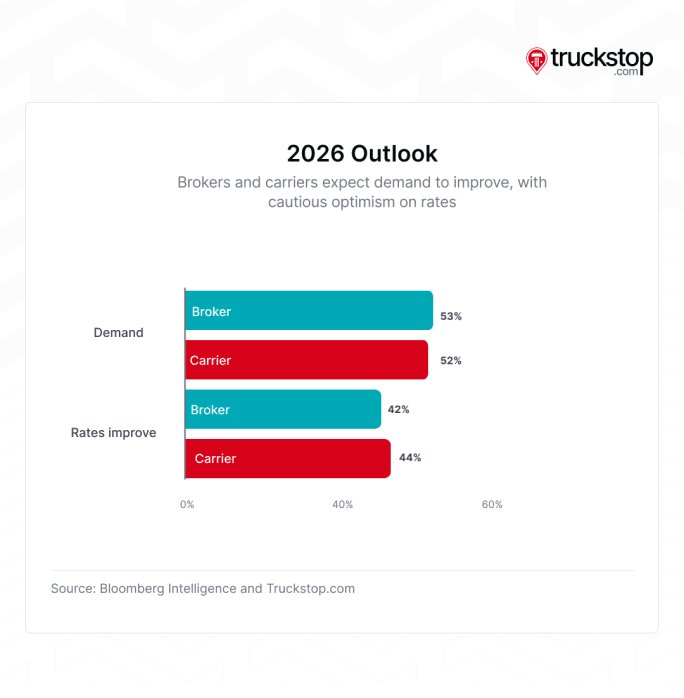
The freight market remains under pressure, but optimism is rebounding from early signs of stabilization and improvement.
Credit:
Truckstop.com
Spot Rates Struggle While Freight Volumes Show Mixed Signals
Motor carriers reported continued freight softness in the fourth quarter, with nearly half seeing lower volumes than a year earlier. Brokers reported a similarly split picture in the second half of 2025, underscoring how uneven the recovery remains across the market.
- 45% of carriers experienced lower volumes
- 18% of carriers saw increases in volume
- 38% of brokers reported lower volumes
- 35% of brokers saw higher volumes.
Rates proved more challenging, especially for carriers.
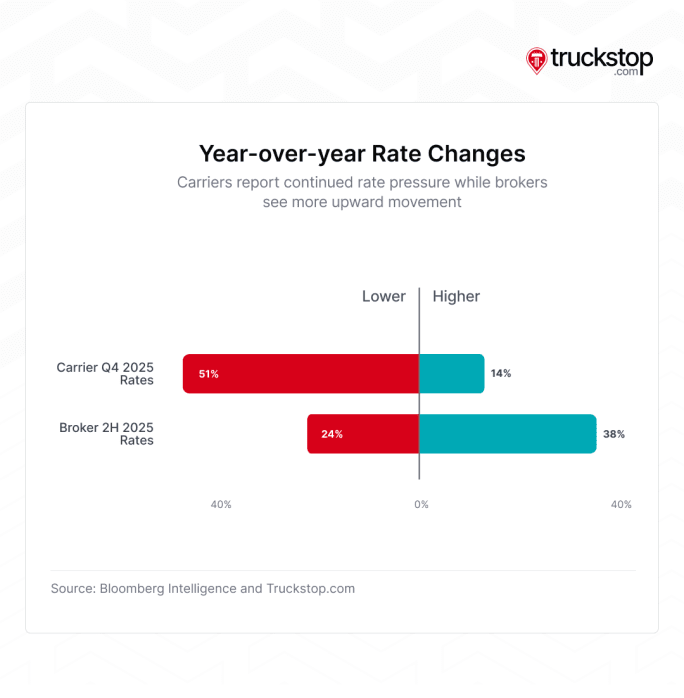
Brokers have fared better than motor carriers when it comes to year over year freight rates.
Credit:
Bloomberg Intelligence and Truckstop.com
In the fourth quarter of 2025, half of carriers (51%) reported lower rates than a year earlier. Only 14% reported year-over-year rate increases, and 41% experienced revenue declines.
Brokers were divided: 38% said rates were up, 24% said rates were down, and revenue results were mixed in the second half of 2025.
Peak season also fell short of expectations, with 42% of carriers and 39% of brokers reporting weaker holiday demand compared to the previous year.
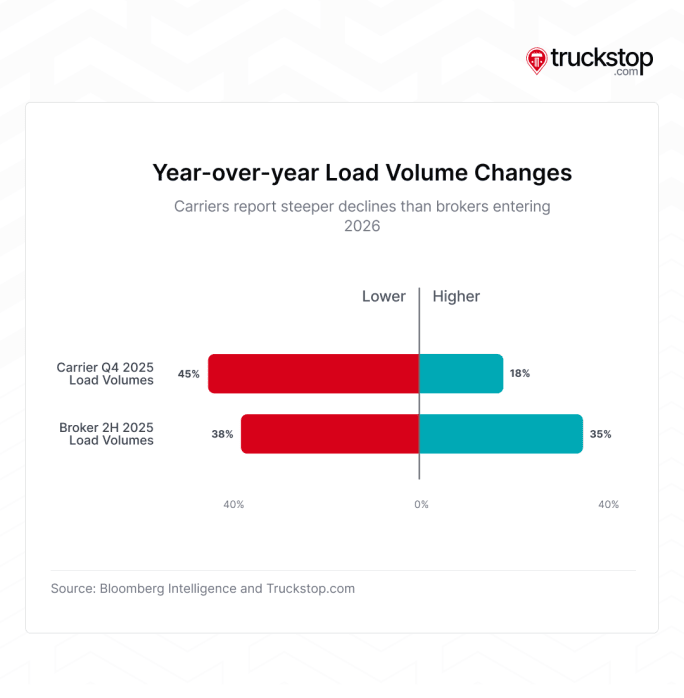
Brokers fared better than motor carriers in the latter part of 2026 on load volumes.
Credit:
Truckstop.com and Bloomberg Intelligence
Uncertainty Keeps Fleets from Committing Capital in Early 2026
“Unlike previous downcycles, which lasted 12 to 18 months, this trucking recession has now exceeded its third year,” said Todd Waldron, vice president of carrier experience at Truckstop.com.
That prolonged uncertainty is shaping how carriers and brokers approach hiring, equipment purchases, and risk.
“Transportation companies remain hesitant to allocate resources to a recovery until market signs clearly indicate one is happening,” Waldron said.
While nearly half of brokers say they are adding staff, carriers remain far more cautious. More than two-thirds say they do not plan to purchase additional equipment in the first half of 2026, reflecting continued uncertainty about when rates will meaningfully recover.
When asked when the market would reach its lowest point, the most common answer from both groups was “don’t know.”
More than one-third of motor carriers are uncertain about where they’ll be professionally in six months, and two-thirds of brokers expect more broker exits.
Freight Demand Expectations Rise Despite Ongoing Rate Pressure
“Yet, despite low volumes and rates in 2025, optimism remains for a turnaround in the first half of 2026,” Waldron said.
The data showed a bit more than half of both carriers and brokers expect demand to rise over the next three to six months. Forty-two percent of carriers and 44% of brokers expect spot rates to increase. Many others expect them to remain flat.
Profit outlooks for brokers are improving, along with their preparedness to prevent freight fraud. Fifty-three percent of brokers expect gross margins to grow in the first half (17% anticipate declines), and 83% believe they will be better able to combat fraud in 2026 than in previous cycles.
More Fleet Management

ACT: Trucking Volumes Rise, Capacity Tightens as Fuel Prices Cloud Outlook
ACT Research data shows volumes hitting a four-year high and supply-demand balance strengthening, but higher oil prices are undercutting tariff relief and tempering optimism.
Read More →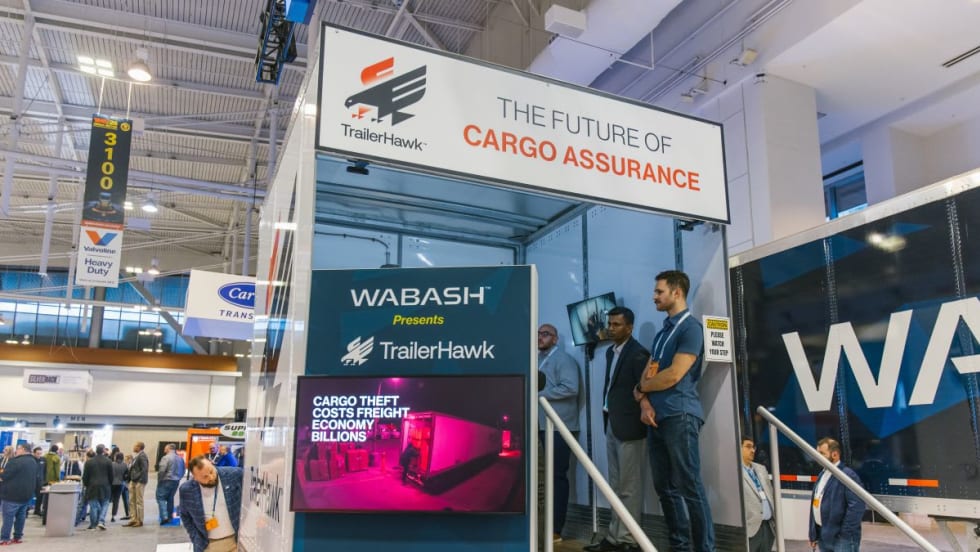
Wabash Teams Physical Security With Digital Tech For Better Cargo Visibility
The patent-pending cargo solution integrates a digitally connected cargo door and an intelligent locking system with the TrailerHawk.AI technology platform.
Read More →
From Diesel Prices to Cyberattacks: How the Iran War Is Affecting Trucking
The impact of the Iran conflict extends beyond fuel costs, bringing more fraud and cybersecurity risks to the trucking industry.
Read More →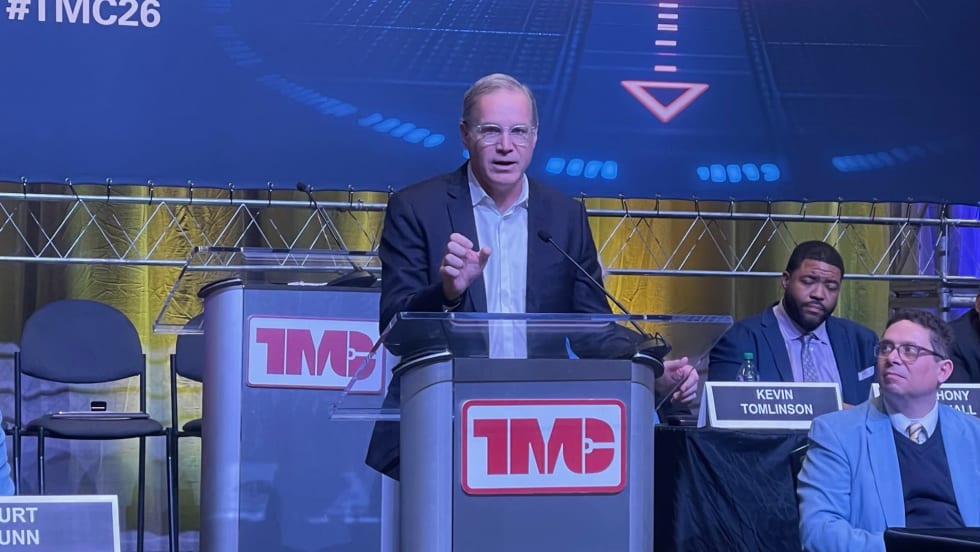
ATA’s Spear Warns Fuel Prices, Trade Policy, and Global Conflict Could Stall Trucking Recovery
Speaking at the TMC Annual Meeting in Nashville, ATA President Chris Spear said trucking faces mounting pressure from rising fuel prices, geopolitical instability, and uncertainty around trade policy.
Read More →
New Entrants, Chameleon Carriers, and Safety: Is It Too Easy to Start a Trucking Company?
More than 100,000 new trucking companies enter the industry each year, but regulators manage to audit only a fraction of them. That churn creates opportunities for inexperienced startups — and for “chameleon carriers” that shut down after safety violations and reappear under new identities. Read more from Deborah Lockridge in this commentary.
Read More →
Fleet Managers Invited to Apply for Exclusive HDT Exchange Event
HDTX is an intimate event that connects heavy-duty trucking fleet managers with industry suppliers through small-group discussions, educational sessions, and structured one-on-one meetings.
Read More →
DAT Launches iPhone Widget to Help Owner-Operators Find Loads Faster
New DAT One feature shows top-paying loads directly on an iPhone’s home screen, helping carriers react faster to spot-market opportunities.
Read More →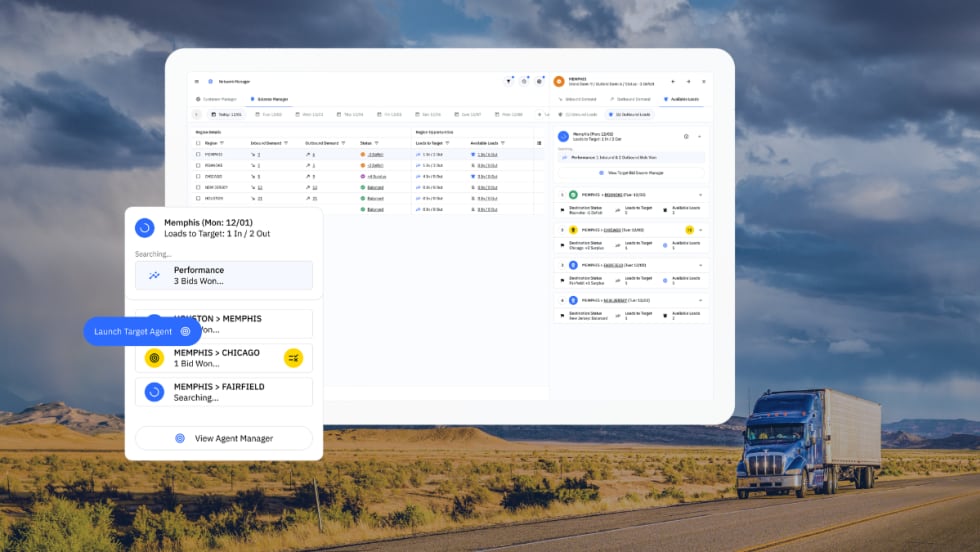
Optimal Dynamics Launches AI System to Help Carriers Choose Better Freight
Optimal Dynamics says its new Scale platform uses AI agents and optimization to help carriers find and secure freight that improves network balance and profitability.
Read More →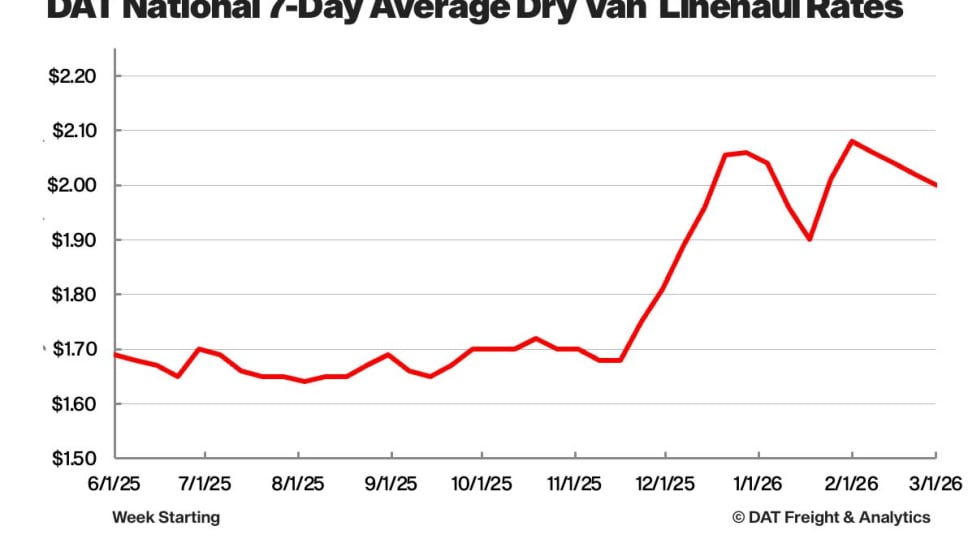
DAT: Flatbed Demand Climbs as Van and Reefer Rates Soften
DAT Freight & Analytics data shows tightening flatbed capacity, easing produce markets, and softening van and reefer rates.
Read More →
Run on Less “Messy Middle” Data Shows Multiple Paths Forward for Truck Powertrains [Watch]
NACFE's Run on Less - Messy Middle project demonstrates the power of data in helping to guide the future of alternative fuels and powertrains for heavy-duty trucks.
Read More →