



The Pacific Maritime Association and the International Longshore and Warehouse Union on Friday evening announced a tentative agreement on a new five-year contract covering 13,000 workers at all 29 West Coast ports.
 MENU
MENU SEARCH
The Pacific Maritime Association and the International Longshore and Warehouse Union on Friday evening announced a tentative agreement on a new five-year contract covering 13,000 workers at all 29 West Coast ports – but problems at the ports are far from over.
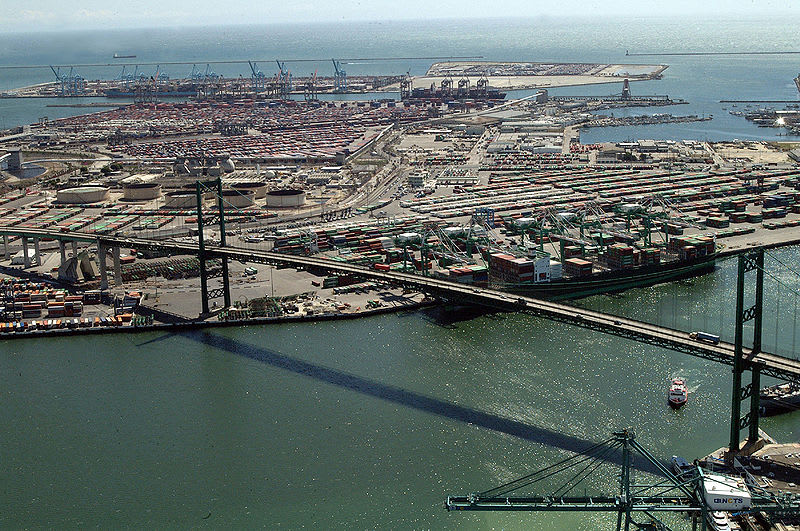
Port of Los Angeles. Photo: Port of L.A.
The Pacific Maritime Association and the International Longshore and Warehouse Union on Friday evening announced a tentative agreement on a new five-year contract covering 13,000 workers at all 29 West Coast ports.
The deal was reached with assistance from U.S. Secretary of Labor Tom Perez, who met with both sides last week. Also assisting was Federal Mediation and Conciliation Service Deputy Director Scot Beckenbaugh, who stepped in last month.
Negotiators have not released details of the agreement, which is subject to ratification by both parties. It is expected to take several weeks to get the needed approvals.
“After more than nine months of negotiations, we are pleased to have reached an agreement that is good for workers and for the industry,” said PMA President James McKenna and ILWU President Bob McEllrath in a joint statement.
Eric Starks, president of transportation research firm FTR, says "the importance of the ports on the U.S. West Coast can hardly be overstated. In Q3 2014 (latest available data) these ports were responsible for over 52% of the nation’s containerized imports and over 38% of the containerized exports. These figures represent about 2.7 million import TEUs and 1.2 million export TEU’s respectively."
The National Retail Federation said the extended contract negotiations have had a significant effect. "The congestion, slowdowns and suspensions over the last few months have had a significant economic impact on the entire supply chain and those who rely on the West Coast ports to move their goods and products around the world and throughout the country," the NRF said in a statement. "The agricultural, manufacturing, retailing and transportation industries have all suffered due to the nine-month long contract negotiations.”
Even if the agreement is approved by both sides, analysts say it will take months for West Coast Ports to get through a backlog of freight that is stacked up at the facilities and on ships that have been anchored in harbors waiting to unload.
In addition, Starks notes, "There are deep-seated problems in the ports revolving around the peaking problems associated with the new mega-ships, chassis supply and the turmoil associated with the new shipping alliances."
ACT Research data shows volumes hitting a four-year high and supply-demand balance strengthening, but higher oil prices are undercutting tariff relief and tempering optimism.
Read More →
The patent-pending cargo solution integrates a digitally connected cargo door and an intelligent locking system with the TrailerHawk.AI technology platform.
Read More →
The impact of the Iran conflict extends beyond fuel costs, bringing more fraud and cybersecurity risks to the trucking industry.
Read More →
Speaking at the TMC Annual Meeting in Nashville, ATA President Chris Spear said trucking faces mounting pressure from rising fuel prices, geopolitical instability, and uncertainty around trade policy.
Read More →
More than 100,000 new trucking companies enter the industry each year, but regulators manage to audit only a fraction of them. That churn creates opportunities for inexperienced startups — and for “chameleon carriers” that shut down after safety violations and reappear under new identities. Read more from Deborah Lockridge in this commentary.
Read More →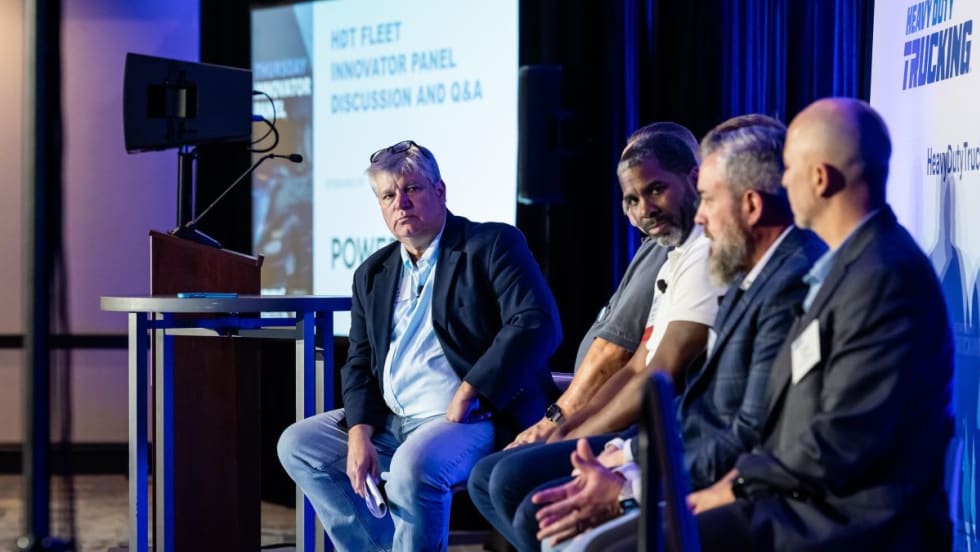
HDTX is an intimate event that connects heavy-duty trucking fleet managers with industry suppliers through small-group discussions, educational sessions, and structured one-on-one meetings.
Read More →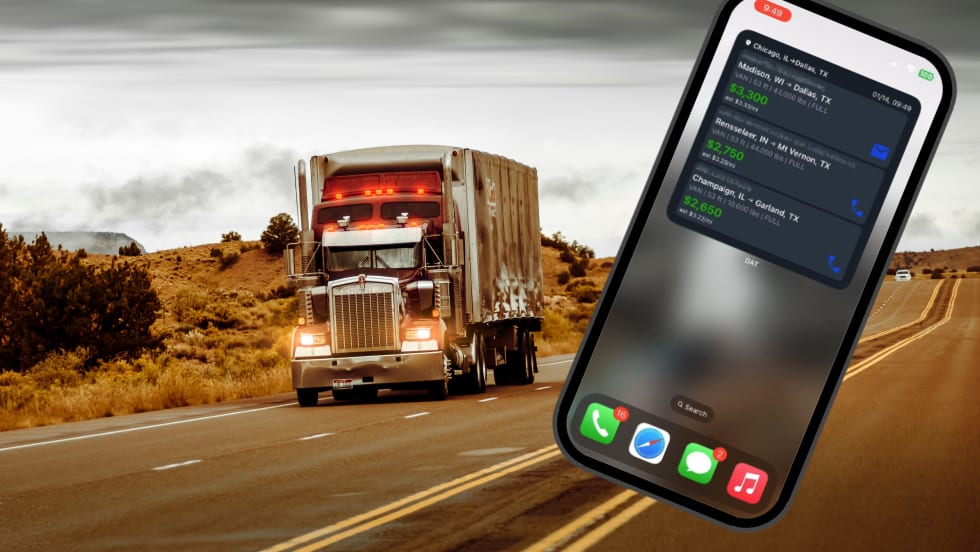
New DAT One feature shows top-paying loads directly on an iPhone’s home screen, helping carriers react faster to spot-market opportunities.
Read More →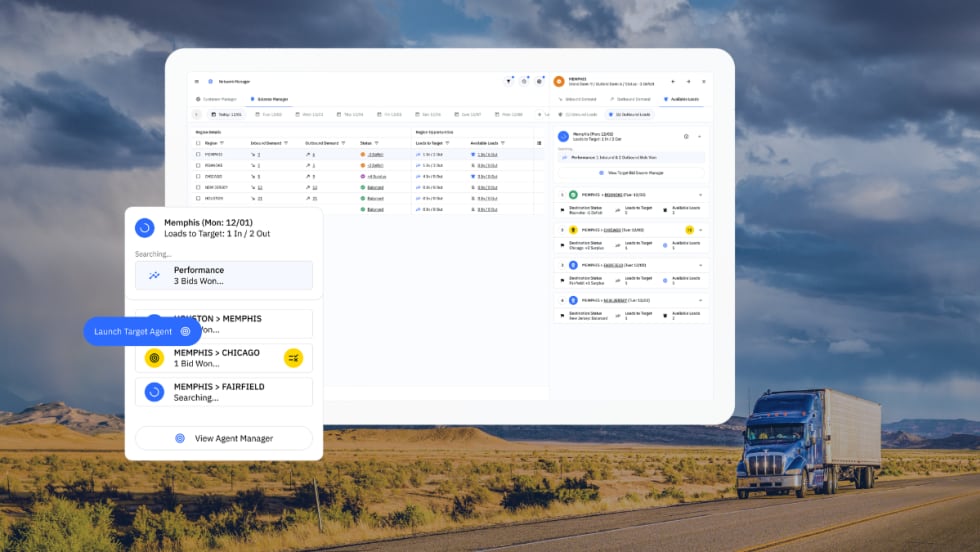
Optimal Dynamics says its new Scale platform uses AI agents and optimization to help carriers find and secure freight that improves network balance and profitability.
Read More →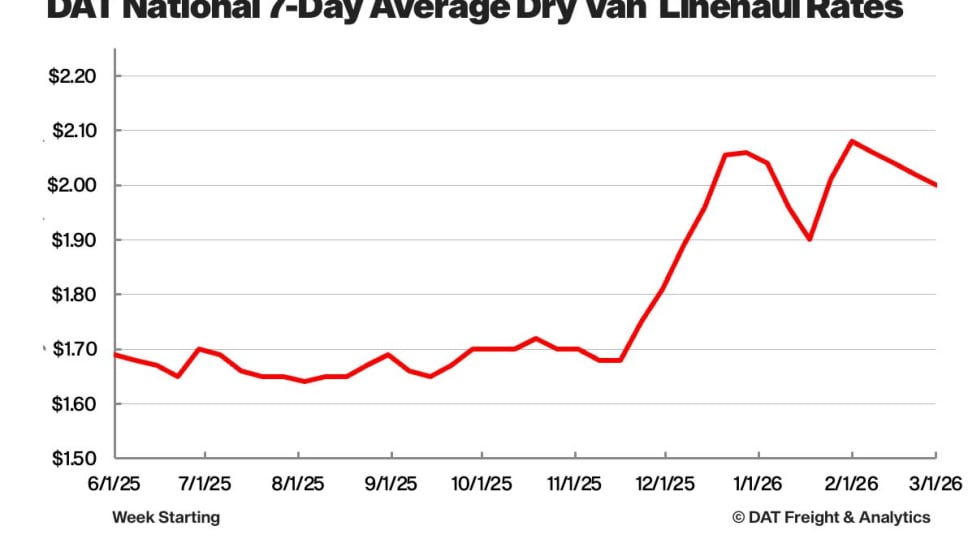
DAT Freight & Analytics data shows tightening flatbed capacity, easing produce markets, and softening van and reefer rates.
Read More →
NACFE's Run on Less - Messy Middle project demonstrates the power of data in helping to guide the future of alternative fuels and powertrains for heavy-duty trucks.
Read More →