




A recent analysis by the marine terminal operators at the Port of Los Angeles and Port of Long Beach shows that nearly half of trucks conducted at least four transactions per day in late July, while almost two-thirds of trucks made three or more transactions per day.
Analysis Finds LA Ports Underutilized Despite Increased Truck Traffic
A recent analysis by the marine terminal operators at the Port of Los Angeles and Port of Long Beach shows that nearly half of trucks conducted at least four transactions per day in late July, while almost two-thirds of trucks made three or more transactions per day
by Staff
August 13, 2010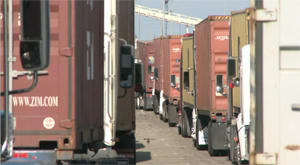
3 min to read

In response to the data, PierPass, a not-for-profit company created by marine terminal operators at the ports of Los Angeles and Long Beach in 2005 to address multi-terminal issues such as congestion, security and air quality, is encouraging carriers to take advantage of unused capacity.
"The analysis of transaction data shows that the ports are vastly underutilized despite increased cargo volume and truck traffic," said Bruce Wargo, president and CEO of PierPass. "PierPass and the MTOs are working together to improve the efficiency of cargo movement through the ports, ease the challenges of increased cargo volume and help the industry take advantage of unused capacity to minimize congestion."
The analysis, which includes transaction data from July 26, 2010, to Aug. 1, 2010, shows that:
* 5,326 trucks (63.4 percent) made at least 15 transactions, or about three per day.
* Of that group, 3,849 trucks (45.8 percent) conducted at least 20 terminal transactions, or about four per day.
* 48 trucks managed to make more than 50 pickups or deliveries in that week, or about 10 per day.
The analysis includes transaction data from the 13 container terminals serving the San Pedro Bay ports.
Following a plunge in cargo volumes in 2008 and 2009, volumes have strongly rebounded at the two ports, leading to an increase in truck traffic. In response to this surge, the marine terminal operators have reinstated labor, gates and shifts cut during the recession. Terminal operators have increased labor levels by 37 percent since January 2010.
Lines outside the terminals are long primarily around 6 p.m. During much of the day and night shifts, there is little or no congestion at the terminals. Truckers can avoid lines by arriving from 9 a.m. to noon, 2 p.m. to 5 p.m. and 11 p.m. to 3 a.m., PierPass says.
"In response to the recent surge in truck volumes, some in the industry have expressed concern about wait times at the terminals' gates," Wargo said. "Marine terminal operators are diligently working with industry stakeholders to identify solutions. It is imperative that the trucking industry contribute by taking advantage of under-congested and under-utilized times at the gates. By spreading out volume and utilizing our existing infrastructure, trucking companies will improve the efficiency of their businesses."
PierPass recently announced the formation of a working group of 30 stakeholders representing importers, exporters, motor carriers, ports, and marine terminal operators (MTOs) to discuss the issue. In addition, many terminals at the San Pedro Ports are implementing an appointment system to take advantage of underutilized time and maximize the systems to help ease congestion.
PierPass has also developed a video addressing gate congestion and discussing potential solutions. The video can be viewed below:
More Fleet Management

'Beyond Compliance,' Regulations, Driver Coaching on ATRI’s 2026 Research List
The American Transportation Research Institute will examine driver coaching, regulatory impacts — including the "Beyond Compliance" concept —and weather disruptions that shape trucking operations.
Read More →
Fleet Advantage's Brian Antonellis on the Growing Need to Replace Old Trucks
Fleet Advantage's Brian Antonellis says it's time for fleets to get back to the fundamentals of good maintenance practices. And that includes replacing older, inefficient equipment.
Read More →
Truckstop.com Adding to Open Deck, Heavy Haul Offerings
Load matching for flatbed, lowbed, oversize and overweight loads can't be automated like basic van freight, but Truckstop.com is adding more high-tech tools to help.
Read More →
Trucker Path, Truckstop.com Expand Load Access Partnership
An expanded Trucker Path and Truckstop.com integration brings more freight opportunities into the TruckLoads app while emphasizing security and network quality.
Read More →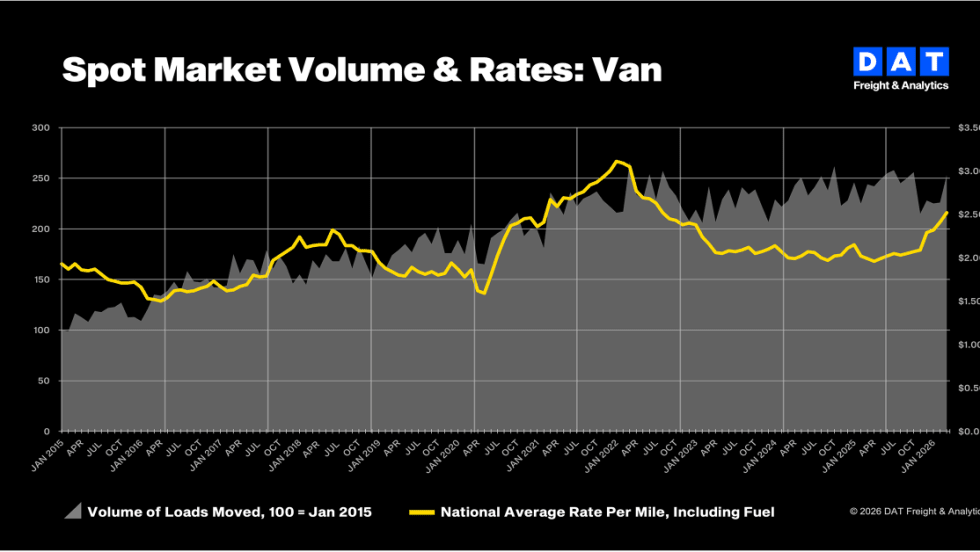
Truckload Rates Hit Two-Year Highs as Diesel Costs Surge, DAT Says
Strong March freight demand combined with a spike in fuel costs pushed both spot and contract truckload rates to their highest levels in more than two years.
Read More →
The AI Conversation You Need to Have with Your TMS Provider
Everyone’s talking about AI — but is your transportation management system actually built for it?
Read More →
Kriska Buys Fellow Canadian Carrier Sharp Transportation Systems
Being part of KTG will allow Sharp to expand and improve its services.
Read More →
Bill in House Would Raise Minimum Insurance for Motor Carriers to $5 Million
The Fair Compensation for Truck Crash Victims Act would increase insurance requirements for interstate motor carriers by nearly seven times.
Read More →
FTR Trucking Conditions Index Hits Four-Year High in February
Strong freight rates push TCI to 10.2, but FTR expects fuel-price volatility to skew March results.
Read More →
C.H. Robinson Offers Carriers Relief as Diesel Prices Surge
C.H. Robinson is waiving fees on fuel cards and cash advances for April and May, aiming to help carriers offset rising diesel costs tied to geopolitical instability.
Read More →