




The trucking industry needs Congress to quickly pass a new surface transportation bill with a focus on highways. That was the message of American Trucking Associations chairman Barbara Windsor Tuesday in testimony before the House Transportation and Infrastructure Committee's Subcommittee on Highways and Transit.
ATA Chairman Tells Congress Trucking Needs a Highway Bill
The trucking industry needs Congress to quickly pass a new surface transportation bill with a focus on highways. That was the message of American Trucking Associations chairman Barbara Windsor Tuesday in testimony before the House Transportation and Infrastructure Committee's Subcommittee on Highways and Transit
by Staff
March 29, 2011
3 min to read
"A safe, efficient system of highways is essential to our country's economic well-being, security, and overall quality of life," said Windsor, who is president and CEO of Hahn Transportation Inc. "Every day, freight flows through our ports, across our borders, and on our rail, highway, air and waterway systems as part of a global multimodal transportation logistics system. Highways are the key to this system."
Windsor said that trucks move 70 percent of the nation's freight. However, she said "our current highway system no longer meets our needs."
"Mr. Chairman, incremental solutions will not allow us to meet the nation's current and future transportation requirements," Windsor said. "While we know that Congress is not receptive to a fuel tax increase, we would like the record to reflect that the trucking industry is willing to accept a fuel tax increase to help fund infrastructure."
However, Windsor said that in addition to a possible fuel increase, the next authorization should fund non-highway items like transit from the General Fund, rather than with fuel tax receipts, and should maintain the prohibition on tolls on currently untolled interstates.
"Tolls are a very inefficient means of revenue collection, and they cause diversion of traffic to alternative routes which are usually less safe and were not built to handle the additional traffic," she said.
Whatever funds the next authorization does generate should be used to address "critical bottlenecks on heavily traveled freight corridors," Windsor said.
Beyond funding issues, Windsor also urged Congress to allow for more efficient use of our highways "through the use of more productive trucks," which can improve safety, lower shipping costs, save fuel and reduce greenhouse gas emissions and protect the public's investment in highways.
"Congress must reform its laws to give states greater flexibility to change their size and weight regulations, with oversight by the U.S. Department of Transportation," she said.
Truckstop group NATSO, meanwhile, testified against the commercialization of rest areas.
NATSO President and CEO Lisa Mullings urged the subcommittee to strongly oppose any effort to amend or repeal the federal law prohibiting commercial development on the Interstate right-of-way, testifying that such efforts represented government intrusion into the private sector and would jeopardize businesses and jobs nationwide.
Mullings said weakening current law would devastate more than 97,000 businesses that operate at the exits along the nation's interstate system while threatening 2.2 million jobs and slashing funding for county governments.
"It is deceptively easy to mistake this issue as a pro-business initiative, a move to privatize rest area services," Mullings testified. "But this is not privatization. True privatization is transferring a service or function from the government to a private sector business to achieve comparable or superior results. The government is not in the business of selling food and fuel; the private sector is already meeting that need. This is a move to expand government, at a cost to businesses, county governments and consumers."
Congress outlawed commercial activities at interstate rest areas to foster competition and the growth of local communities near the Interstate Highway System. NATSO points out that in the few states that operate commercial rest areas, there are 50 percent fewer businesses at interstate exits, according to a University of Maryland study.
NATSO's position is that commercial rest areas drain local businesses of customers, jobs and local tax revenues by putting established businesses in direct competition with the state. Commercialized rest areas give the state an advantageous location on the interstate right-of-way, siphoning away customers who normally patronize exit-based businesses.
More Drivers

FMCSA Extends Paper Medical Card Exemption … Again
Five states still aren't ready to accept commercial driver medical exam information directly from the medical examiner's registry.
Read More →
Mack Launches Digital Driver Guide for Chassis-Specific Truck Info
Mack’s new, virtual owner’s manual delivers VIN-based, on-demand guidance for vehicle systems via web, app, and soon in-cab displays.
Read More →
Western Star Showcases Truckers' Pride and Skill
Western Star is expanding its Star Nation Experience in 2026, adding new competitions and dealer participation to highlight operator skills and promote careers in trucking.
Read More →
Best Fleets to Drive For: Two Carriers Earn Overall Award for First Time
CarriersEdge announced the 2026 Best Fleets to Drive For overall winners, with Crawford Trucking, Fortigo Freight Services, and FTC Transportation receiving top awards.
Read More →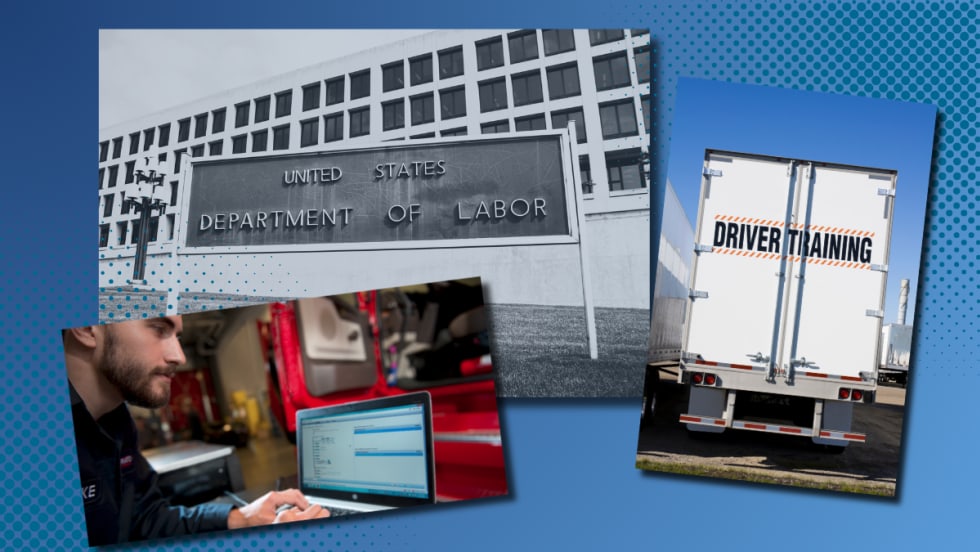
Federal Proposal Would Allow Pell Grants for Shorter-Term Job Training
The Department of Labor plans to expand Pell Grant eligibility to some shorter workforce training programs, a move the American Trucking Associations said will help strengthen commercial driver training schools and diesel technician training programs.
Read More →
Owner-Operator Model Gets Boost as DOL Proposes 2024 Independent Contractor Definition Reversal
For an industry that has watched this issue go back and forth for years, the independent contractor proposal marks the latest swing in the regulatory pendulum.
Read More →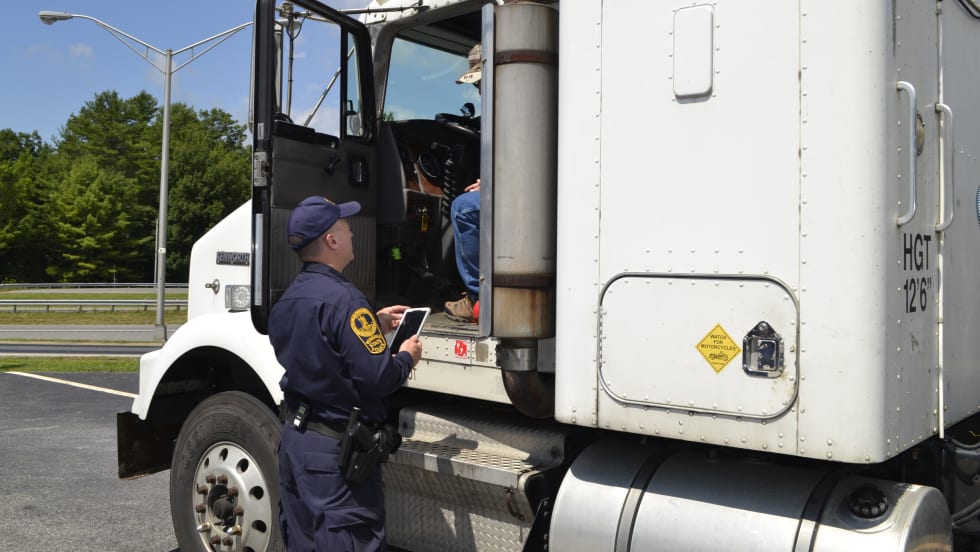
FMCSA Reinstates Field Warrior ELD to Registered Device List
One electronic logging device has been reinstated to the FMCSA's list of registered ELDs.
Read More →
How One Company is Using Smart Suspension Technology to Reduce Driver Injuries and Improve Retention
America’s Service Line adopted Link’s SmartValve and ROI Cabmate systems to address whole-body vibration, repetitive strain, and driver turnover. The trucking fleet is already seeing measurable results.
Read More →
CarriersEdge Announces 2026 Best Fleets to Drive For
The 18th annual contest recognizing the best workplaces for truck drivers sees changes to Top 20, Hall of Fame
Read More →
FMCSA Targets 550+ ‘Sham’ CDL Schools in Nationwide Sting Operation
The Federal Motor Carrier Safety Administration issued more than 550 notices of proposed removal to commercial driver training providers following a five-day nationwide enforcement sweep. Investigators cited unqualified instructors, improper training vehicles, and failure to meet federal and state requirements.
Read More →