




The American Trucking Associations is continuing its push to allow hair-testing to be used in lieu of urinalysis to detect drug use by CDL driver applicants.
 MENU
MENU SEARCH
The American Trucking Associations is continuing its push to allow hair-testing to be used in lieu of urinalysis to detect drug use by CDL driver applicants.
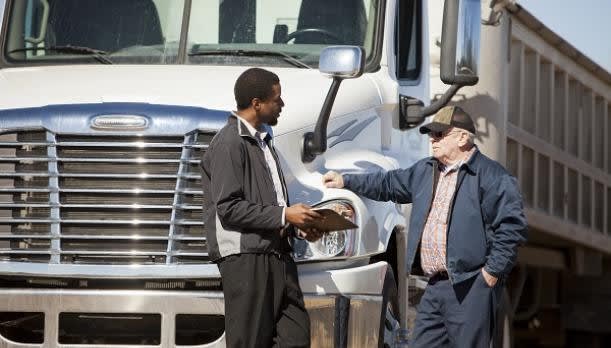
Image: Federal Motor Carrier Safety Administration
The American Trucking Associations is continuing its push to allow hair-testing to be used in lieu of urinalysis to detect drug use by CDL driver applicants.
In a March 20 letter to Health and Human Services Secretary Tom Price, American Trucking Associations President and CEO Chris Spear called for HHS to quickly release guidelines and standards for the use of hair samples in mandatory drug testing of truck drivers.
ATA pointed out in a statement that HHS has yet to issue the necessary standards that would allow those tests to be implemented. It also noted that this week ,the Substance Abuse and Mental Health Services Administration (an HHS agency) will hold Drug Testing Advisory Board meetings to consider hair-testing, “putting HHS well behind its congressionally mandated deadline.”
“Many trucking companies are using urinalysis to meet federal requirements, while also paying the additional cost to conduct hair testing,” Spear said in the letter. “We are frustrated that the previous administration failed to meet the statutory deadline and believe your leadership will finally see a resolution to this long-standing and important safety rule.”
According to ATA, the association and many of its member carriers contend that, based on experience, "hair-testing is more effective at preventing habitual drug users from obtaining jobs as truck drivers, thus improving highway safety."
“Making sure America’s truck drivers are safe and drug-free is among ATA’s highest priorities,” Spear said. “This commitment is why ATA led the charge for mandatory drug-testing of commercial drivers, for the creation of a clearinghouse for drug and alcohol testing results, and the use of hair-testing.”
Spear’s letter comes a month after the Alliance for Driver Safety & Security (a.k.a. the Trucking Alliance) submitted a set of detailed comments to the Federal Motor Carrier Safety Administration that strongly support a petition calling for motor carriers to be exempt from having to use urinalysis to test for drug use by CDL driver applicants.
In January, David Heller, vice president of government affairs for the Truckload Carriers Association, told HDT that once HHS “vets its guidelines to incorporate hair testing as an 'and/or option' for its drug testing protocols, carriers can use that option to better define the drug history of a potential driver.”

ACT Research data shows volumes hitting a four-year high and supply-demand balance strengthening, but higher oil prices are undercutting tariff relief and tempering optimism.
Read More →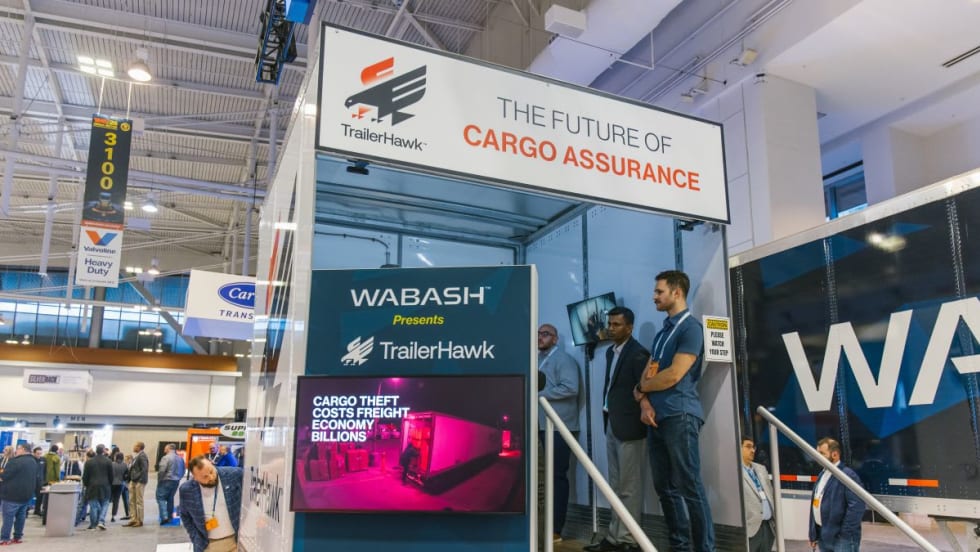
The patent-pending cargo solution integrates a digitally connected cargo door and an intelligent locking system with the TrailerHawk.AI technology platform.
Read More →
The impact of the Iran conflict extends beyond fuel costs, bringing more fraud and cybersecurity risks to the trucking industry.
Read More →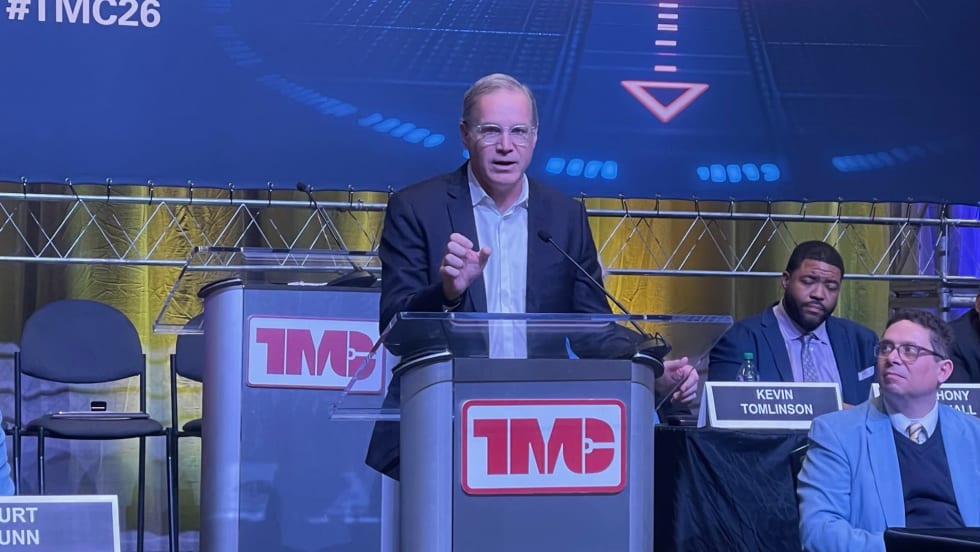
Speaking at the TMC Annual Meeting in Nashville, ATA President Chris Spear said trucking faces mounting pressure from rising fuel prices, geopolitical instability, and uncertainty around trade policy.
Read More →
More than 100,000 new trucking companies enter the industry each year, but regulators manage to audit only a fraction of them. That churn creates opportunities for inexperienced startups — and for “chameleon carriers” that shut down after safety violations and reappear under new identities. Read more from Deborah Lockridge in this commentary.
Read More →
HDTX is an intimate event that connects heavy-duty trucking fleet managers with industry suppliers through small-group discussions, educational sessions, and structured one-on-one meetings.
Read More →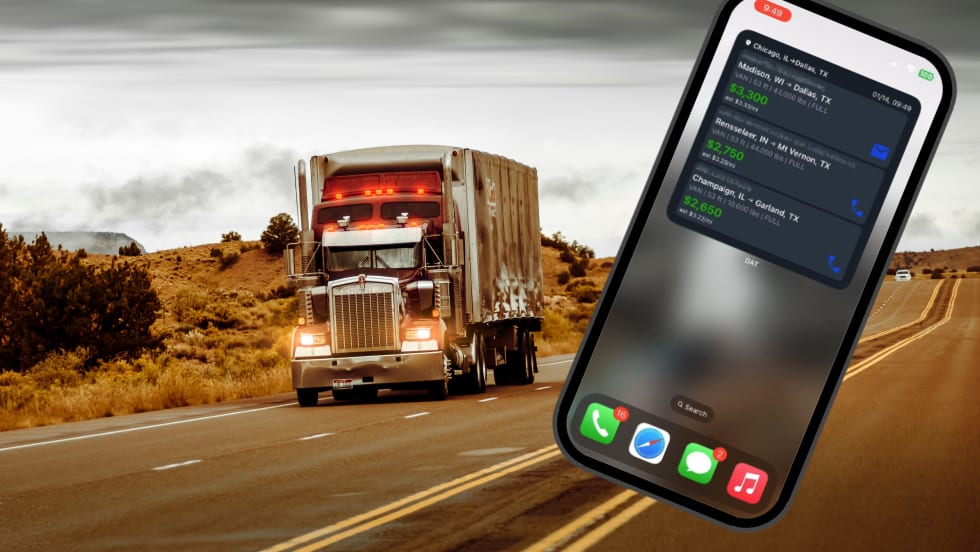
New DAT One feature shows top-paying loads directly on an iPhone’s home screen, helping carriers react faster to spot-market opportunities.
Read More →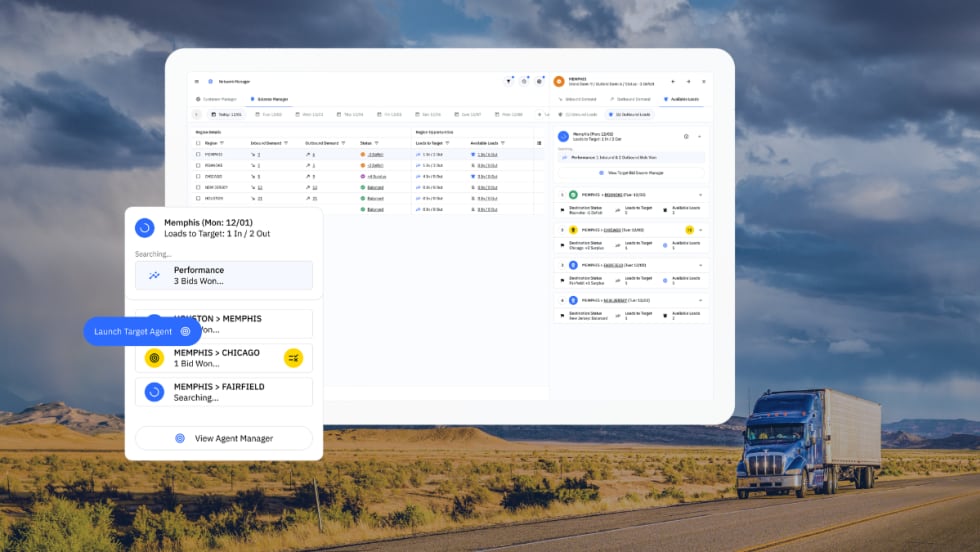
Optimal Dynamics says its new Scale platform uses AI agents and optimization to help carriers find and secure freight that improves network balance and profitability.
Read More →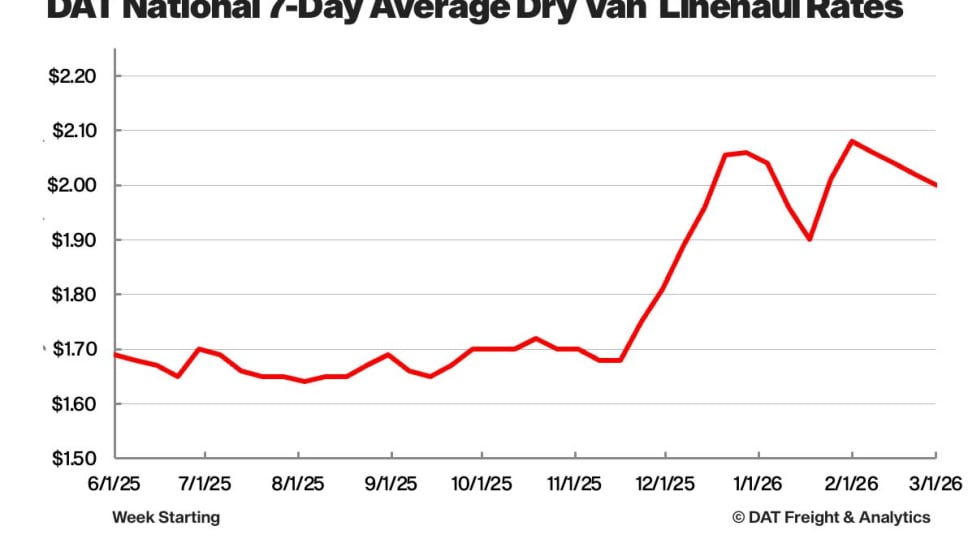
DAT Freight & Analytics data shows tightening flatbed capacity, easing produce markets, and softening van and reefer rates.
Read More →
NACFE's Run on Less - Messy Middle project demonstrates the power of data in helping to guide the future of alternative fuels and powertrains for heavy-duty trucks.
Read More →