




"I cannot comprehend why people don't respond to this as a national crisis," said Michael Belzer, assistant research scientist at the University of Michigan, speaking at a recent intermodal seminar sponsored by the Transportation Research Board in Long Beach, CA.
Belzer characterized the nation's ports as "sweatshops" where drivers are concerned, and said if something isn't done about it, there won't be any drivers left.
Harbor drivers, mostly independent contractors, are paid by the load rather than by the hour or the mile. As waiting times and expenses have increased, they are making less and less money. Belzer says the drivers average only $7 an hour after paying for fuel, insurance, maintenance, repair and truck payments. Low wages, long hours, piecework and unsafe working conditions, he said - sweatshops.
Another speaker took issue with the International Longshore and Warehouse Union. Eugene Pentimonti, a maritime engineer and former shipping executive, said the union thwarts employer attempts to introduce technology that would improve productivity and therefore reduce driver wait times, such as paperless gate operations and automated dispatching.
But ILWU Vice President James Spinosa placed the blame back on the employers' shoulders. During contract negotiations last year with the Pacific Maritime Assn., the issue of technology came up. The ILWU says automation, such as robotics at marine terminals, would cost jobs. The union will go along with automation - as long as jobs created by that automation are given to ILWU workers.
The situation is only getting worse. Richard Hollingsworth, president of an economic development corporation representing cities near the Los Angeles-Long Beach port complex, said that cargo volume is expected to triple by 2020, and the freeways won't be able to handle the traffic.
To avoid gridlock, Hollingsworth recommended that marine terminal gates be automated and kept open longer. The ILWU said working around the clock is no problem - but some employers don't want to pay the higher wages for second- and third-shift work.
Joe Nievez, president of Qwickway Trucking in Los Angeles and immediate past chairman of the California Trucking Assn., also weighed in on the 24-hour issue. He pointed out that terminals are open for ocean-going vessels 24 hours a day; why are trucks limited to business hours?
Automation, 24-Hour Operation Needed To Avoid Port Gridlock
"I cannot comprehend why people don't respond to this as a national crisis," said Michael Belzer, assistant research scientist at the University of Michigan, speaking at a recent intermodal seminar sponsored by the Transportation Research Board in Long Beach, CA
More Fleet Management

'Beyond Compliance,' Regulations, Driver Coaching on ATRI’s 2026 Research List
The American Transportation Research Institute will examine driver coaching, regulatory impacts — including the "Beyond Compliance" concept —and weather disruptions that shape trucking operations.
Read More →
Fleet Advantage's Brian Antonellis on the Growing Need to Replace Old Trucks
Fleet Advantage's Brian Antonellis says it's time for fleets to get back to the fundamentals of good maintenance practices. And that includes replacing older, inefficient equipment.
Read More →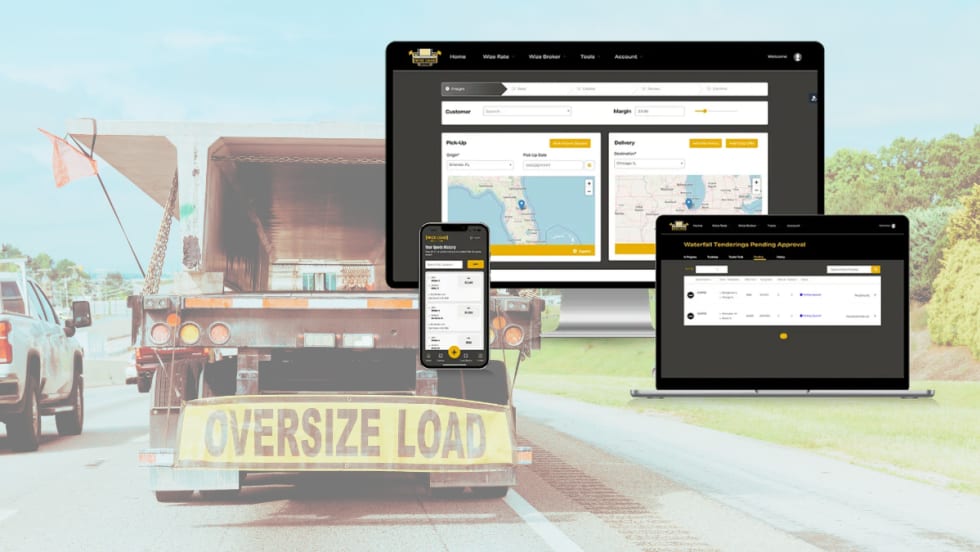
Truckstop.com Adding to Open Deck, Heavy Haul Offerings
Load matching for flatbed, lowbed, oversize and overweight loads can't be automated like basic van freight, but Truckstop.com is adding more high-tech tools to help.
Read More →
Trucker Path, Truckstop.com Expand Load Access Partnership
An expanded Trucker Path and Truckstop.com integration brings more freight opportunities into the TruckLoads app while emphasizing security and network quality.
Read More →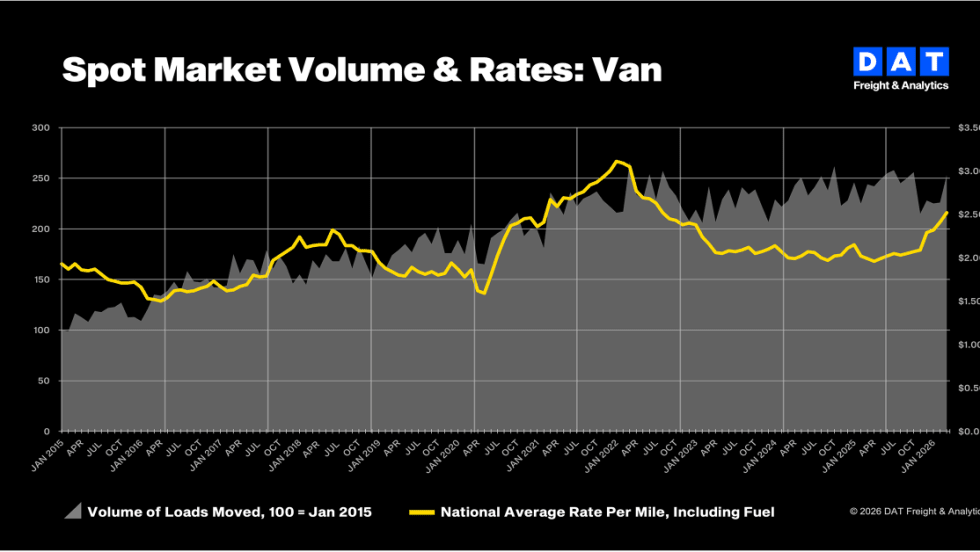
Truckload Rates Hit Two-Year Highs as Diesel Costs Surge, DAT Says
Strong March freight demand combined with a spike in fuel costs pushed both spot and contract truckload rates to their highest levels in more than two years.
Read More →
The AI Conversation You Need to Have with Your TMS Provider
Everyone’s talking about AI — but is your transportation management system actually built for it?
Read More →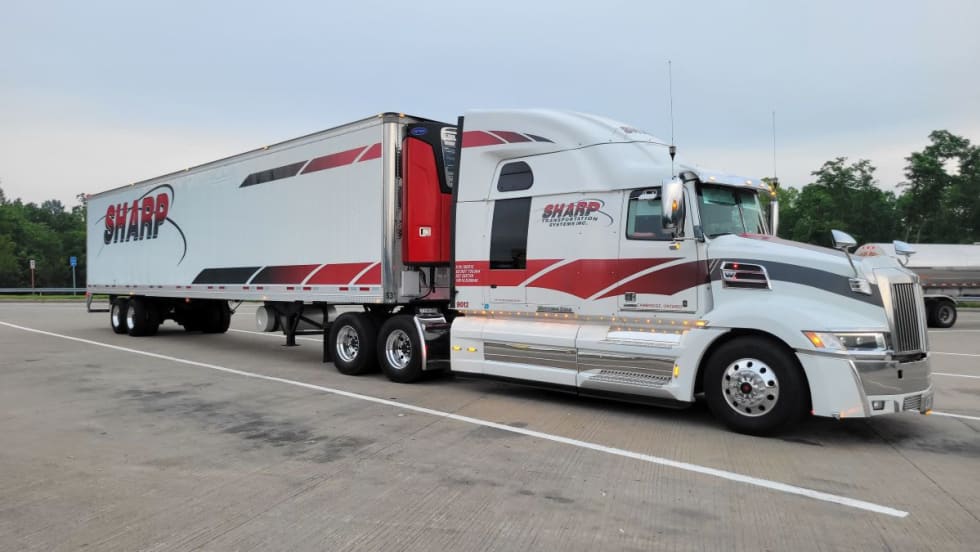
Kriska Buys Fellow Canadian Carrier Sharp Transportation Systems
Being part of KTG will allow Sharp to expand and improve its services.
Read More →
Bill in House Would Raise Minimum Insurance for Motor Carriers to $5 Million
The Fair Compensation for Truck Crash Victims Act would increase insurance requirements for interstate motor carriers by nearly seven times.
Read More →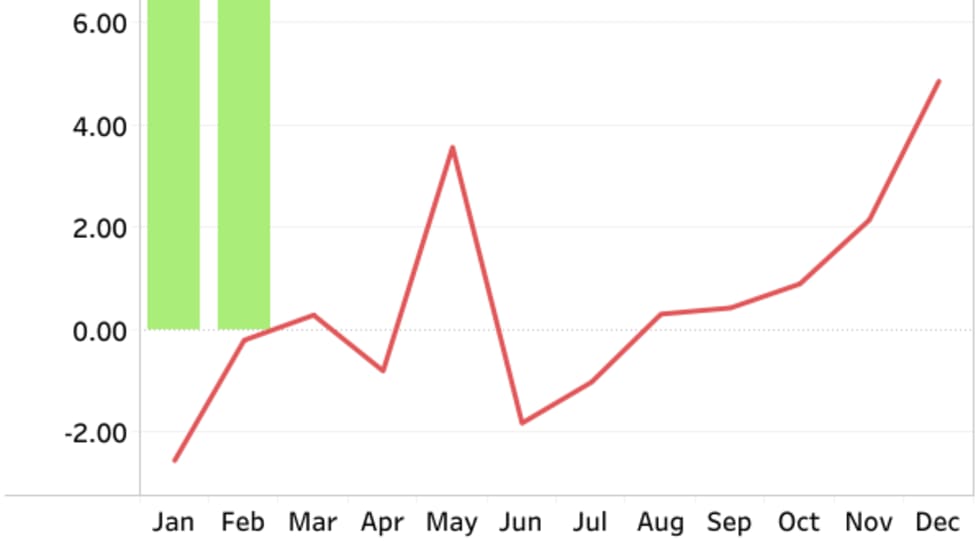
FTR Trucking Conditions Index Hits Four-Year High in February
Strong freight rates push TCI to 10.2, but FTR expects fuel-price volatility to skew March results.
Read More →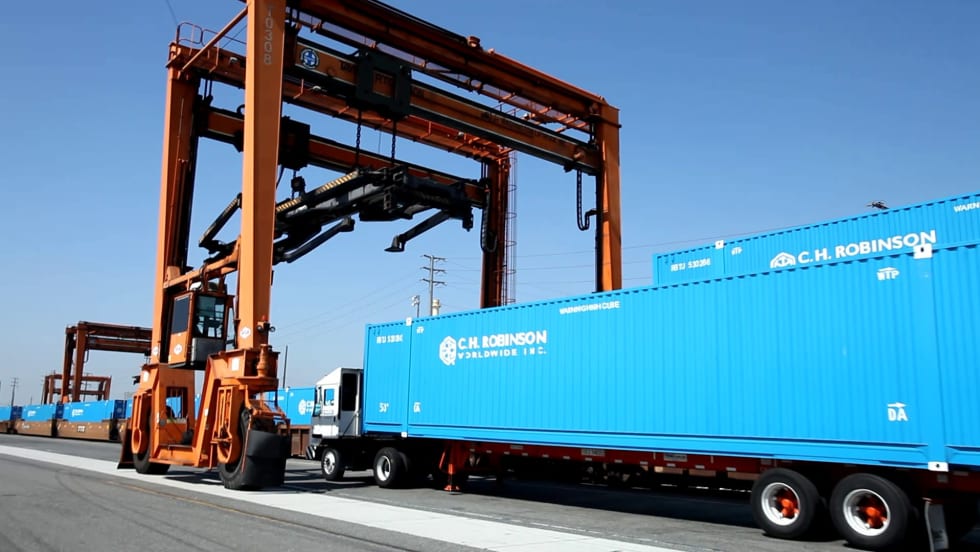
C.H. Robinson Offers Carriers Relief as Diesel Prices Surge
C.H. Robinson is waiving fees on fuel cards and cash advances for April and May, aiming to help carriers offset rising diesel costs tied to geopolitical instability.
Read More →