




U.S. Sens. Patrick Leahy (D-Vermont) and Susan Collins (R-Maine) announced they will introduce a bill making permanent a now-expired federal pilot program allowing heavier trucks to use the Interstate system in Maine and Vermont.
"The higher truck weight standards in surrounding states create problems in Vermont when those trucks have to detour through our small towns on local roads," said Leahy. "The hodge podge of disjointed rules that has evolved in our region does not work for anyone, especially the communities that have had to absorb the added traffic. By now, neighbors like New York, New Hampshire, Massachusetts and Quebec all have permanent exemptions from federal Interstate weight limits. That means heavier trucks must travel over our smaller roadways, creating traffic and safety concerns and taking a toll on our already overburdened roads and bridges. The Vermont pilot program has proved itself, and it's time to make it permanent."
Leahy and Collins authored legislation in the 2010 federal transportation budget bill that created a one-year pilot program in Vermont and Maine to study the effects of moving overweight truck traffic off state highways and onto federally funded Interstates. Their pilot program, which allow 100,000-pound, six-axle trucks on Maine's Interstates and 108,000- to 120,000-pound six-axle trucks in Vermont, expired in mid-December. It was blocked from being renewed in late December when Republican senators derailed a bill that included a measure by Leahy and Collins to extend the program.
Current federal law restricts trucks weighing more than 80,000 pounds from regularly using the nation's Interstate highway system. But portions of the Interstate network in neighboring states allow higher-weight trucks to operate on those Interstates due to special circumstances, from tolling to grandfather clauses.
Last year the White House released a statement that supported making the Leahy-Collins programs in Vermont and Maine permanent.
During a news conference Monday morning, Champlain Oil Company Vice President Bryan Cairns explained that during the Vermont pilot program, Champlain Oil Company saved 43,400 gallons of diesel fuel and traveled 320,000 fewer miles because the pilot program allowed them to deliver more efficiently.
The two leading transportation legislators from the Vermont State Legislature, Vermont State Senator Richard Mazza (D-Grand Isle), chairman of the Vermont Senate Transportation Committee, and Representative Pat Brennan (R-Colchester), chairman of the Vermont House Transportation Committee, explained that the Vermont Legislature supports trying to move heavy truck traffic off state highways and onto the Interstate system - and has been considering state efforts to accomplish the goal.
Bill Would Make Larger Truck Pilot Program Permanent
U.S. Sens. Patrick Leahy (D-Vermont) and Susan Collins (R-Maine) announced they will introduce a bill making permanent a now-expired federal pilot program allowing heavier trucks to use the Interstate system in Maine and Vermont
More Drivers

FMCSA Extends Paper Medical Card Exemption … Again
Five states still aren't ready to accept commercial driver medical exam information directly from the medical examiner's registry.
Read More →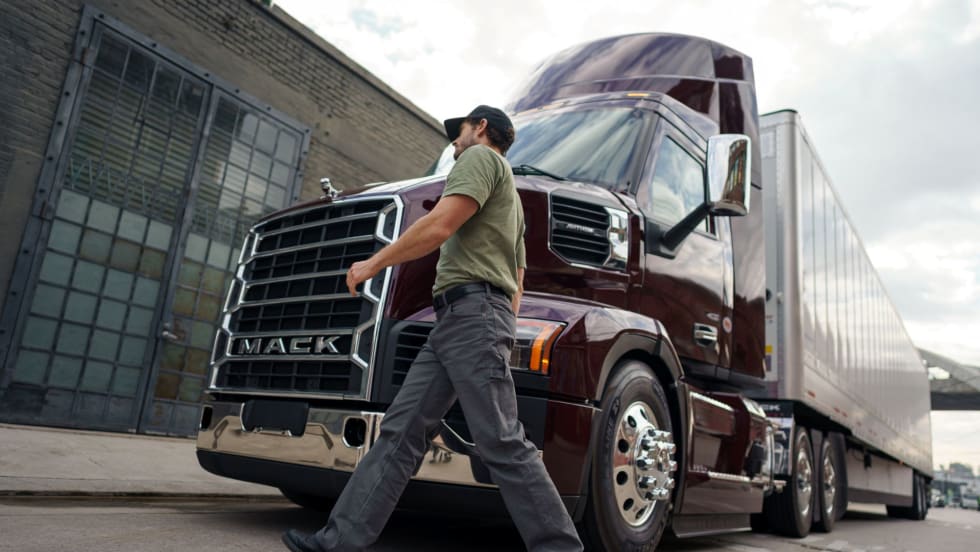
Mack Launches Digital Driver Guide for Chassis-Specific Truck Info
Mack’s new, virtual owner’s manual delivers VIN-based, on-demand guidance for vehicle systems via web, app, and soon in-cab displays.
Read More →
Western Star Showcases Truckers' Pride and Skill
Western Star is expanding its Star Nation Experience in 2026, adding new competitions and dealer participation to highlight operator skills and promote careers in trucking.
Read More →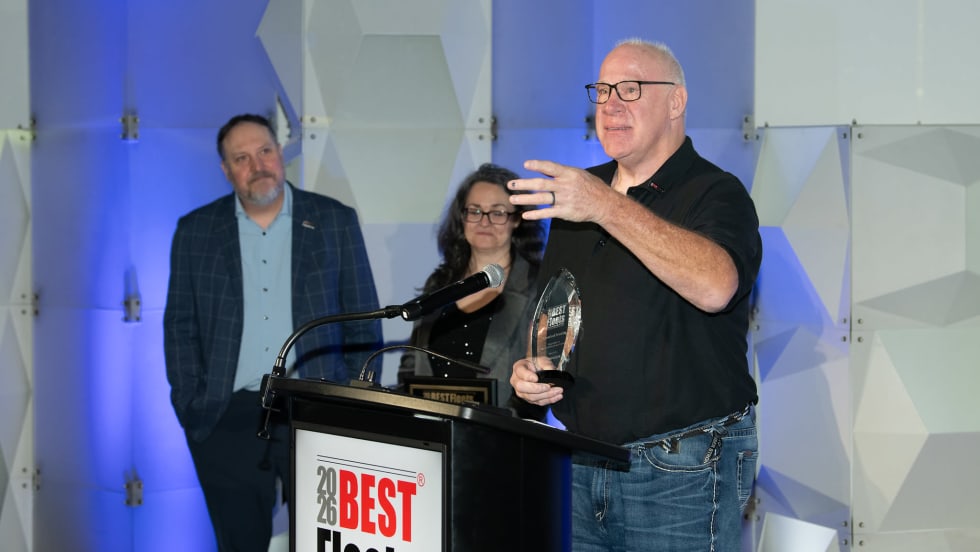
Best Fleets to Drive For: Two Carriers Earn Overall Award for First Time
CarriersEdge announced the 2026 Best Fleets to Drive For overall winners, with Crawford Trucking, Fortigo Freight Services, and FTC Transportation receiving top awards.
Read More →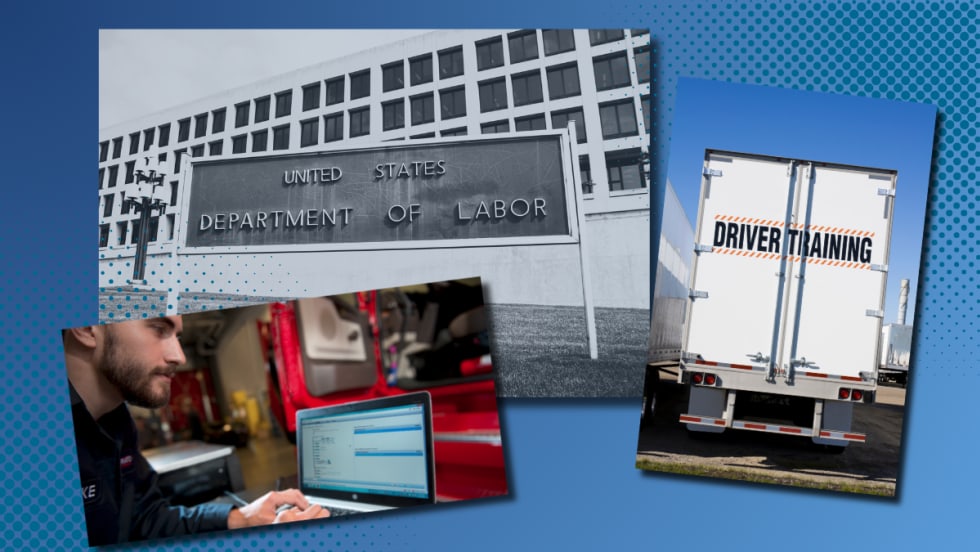
Federal Proposal Would Allow Pell Grants for Shorter-Term Job Training
The Department of Labor plans to expand Pell Grant eligibility to some shorter workforce training programs, a move the American Trucking Associations said will help strengthen commercial driver training schools and diesel technician training programs.
Read More →
Owner-Operator Model Gets Boost as DOL Proposes 2024 Independent Contractor Definition Reversal
For an industry that has watched this issue go back and forth for years, the independent contractor proposal marks the latest swing in the regulatory pendulum.
Read More →
FMCSA Reinstates Field Warrior ELD to Registered Device List
One electronic logging device has been reinstated to the FMCSA's list of registered ELDs.
Read More →
How One Company is Using Smart Suspension Technology to Reduce Driver Injuries and Improve Retention
America’s Service Line adopted Link’s SmartValve and ROI Cabmate systems to address whole-body vibration, repetitive strain, and driver turnover. The trucking fleet is already seeing measurable results.
Read More →
CarriersEdge Announces 2026 Best Fleets to Drive For
The 18th annual contest recognizing the best workplaces for truck drivers sees changes to Top 20, Hall of Fame
Read More →
FMCSA Targets 550+ ‘Sham’ CDL Schools in Nationwide Sting Operation
The Federal Motor Carrier Safety Administration issued more than 550 notices of proposed removal to commercial driver training providers following a five-day nationwide enforcement sweep. Investigators cited unqualified instructors, improper training vehicles, and failure to meet federal and state requirements.
Read More →