




The avian flu viruses that have affected more than 33 million turkeys, chickens and ducks in more than a dozen states since December are taking their toll on the trucking companies that serve the poultry industry.
 MENU
MENU SEARCH
The avian flu viruses that have affected more than 33 million turkeys, chickens and ducks in more than a dozen states since December are taking their toll on the trucking companies that serve the poultry industry.
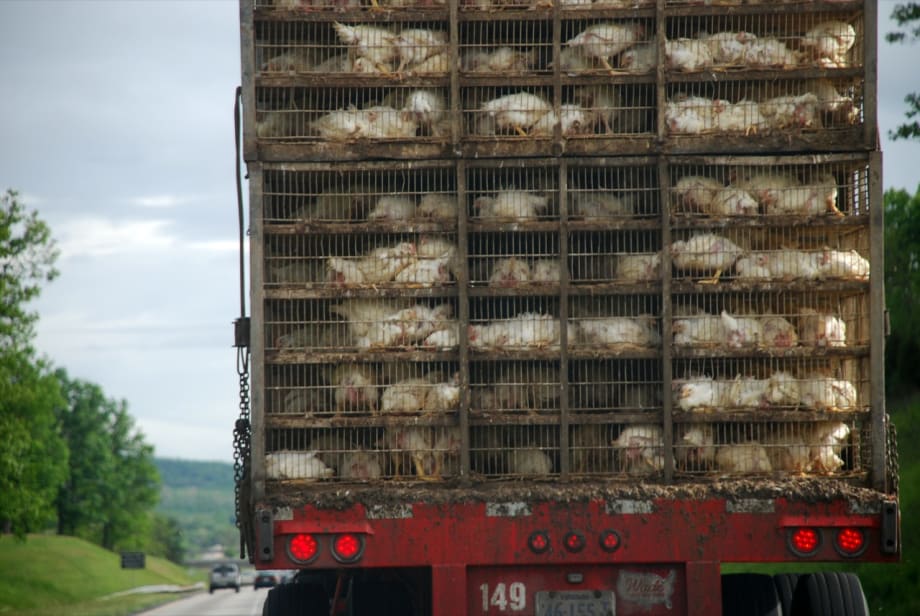
Truckers hauling chickens aren't the only ones being affected by bird flu. Photo by Ben via Wikimedia Commons
The avian flu viruses that have affected more than 33 million turkeys, chickens and ducks in more than a dozen states since December are taking their toll on the trucking companies that serve the poultry industry.
In addition to birds that are dying from the flu, poultry farmers are having to kill and dispose of millions of birds to try to keep the virus from spreading further.
Agriculture economists say bird flu could cost the two states hardest hit, Iowa and Minnesota, nearly $1 billion – and the virus is still spreading. These estimates include not only the affected poultry farmers, but also sales losses to feed suppliers, processing plants – and trucking companies.
Iowa, where one in every five eggs consumed in the country is laid, has been the hardest hit: More than 40% of its egg-laying hens are dead or dying. According to the USDA, nearly 25 million birds are affected there.
The New York Times, reporting from Sioux Center, Iowa, talked to Wayne Meerdink, who with his son runs a trucking business that takes feed to egg farms and other livestock operations, and he's preparing for more competition. “Those trucks that haul chickens and eggs around are going to be looking for other ways to stay busy,” he told the paper.
Minnesota is the next hardest hit, with more than 4 million. Other states include Wisconsin, South Dakota, California, North Dakota, North Dakota, Arkansas, Missouri, Washington, Oregon, Montana, Idaho, Kansas and Indiana.
Brigid Tuck, an economic analyst at the University of Minnesota, estimates that in that state, for every 100 jobs lost in poultry processing, nine jobs in the trucking industry will be affected. For every $1 million in lost poultry production, nearly $24,000 will be lost in economic activity at trucking companies.
John Hausladen, president of the Minnesota Trucking Association, says an informal survey of members indicates that "if you're hauling directly, as input or finished product, it is having a significant impact," he told Truckinginfo.com. "We're seeing reduced volumes; we're seeing trucks that were hauling for those customers soliciting other business trying to replace loads, so it creates some price pressure as it relates to overall freight."
Some members, he says, are facing route restrictions, as customers don't want them to travel through an area where there has been an infection, even if they're not going onto any farms in the affected area.
It's not just companies that are hauling chicken and eggs that are affected, but also those hauling things like chicken feed, grain and medicine on the input side, and wrappings, boxes and the like on the output side.
As those companies struggle to find other freight to replace what they've lost, Hausladen notes, that also means totally different routes and lanes than what they are used to. "It is certainly one thing to have the freight go away, but that lane you've built into your business model is now disrupted, so it has a ripple effect on how you manage the whole fleet."
Private fleets involved in areas such as foodservice will also be affected, he notes. They have to replace eggs or chicken or turkey they may be used to sourcing from the Midwest source it from other parts of the country, which means disruption in their logistics and routing as well.
If there's a bright spot for anyone in the trucking business, it's for those companies that deal in areas such as waste disposal or truck washing, which are in high demand.

ACT Research data shows volumes hitting a four-year high and supply-demand balance strengthening, but higher oil prices are undercutting tariff relief and tempering optimism.
Read More →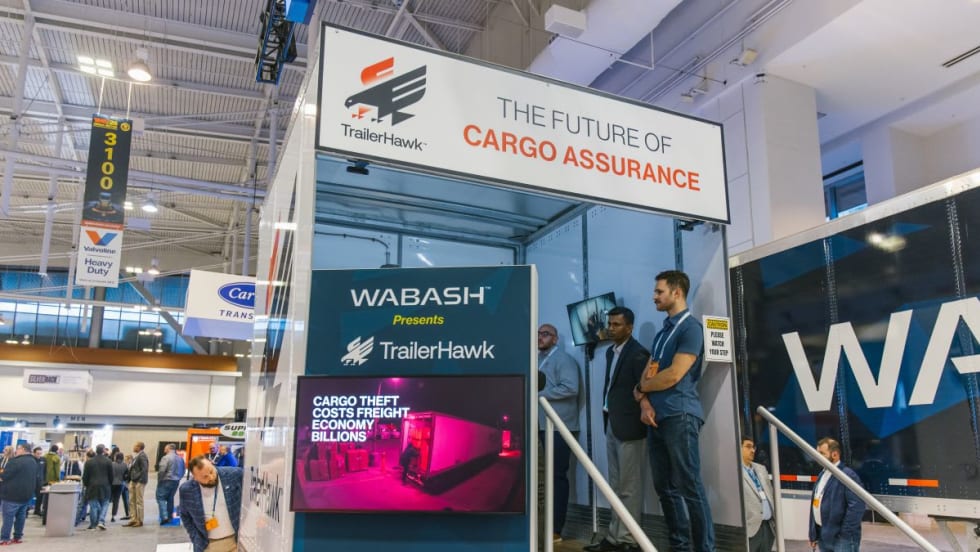
The patent-pending cargo solution integrates a digitally connected cargo door and an intelligent locking system with the TrailerHawk.AI technology platform.
Read More →
The impact of the Iran conflict extends beyond fuel costs, bringing more fraud and cybersecurity risks to the trucking industry.
Read More →
Speaking at the TMC Annual Meeting in Nashville, ATA President Chris Spear said trucking faces mounting pressure from rising fuel prices, geopolitical instability, and uncertainty around trade policy.
Read More →
More than 100,000 new trucking companies enter the industry each year, but regulators manage to audit only a fraction of them. That churn creates opportunities for inexperienced startups — and for “chameleon carriers” that shut down after safety violations and reappear under new identities. Read more from Deborah Lockridge in this commentary.
Read More →
HDTX is an intimate event that connects heavy-duty trucking fleet managers with industry suppliers through small-group discussions, educational sessions, and structured one-on-one meetings.
Read More →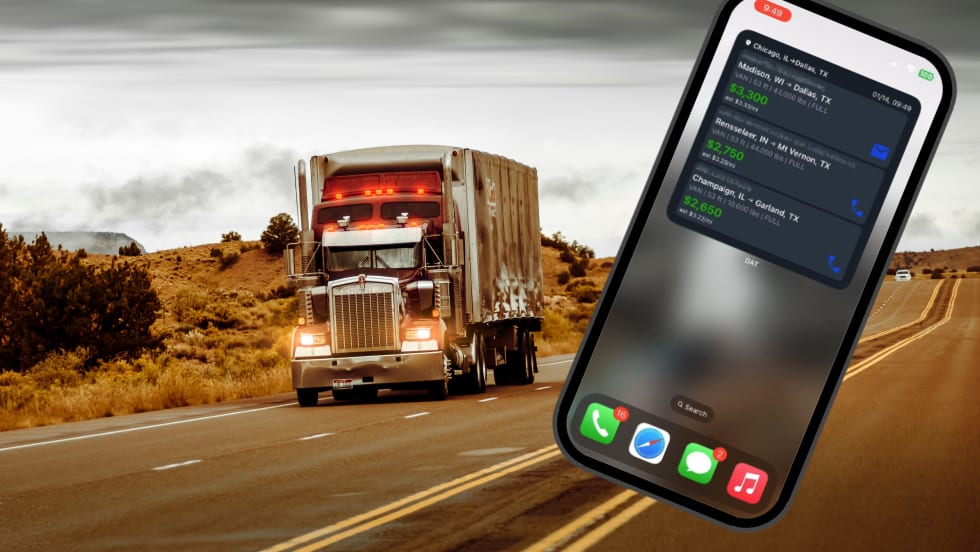
New DAT One feature shows top-paying loads directly on an iPhone’s home screen, helping carriers react faster to spot-market opportunities.
Read More →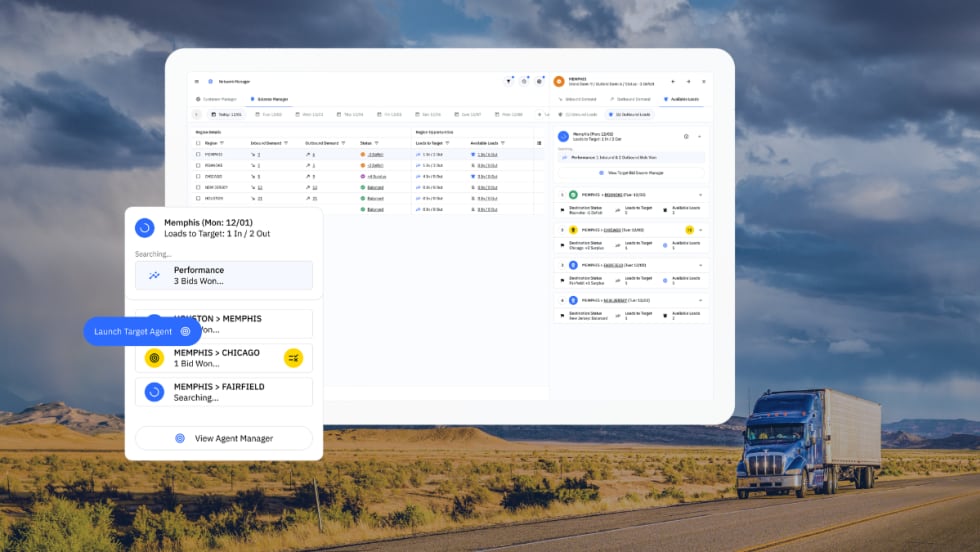
Optimal Dynamics says its new Scale platform uses AI agents and optimization to help carriers find and secure freight that improves network balance and profitability.
Read More →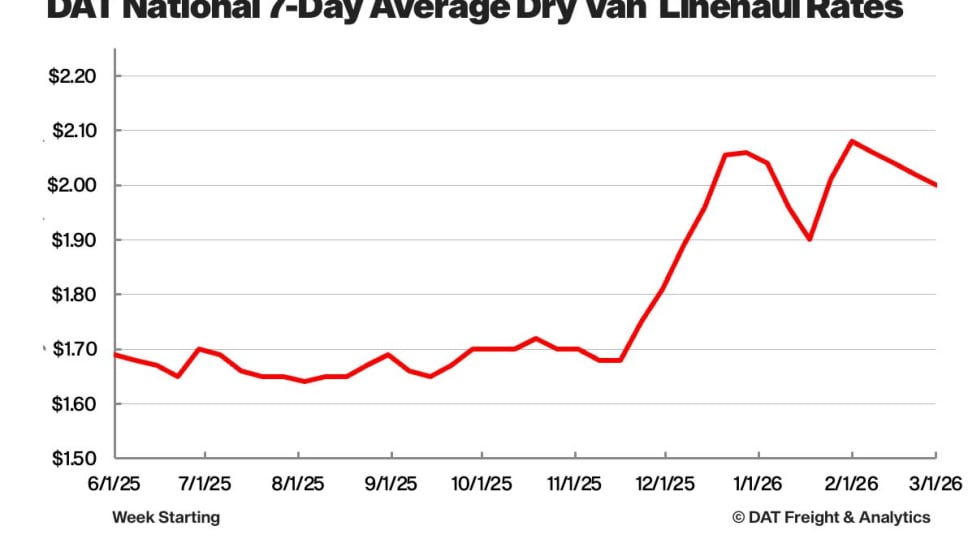
DAT Freight & Analytics data shows tightening flatbed capacity, easing produce markets, and softening van and reefer rates.
Read More →
NACFE's Run on Less - Messy Middle project demonstrates the power of data in helping to guide the future of alternative fuels and powertrains for heavy-duty trucks.
Read More →